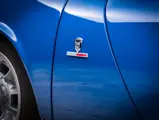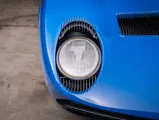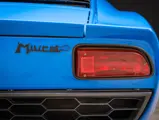

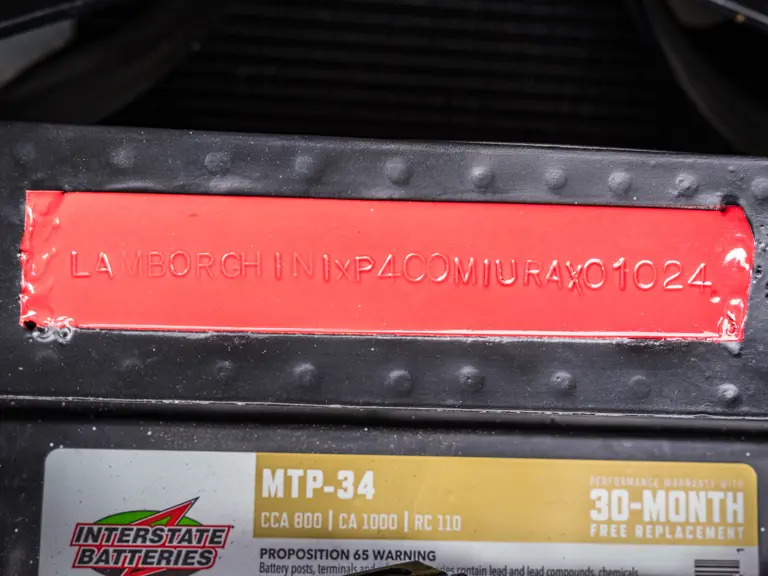
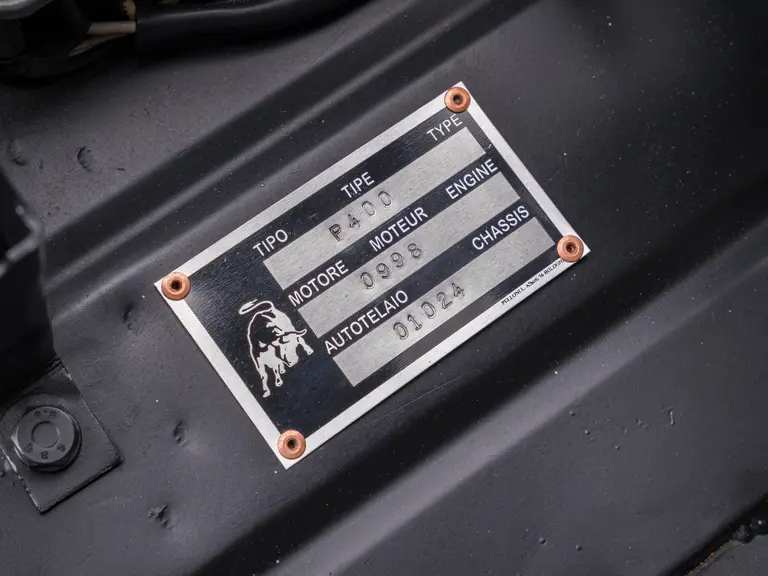
Chassis No.
01024
{{lr.item.text}}
{{bidding.lot.reserveStatusFormatted}}
RUNNING WITH THE BULLS
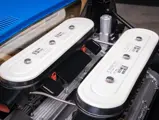
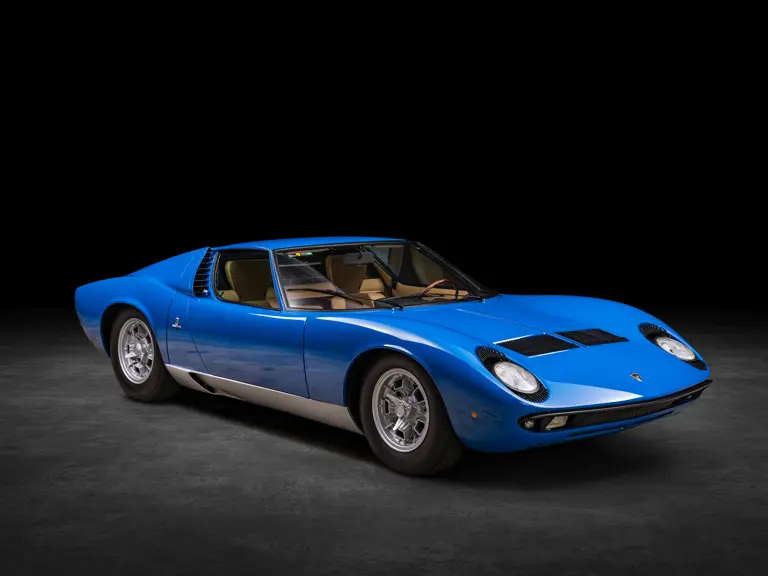
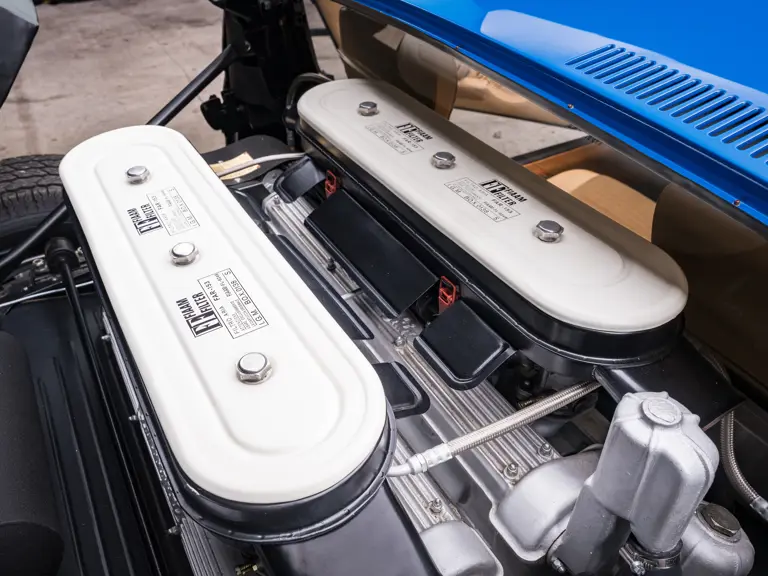
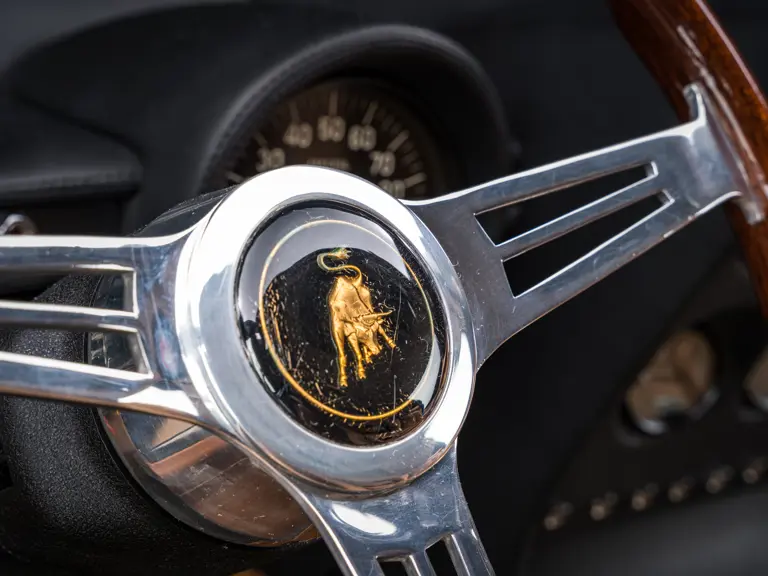
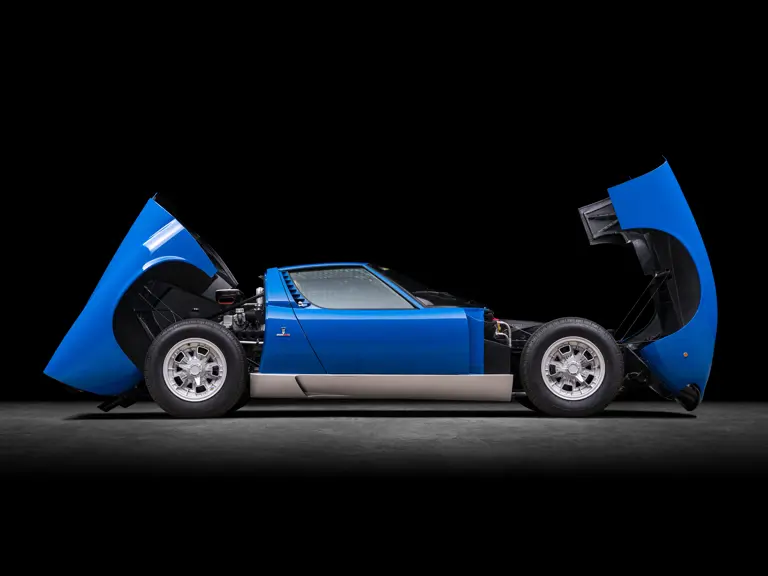
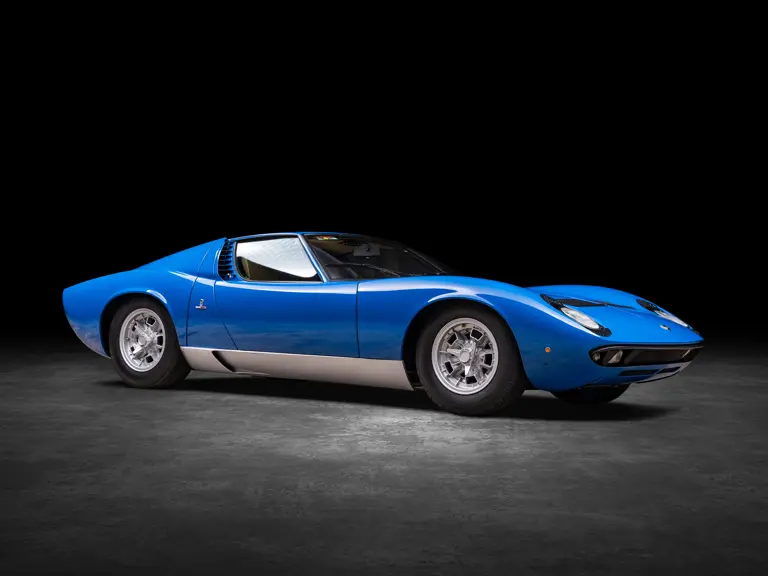
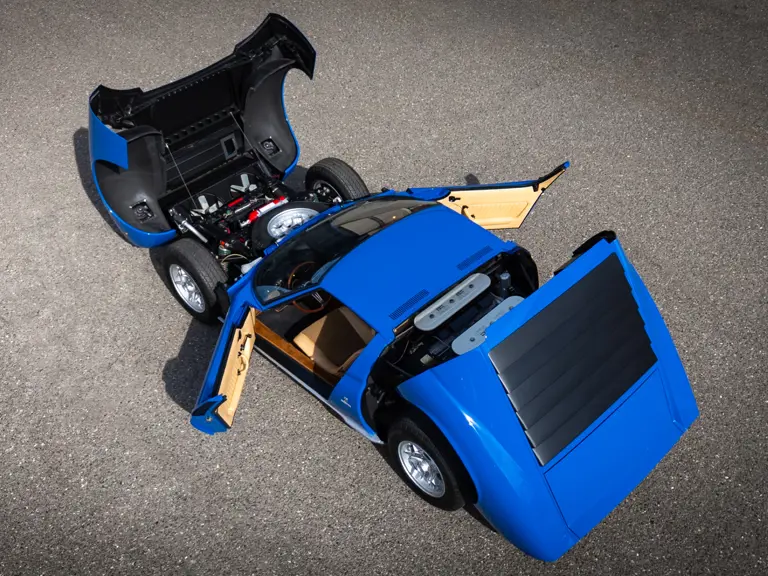
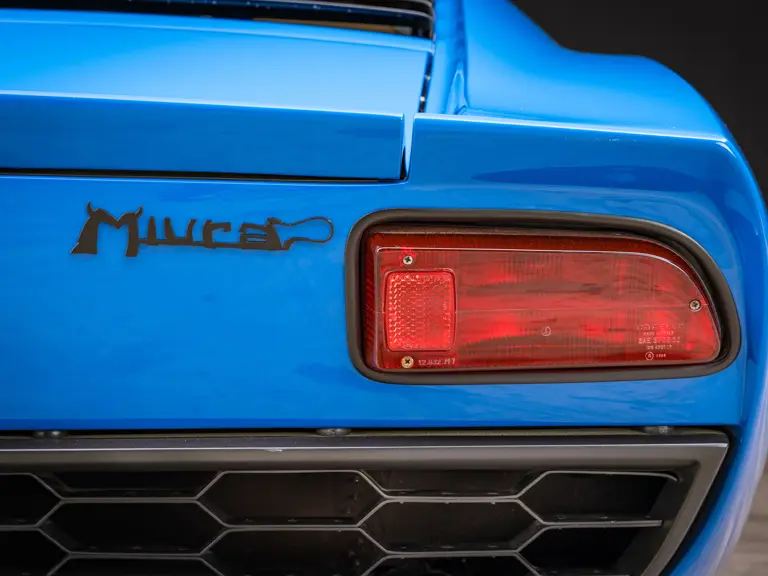
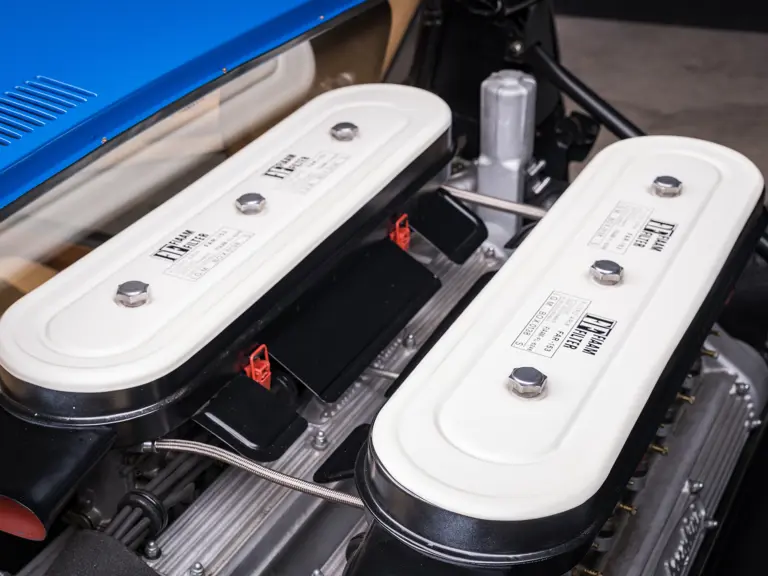
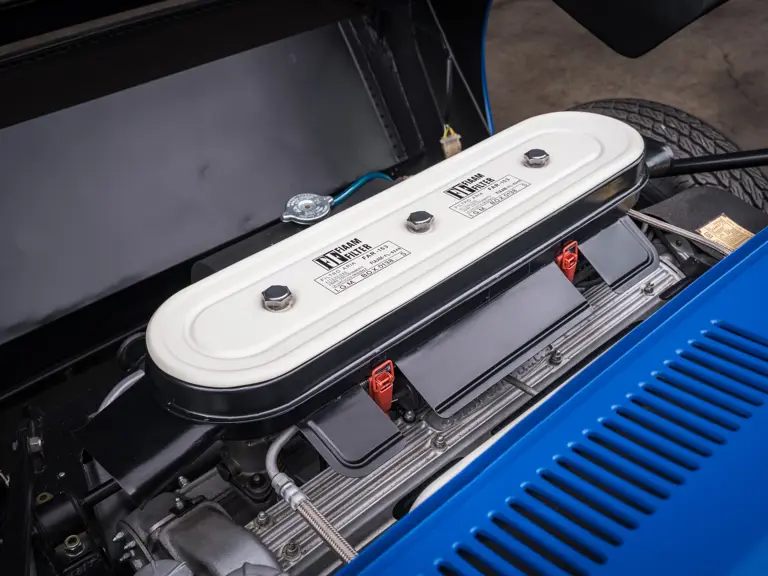
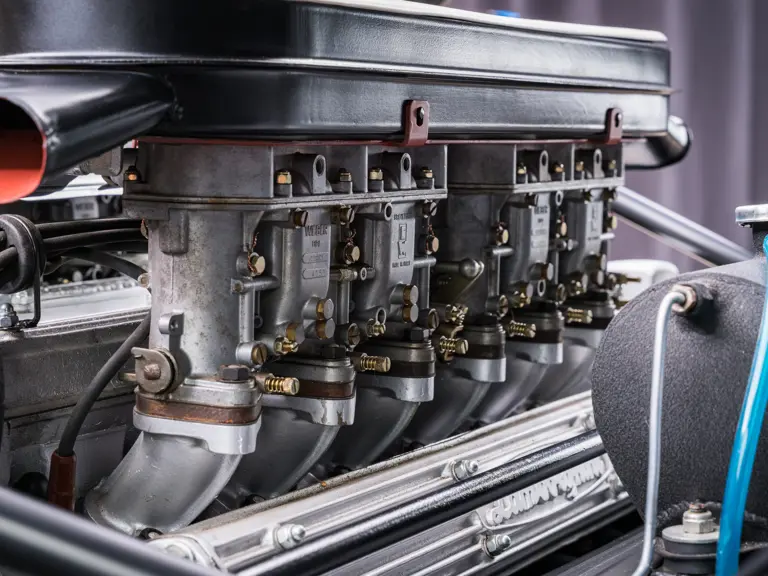
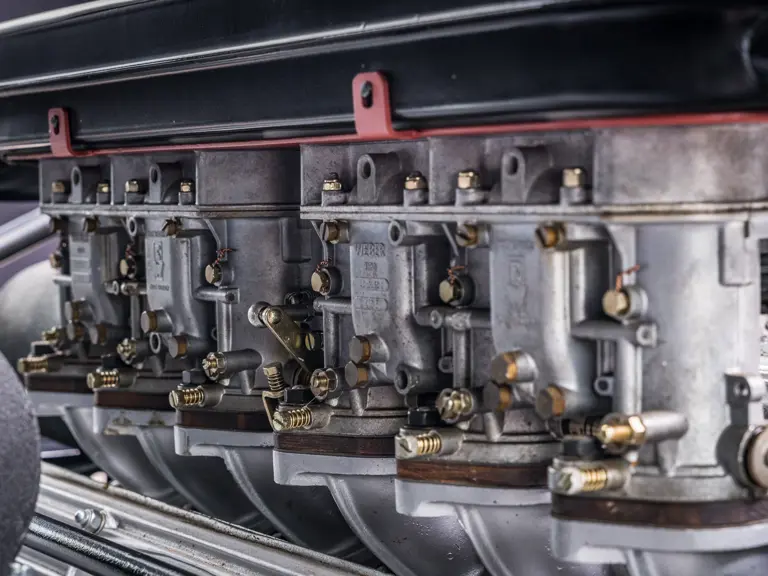
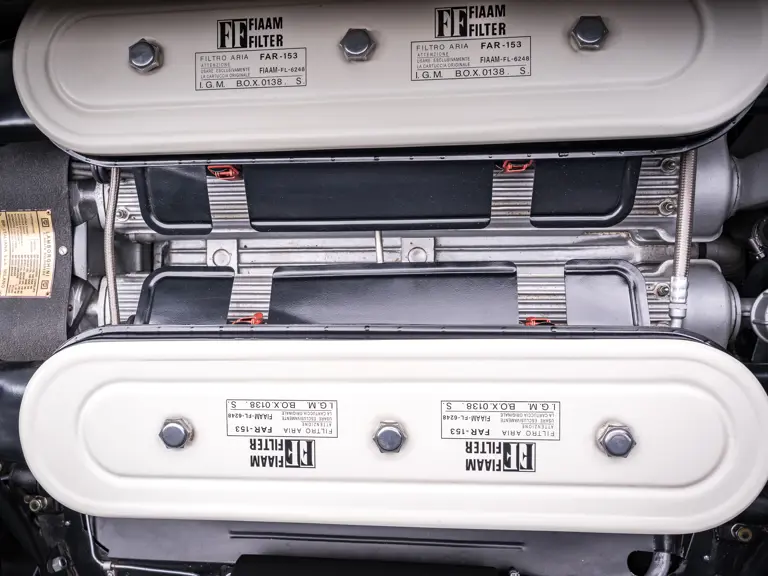
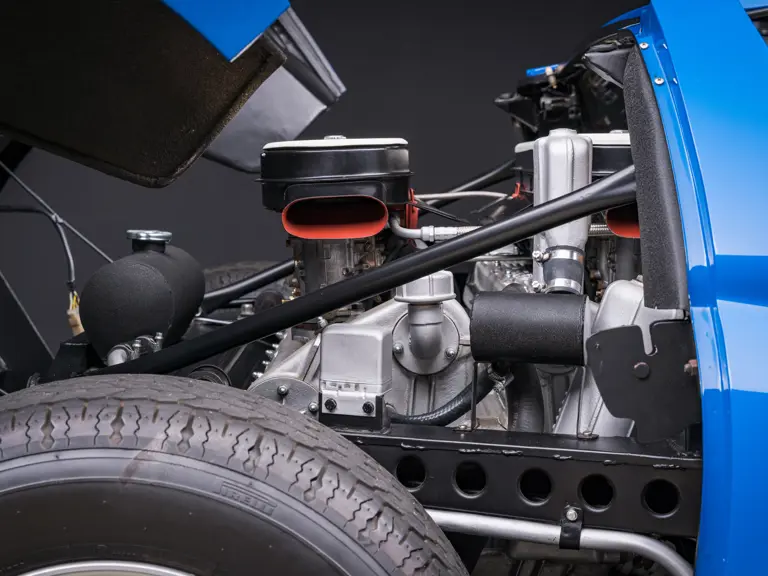
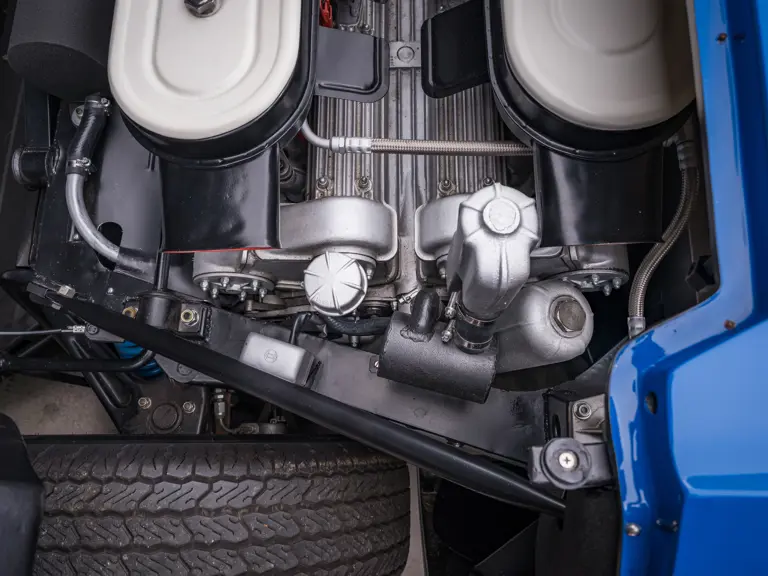
Replete with all the grace and power of Pamplona’s bulls, the Lamborghini Miura P400 was a revolutionary sports car in every sense. The Miura’s success might have been even more surprising had it not been engineered by what was essentially an all-star team of some of the era’s greatest designers. Giampaolo Dallara, Paolo Stanzani, and racing driver Bob Wallace, each with an outstanding resume of their own, collaborated to produce what is arguably each man’s greatest creation. The marvel of engineering featured a single-cast unit for its gearbox and transverse mid/rear-mounted V-12 engine, which was a 3.9-liter development of Giotto Bizzarrini’s purpose-built Lamborghini V-12.
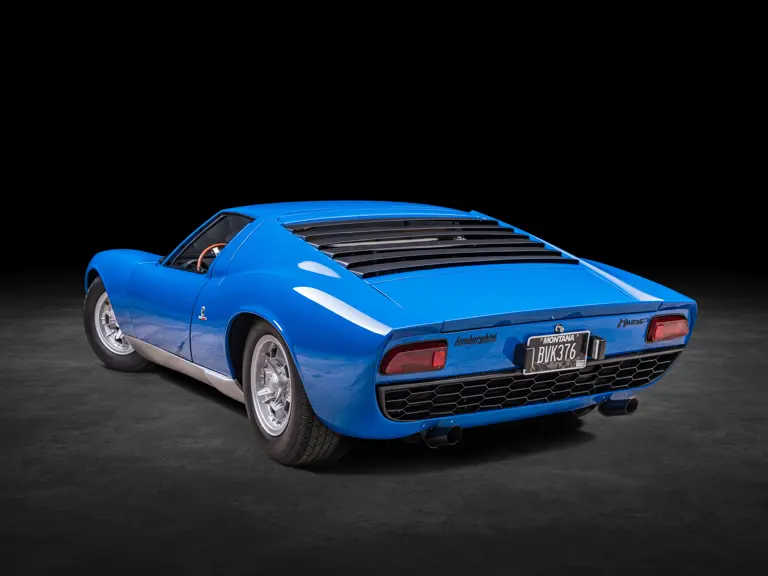
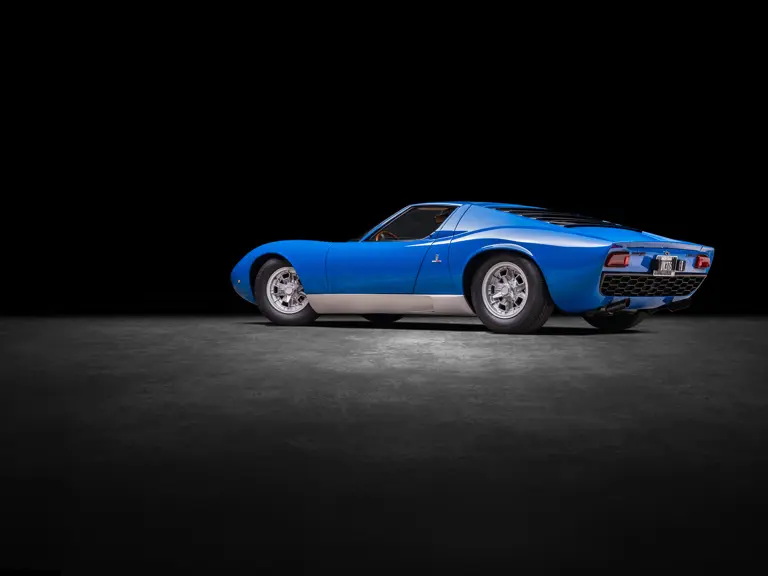
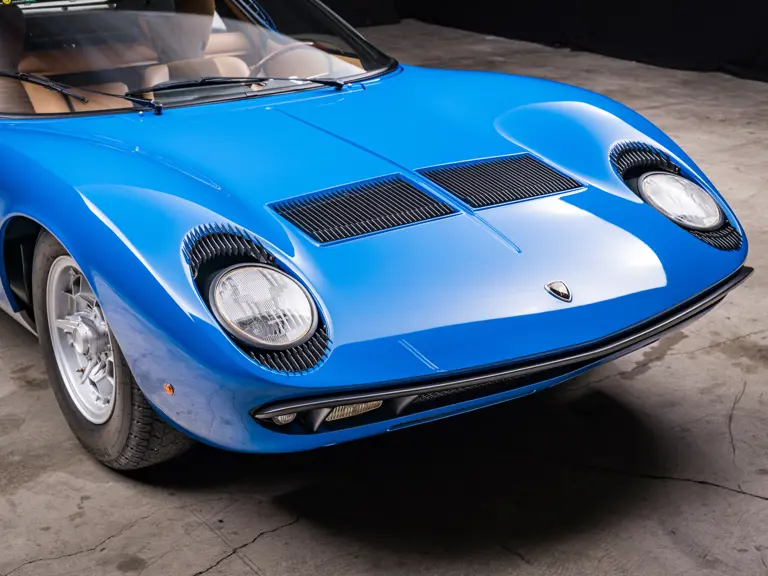
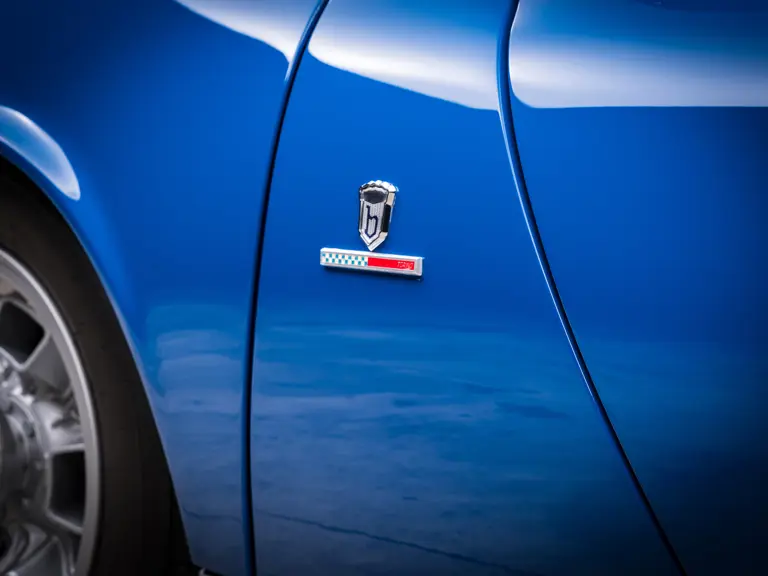
As a true paragon of cutting-edge design, the Miura was bodied with an external form abounding in sexy sophistication. Marcello Gandini, then just a 22-year-old junior designer at Bertone, penned one of the most celebrated sports car shapes ever conceived, a deft resolution of sinewy muscularity and voluptuous curves. The beauty was more than skin-deep, though, as the Miura matched its appearance with metric-shattering performance—for a short time, the Miura P400 proudly held the mantle of the world’s fastest production car.
Among a combined output of approximately 753 total examples produced of all types, the original P400 variant was built in a relatively modest quantity of 270 cars. To this day the P400 remains prized by discerning collectors for being the purest and most original expression of the Miura design, making it the most desirable version of Sant’Agata’s legendary bull in the view of many enthusiasts.
CAR NUMBER EIGHT
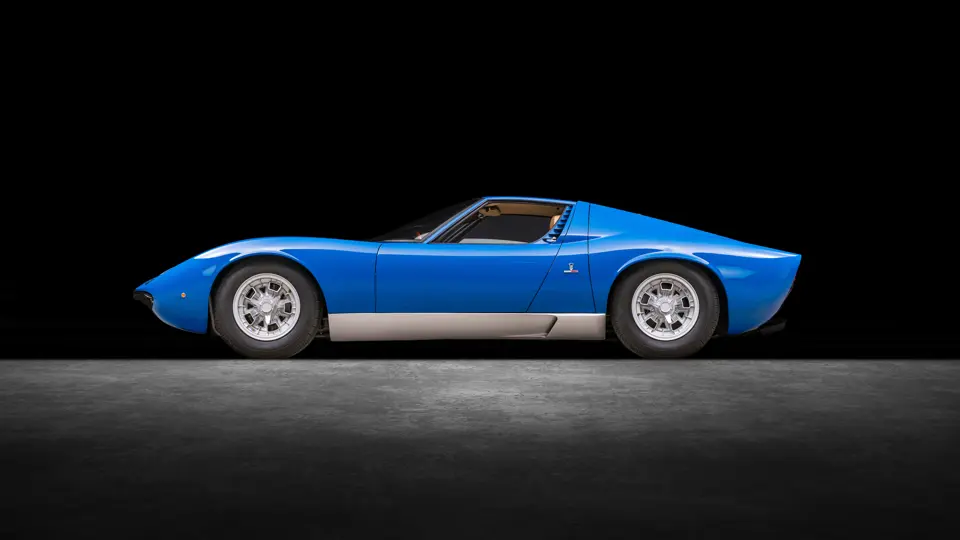
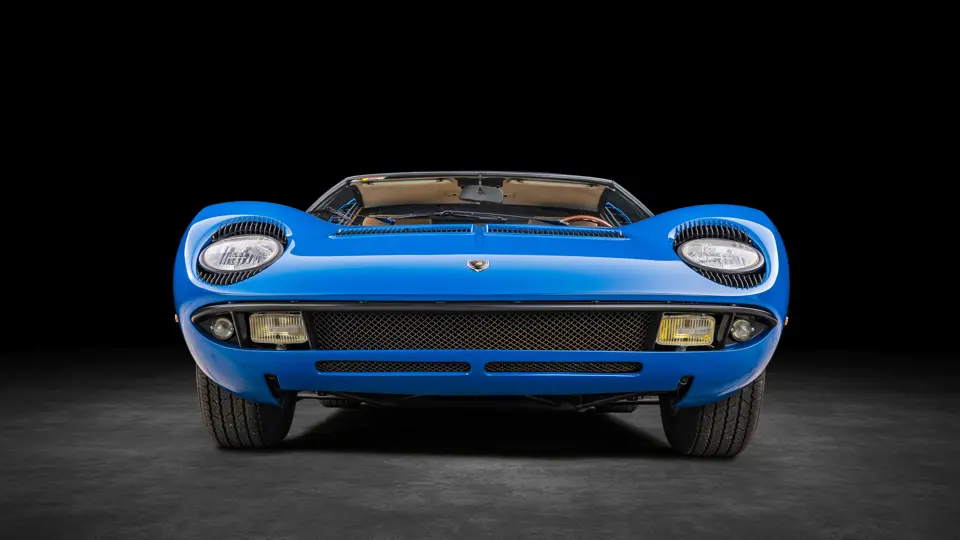
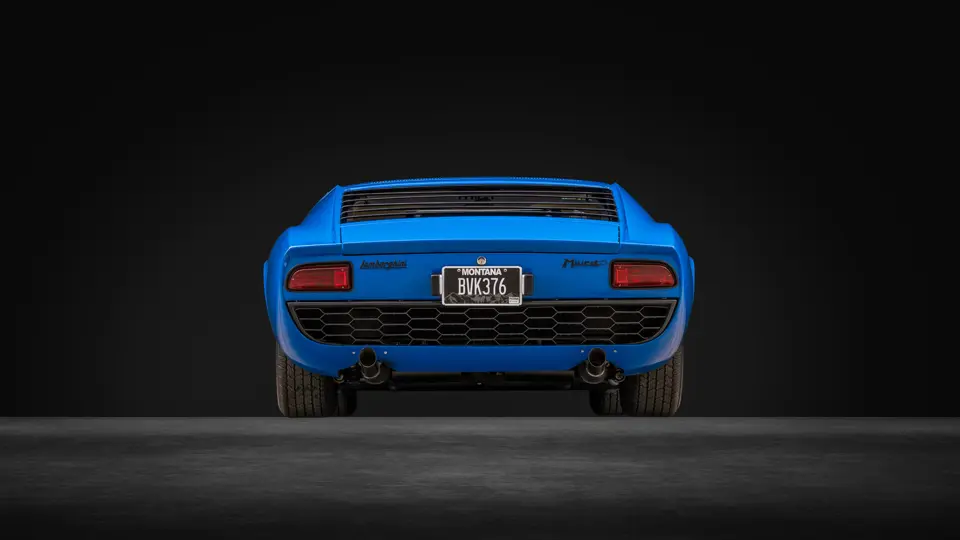
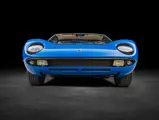
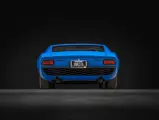
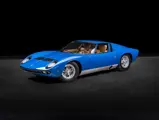
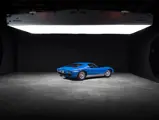
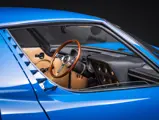
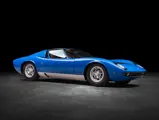
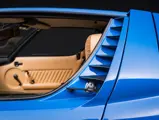
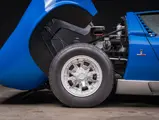
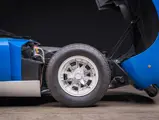
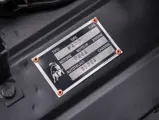
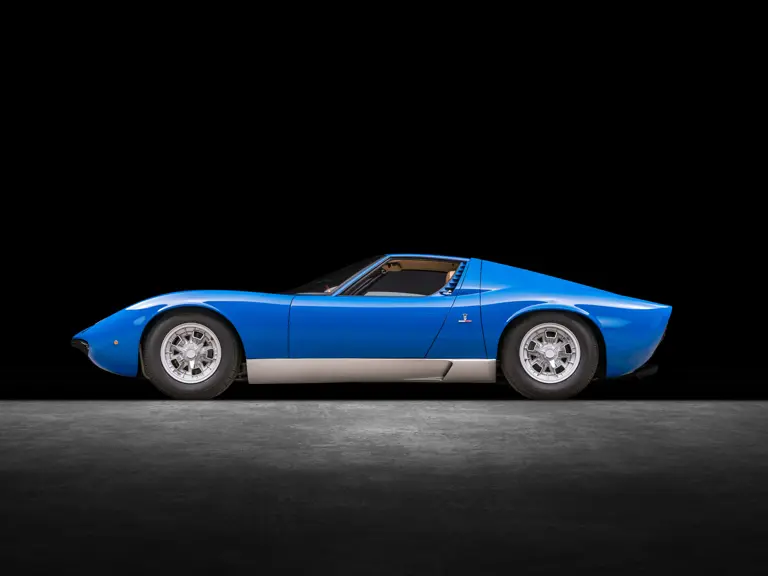
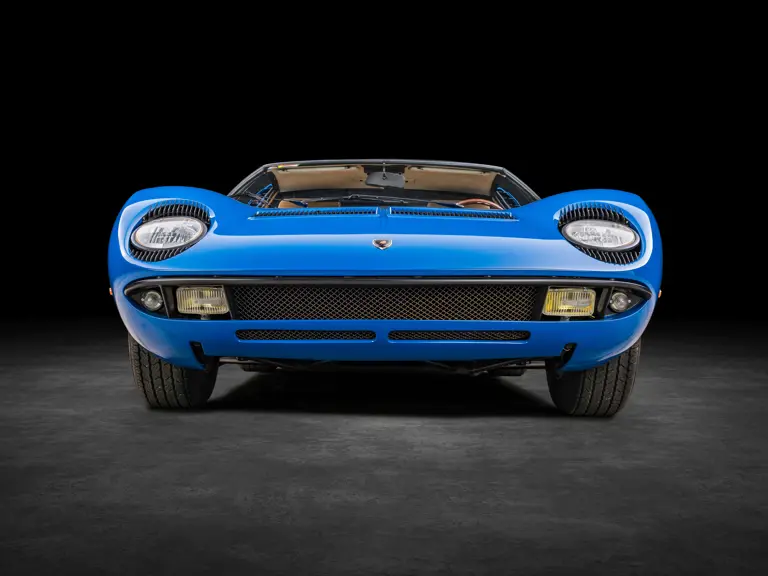
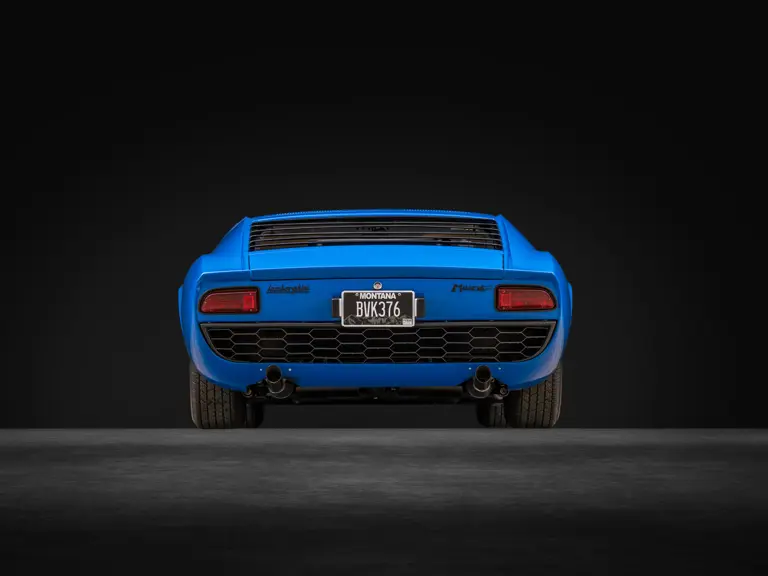
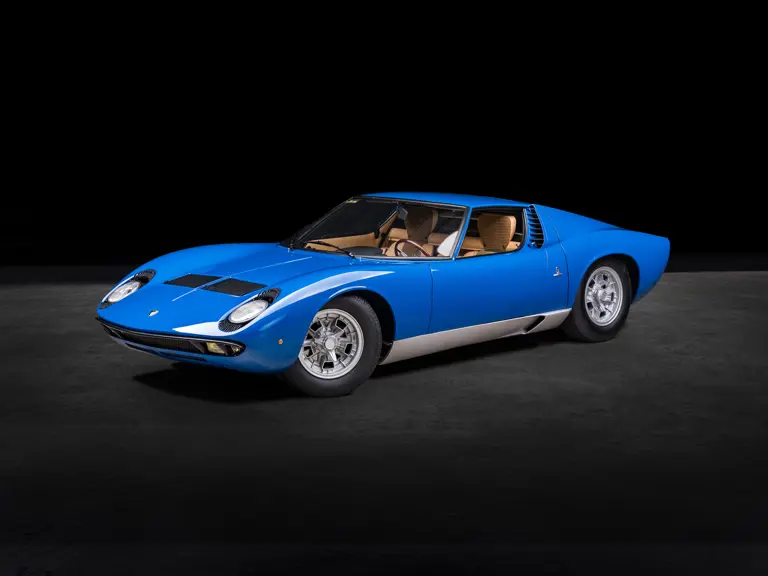
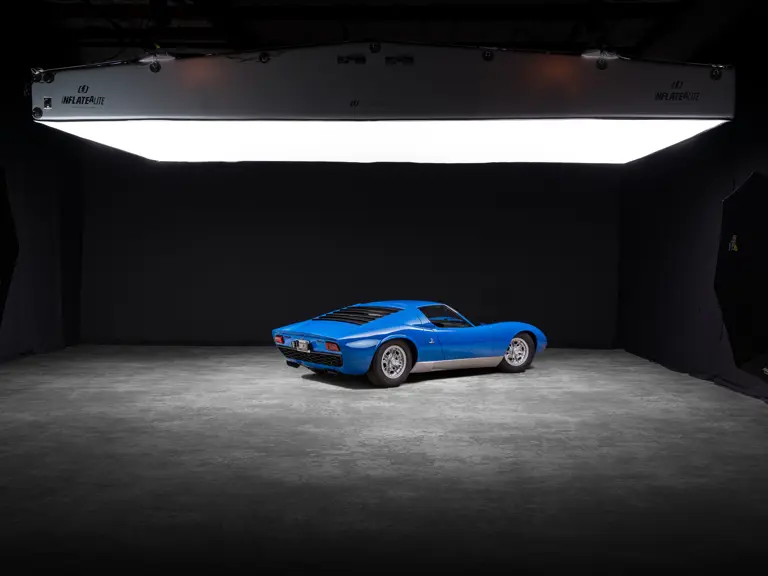
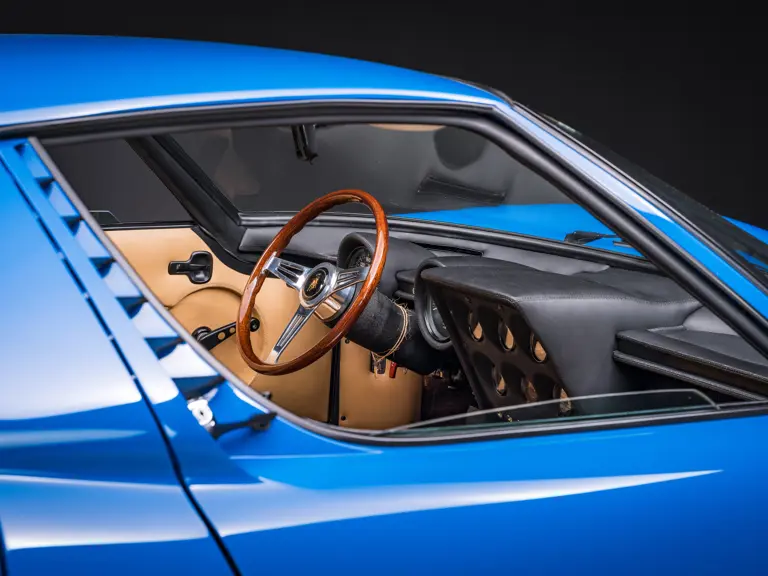
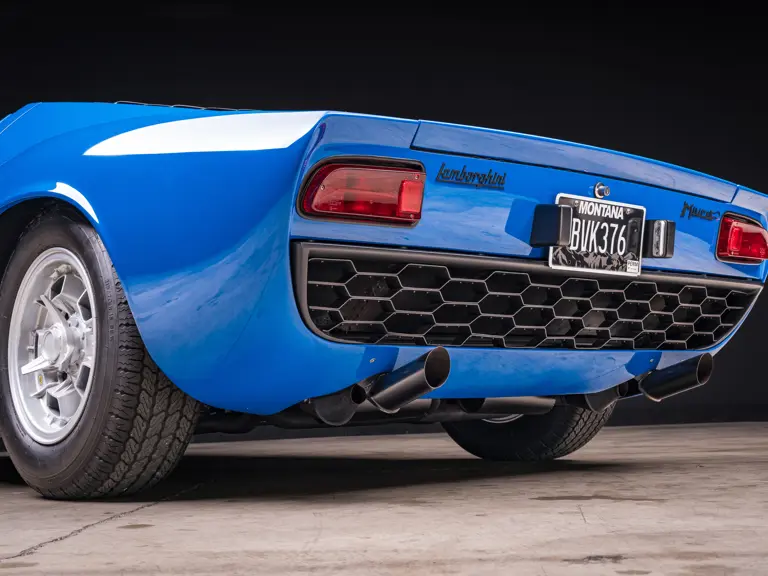
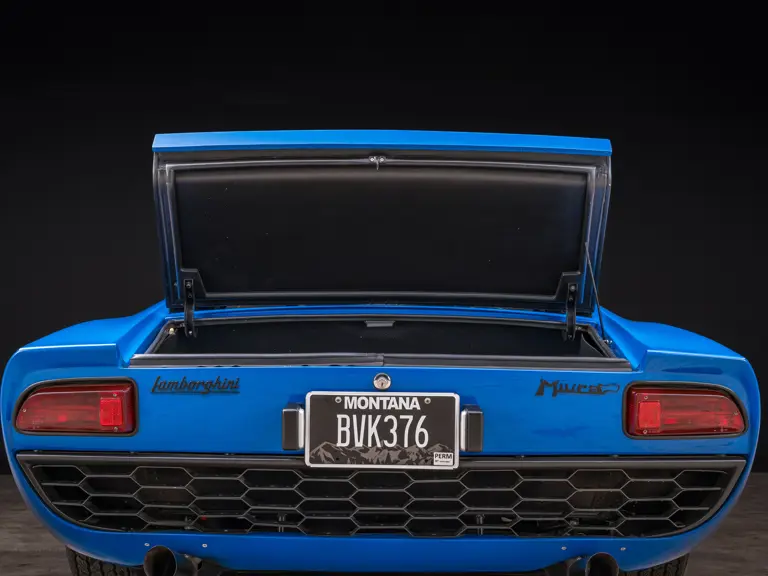
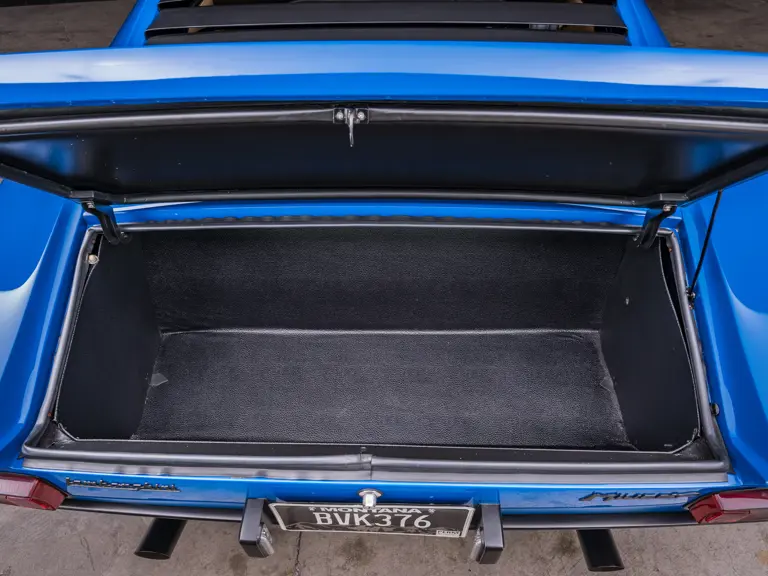
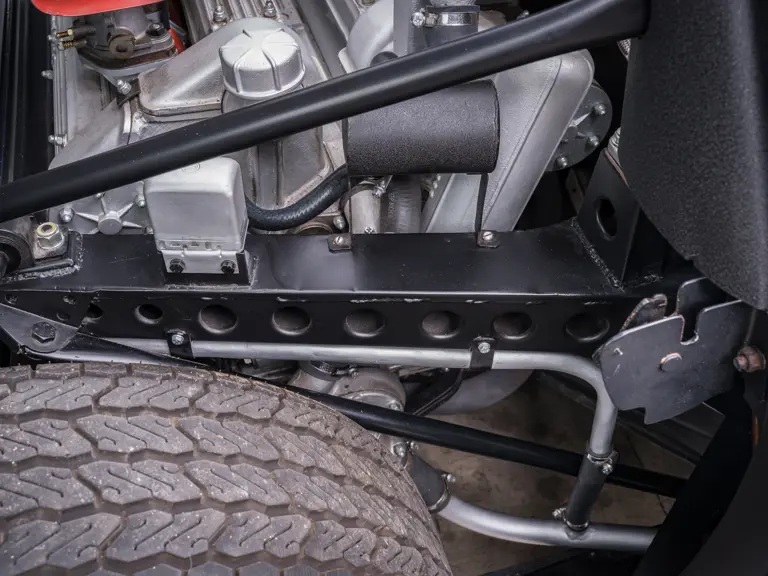
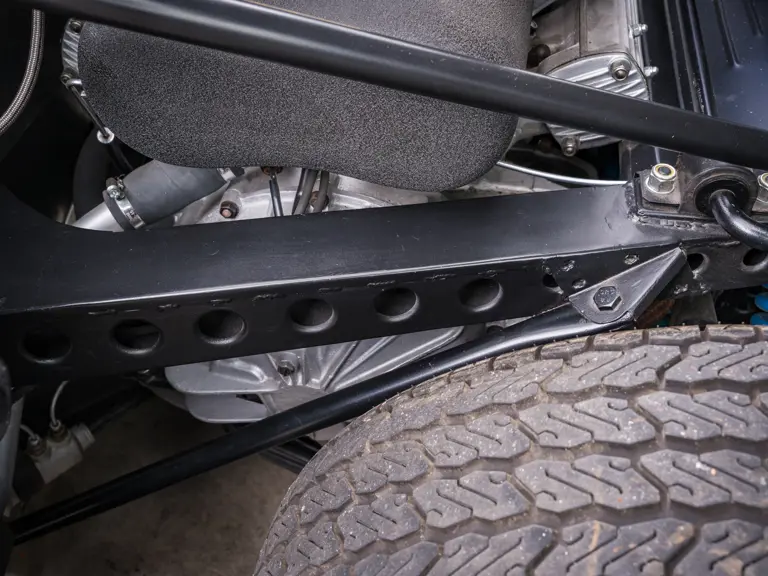
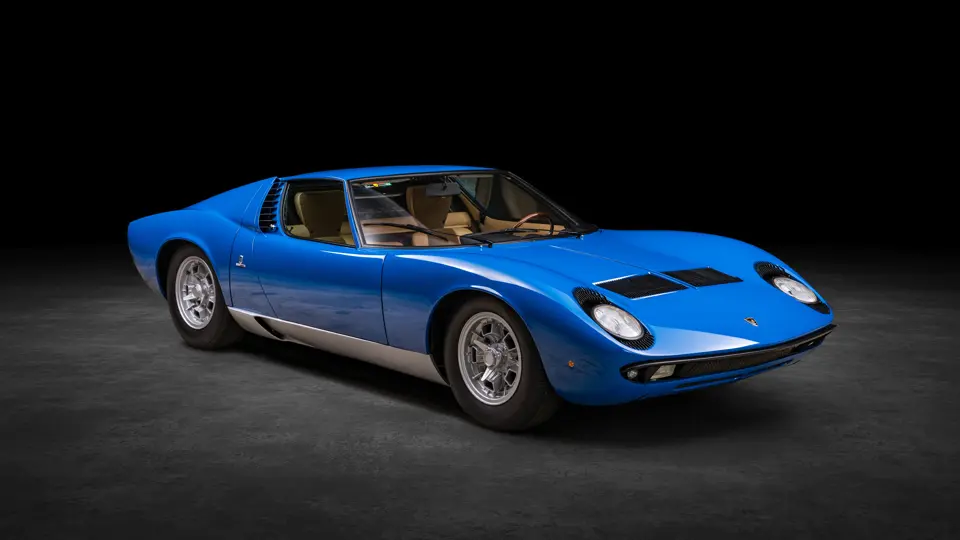
This beautifully presented Miura claims a very early build position, a four-year restoration by a world-renowned marque specialist, and certification by Lamborghini Polo Storico, resulting in one of the most desirable examples offered in recent memory. According to the information in Simon Kidston’s respected The Lamborghini Miura Register, chassis number 01024 is just the third production example built, and the eighth Miura overall (including two prototypes and three pre-production cars). As a very early example, this Miura is characterized by distinctive differences from later P400 examples, primarily being one of the 125 early “thin-chassis” cars whose frame members were constructed of slightly thinner-gauge metal.
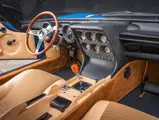
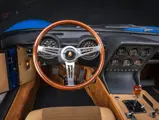
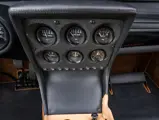
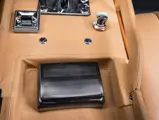
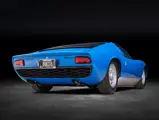
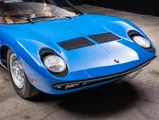
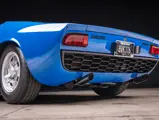
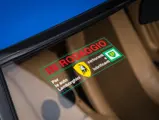
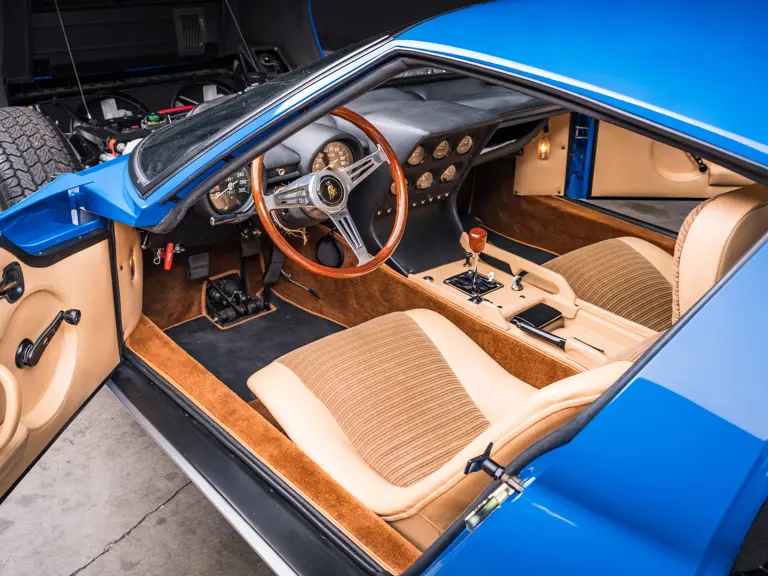
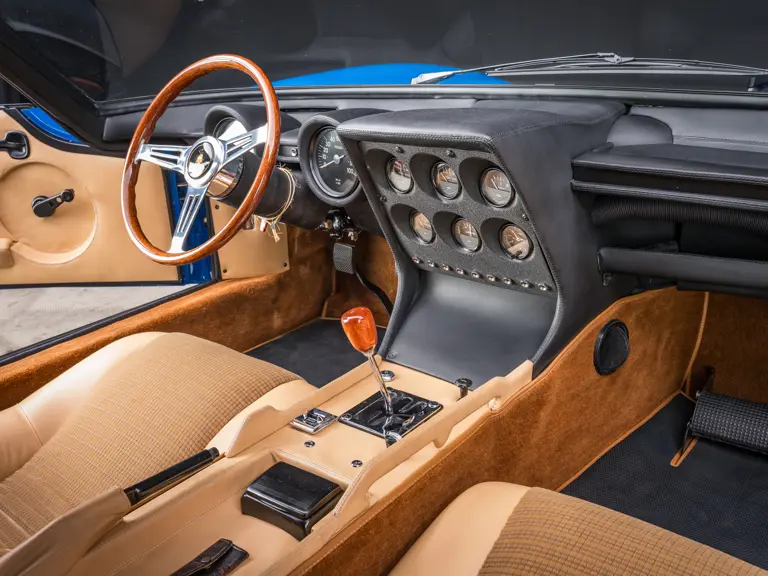
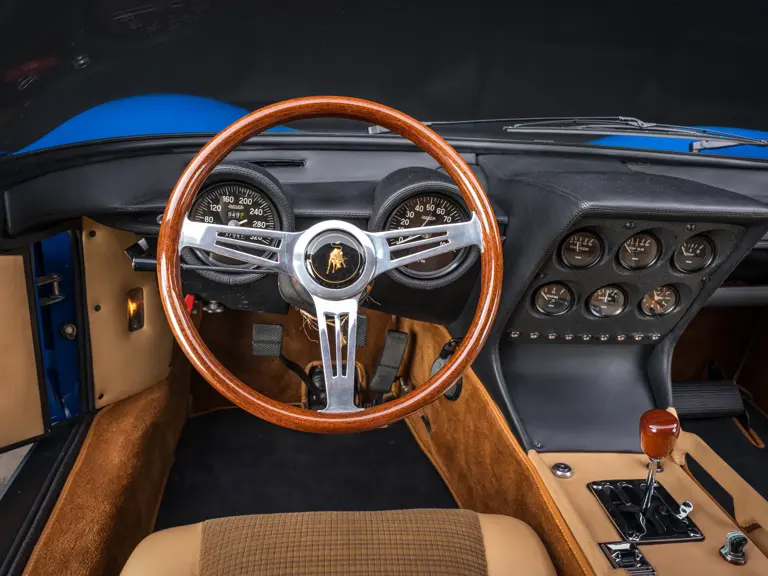
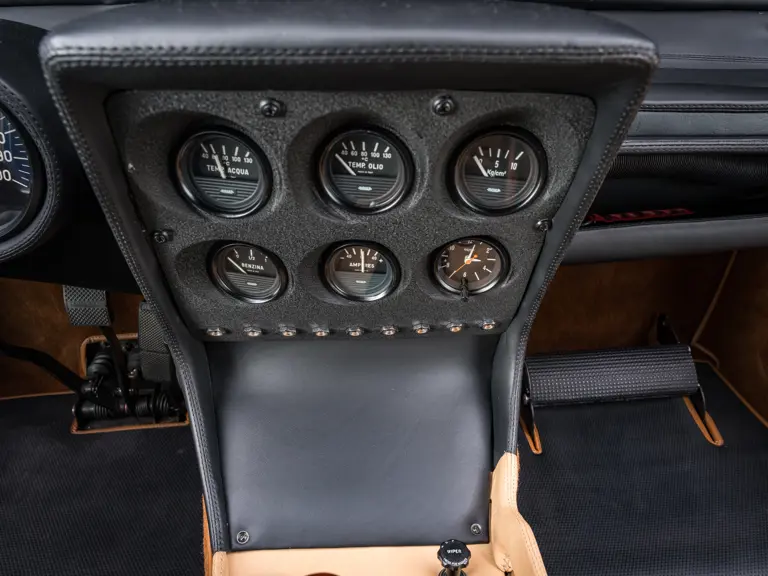
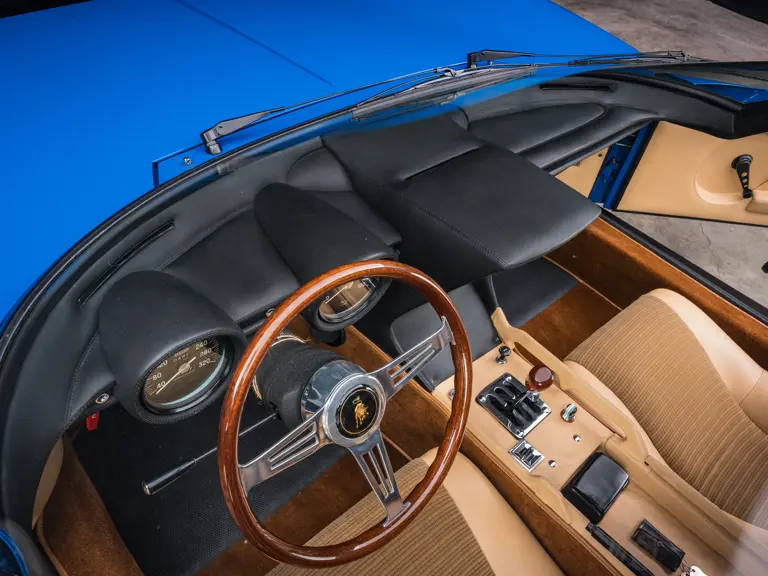
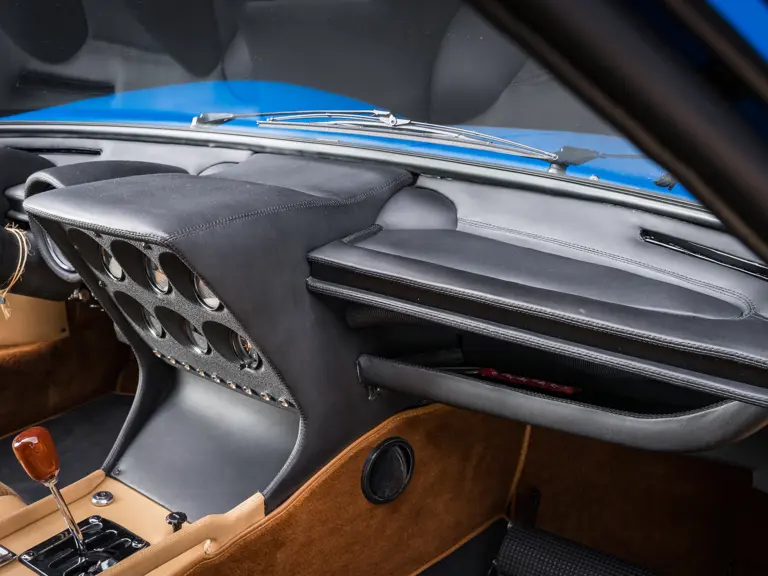
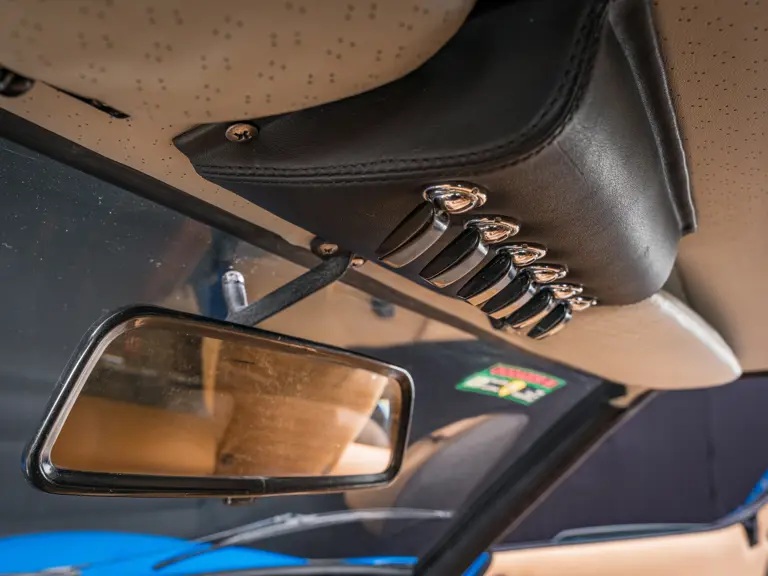
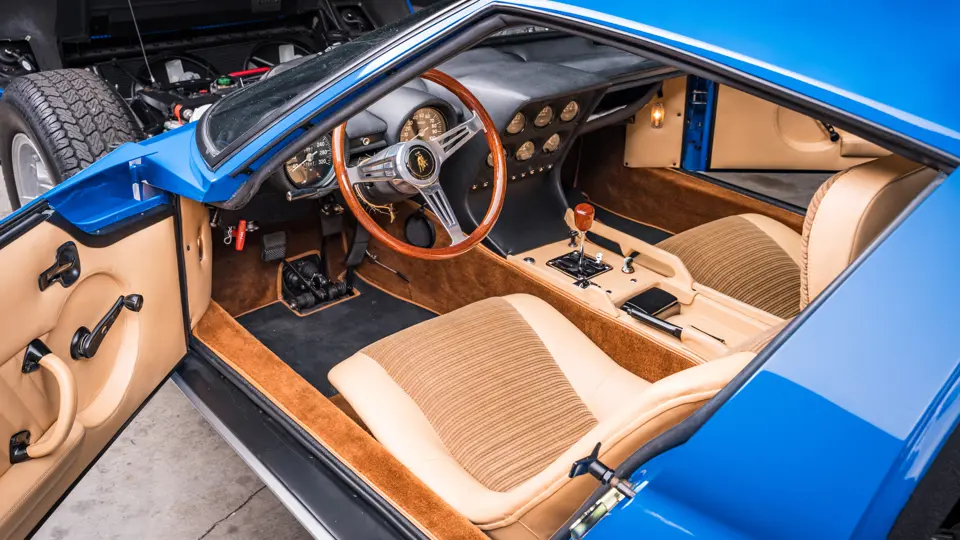
It is worth noting, however, that Kidston’s register is largely based on Bertone records, which have long been known to occasionally contradict factory build logs. Recognizing these discrepancies, at least one Miura authority believes this car should more properly be considered a prototype or pre-production example, considering that many details of 01024 are consistent with the prototypes, including the early “010” chassis number (which was used for approximately only 11 cars); a body that was hand-hammered on a wood buck; nine center-console lights, as opposed to five in later cars; and a lack of seatbelts, back-up lights, and the numerous body stampings that appeared on later Miuras.
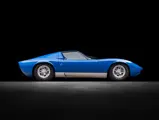
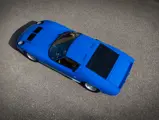
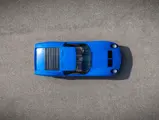
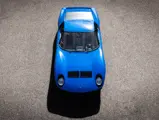
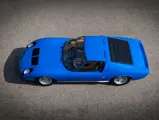
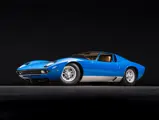
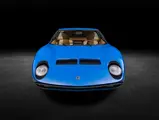
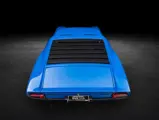
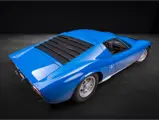
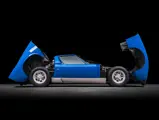
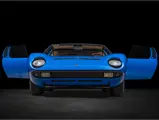
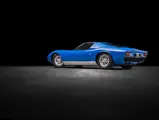
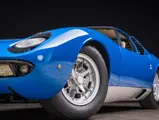
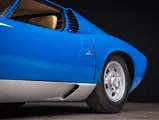
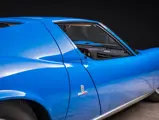
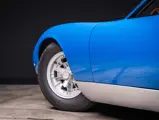
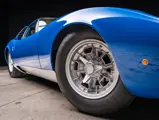
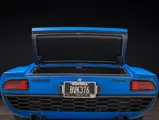
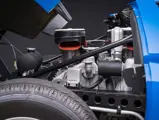
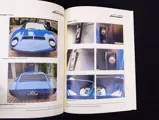
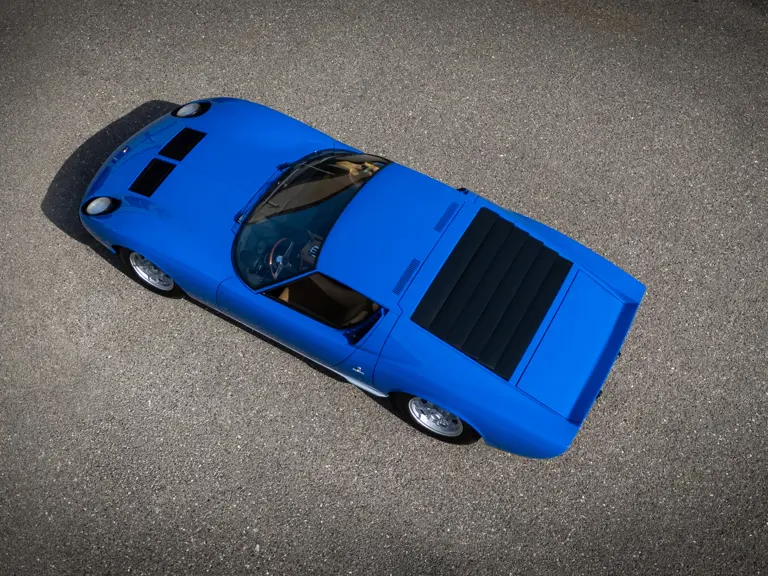
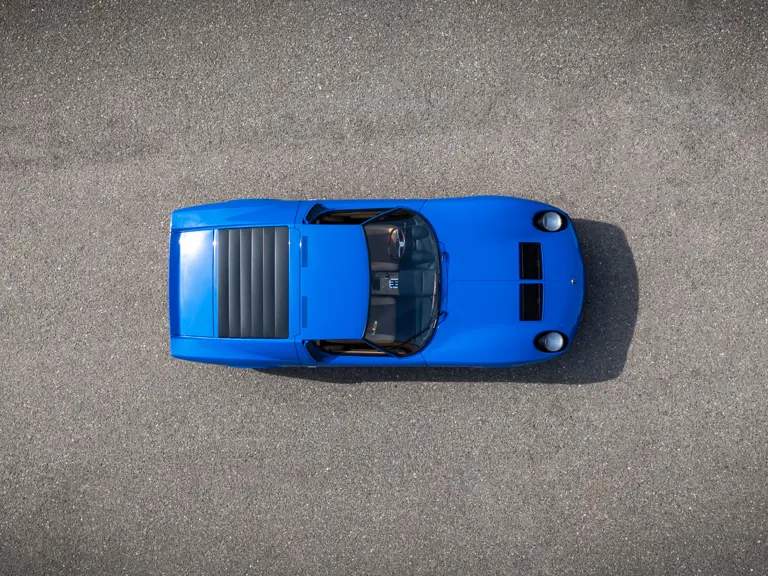
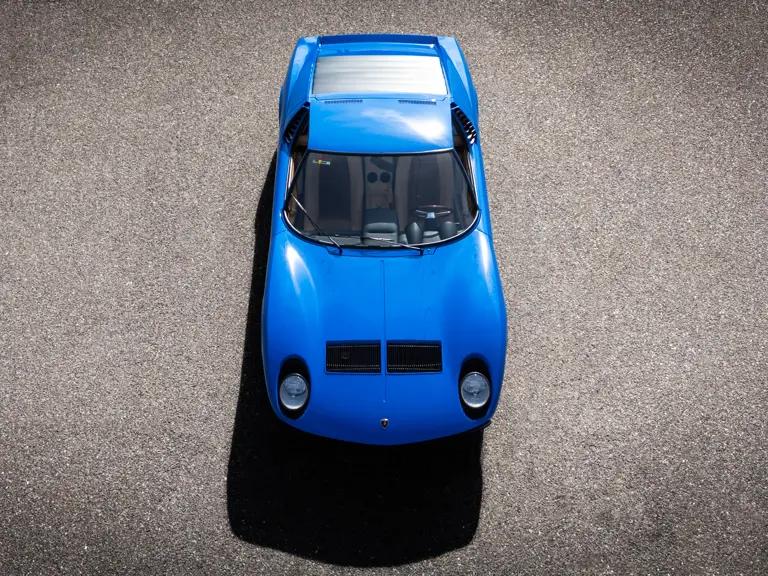
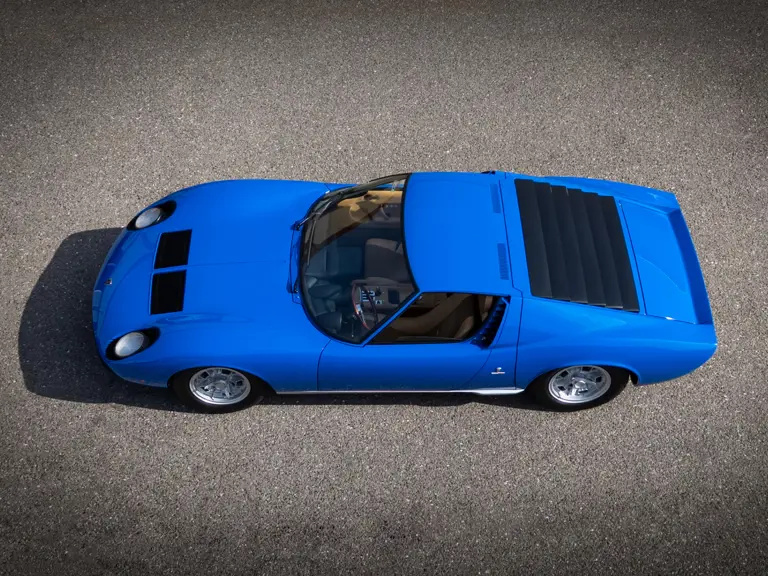
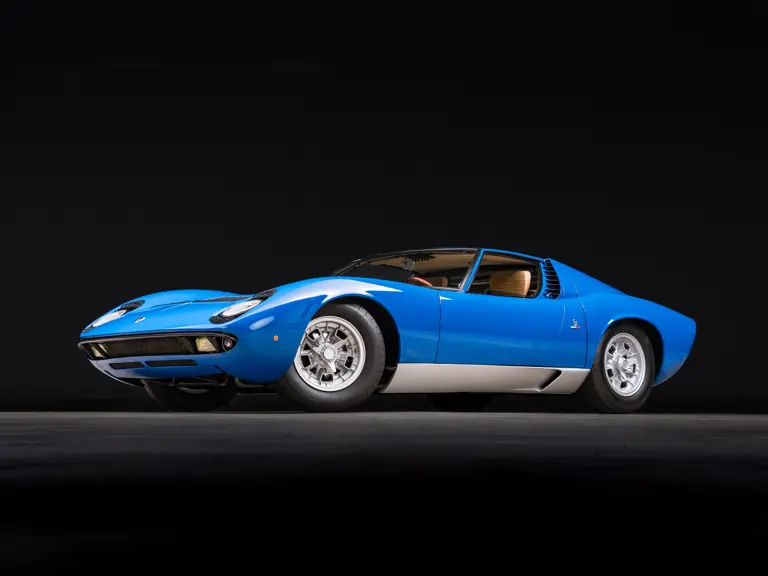
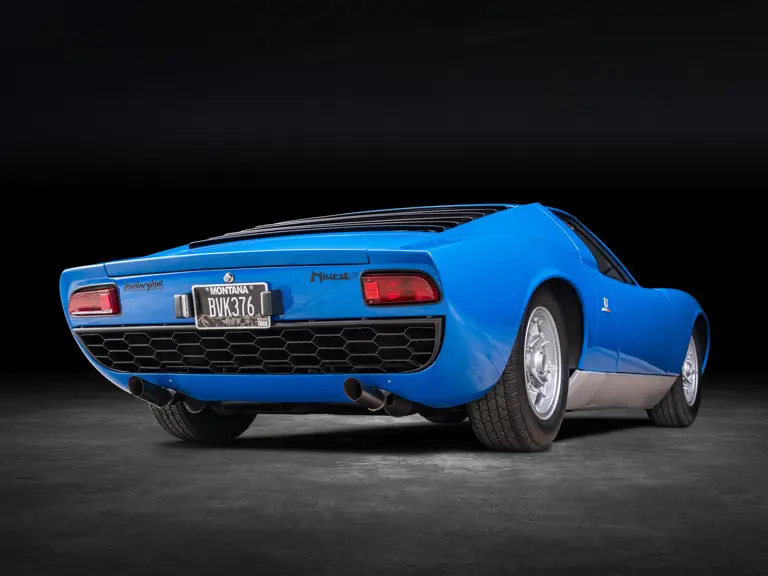
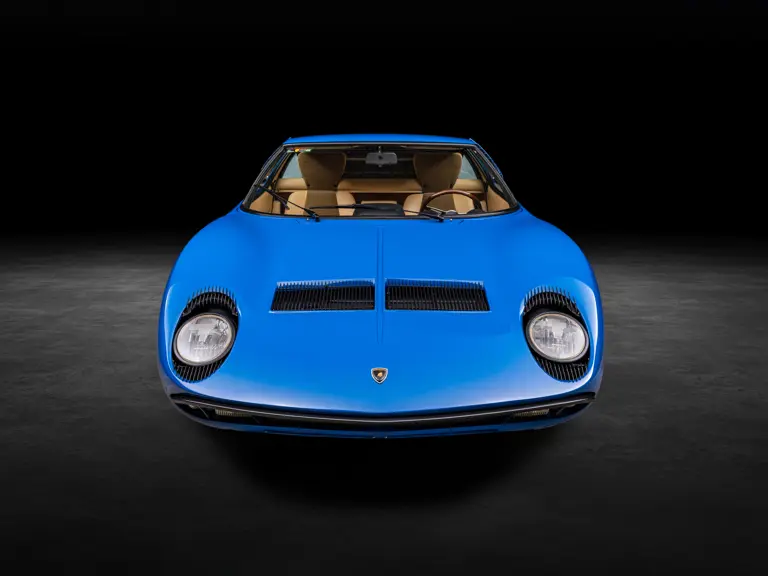
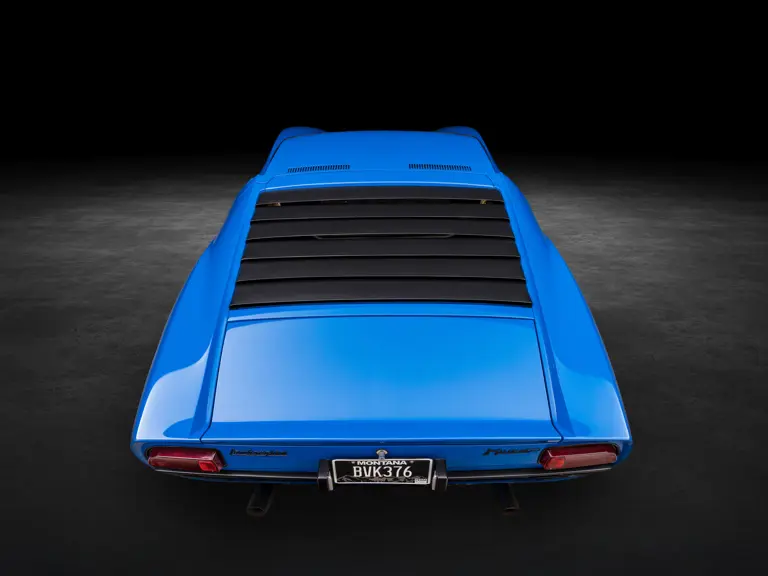
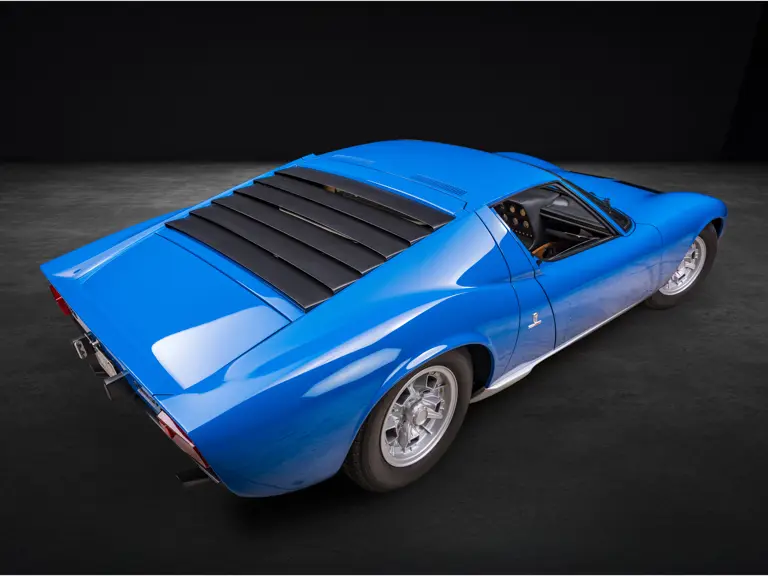
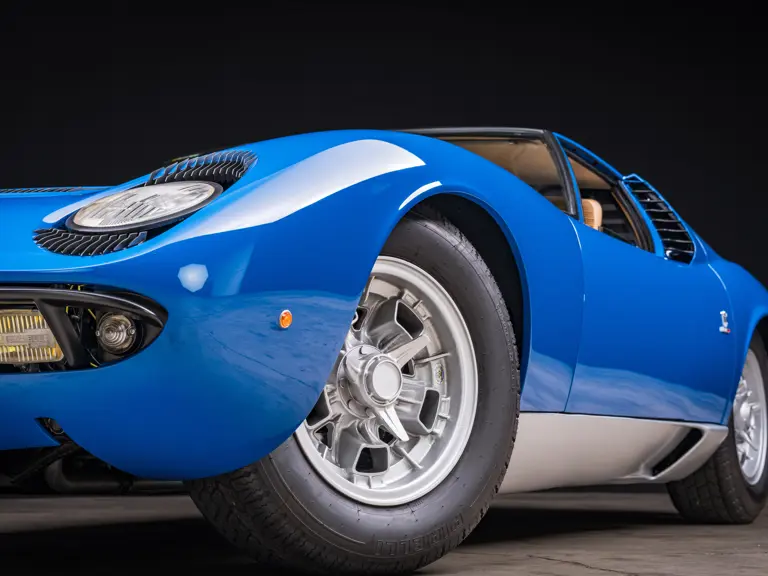
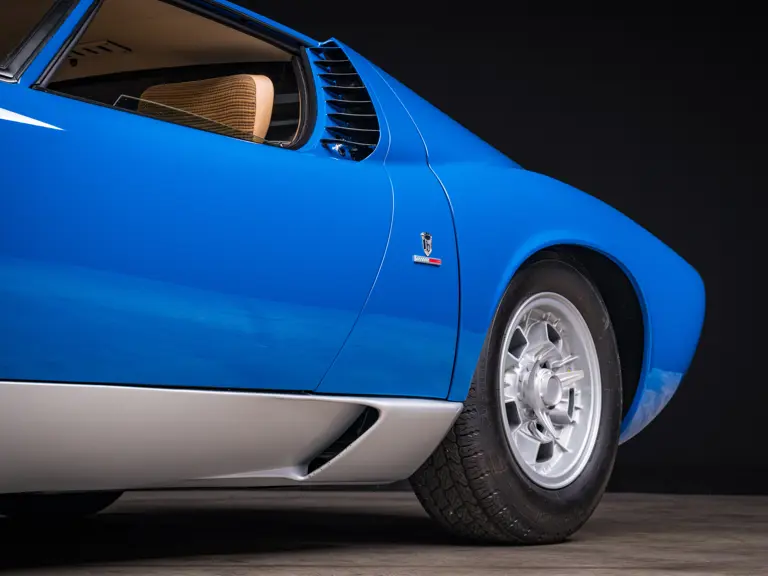
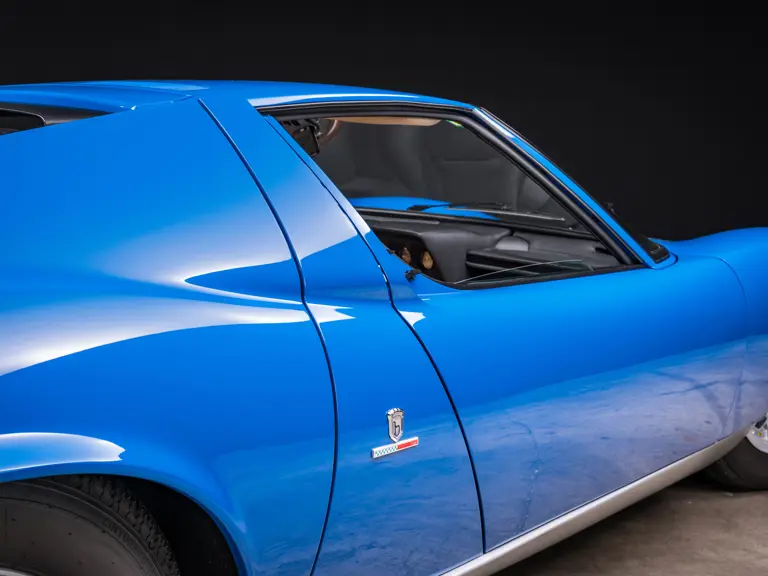
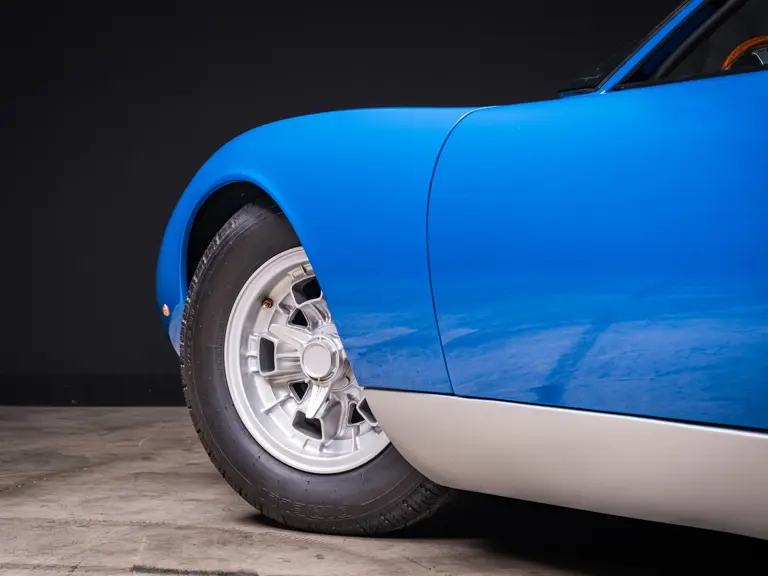
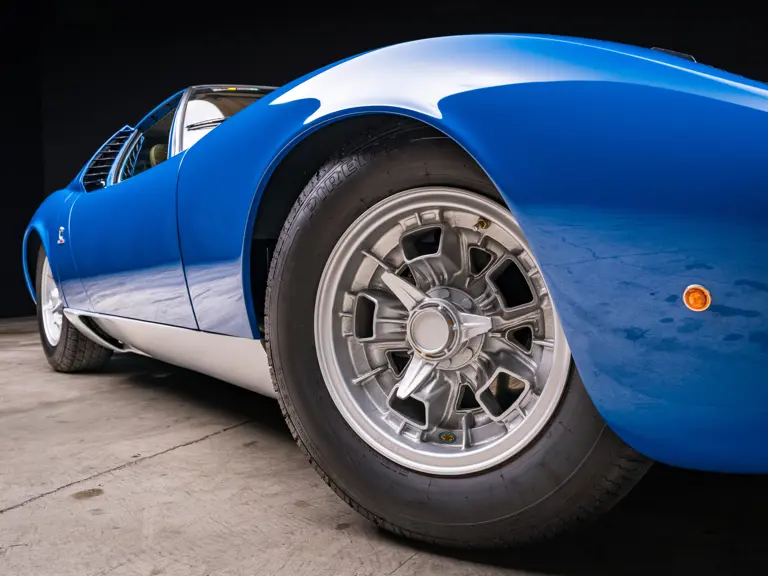
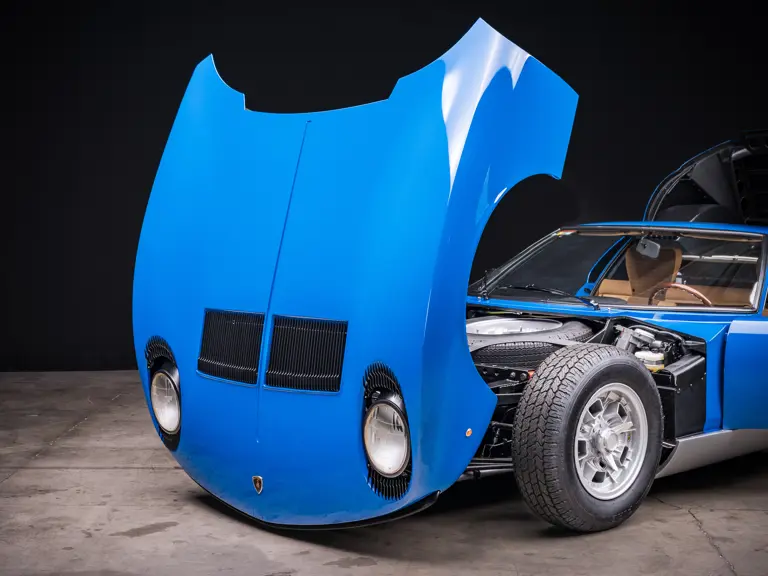
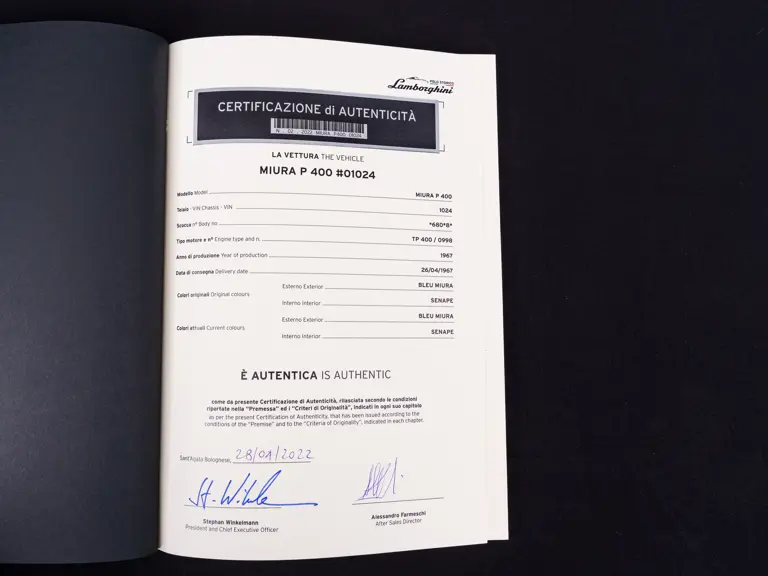
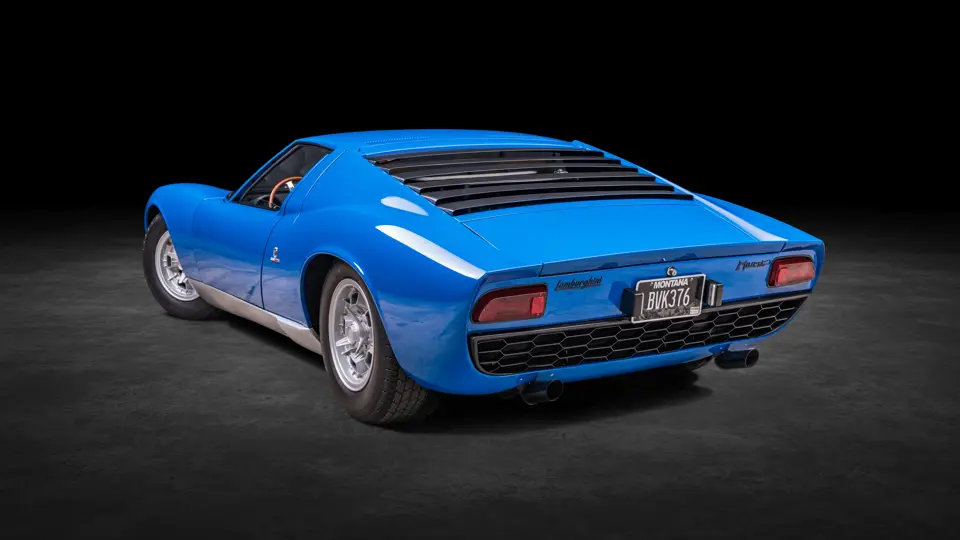
Chassis number 01024 was also the first of just 26 P400 examples to be finished in Bleu Miura paint, which was handsomely complemented with an interior in Senape (a mustard color also known as Gobi). Dispatched in April 1967 to the Milan-based dealer Lamborcar, the Miura was in turn delivered to the first owner, a marque enthusiast named Cappé.
Believed to have been exported to the United States early in its life, the Lamborghini proceeded through currently unknown ownership before being offered in August 1992, by which point the coachwork had been repainted in red. The Miura was then purchased by Dr. George Primbs, an ophthalmologist and eye surgeon residing in Santa Barbara, California, who went on to retain possession for over two decades. Following a remarkable 25-year period of care, the P400 was sold in December 2016 to the current owners, discerning marque enthusiasts based in Northern California.
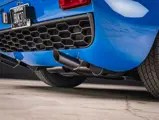
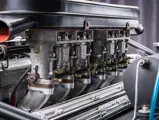
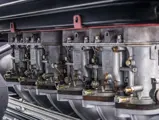
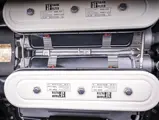
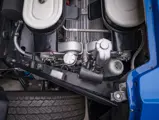
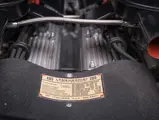
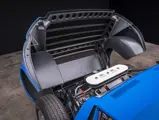
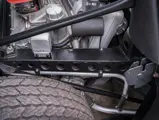
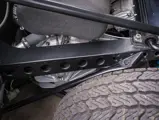
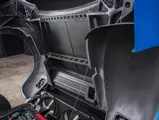
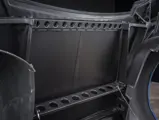
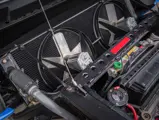
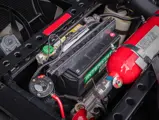
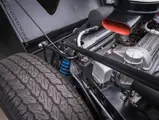
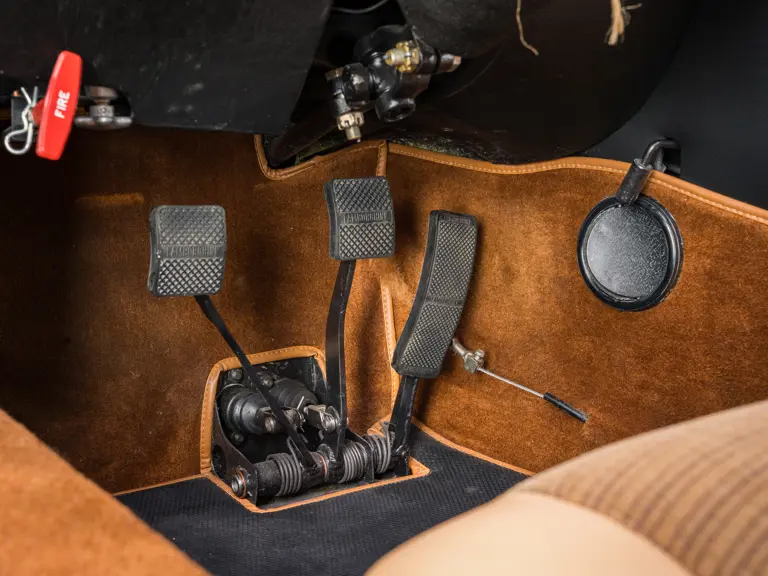
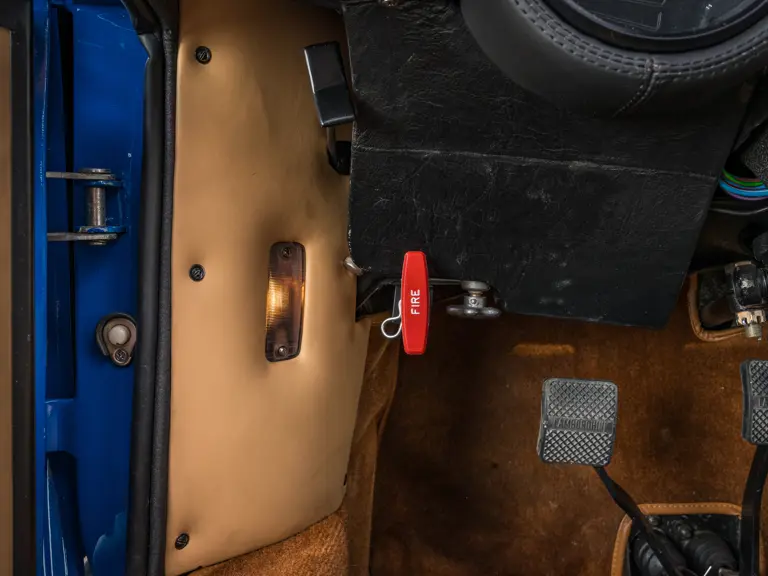
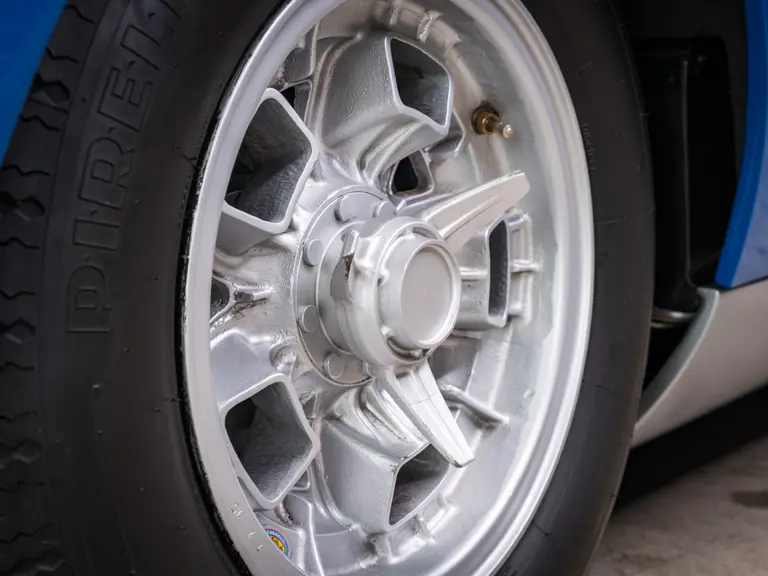
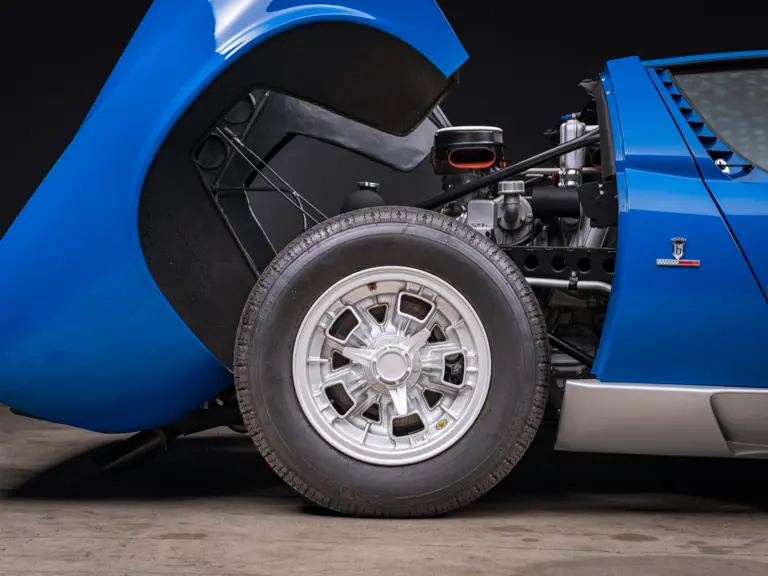
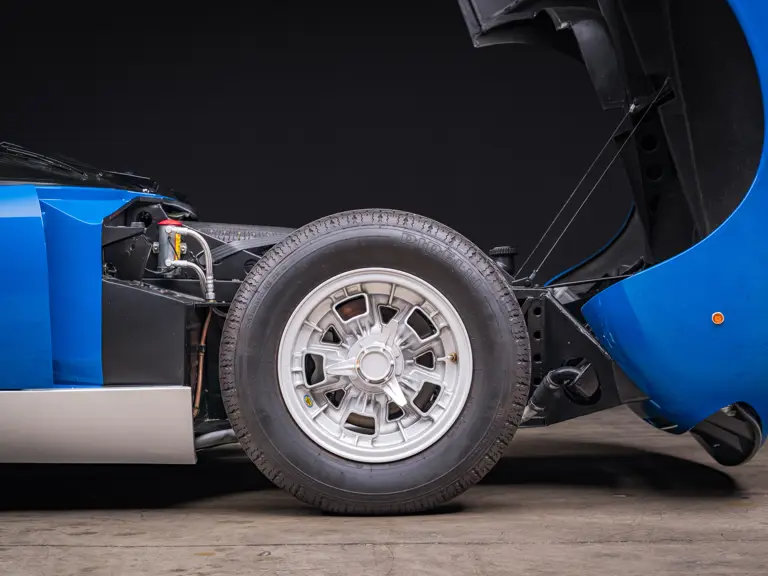
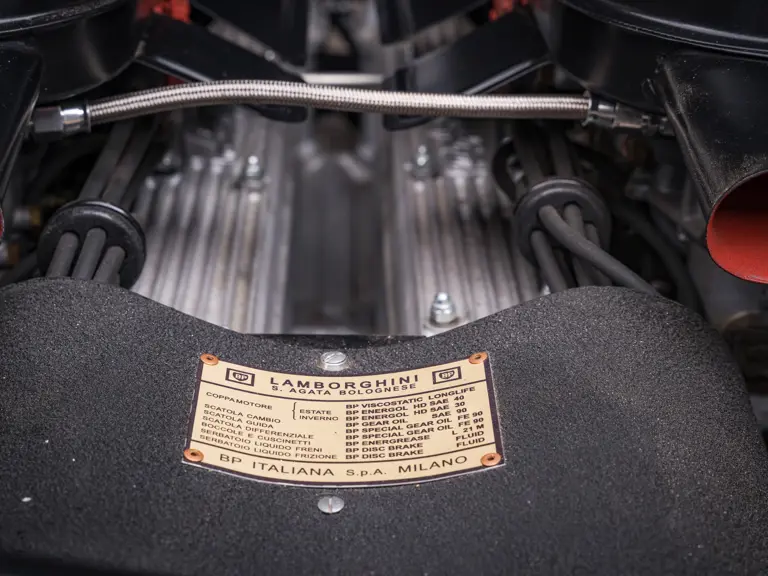
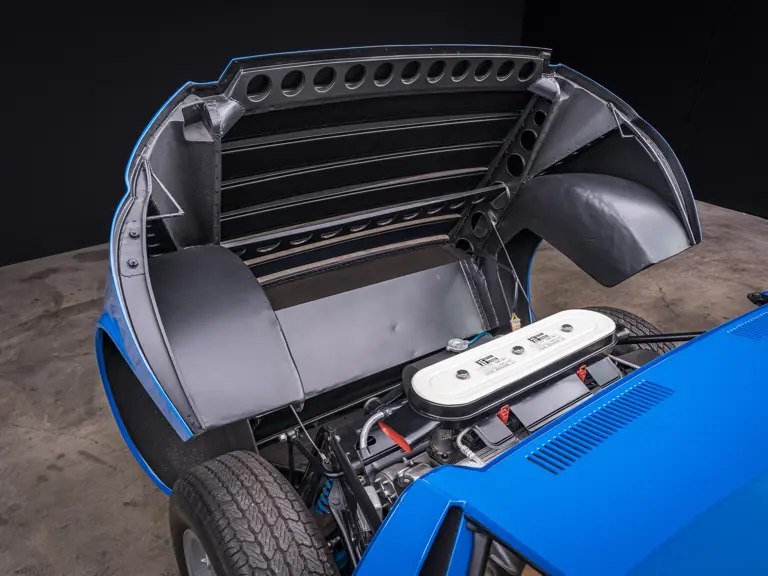
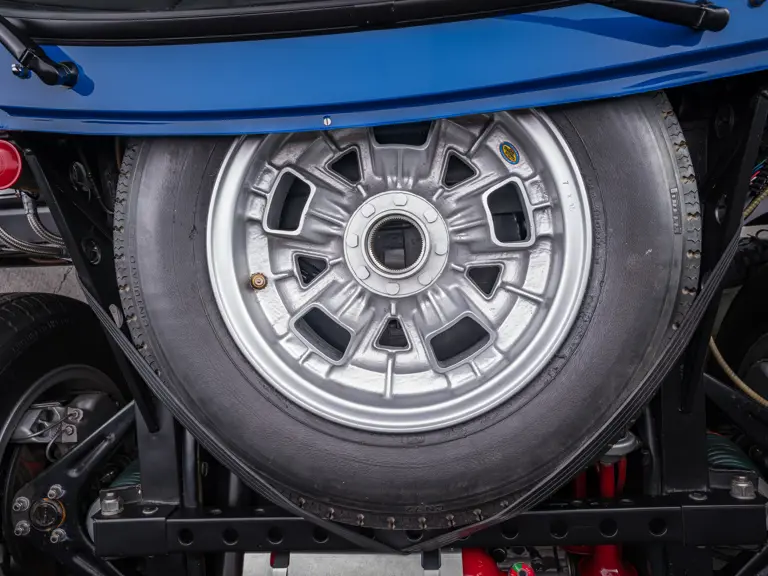
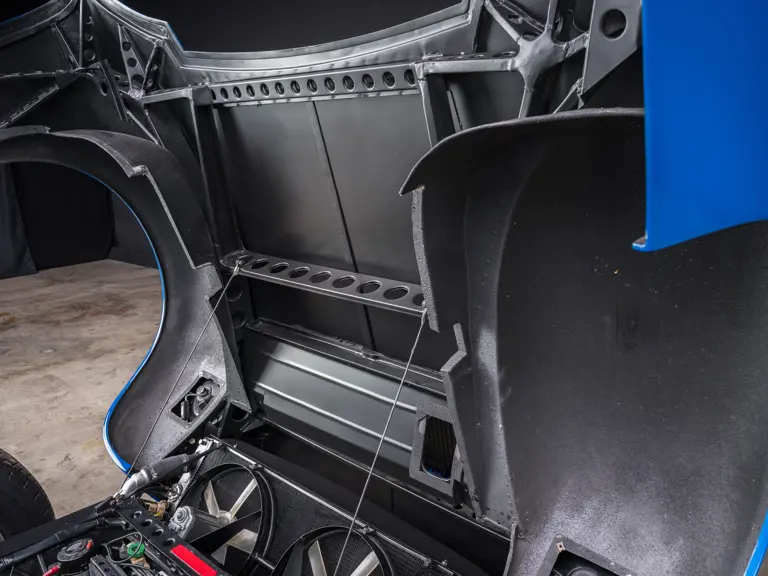
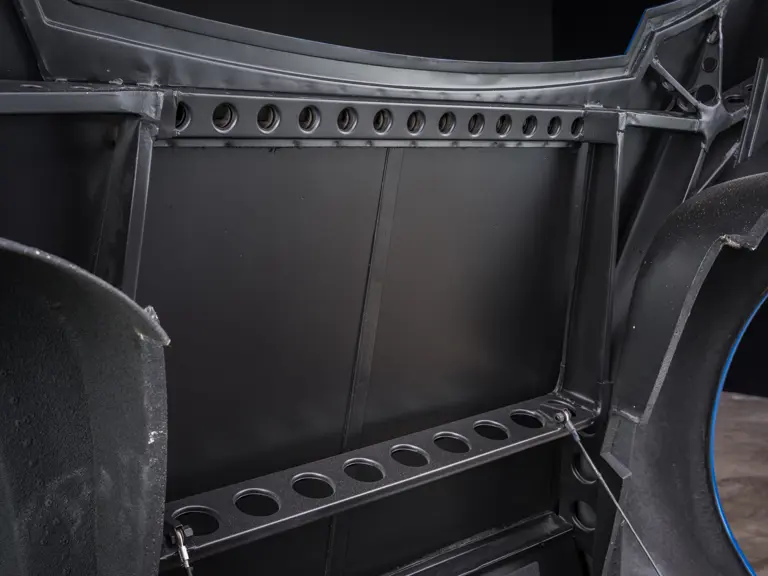
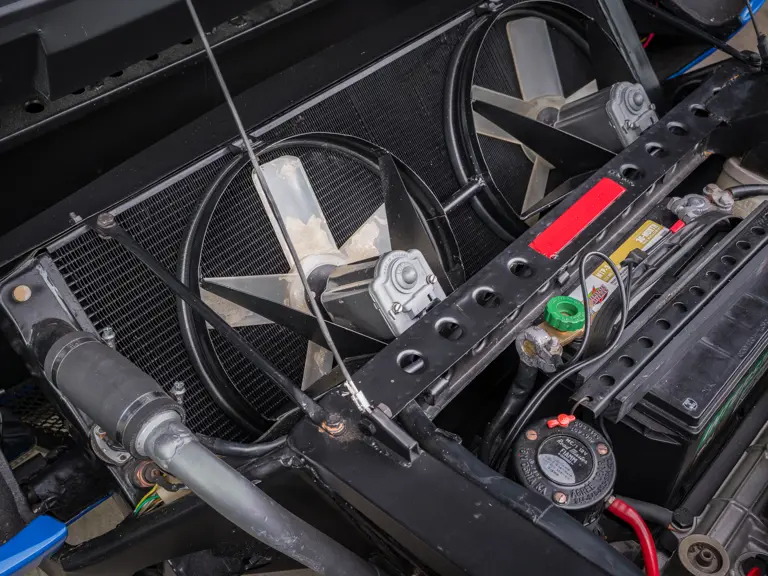
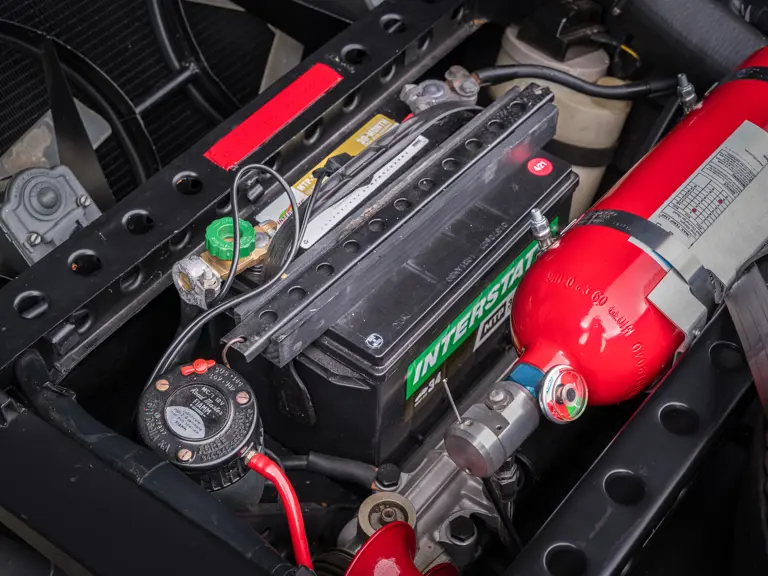
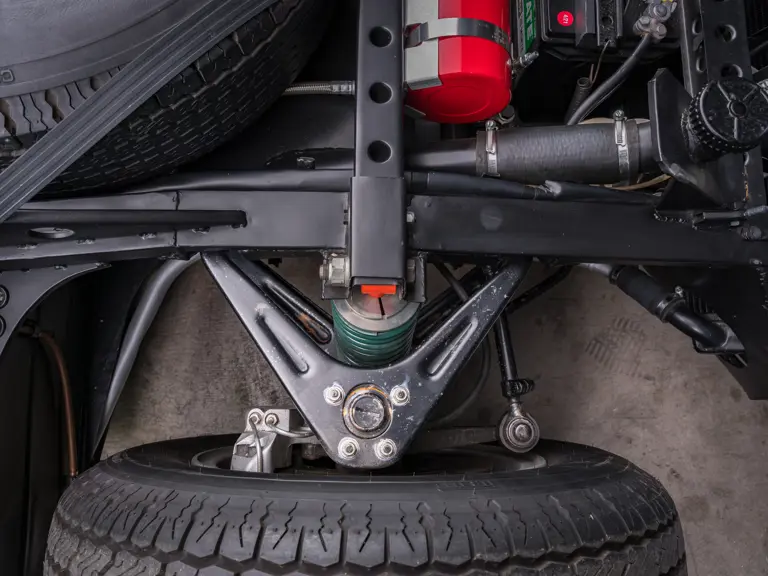
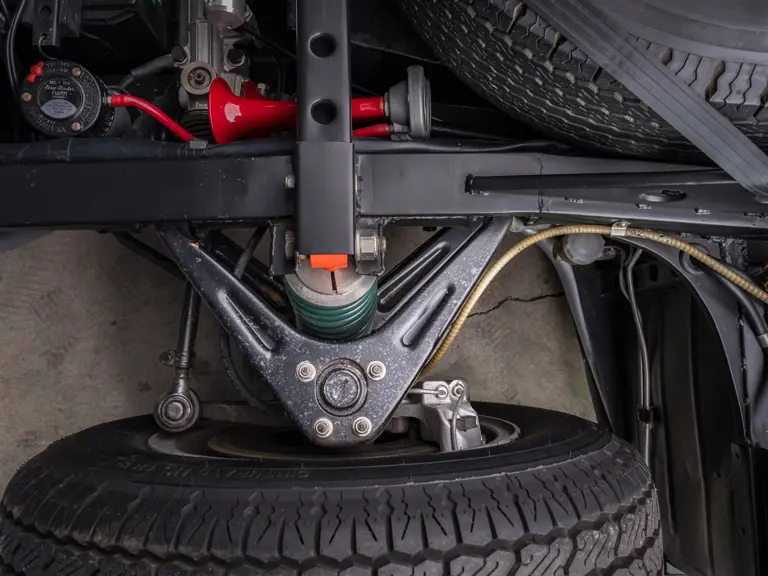
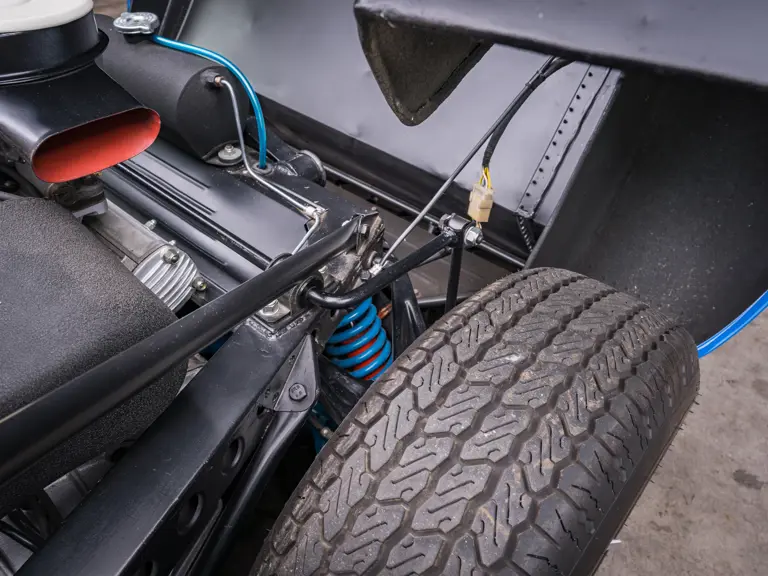
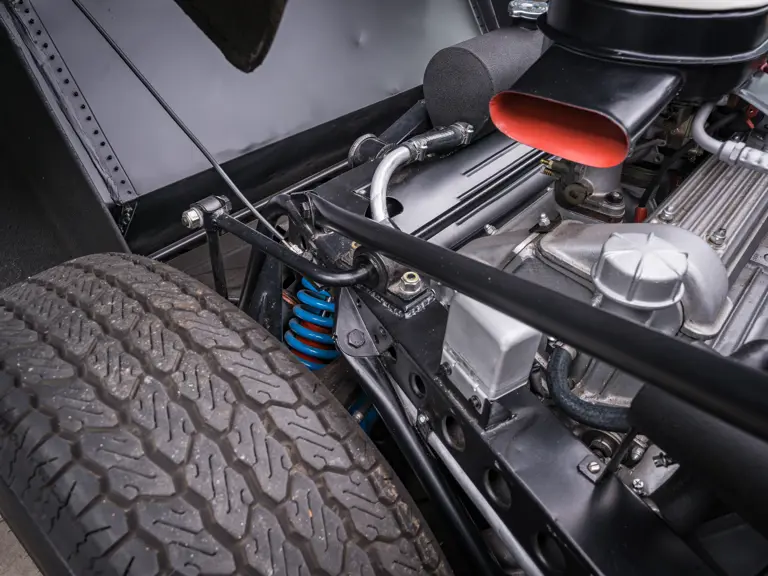
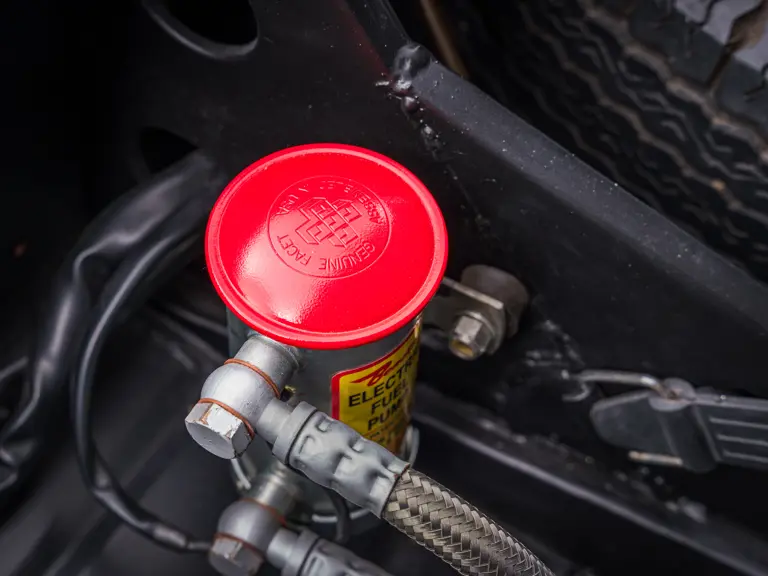
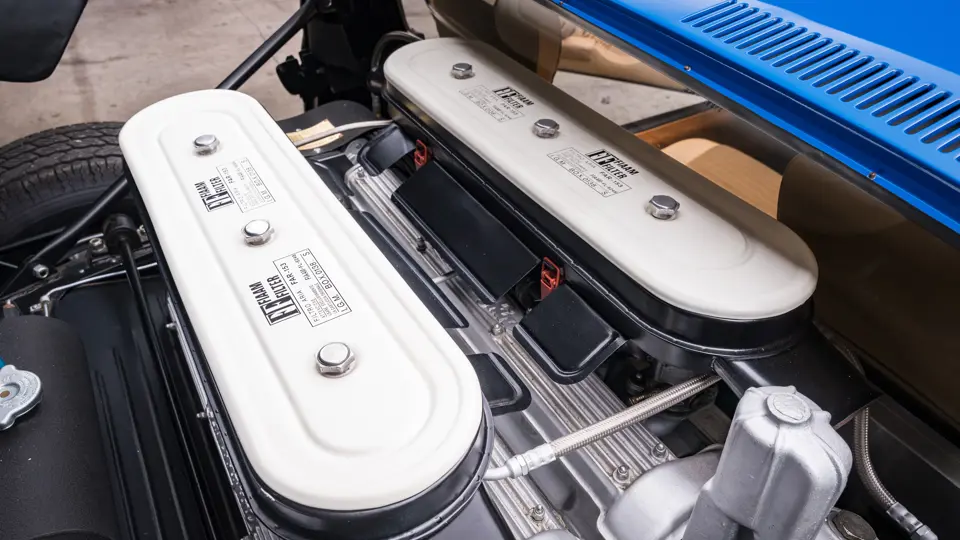
The new owners immediately submitted the Lamborghini to the Bobileff Motorcar Company, one of the world’s foremost experts in Miura restorations. Chassis number 01024 was then comprehensively refurbished to factory standards over the next four-plus years. This work included several upgrades for enhanced safety and drivability, including reinforcement of the internal gussets in the frame for improved rigidity, and upgrades to the electrical system and fire safety system. This meticulous work was undertaken with the late former Lamborghini Development Engineer Claudio Zampolli in consultation to ensure optimal execution. Additionally, the engine and gearbox received a split-sump modification (similar to the design of later cars), which substantially improves component longevity by eliminating shared lubrication.
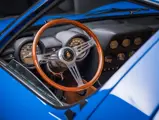
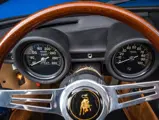
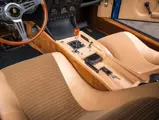
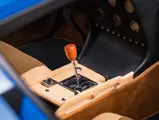
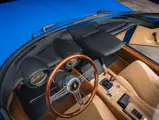
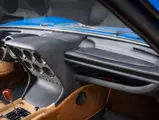
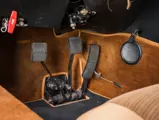
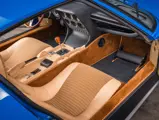
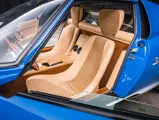
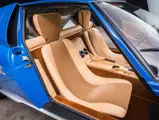
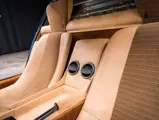
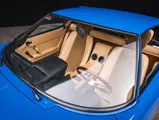
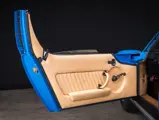
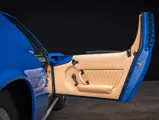
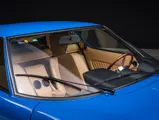
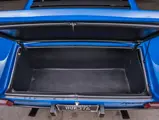
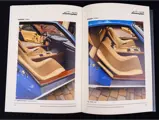
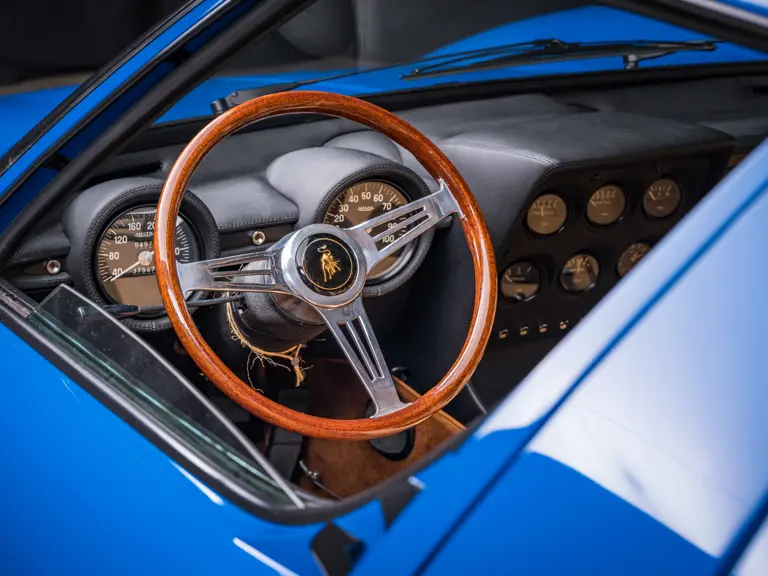
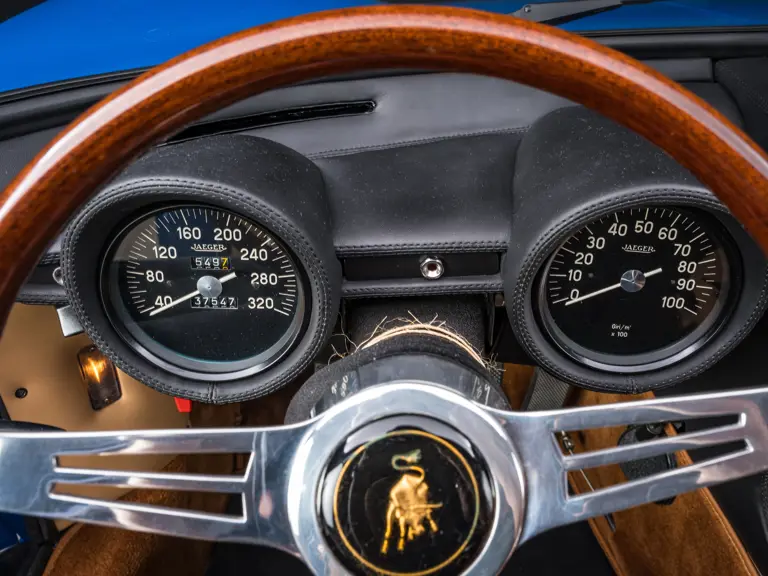
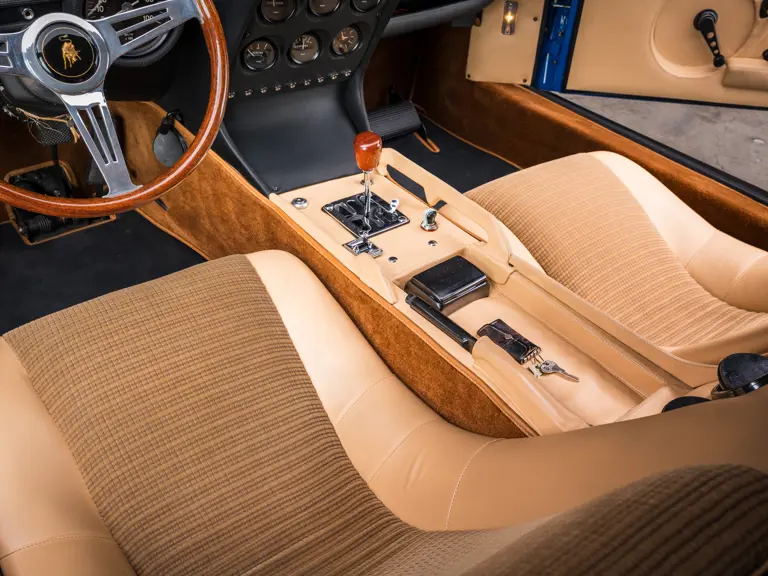
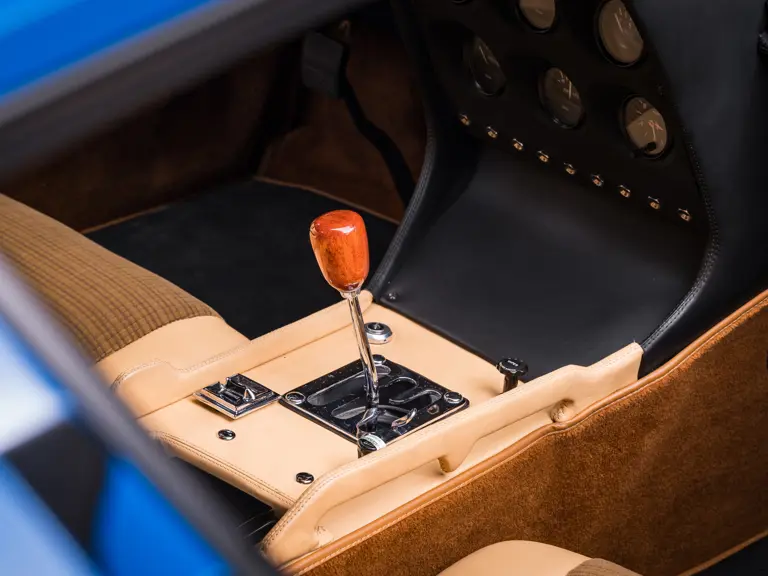
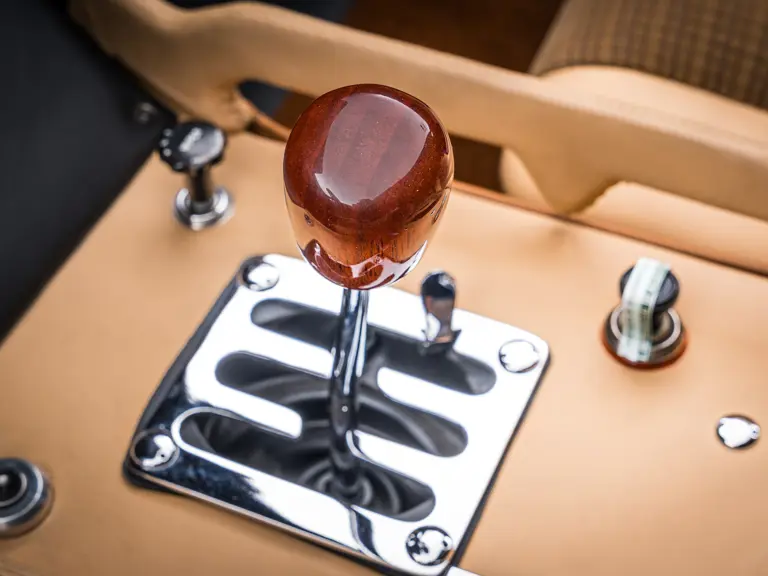
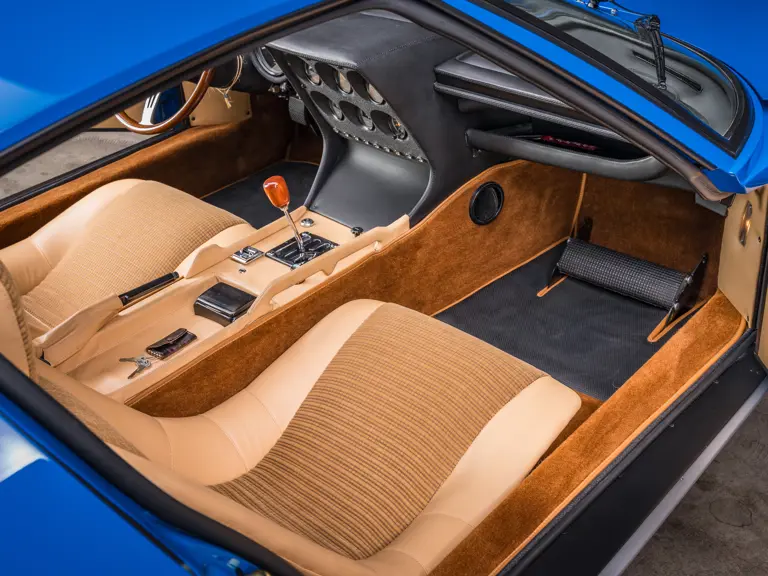
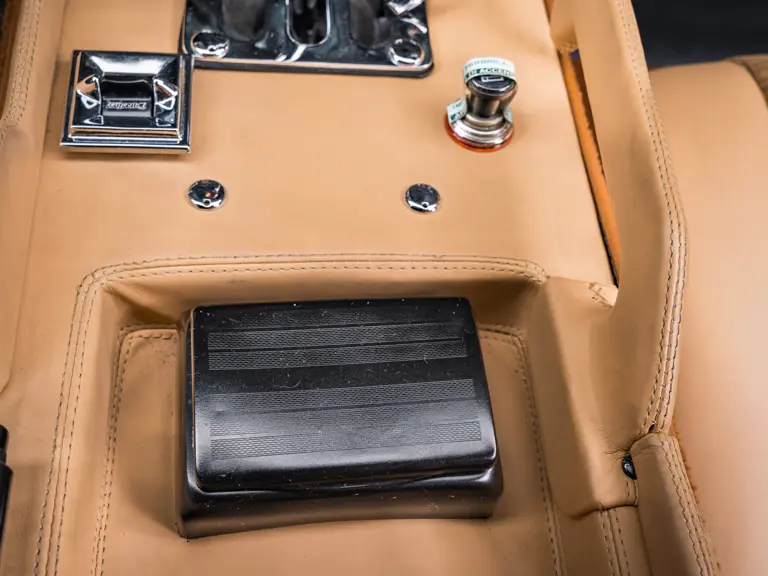
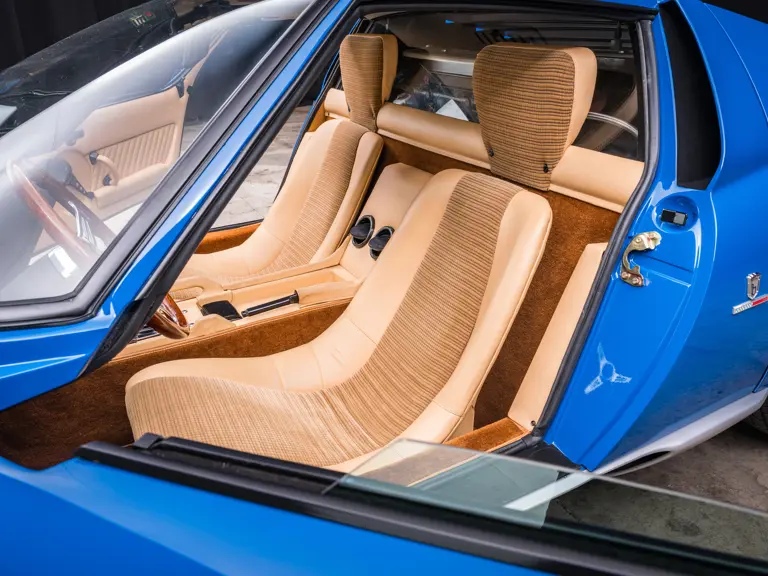
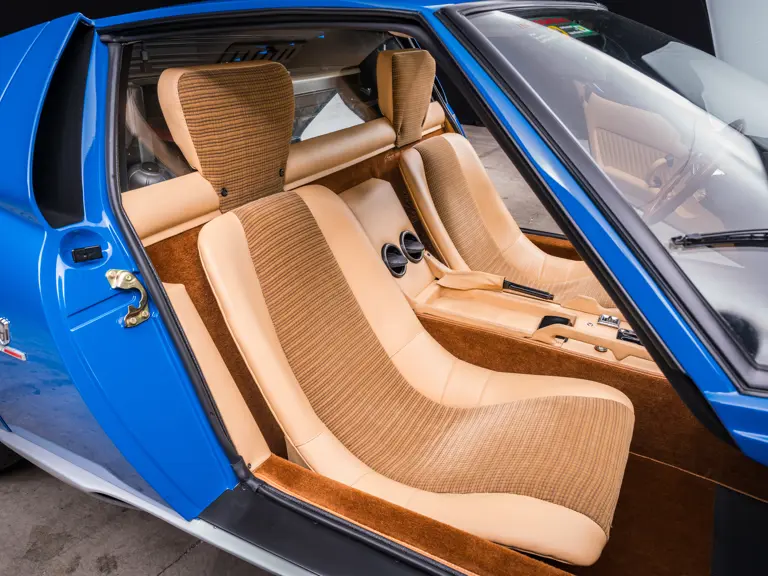
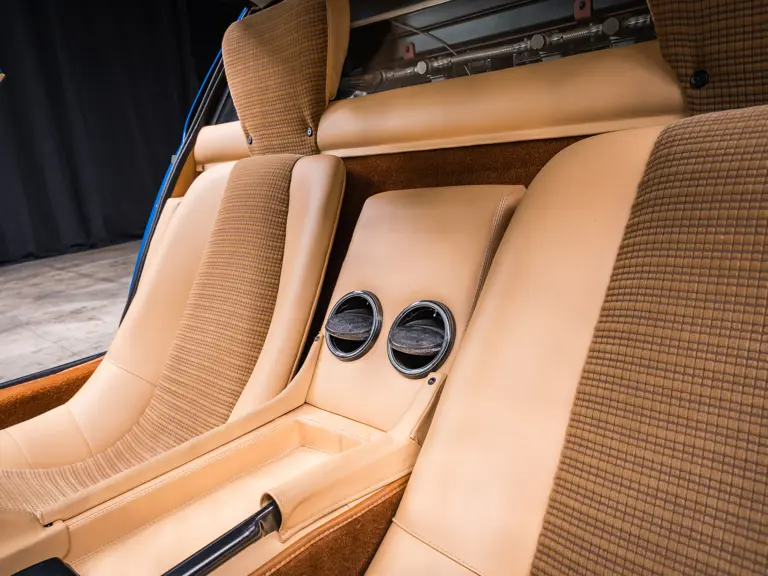
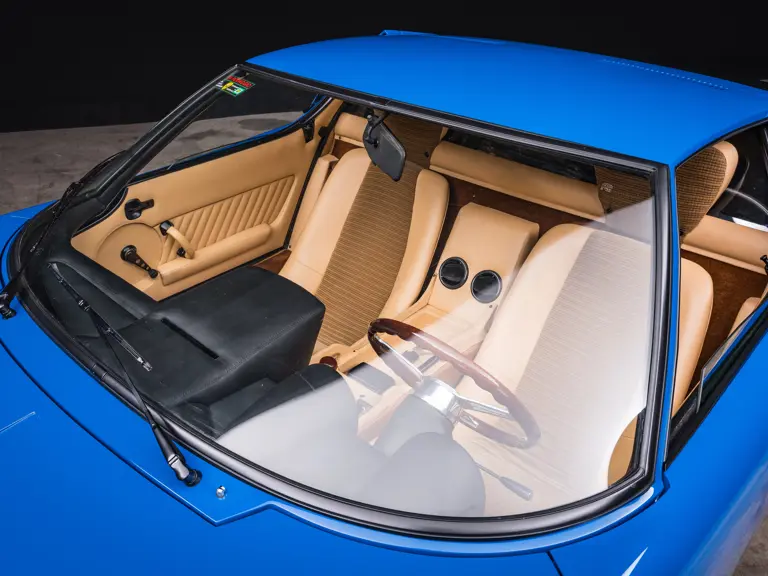
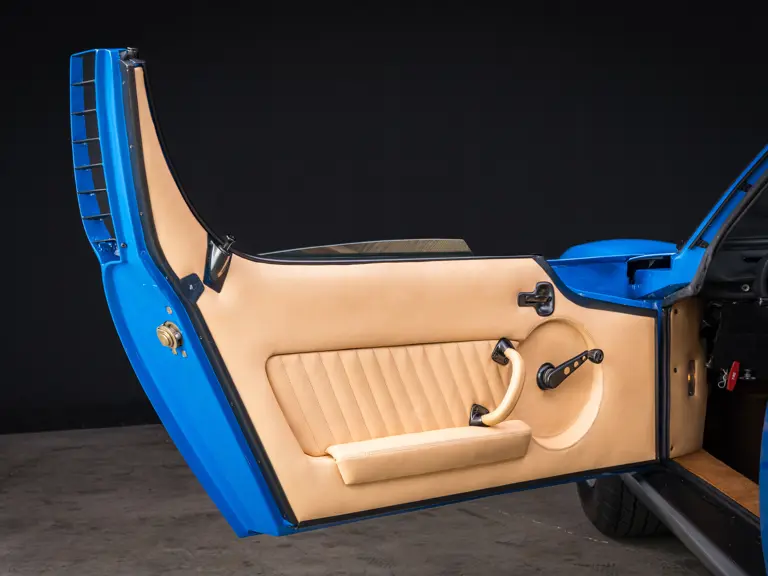
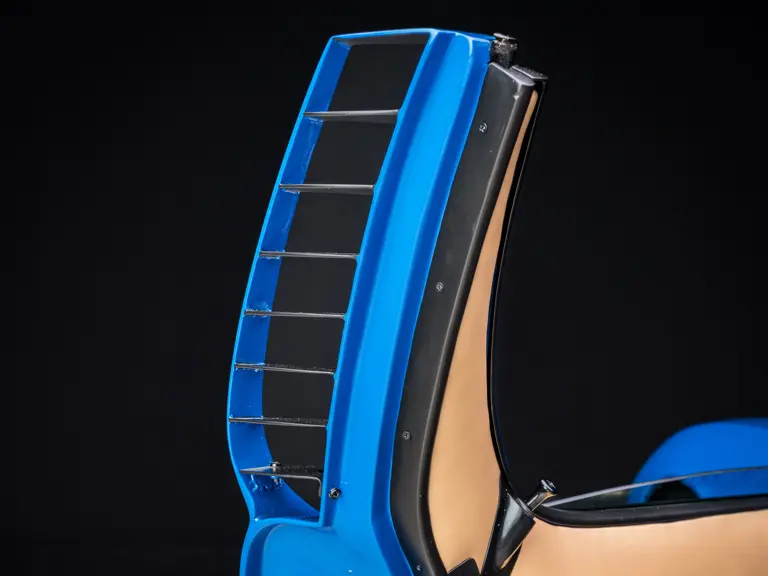
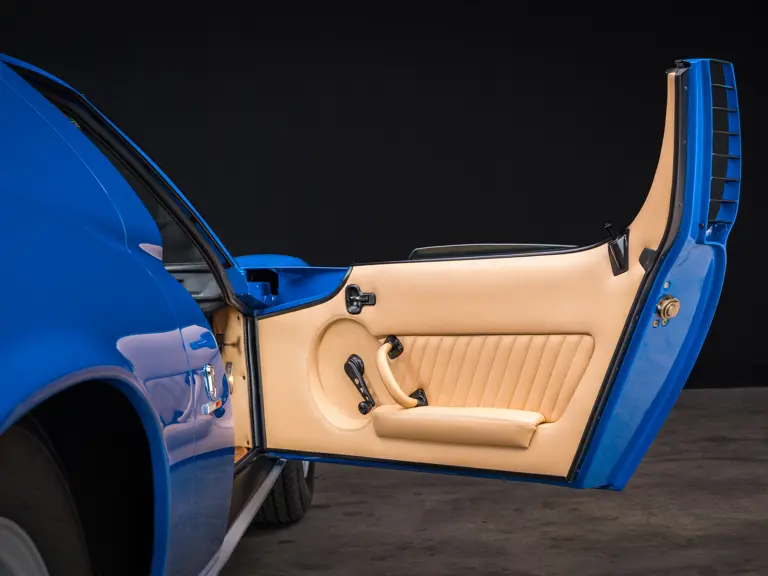
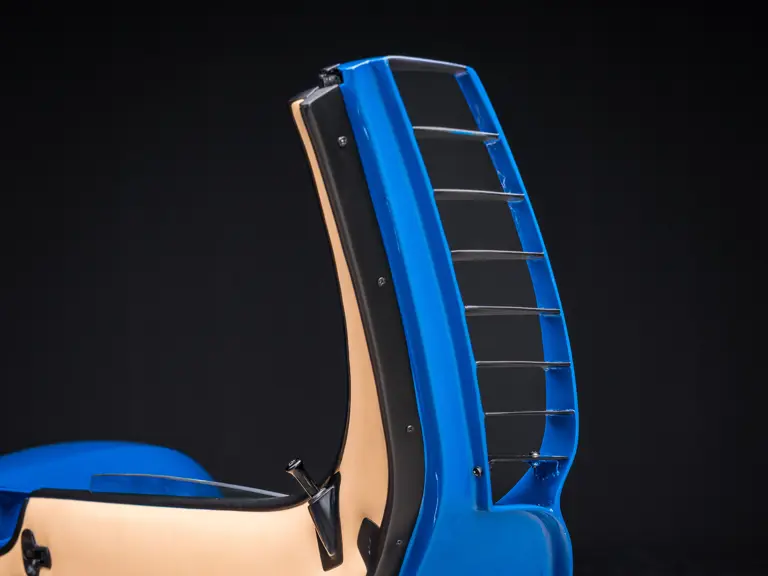
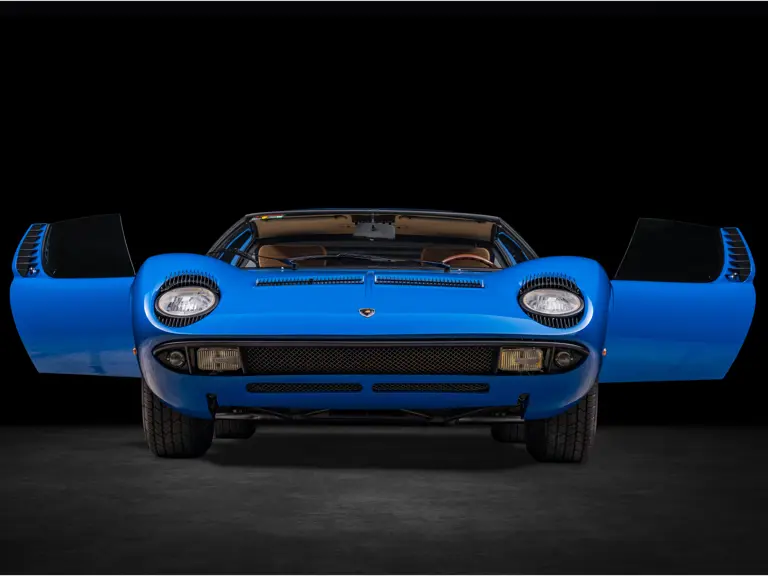
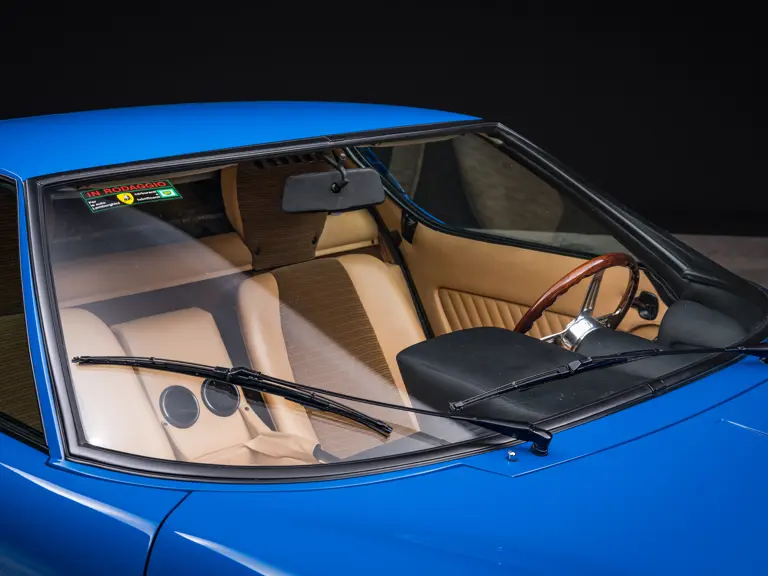
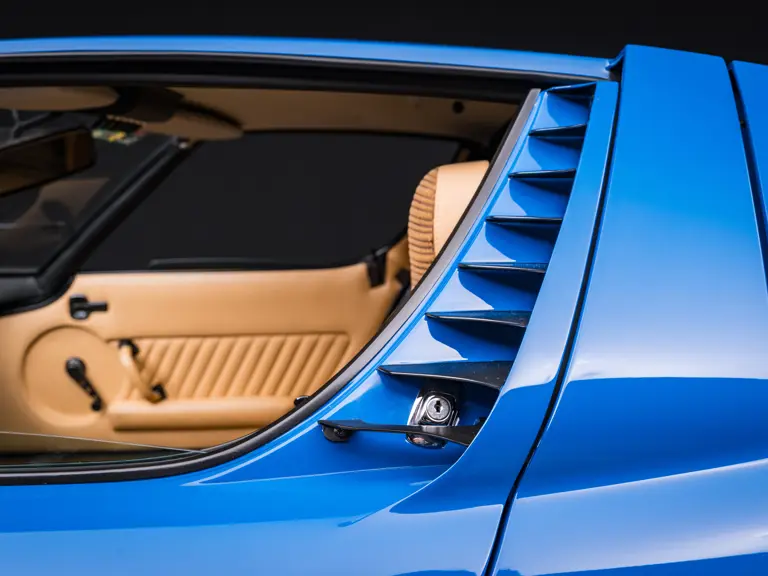
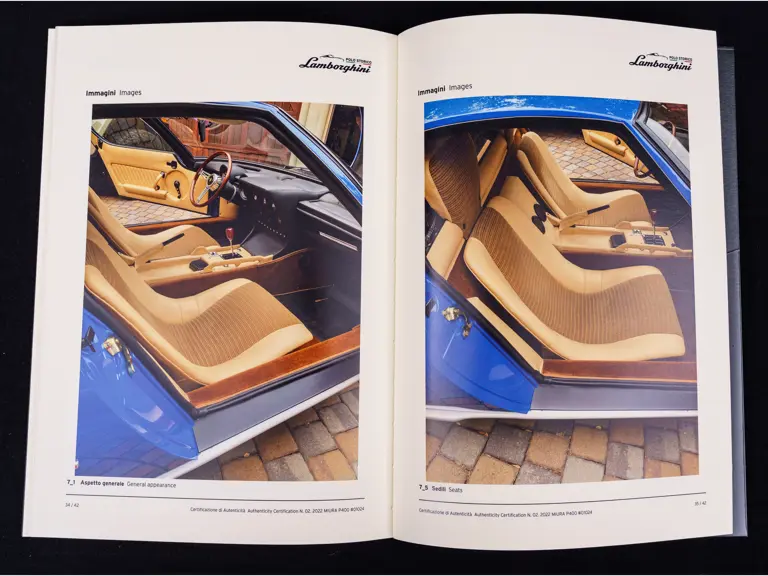
The refurbishment also included a return to the beautiful factory-original color combination of Bleu Miura over Senape. Because the owners wished to create an even more beautiful and elegant interior, and because Lamborghini factory logs record the car was originally upholstered in Pelle, a choice was made to re-trim the cockpit and seats in a light ivory leather, with complementary fabric inserts woven by the original period OEM vendor, and Senape carpeting. The dashboard, which was trimmed in black leather when the consignors discovered the car, and which they believe to be original, was reupholstered in Nero, making for a magnificent interior livery.
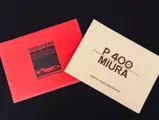
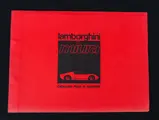
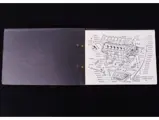
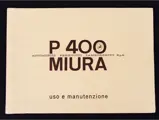
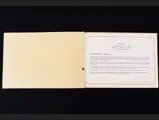
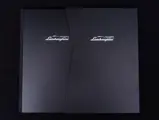
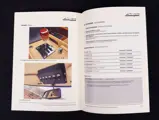
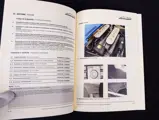
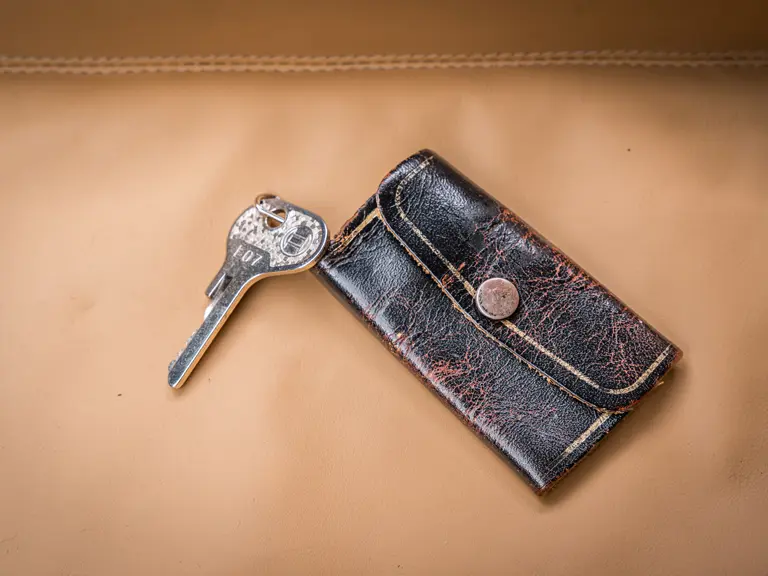
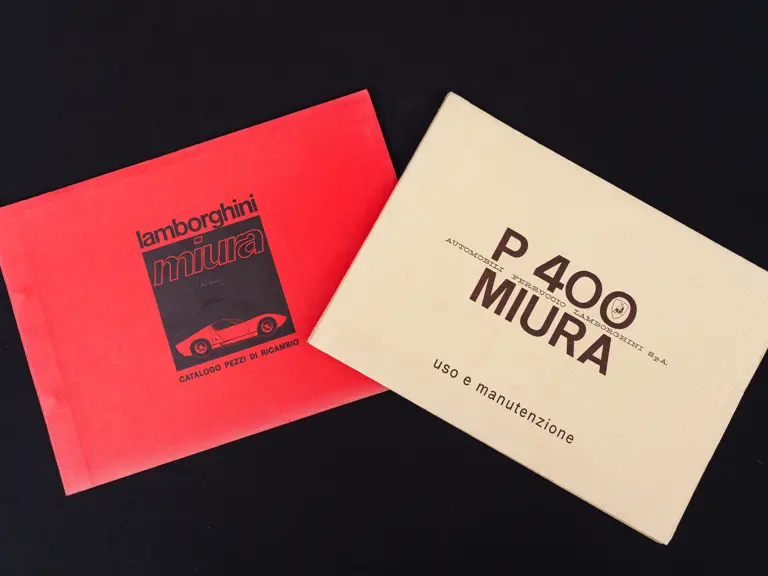
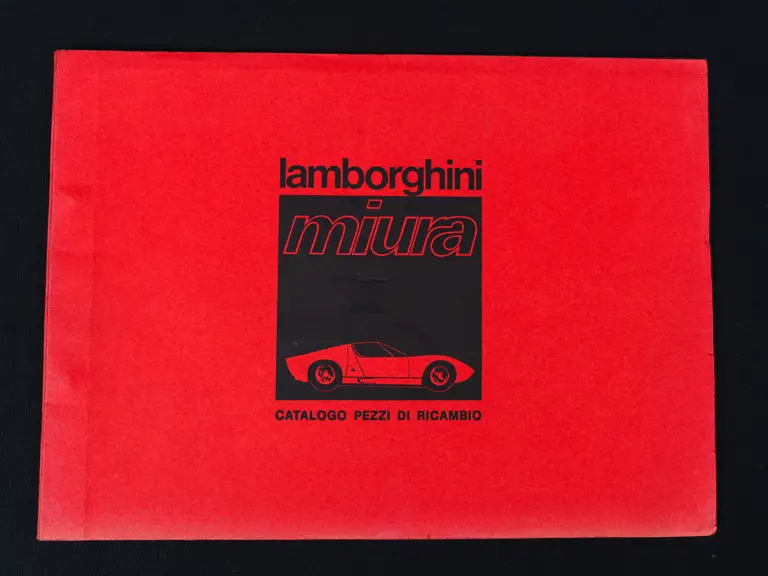
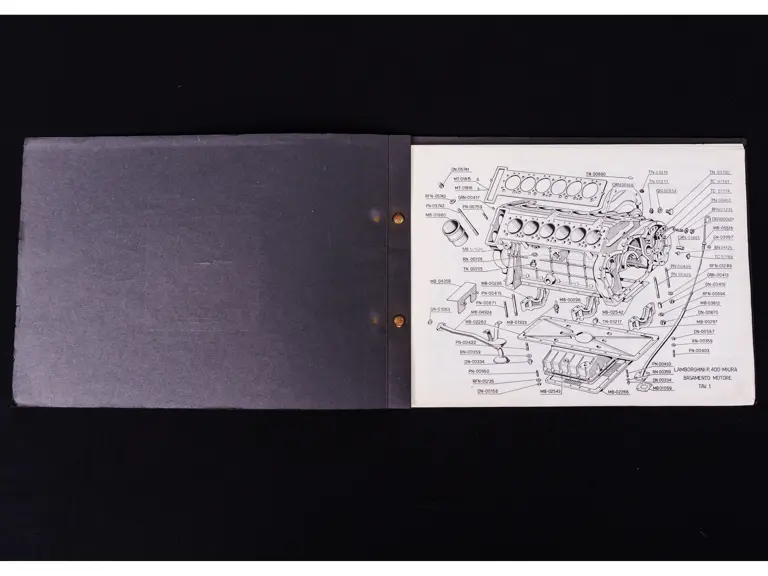
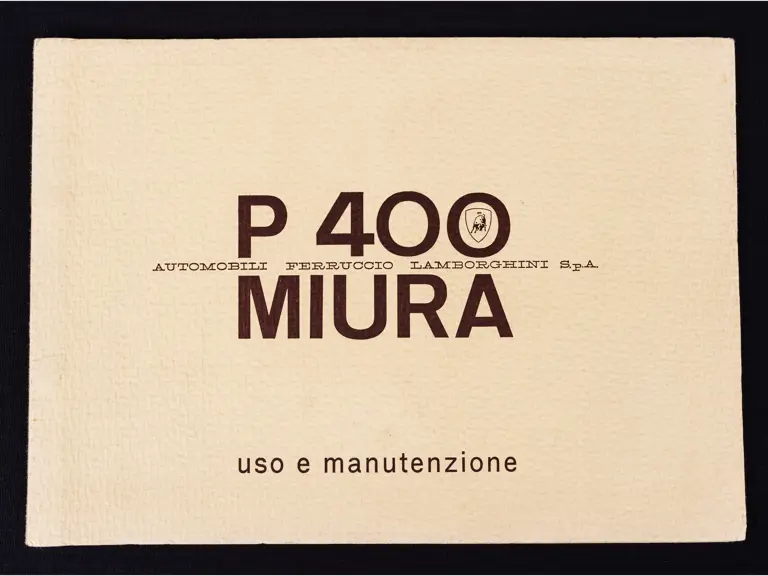
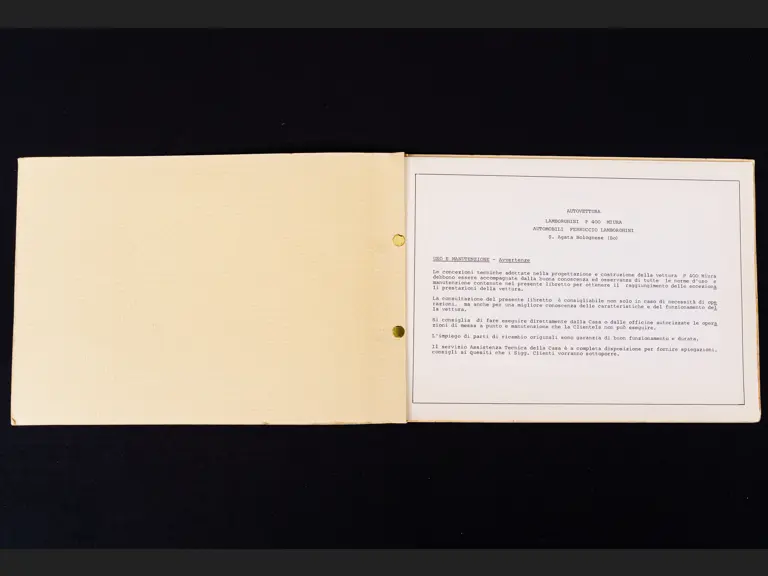
In order to maximize the Miura’s presentation, the consignors went to great lengths and expense to acquire an original owner’s manual and parts catalogue from a collector in Germany. These extremely rare period books are in exceptional condition and greatly enhance the Lamborghini’s overall completeness and authenticity.
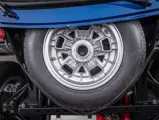
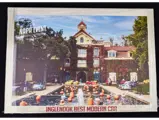
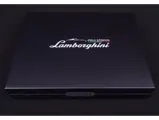
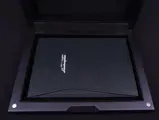
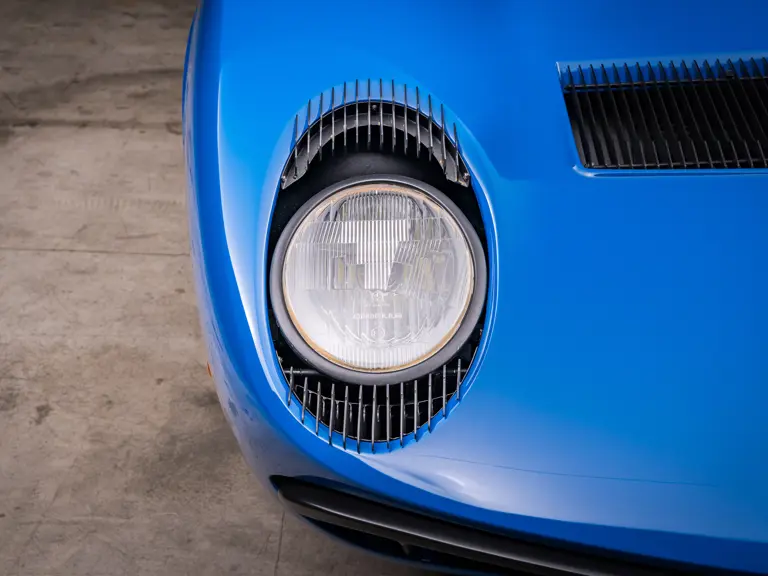
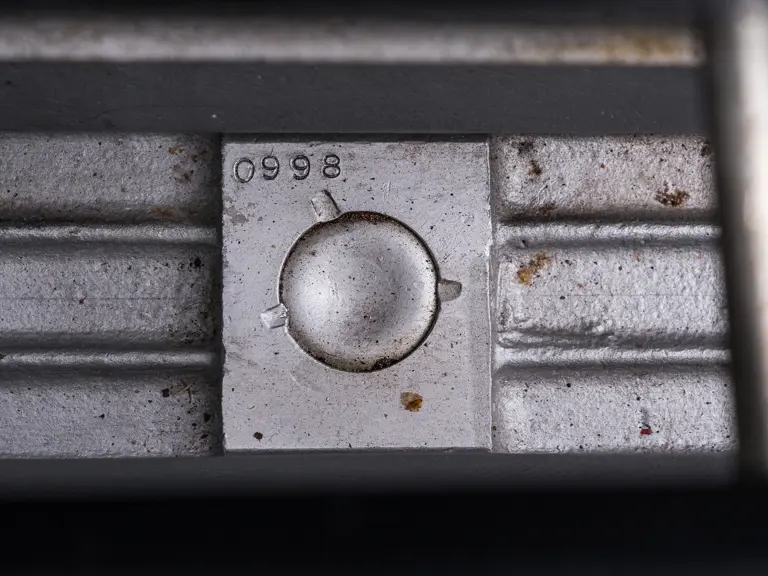
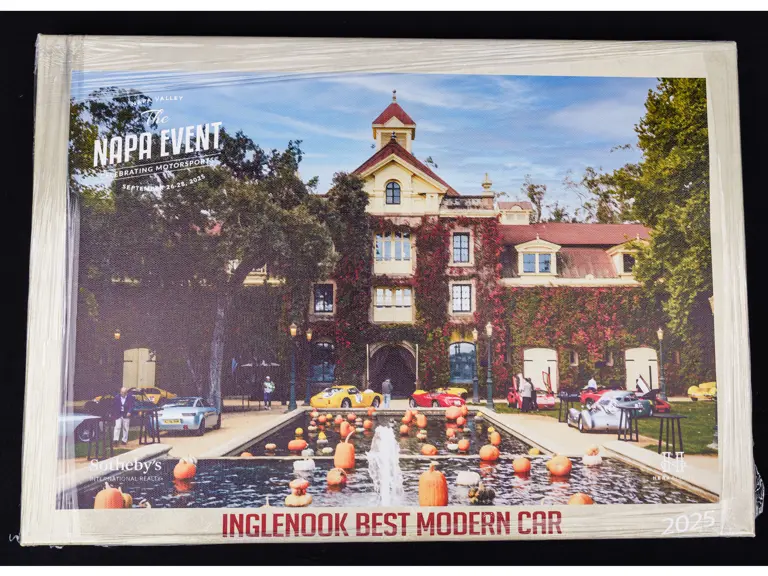
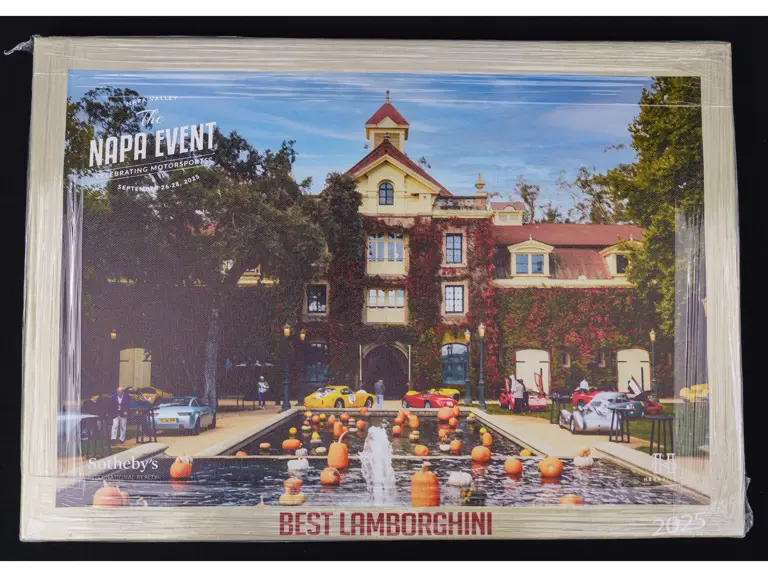
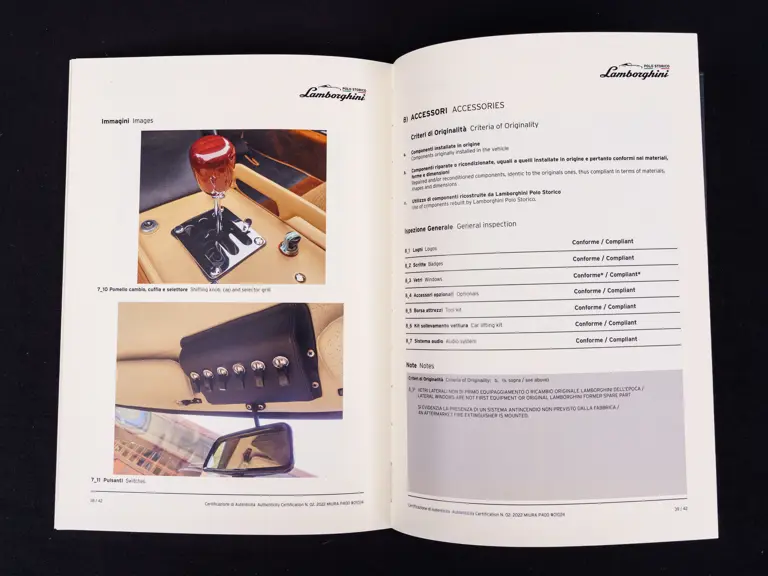
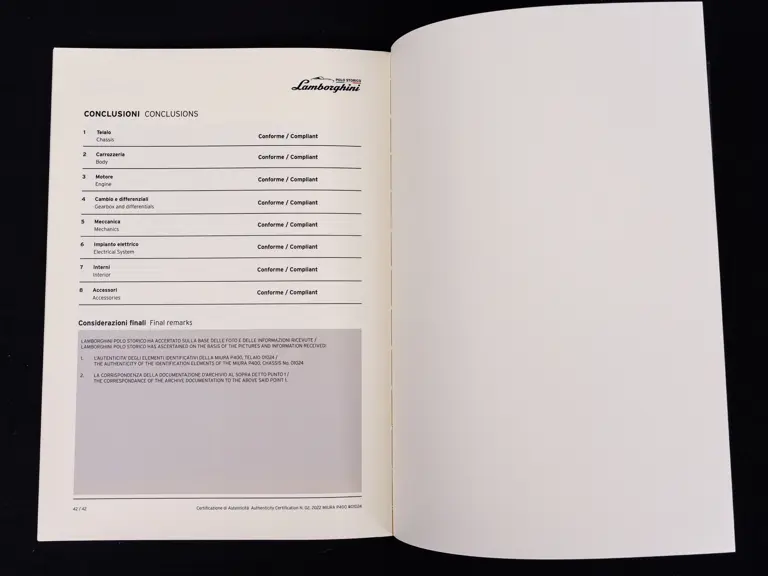
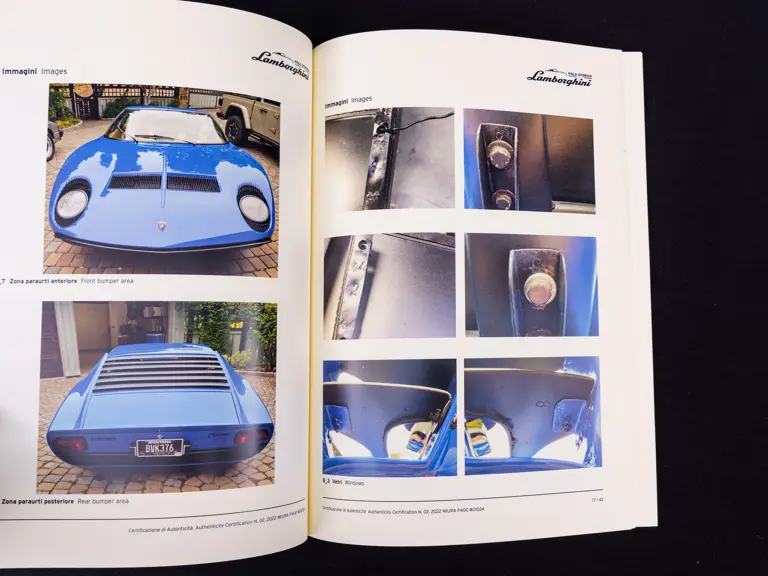
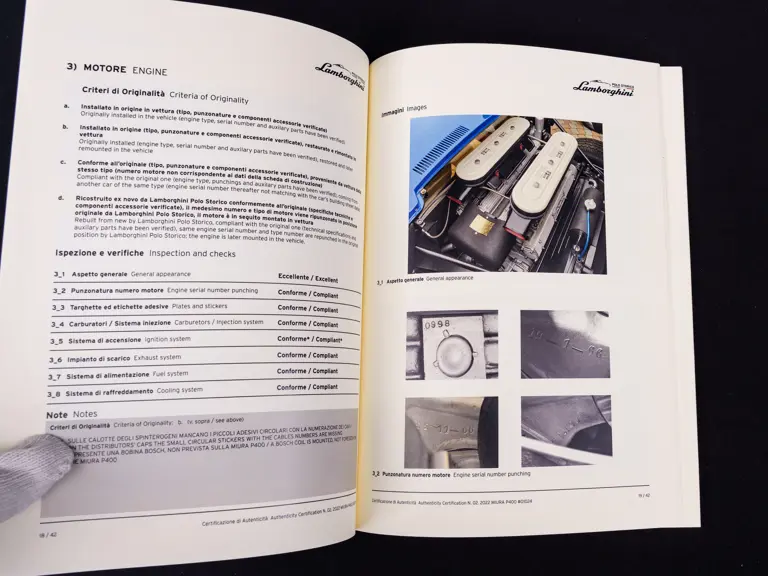
In April 2022, the Lamborghini was issued factory certification with a Certificate of Authenticity and a Polo Storico certification book. This documentation confirms that the P400 is fitted with its matching-numbers V-12 engine, and that it shows overwhelmingly correct presentation. On the heels of the expert restoration and factory certification, the Miura was presented at the 2024 Concorso Italiano, and it was awarded the Best Lamborghini and Best Modern Car at the Inglenook winery’s The Napa Event-Celebrating Motorsports in September 2025.
In total, this extremely early-production thin-chassis Miura P400 is one of the most impressive examples to be publicly offered in some time. Having only a smattering of event use in its history, and considering its early position in the Miura build sequence, this car would make a fantastic candidate for presentation at major concours d’elegance and flagship Lamborghini events, or it may be enjoyed on the open road.
Documented with an entry in the authoritative model-specific source The Lamborghini Miura Register, as well as the important Polo Storico certification book, this sensational benchmark V-12 supercar is sure to add distinctive flair to any sporting collection.
 | Monterey, California