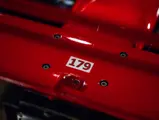
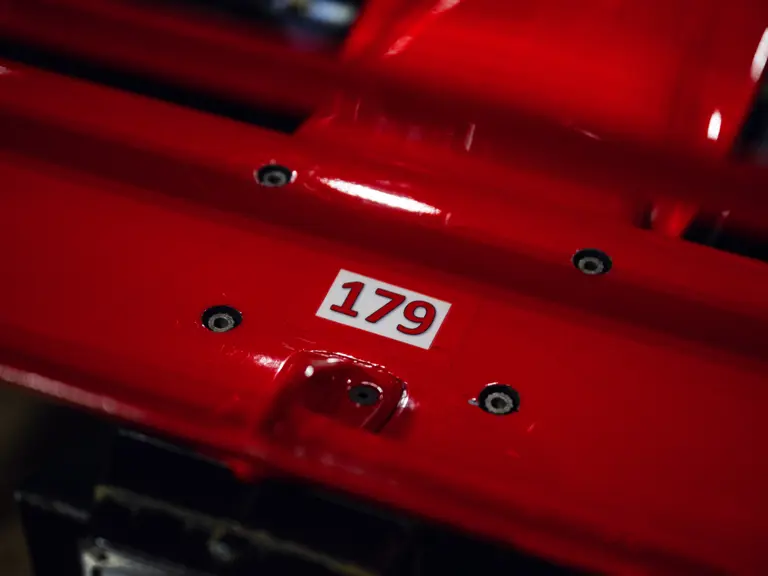
Chassis No.
179
{{lr.item.text}}
€5,500,000 - €7,500,000 EUR | Not Sold
{{bidding.lot.reserveStatusFormatted}}
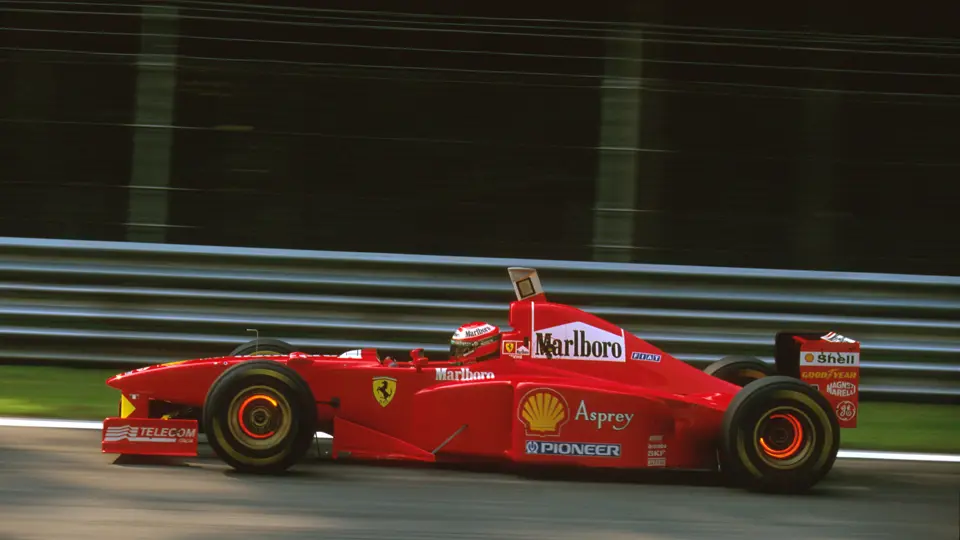
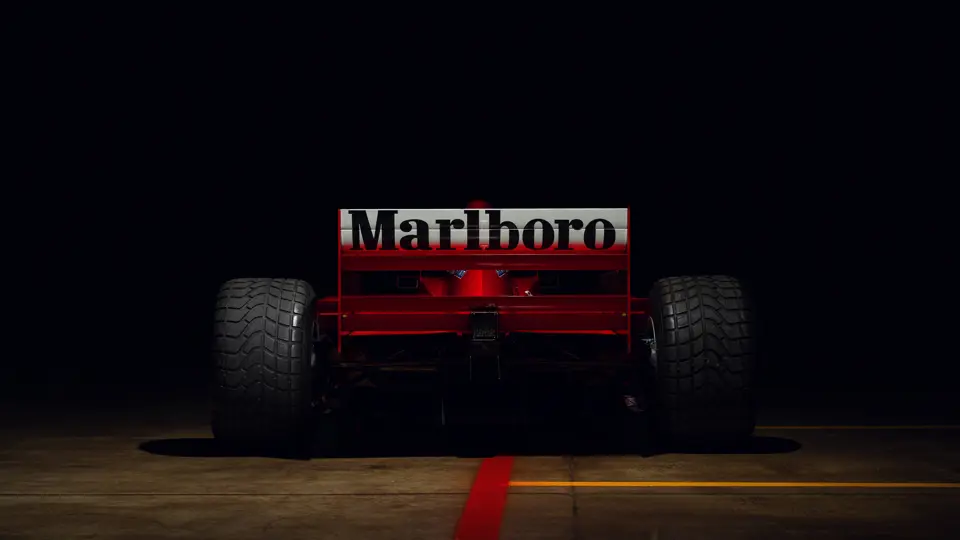
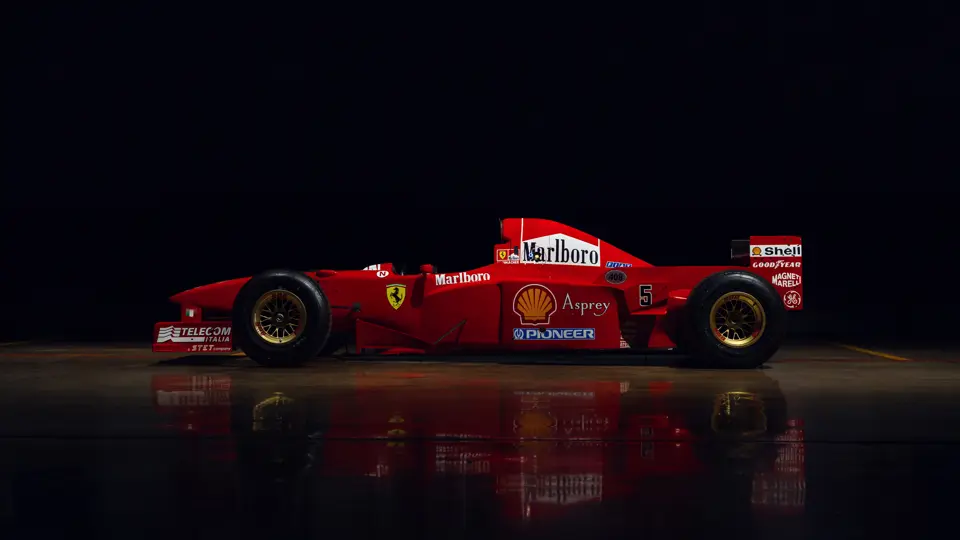
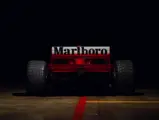
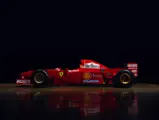
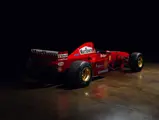
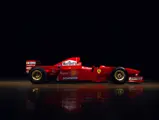
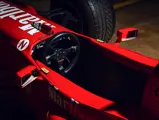
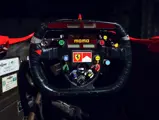
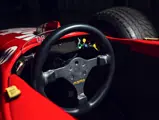
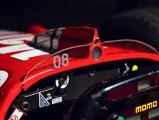
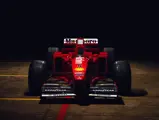
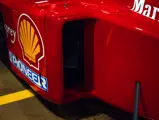
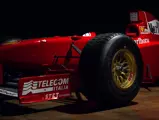
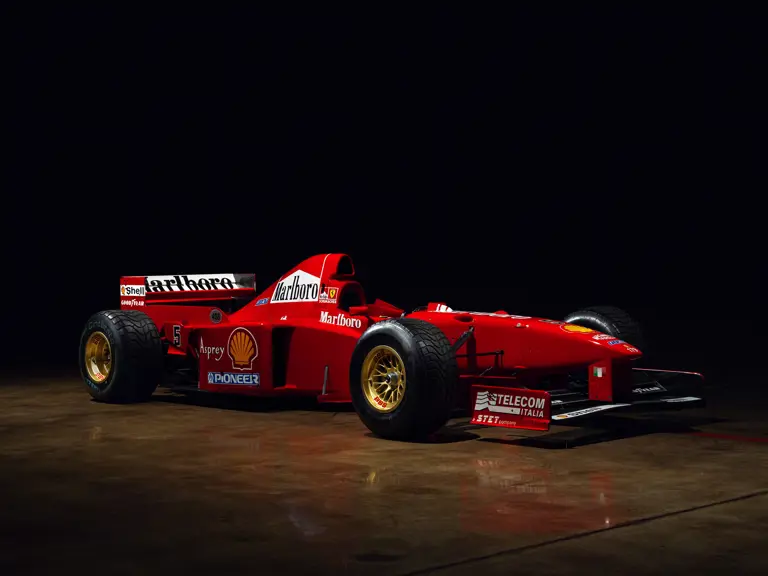
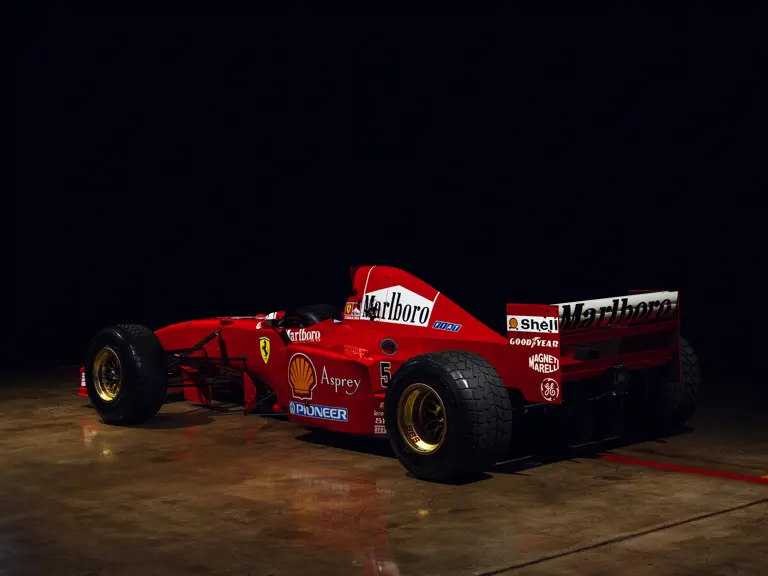
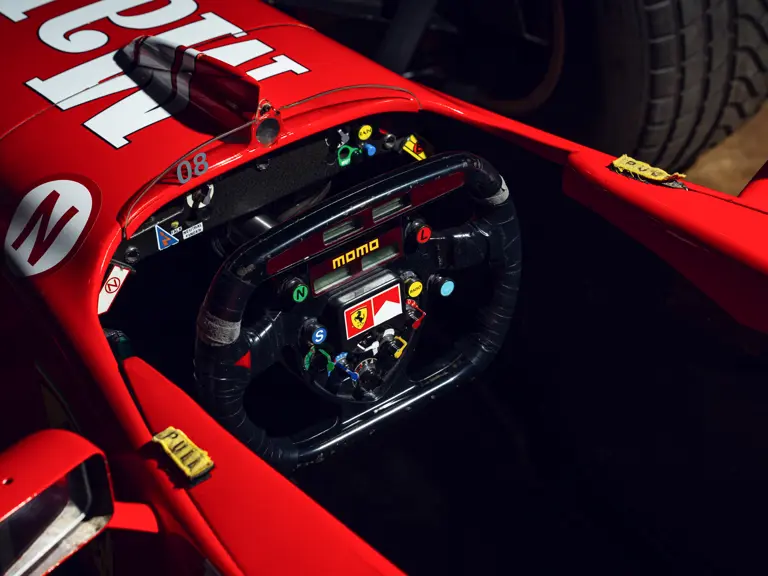
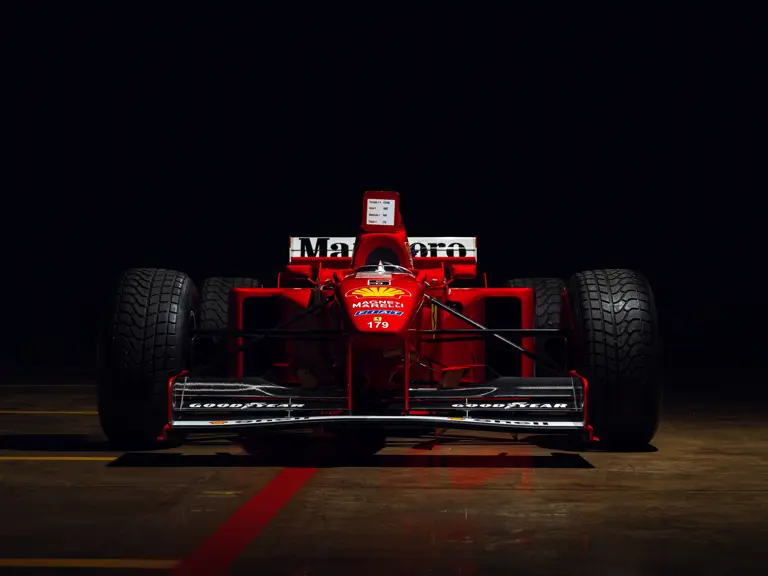
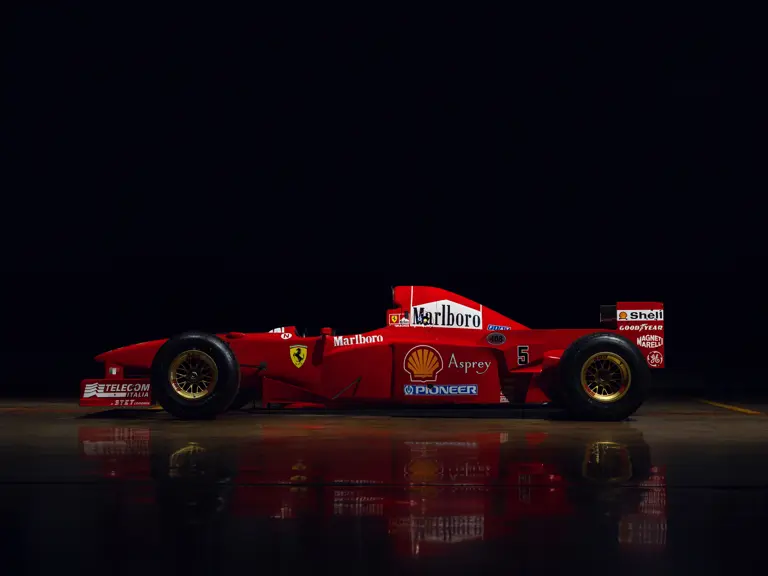
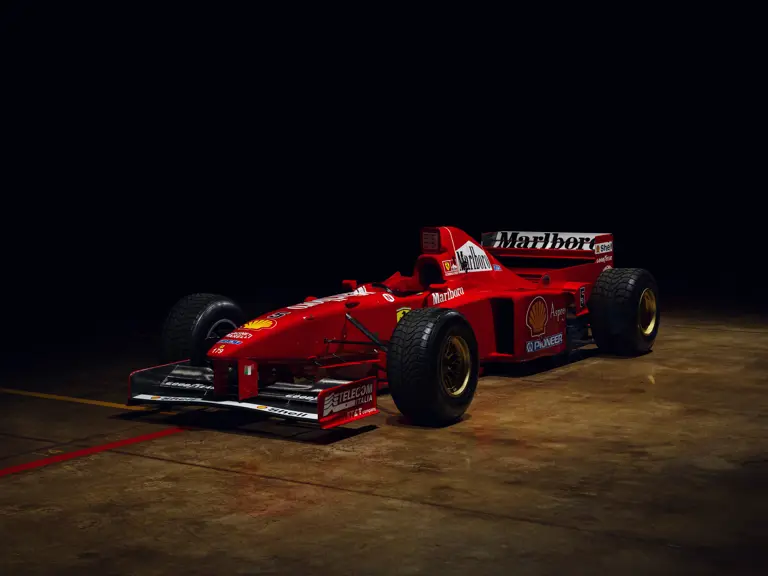
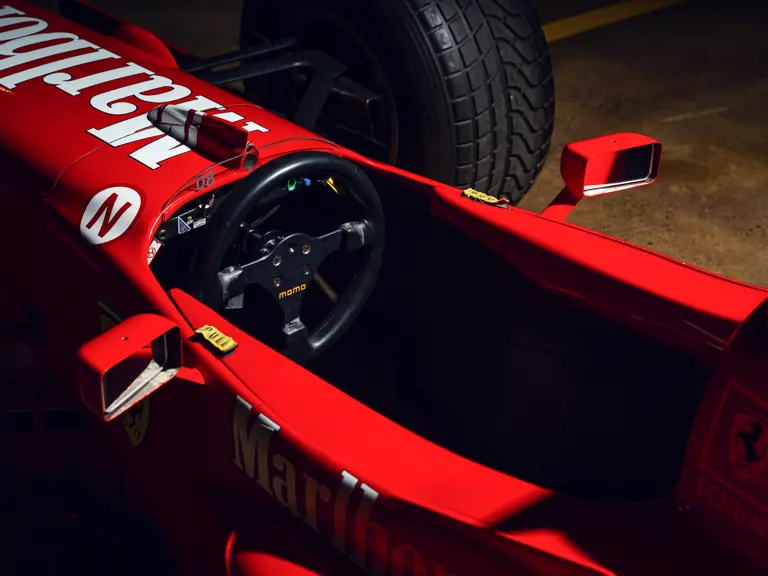
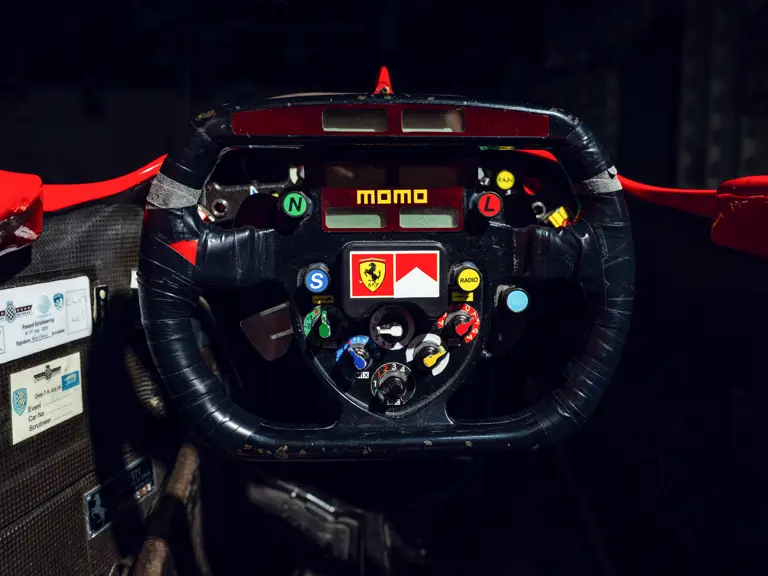
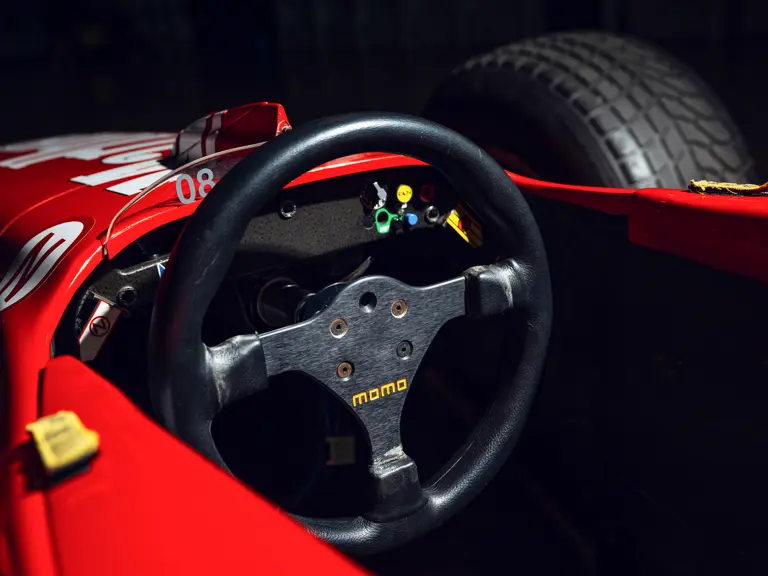
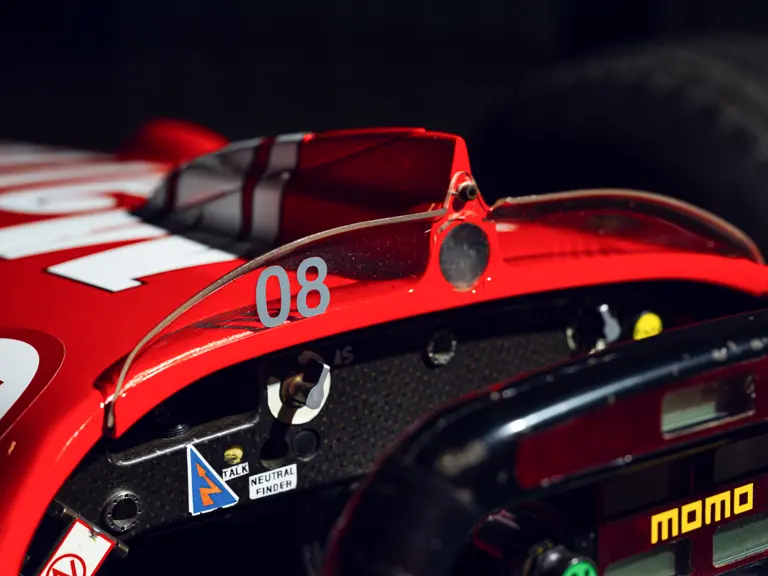
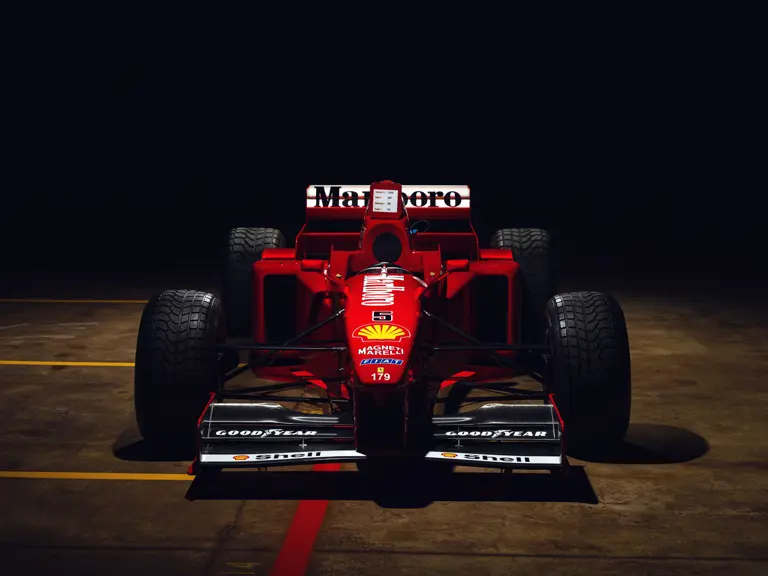
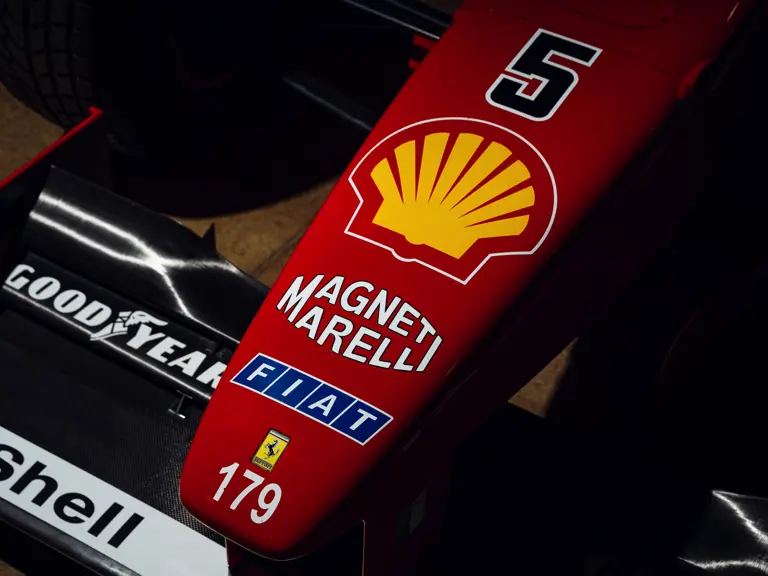
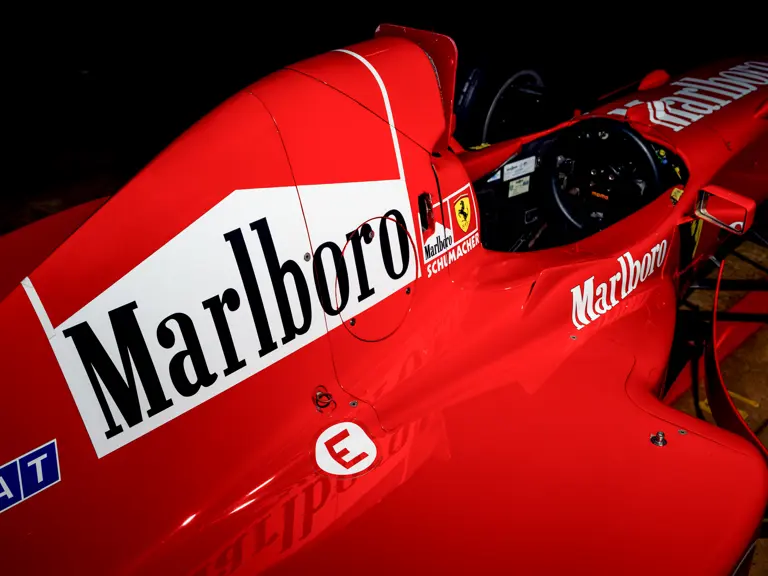
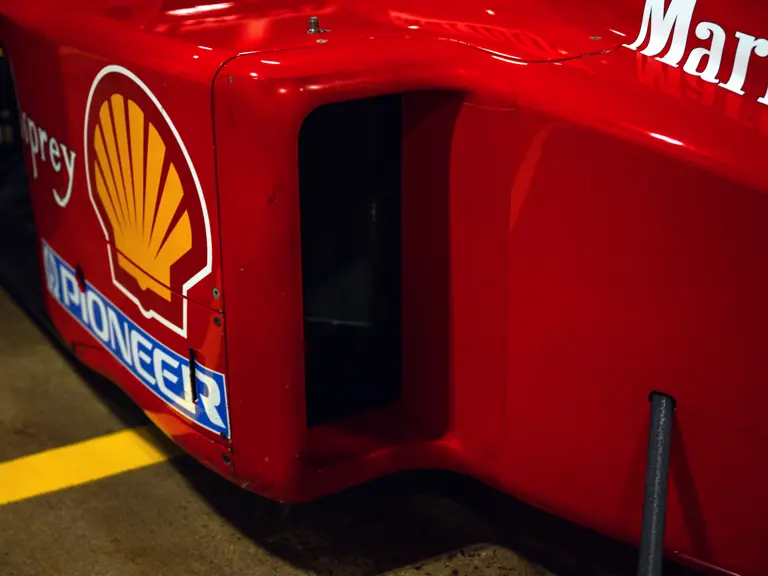
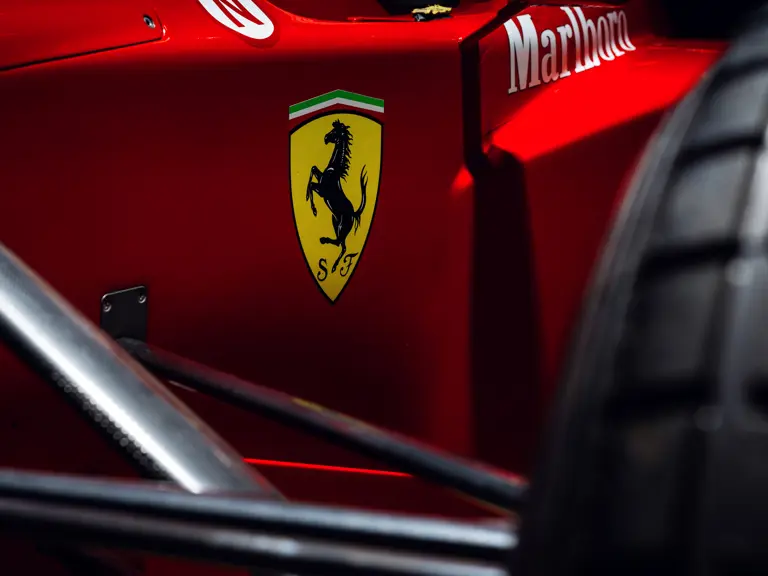
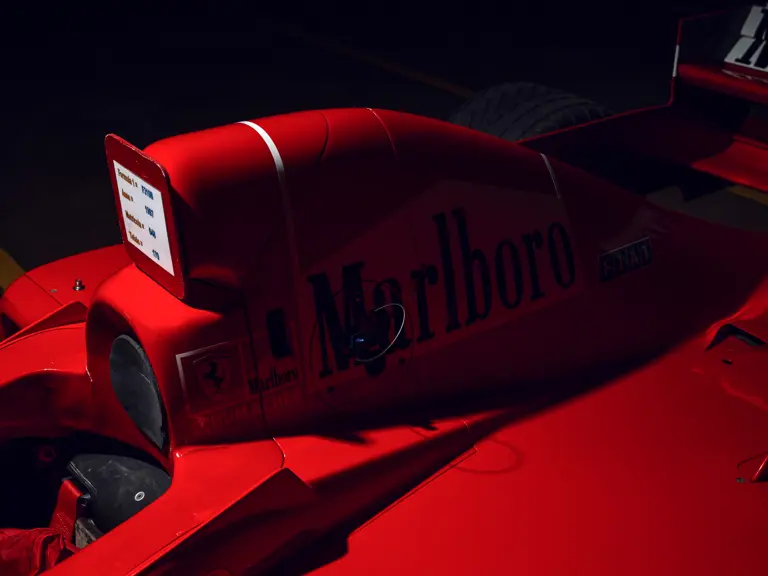
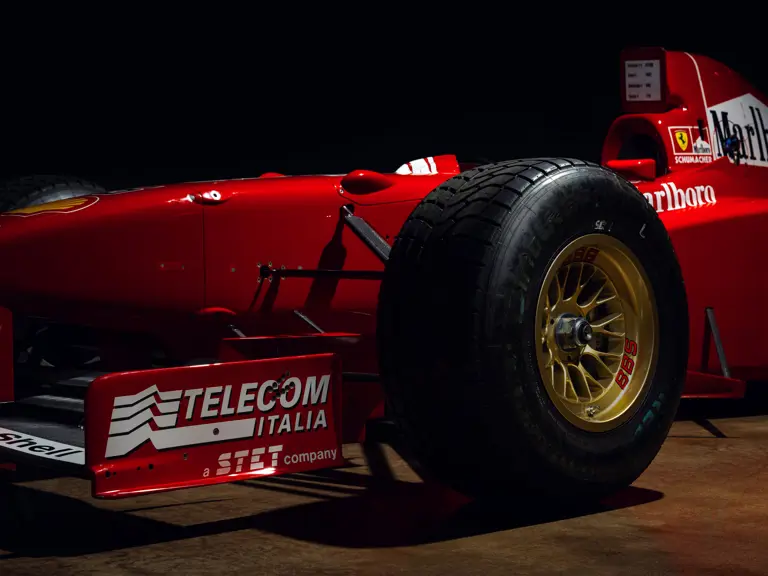
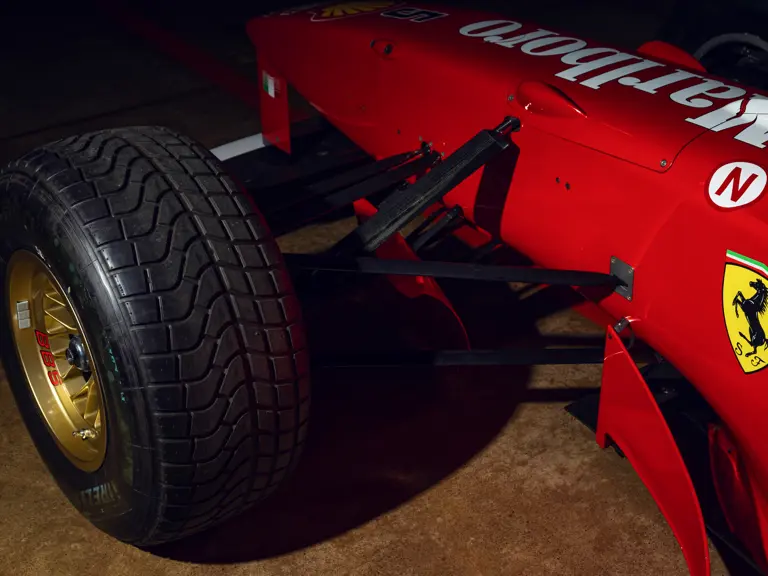
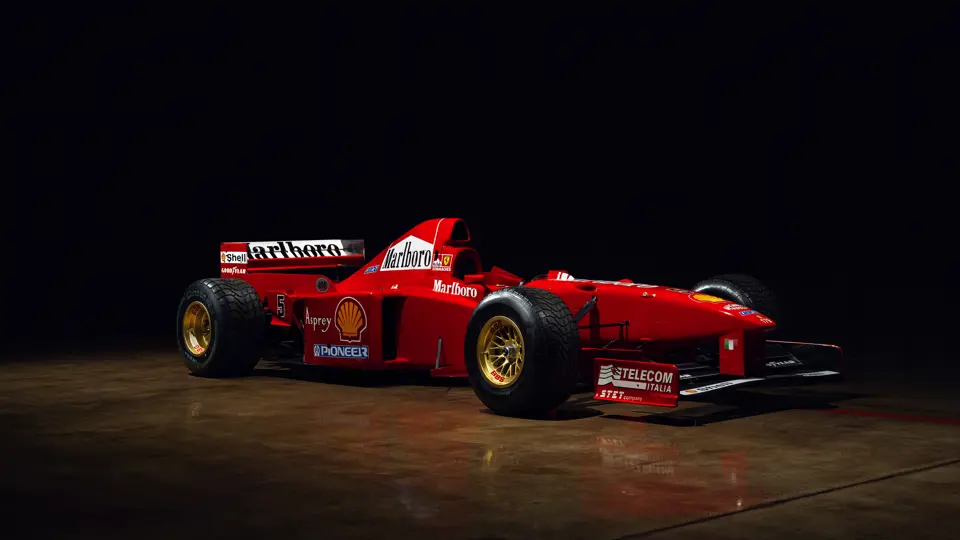
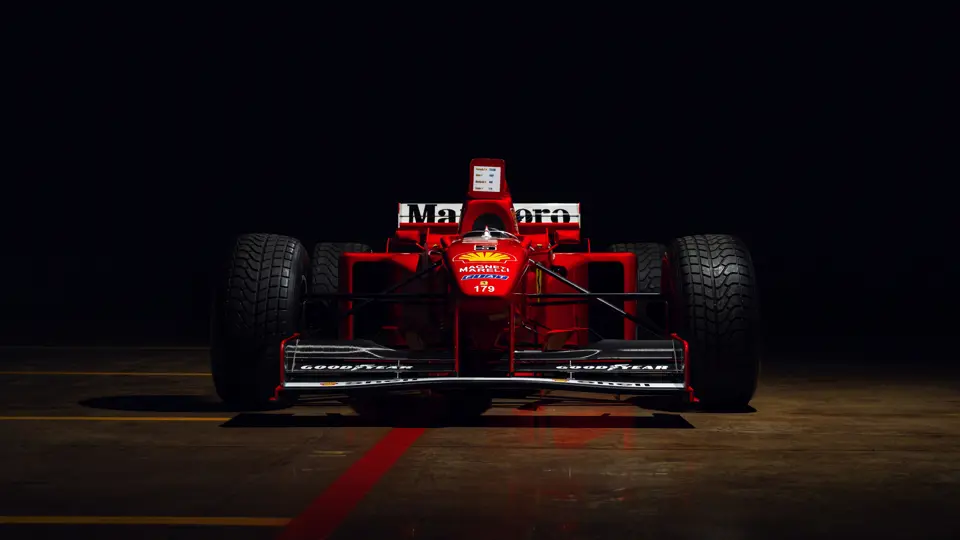
Come the end of 1997, a who’s who of all-time great Formula 1 engineers had had a hand in the design of the Ferrari F310 B. An evolution of the F310, albeit much easier on the eye courtesy of a lowered cockpit surround, the B was the final Ferrari F1 car penned by John Barnard from his offices in the United Kingdom prior to his pre-season departure.
As the team then consolidated back in Maranello, Ross Brawn was signed as the replacement Technical Director. Joining from Benetton, Brawn brought with him Chief Designer Rory Byrne. Under the leadership of Jean Todt and Stefano Domenicali, and with Michael Schumacher at the wheel, one of the most potent ‘superteams’ in F1 history was taking shape.
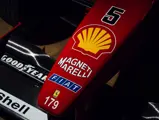
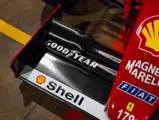
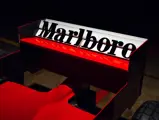
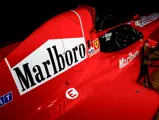
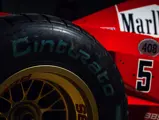
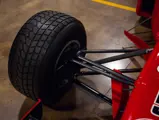
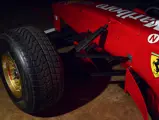
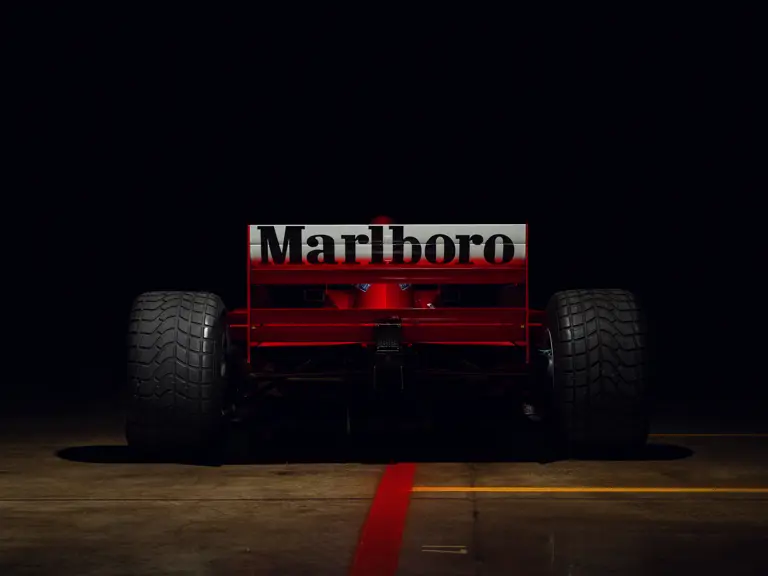
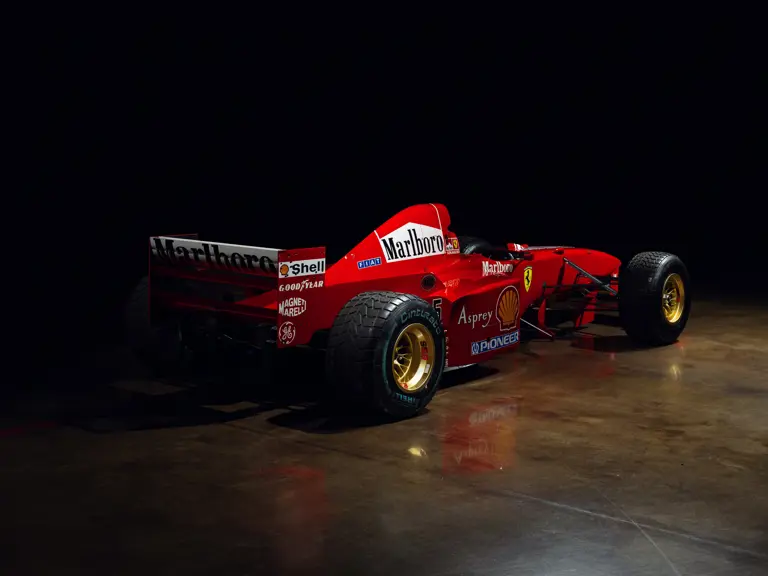
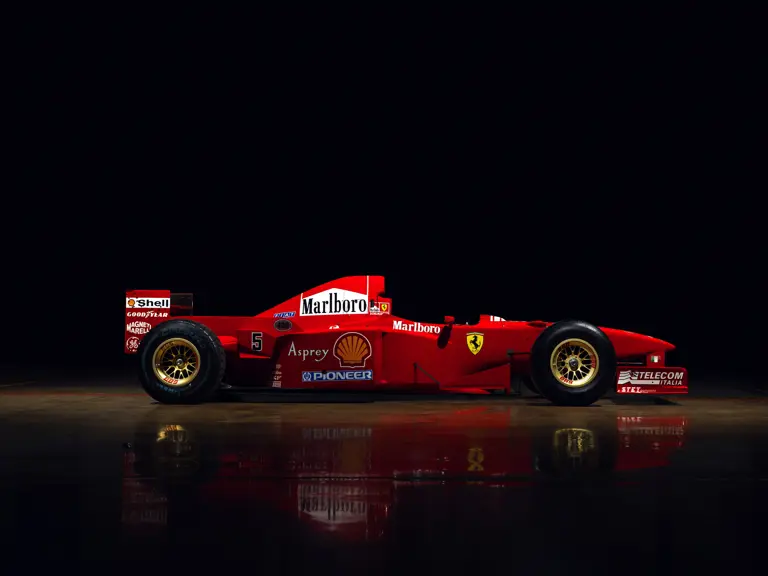
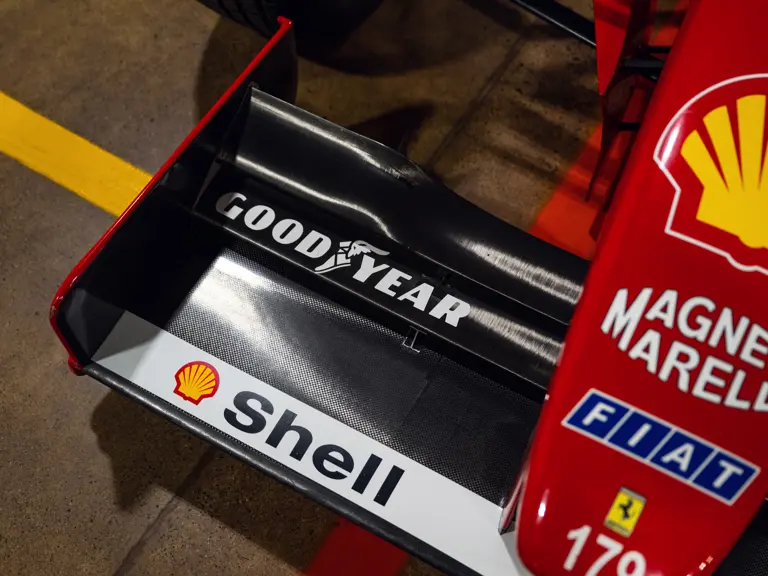
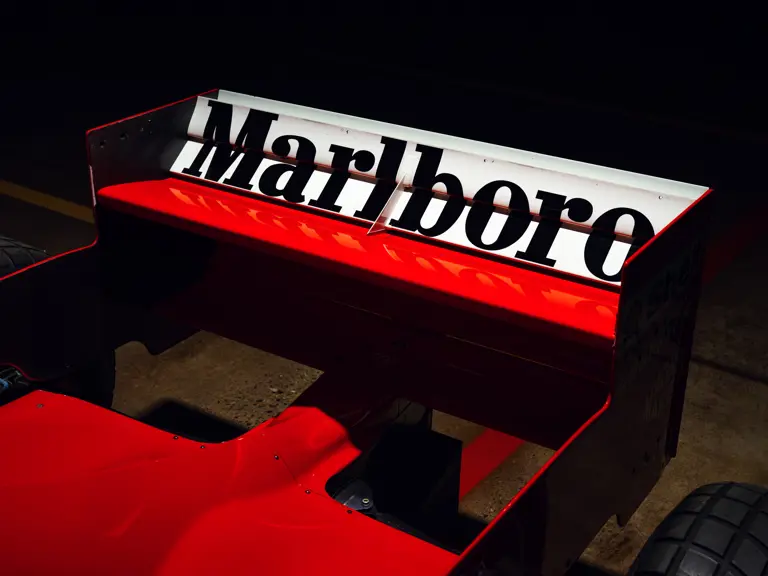
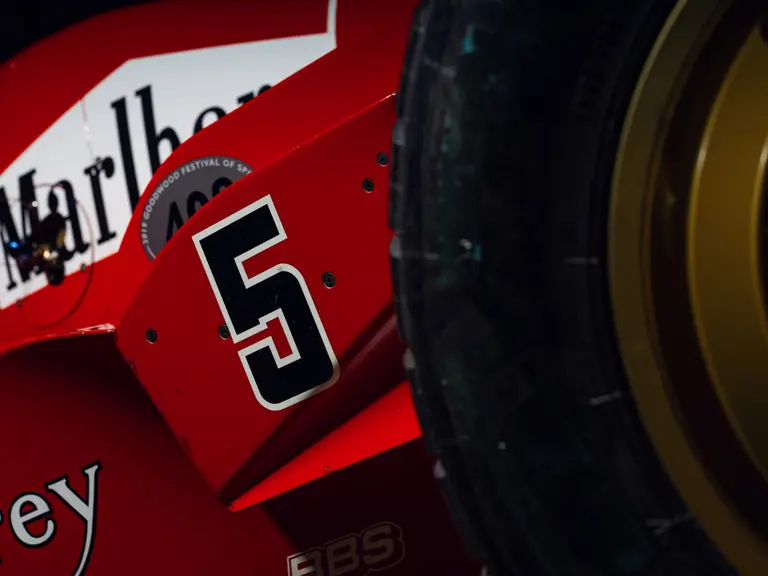
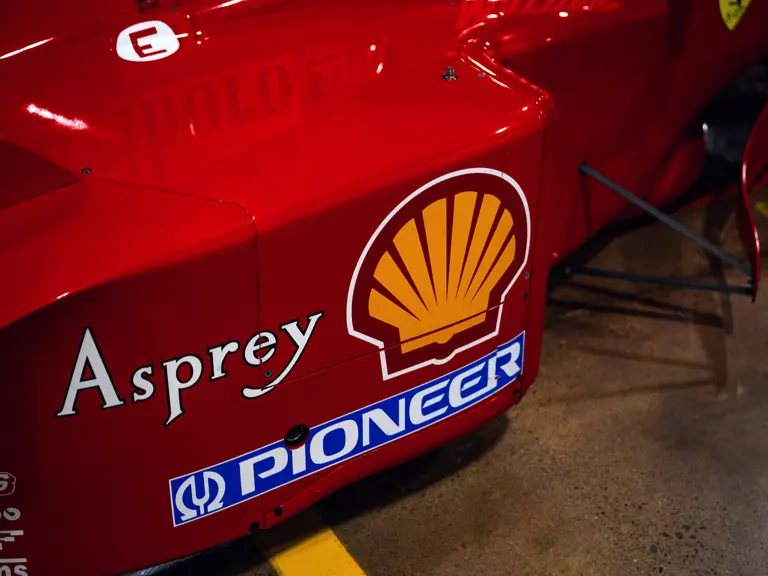
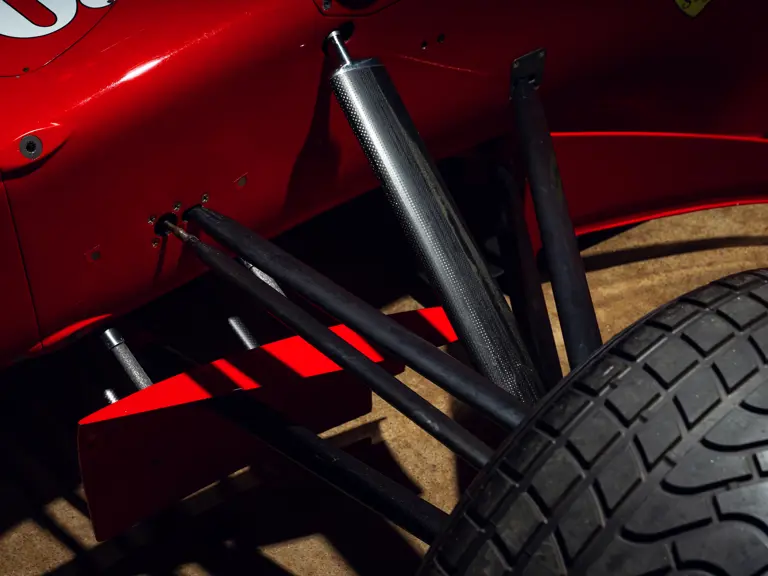
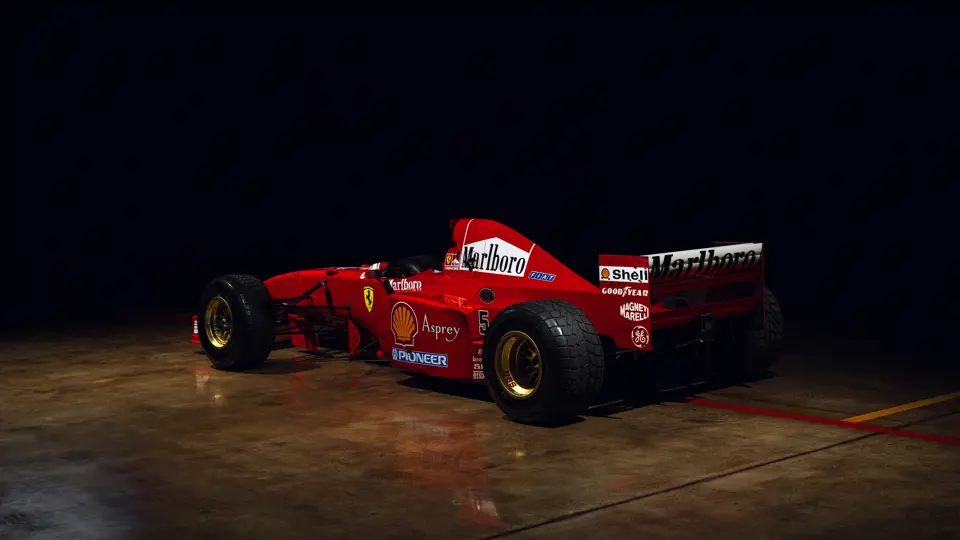
Originally housing a 75-degree V-10 engine displacing 3.0 litres and producing around 730 horsepower, nine F310 B chassis were reportedly built. However, two of these were of a later, lighter, and more agile specification. This development of Barnard’s original design by Brawn and Byrne allowed the car to accommodate a larger fuel tank to provide greater flexibility when it came to in-race strategy. Of the two, offered here is chassis number 179.
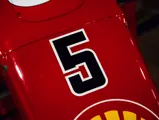
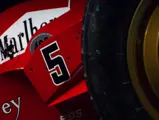
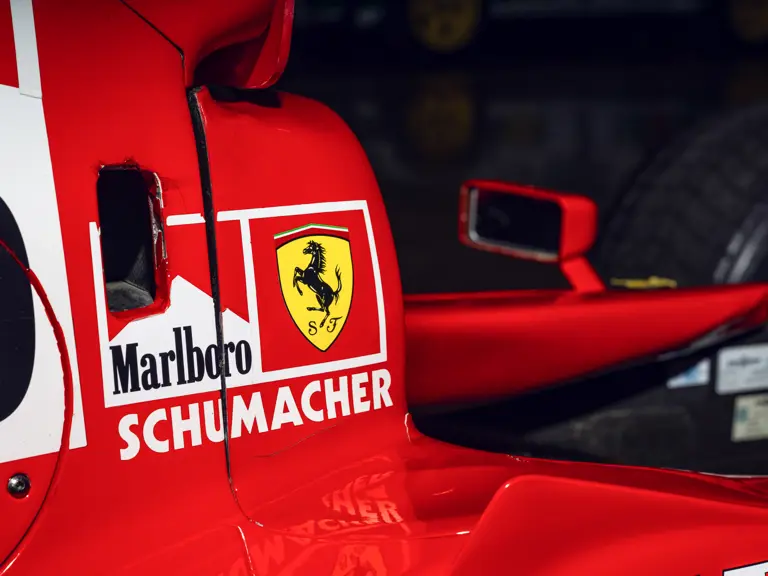
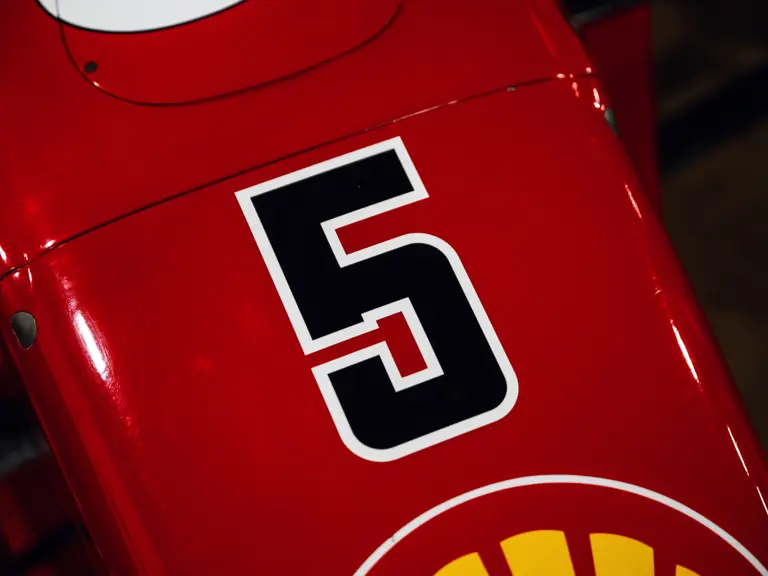
The car first appeared at the 1997 Belgian Grand Prix, where Schumacher ventured out in qualifying but subsequently switched to his other chassis to set the 3rd fastest time. A Sunday downpour, which paved the way for the first-ever F1 race to start behind the safety car, prompted the German to again revert to the older chassis that was better-suited to the low-grip conditions rather than 179, which was optimised for the dry.
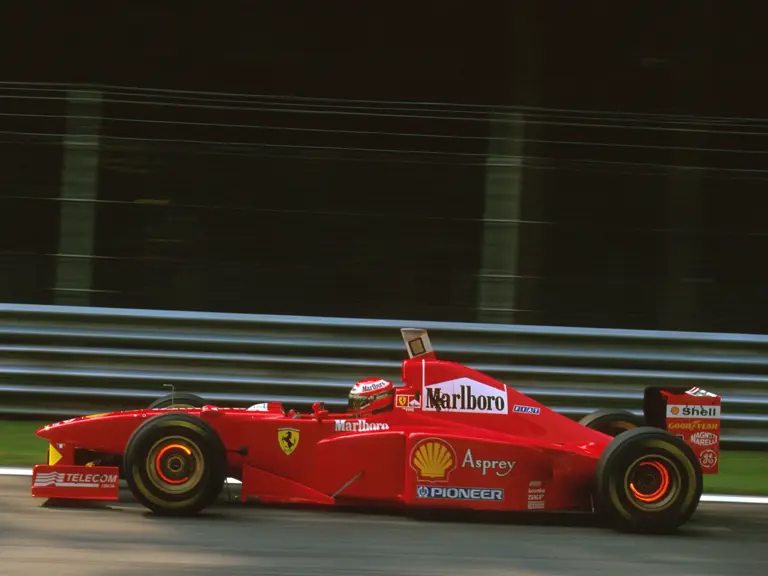
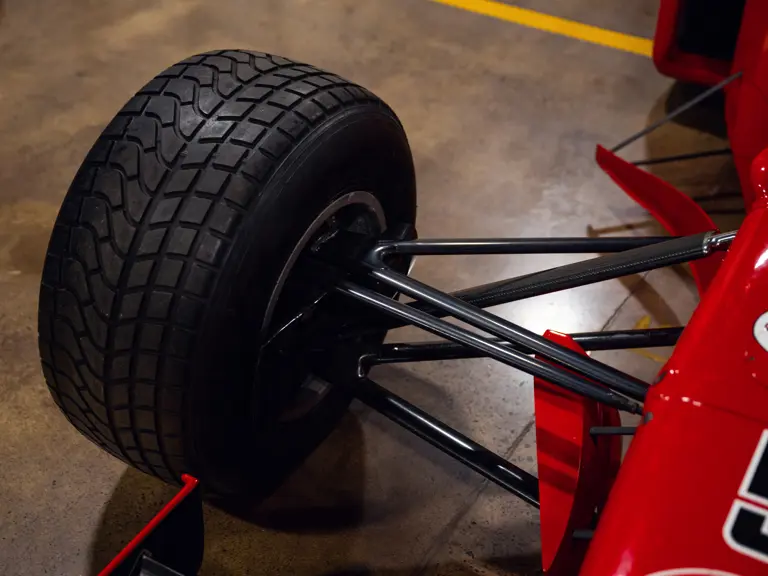
For the next round in Italy, this car was assigned to Eddie Irvine. As part of a quiet weekend, he qualified 10th and profited from a puncture for McLaren racer Mika Häkkinen to classify 8th. A final front-line outing for chassis 179 arrived at the Austrian Grand Prix. Again, this F310 B was entrusted to Irvine, who lined up 8th on the grid. On lap 38 of 71, Jean Alesi rejoined from a pitstop ahead of Irvine. As they squabbled for position, the pair collided to send Alesi’s Benetton B197 careering over the Ferrari’s front-right wheel. That left Irvine to crawl back to the garage to retire. Predictably, each driver pointed the finger at the other.
Chassis 179 was further taken as a spare car to the Luxembourg, Japanese, and European Grands Prix before being retired from Works duties. It was sold by Ferrari in 1999 and moved into the ownership of a small group of collectors. First in Germany and subsequently in the United States, the car was driven on a number of occasions in Ferrari F1 Clienti events before being acquired by the Audrian Auto Museum in Newport, Rhode Island in 2014. More recently, the Ferrari was piloted by British Formula 3 champion Robbie Kerr at the 2019 Goodwood Festival of Speed in celebration of Schumacher’s 50th birthday. Should the next owner wish to continue to use this example on track, RM Sotheby’s recommends consulting with Ferrari F1 Clienti to undertake a mechanical recommissioning at the factory.
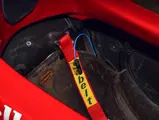
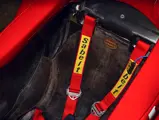
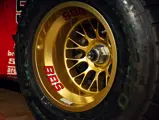
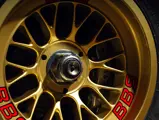
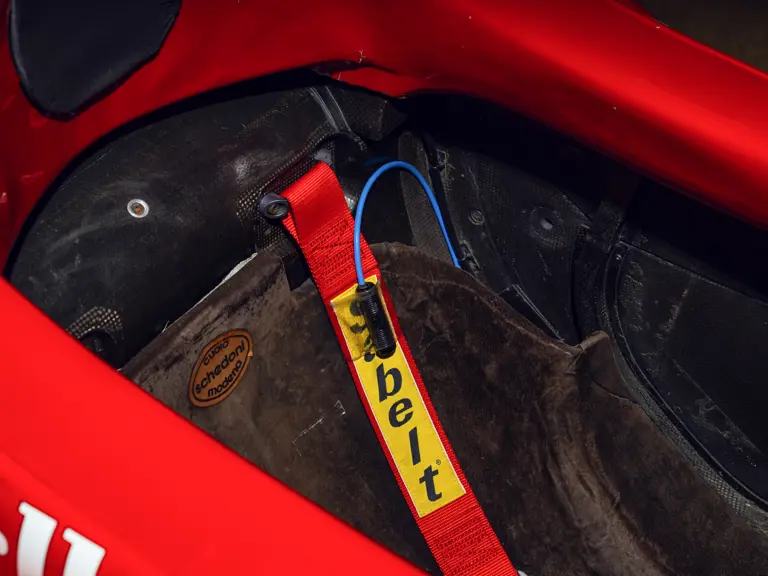
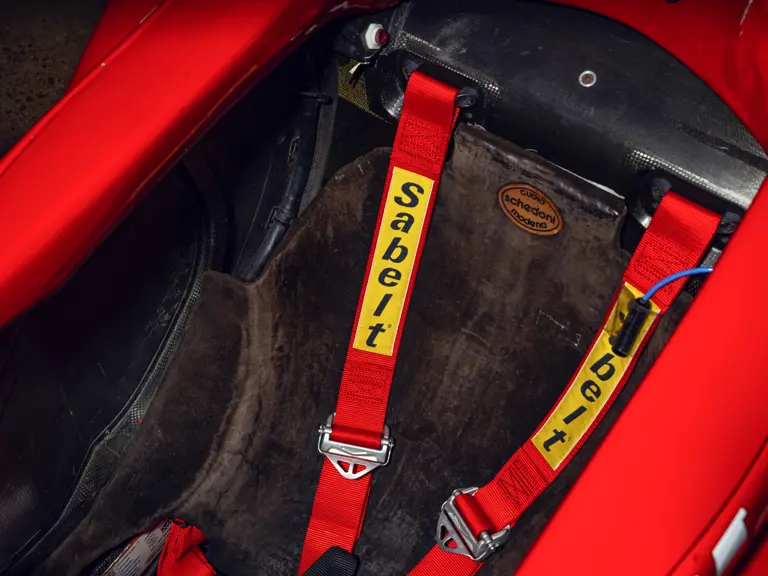
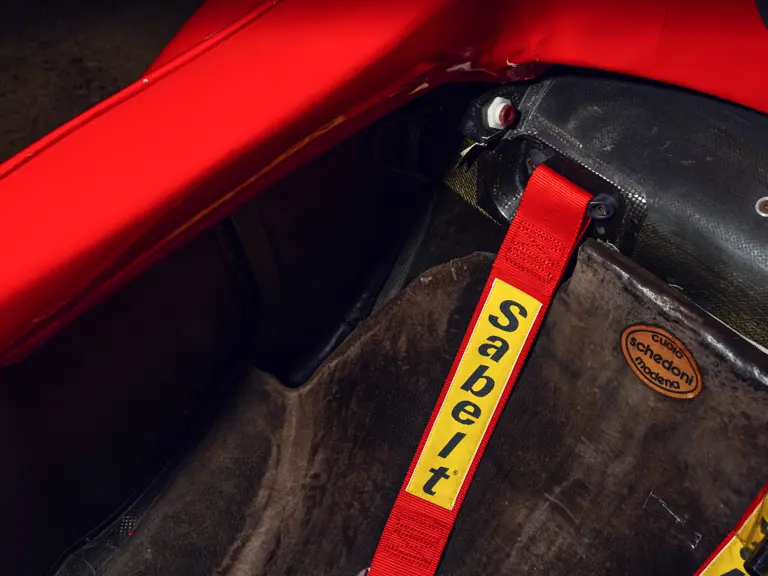
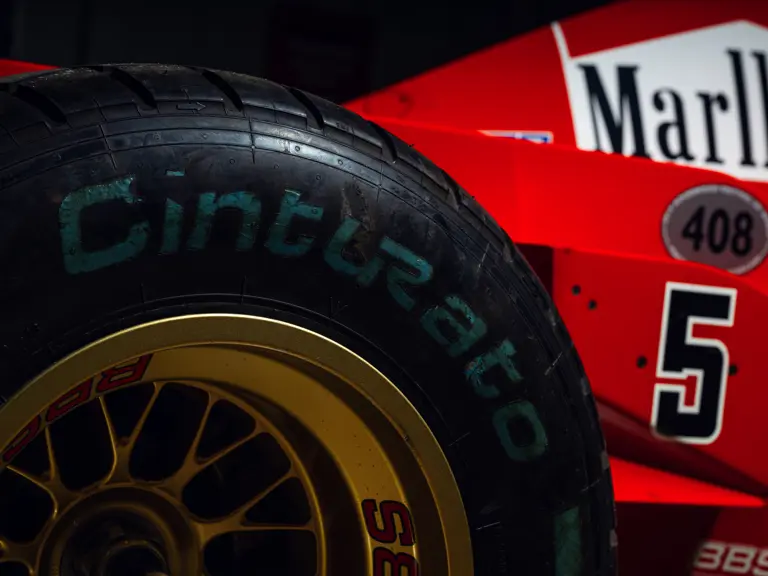
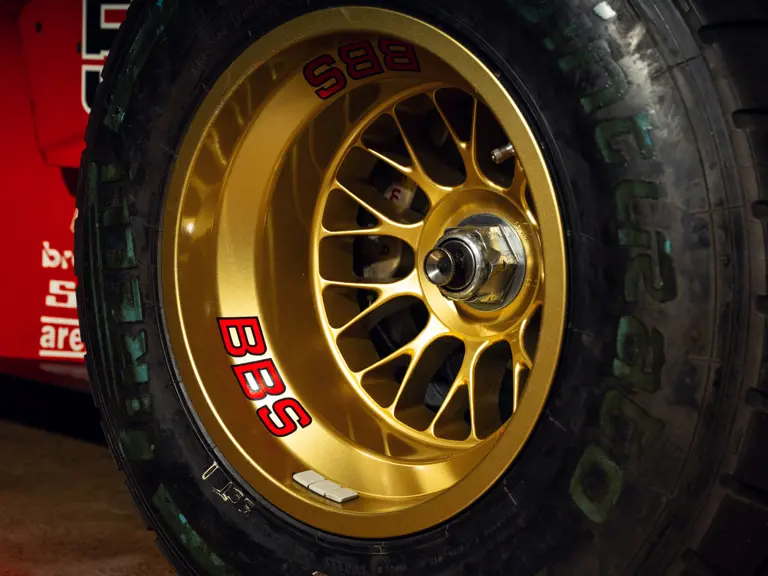
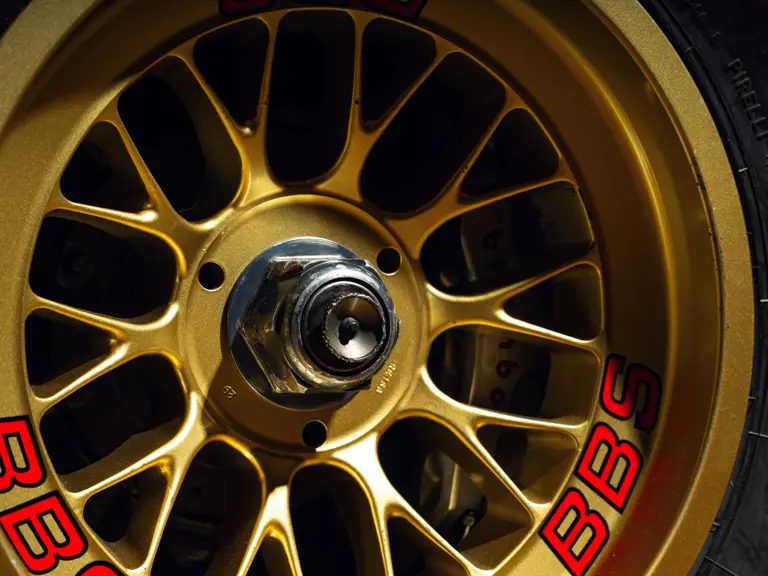
Significantly, chassis 179 has also been certified by Ferrari Classiche in January 2007 and is offered with its “Red Book” along with a number of spare parts and items. These include a spare set of BBS wheels, race harness, a set of handheld blowers, jacks, and more, which are available to ship separately at the buyer’s expense from the US.
With typically less than 10 chassis built per season during this era, and only about half of those receiving Michael Schumacher seat time, Scuderia F1 cars of this ilk have formed the most exclusive group of collectible modern Ferrari competition cars in the world. Chassis 179 proudly stands among the other incredible machines to be driven by one of the greatest champions in motorsport history.
For any Ferrari racing enthusiast, the ultimate car to drive and to own is an F1 car. It will draw immediate attention in any collection and to use, it simply provides an experience that cannot be exceeded. Ferrari offers the best programme in the world via its F1 Clienti department, with the next owner able to make life-long memories at a number of the greatest racetracks should they choose to exercise chassis 179.
To use an aircraft analogy, driving an F1 car versus GT machinery is the equivalent of flying a military-grade F-18 fighter jet versus a civilian aircraft; if one had the means and the training, there is no question which choice to make. As F1 car values continue to rise, with record prices set in recent years, the notion of being able to pick up a car of this calibre at around the same price point as an FXX K is not likely to last for much longer. The opportunity to add this jewel to one’s collection should not be missed.
A la fin de 1997, les meilleurs ingénieurs de la Formule 1 ont contribué à la conception de la Ferrari F310 B. Évolution de la F310, mais plus flatteuse à l'œil grâce à un entourage d'habitacle plus bas, la B est la dernière Ferrari de F1 conçue par John Barnard dans ses bureaux anglais, avant qu'il ne quitte la Scuderia à la veille du début de la saison.
Avec une équipe regroupée à Maranello, Ross Brawn est nommé nouveau directeur technique et, venant de chez Benetton, il emmène avec lui l'ingénieur Rory Byrne. Sous la direction de Jean Todt et Stefano Domenicali, et avec Michael Schumacher comme pilote, une des équipes les plus brillantes de l'histoire de la F1 est en train de prendre forme.
Équipés à l'origine d'un moteur V10 à 75° de 3 litres développant quelque 730 ch, neuf châssis F310 B auraient été produits. Cependant, deux d'entre eux sont plus tardifs et présentent des spécifications plus légères et plus agiles. Grâce à cette évolution du design original de Barnard, due à Brawn et Byrne, la voiture peut être équipée d'un plus grand réservoir de carburant, ce qui permet une stratégie plus souple pendant la course. La monoplace qui est proposée ici est une des ces deux voitures, châssis n°179.
Elle apparaît pour la première fois au Grand Prix de Belgique 1997, où Schumacher l'utilise en qualifications avant de passer à son autre châssis pour signer le troisième meilleur temps. Une forte pluie le dimanche, qui donne lieu au premier départ de Grand Prix jamais donné derrière la voiture de sécurité, incite le pilote allemand à revenir à nouveau au châssis plus ancien qui est plus adapté à une mauvaise adhérence, alors que la monoplace n°179 est optimisée pour une piste sèche.
Pour la course suivante, en Italie, cette voiture est attribuée à Eddie Irvine. Lors de ce qui est un week-end sans histoire, il se qualifie dixième et profite d'une crevaison de la McLaren de Mika Häkkinen pour terminer en huitième position. Au Grand Prix d'Autriche, dernière sortie en course de la Ferrari n°179, Irvine décroche le huitième temps aux essais. Au 38e tour sur un total de 71, Irvine voit Jean Alesi sortir des stands juste devant lui. En se disputant la position, les deux pilotes se heurtent, la Benetton B197 d'Alesi roule sur la roue avant droite de la Ferrari et s'envole. Irvine est contraint de rentrer au stand et d'abandonner. Comme l'on peut s'y attendre, les deux pilotes se rejettent mutuellement la faute.
Le châssis 179 est ensuite utilisé comme voiture de réserve aux Grand Prix du Luxembourg, du Japon et d'Europe avant d'être retiré de la compétition F1. La voiture est vendue en 1999 par Ferrari et rejoint un petit groupe de collectionneurs. D'abord en Allemagne puis aux États-Unis, cette monoplace est utilisée plusieurs fois dans le cadre d'évènements Ferrari F1 Clienti avant d'être achetée en 2014 par l'Audrian Auto Museum de Newport, à Rhode Island. Plus récemment, elle est pilotée par le Champion d'Angleterre de Formule 3 Robbie Kerr lors du Festival of Speed de Goodwood, en 2019, en hommage au 50e anniversaire de Schumacher. Si le prochain propriétaire souhaite continuer à utiliser cette monoplace sur circuit, RM Sotheby's recommande de se rapprocher de Ferrari F1 Clienti pour qu'une révision mécanique soit effectuée à l'usine.
Il est important de noter que le châssis 179 a reçu en janvier 2007 une certification par Ferrari Classiche et que la voiture est vendue avec le "Livre Rouge" ainsi qu'avec un ensemble de pièces et d'accessoires. Il inclut entre autres un jeu de jantes BBS, un harnais compétition, un jeu de crics, qu'il est possible de faire venir des États-Unis séparément aux frais de l'acheteur.
Avec généralement à cette époque moins de 10 châssis produits par saison, et sachant que seulement la moitié d'entre eux sont utilisés par Michael Schumacher, les monoplaces de F1 de la Scuderia de ce type forment le groupe le plus exclusif du monde de Ferrari de compétition modernes. Le châssis 179 fait fièrement partie des machines incroyables qui ont été pilotées par un des plus grands champions de l'histoire du sport automobile.
Pour tout passionné de Ferrari, la voiture ultime à piloter est une monoplace de F1. Elle attirera le regard dans toute collection et, à l'usage, elle apporte une expérience qui ne peut tout simplement pas être dépassée. Ferrari offre le meilleur programme du monde via son département F1 Clienti, et le prochain propriétaire pourra se construire des souvenirs inoubliables sur les plus beaux circuits, s'il se décide à prendre le volant de cette monoplace n°179.
Pour prendre une analogie avec le monde de l'aviation, piloter une F1 par rapport à une GT est comme comparer le pilotage d'un avion de chasse à celui d'un avion de tourisme ; si l'on dispose des moyens et de l'entraînement nécessaires, le choix est évident. La valeur des F1 ne cessant de grimper, avec certains prix records enregistrés ces dernières années, la possibilité d'acquérir une voiture de ce calibre à un niveau de prix équivalent à celui d'une FXX K ne risque pas de durer beaucoup plus longtemps. L'opportunité d'ajouter ce joyau à une collection ne doit pas être ignorée.
| Date | Event | Driver | Entrant | Race # | Result |
|---|---|---|---|---|---|
| 28 August 1997 | Belgian Grand Prix | (Michael Schumacher in early qualifying) | Scuderia Ferrari | 5 | spare car |
| 7 September 1997 | Italian Grand Prix | Eddie Irvine | Scuderia Ferrari | 6 | 8th |
| 21 September 1997 | Austrian Grand Prix | Eddie Irvine | Scuderia Ferrari | 6 | DNF (accident) |
| 28 September 1997 | Luxembourg Grand Prix | Scuderia Ferrari | spare car | ||
| 12 October 1997 | Japanese Grand Prix | Scuderia Ferrari | spare car |
 | Paris, France