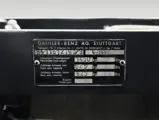

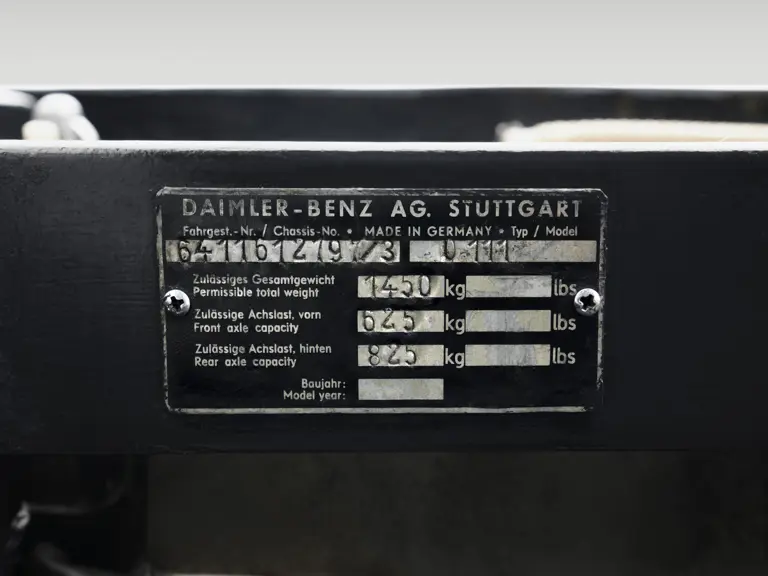
Chassis No.
33
{{lr.item.text}}
{{bidding.lot.reserveStatusFormatted}}
AN AUTOMOTIVE DREAM
Mercedes-Benz stands at the forefront of automotive design, engineering, and performance and has shaped every era of automotive engineering with groundbreaking innovation. Carl Benz, the inventor of the automobile, once said: “Die Liebe zum Erfinden höret nimmer auf”—“The love of inventing never ends”. That spirit remains the driving force behind the marque to this day. The automaker honours it by continuously pushing the envelope of breathtaking performance and capability, paired with a level of luxury unmatched by industry rivals.
Often, this drive to excel in innovation is most readily apparent in motorsport: from the thunderous pre-1920s Grand Prix racers and the iconic Silver Arrows to modern Formula 1 cars, Mercedes-Benz boasts an unrivalled legacy of bringing state-of-the-art technology forged in competition to its production road cars.
Yet no less fascinating are the concept cars and research vehicles that have proudly worn the three-pointed star. Some directly preview upcoming models, while others exist purely to explore new technologies and materials, pushing engineering concepts to their absolute limits and pioneering new methods of design in the process. Among these cutting-edge creations, none has captured the imagination quite like the Mercedes-Benz C 111.
In the late 1960s, Mercedes-Benz entered development of its next great vision: a super sports car carrying design and innovations of the legendary 300 SL into the future. The resulting C 111 combined striking aerodynamic design, composite construction, and revolutionary rotary powerplants that—it was felt at the time—held great promise for the future of automotive propulsion. And it was meant for the road, with series production considered but sadly never undertaken.
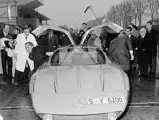
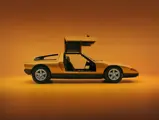
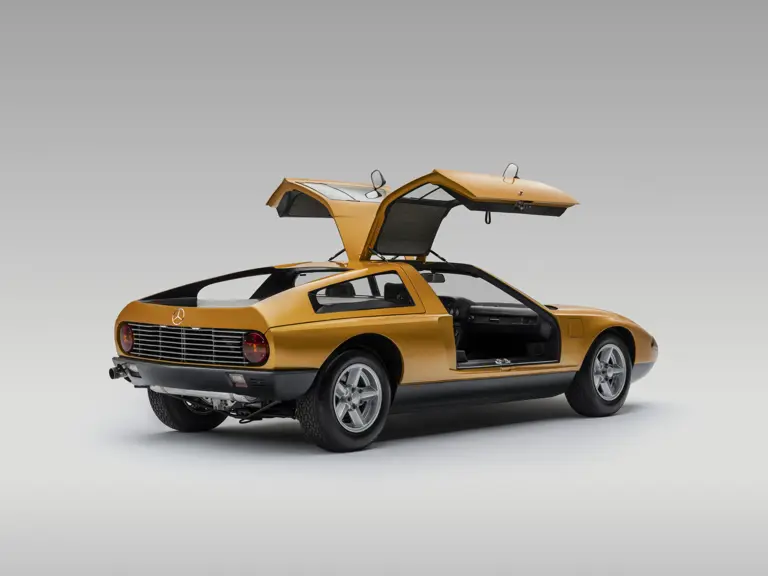
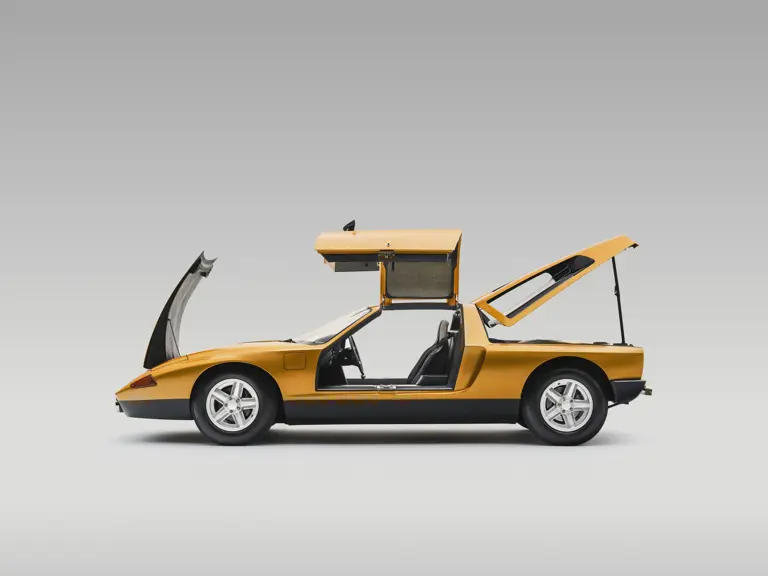
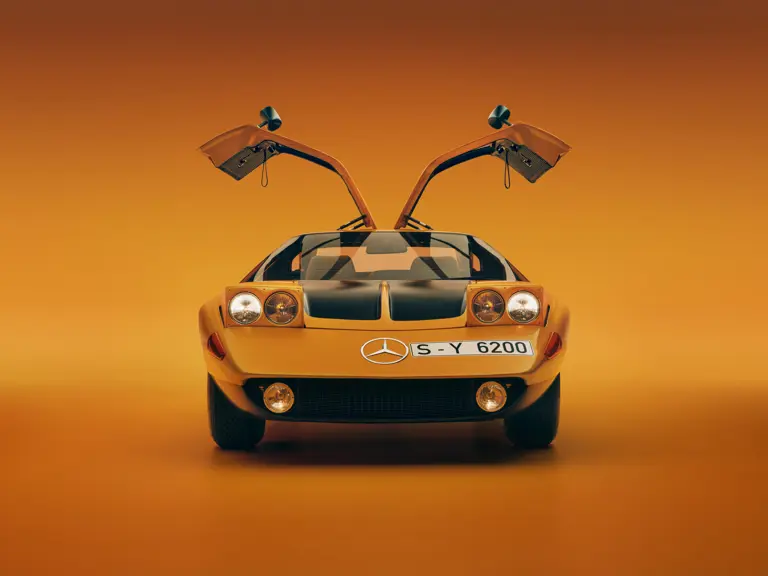
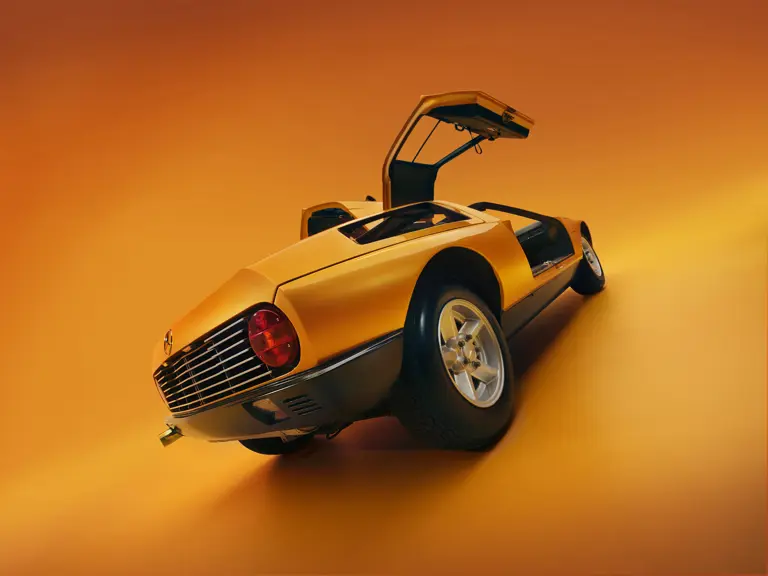
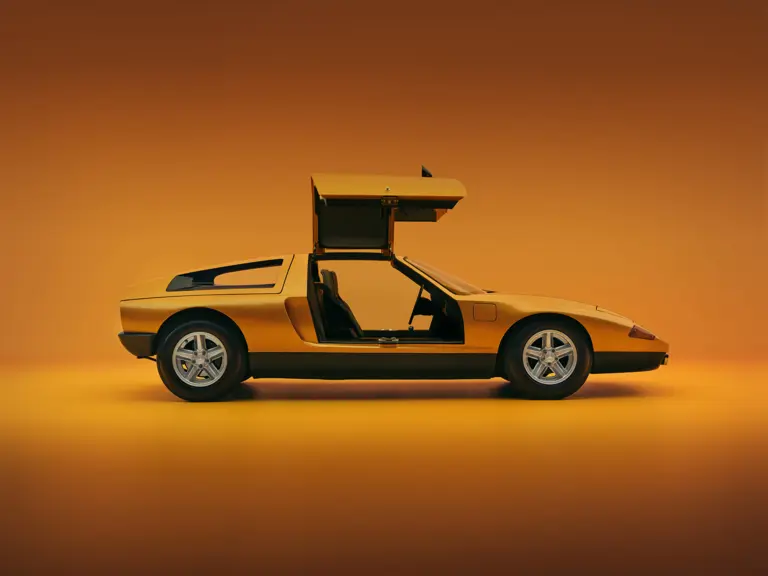
With an incredible performance envelope and equally incredible styling, the enigmatic Mercedes-Benz C 111 was one of the most storied automotive dreams of its era, and it remains today an enduring “what if”. No mere test mules, the C 111 vehicles were in most cases fully realised inside and out, with stunning styling complete with gullwing doors that hearkened back to the 300 SL, as well as fully trimmed interiors including even a radio and a luggage compartment big enough for three large suitcases.
The star of motor shows and the subject of innumerable glowing articles in the enthusiast press, this is a model that has been hotly desired by the public from the moment of its debut. An example has never been available to the public at any price—until now. At last, the dream can become reality, and a C 111 can finally find its way into a private collection.
THE PROMISE OF THE ROTARY ENGINE
German engineer Felix Wankel began his work on the modern rotary engine in the 1920s, filing his first patent for such a powerplant in 1934. For his novel engine design, a rotor spins within a figure of eight-shaped housing while completing the intake, compression, power, and exhaust strokes. Offering a powerful, high-revving alternative to conventional reciprocating internal combustion powerplants, the rotary engine achieves its remarkable performance with significantly fewer moving parts; there is no need for a traditional valvetrain, camshafts, pistons and connecting rods, or a timing chain and gears.
Though not without some downsides, the rotary engine’s great appeal to automakers is obvious. With only the rotor (or rotors) and the eccentric shaft in motion while completing a four-stroke combustion cycle, the rotary engine delivers exceptionally smooth operation in a highly compact footprint with substantial weight savings and enviable simplicity. Further, the design is scalable, as additional rotors can be added along a shared eccentric output shaft to create a larger, more powerful engine.
Throughout the 1950s, Wankel worked with German manufacturer NSU to develop a rotary engine suitable for automotive applications. After a number of significant design revisions, a production engine eventually debuted in the 1961 NSU Spider in single-rotor form, followed by the NSU Ro 80 sedan with a two-rotor design in 1967. This spurred other automakers to investigate the rotary’s potential, but as Wankel and NSU co-owned the patents for Wankel rotary engines, any company wanting to work with the new technology had to file for a licence. The long list of manufacturers that filed included Mazda, Alfa Romeo, Rolls-Royce, Porsche, Citroën, Toyota, Nissan, General Motors, Ford Motor Company, AMC, and Daimler-Benz, which had acquired the licence as early as 1961.
Mercedes-Benz was fully aware of the shortcomings of the rotary engine technology, including relatively high fuel consumption and concerns over durability, but believed through development and testing a working solution could be produced. The automaker was famous for its extreme testing regimens, and it took Mercedes-Benz engineers two years to develop a rotary engine that could pass a 400-hour stress test. By 1966, Mercedes-Benz was testing its rotary engines in road cars, namely the W 108 saloon and W 113 “Pagoda.”.
THE CAR THAT CAME FROM THE COMPUTER: THE C 111
In December 1968, Mercedes-Benz launched a bold new project to unleash the potential of Wankel rotary engines, which many believed to be the future of propulsion in high-performance applications. What could be a more perfect platform with which to demonstrate its capability than a radical new sports car?
Bruno Sacco, later to become a legend in his own right, served as the project manager for the styling of this project, which was initially assigned the model code C 101. Sacco joined Mercedes-Benz as a stylist in 1958 and had an illustrious career, eventually being promoted to lead the design department in 1975; his storied tenure lasted until early 1999. Under his visionary guidance, Mercedes-Benz birthed modern icons like the W 124, W 126, R 129, and the W 201 190 series—each a timeless masterpiece. It was with the C 101—whose design was created by stylists Peter Pfeiffer and Joseph Gallitzendörfer—that Sacco earned his first stripes.
The C 101 was also among the first cars designed with the aid of early computer technology, with Mercedes-Benz developing its own program called ESEM (Elasto-Static Elements-Method), allowing engineers to calculate dynamic loads and stress-test elements digitally, rather than building physical prototypes. Mercedes-Benz was very proud of this industry advancement and commissioned a documentary to promote it called “Das Auto, das aus dem Computer kam” (“The Car That Came from the Computer”). In total, the new technology saved the team approximately six months of testing when it came to chassis design.
Gallitzendörfer and Pfeiffer introduced plasticine clay to the styling department for creating 1:5 and 1:1 scale models of the new sports car. This material allowed designers to implement styling changes much quicker than traditional methods, essential for a project such as the C 101 with a tight deadline.
Aerodynamic considerations heavily influenced the C 101’s design. The body engineering group, led by Werner Breitschwerdt and Karl Wilfert, was instructed to build an aerodynamic car without distracting additions to the bodywork such as flaps or spoilers. As part of this exercise, Breitschwerdt and Wilfert chose to test a material new to Mercedes-Benz: glass-fibre-reinforced plastic (GFRP), or fibreglass. Plastic moulds allowed the team to produce prototypes rapidly and easily sculpt complex shapes like the gullwing doors, all while achieving significant weight savings. To manufacture the bodies, they turned to the fiberglass experts at Waggonfabrik Rastatt, located just 100 kilometres west of Stuttgart.
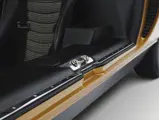
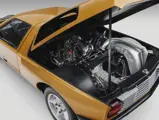
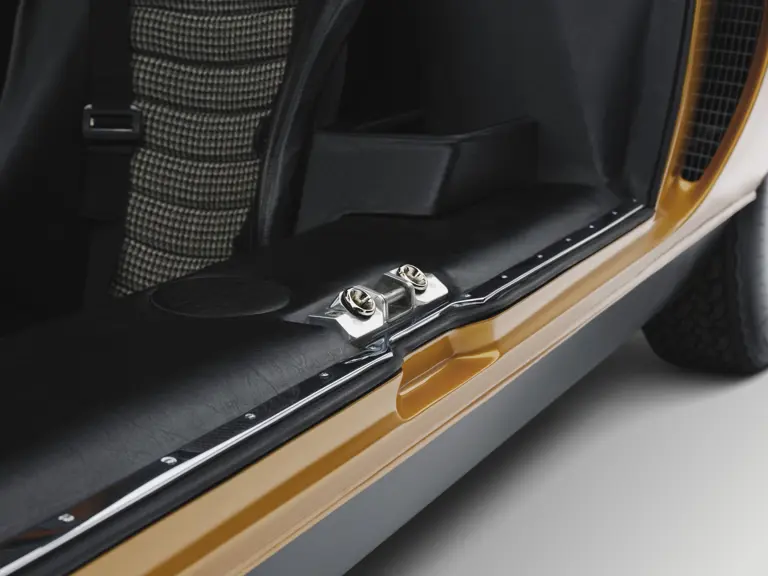
Powering the C 101 was the newest iteration of Mercedes-Benz Wankel engine development: the three-rotor M 950 engine. This engine was mid-mounted, just in front of the rear axle, backed by a five-speed manual transaxle with multilink rear suspension, perfect for high-performance. The drivetrain configuration, combined with the rubber bladder fuel tanks located in the door sills, gave the C 101 an excellent weight distribution, ensuring excellent handling. Bringing the C 101 to a safe stop were four-wheel disc brakes with later examples equipped with the Teldix anti-skid brake control system, an early anti-lock braking system (ABS).
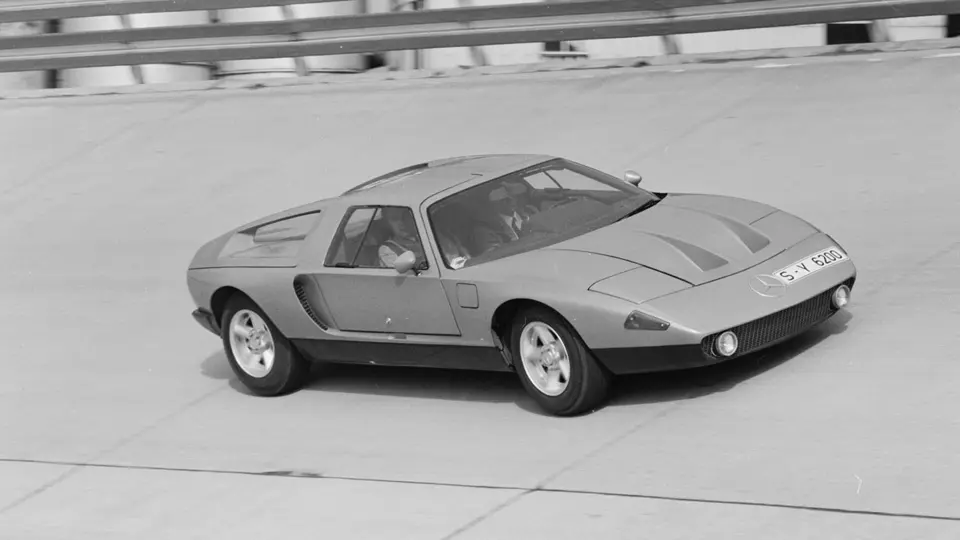
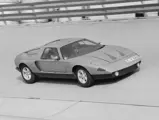
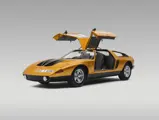
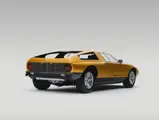
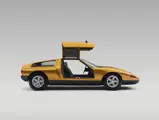
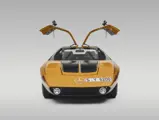
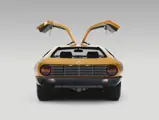
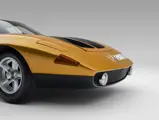
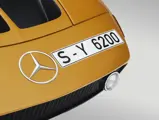
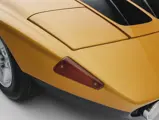
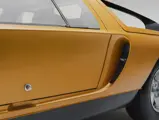
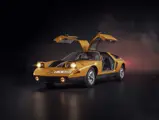
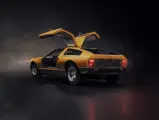
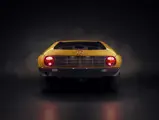
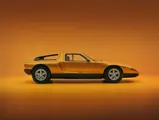
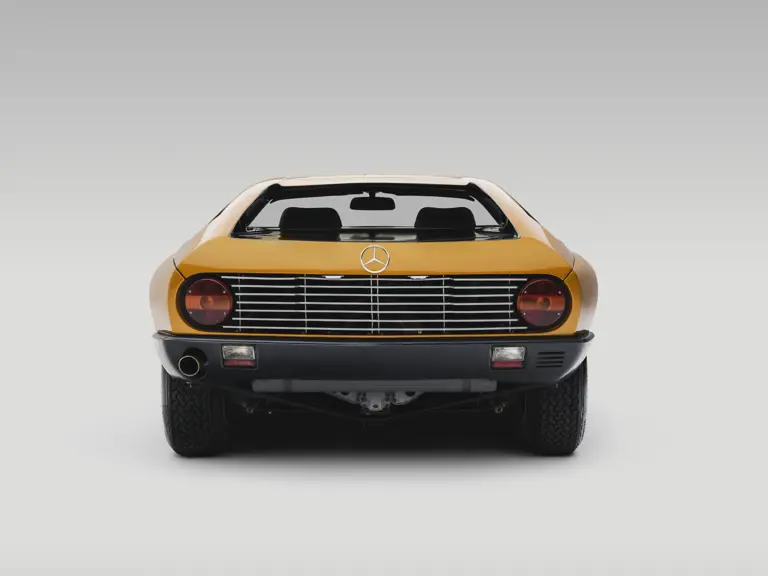
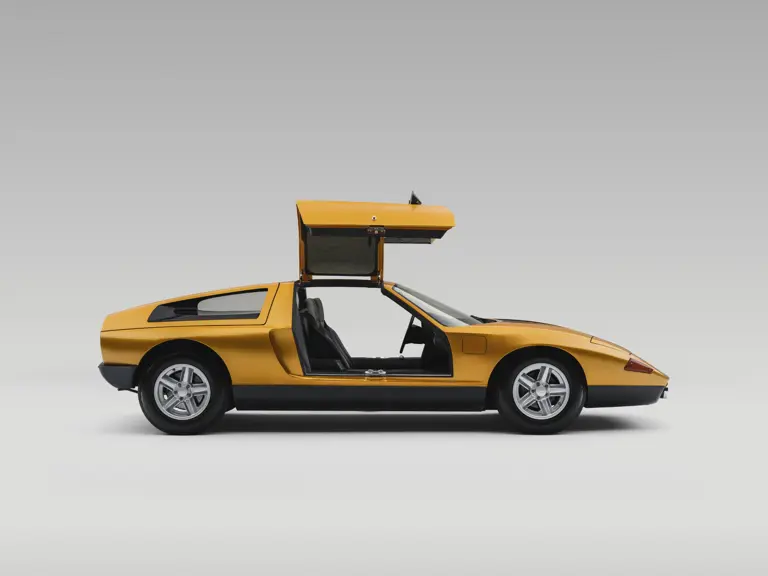
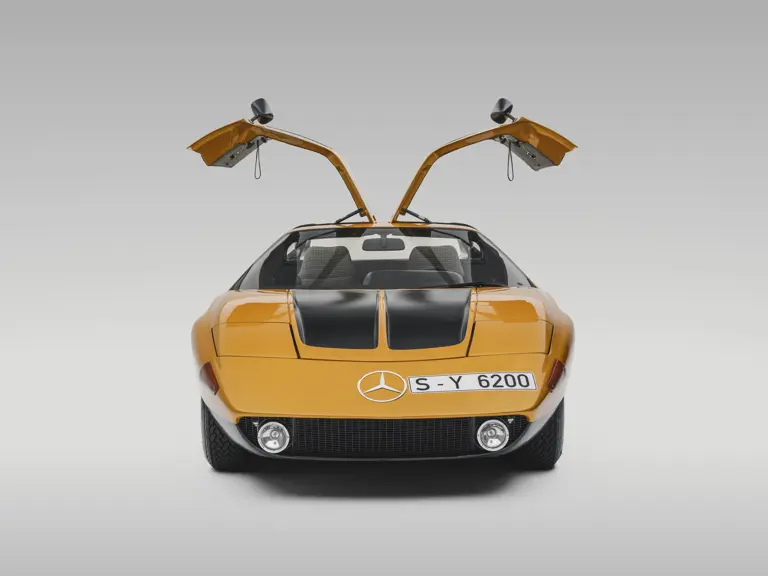
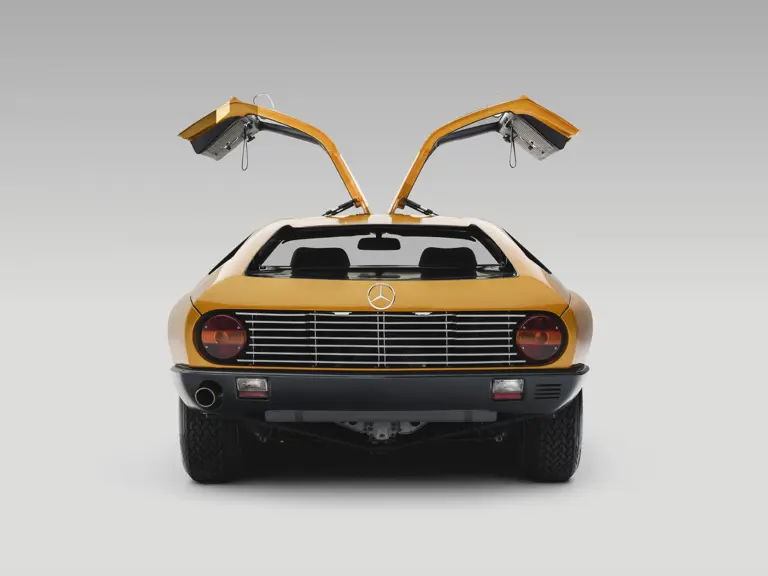
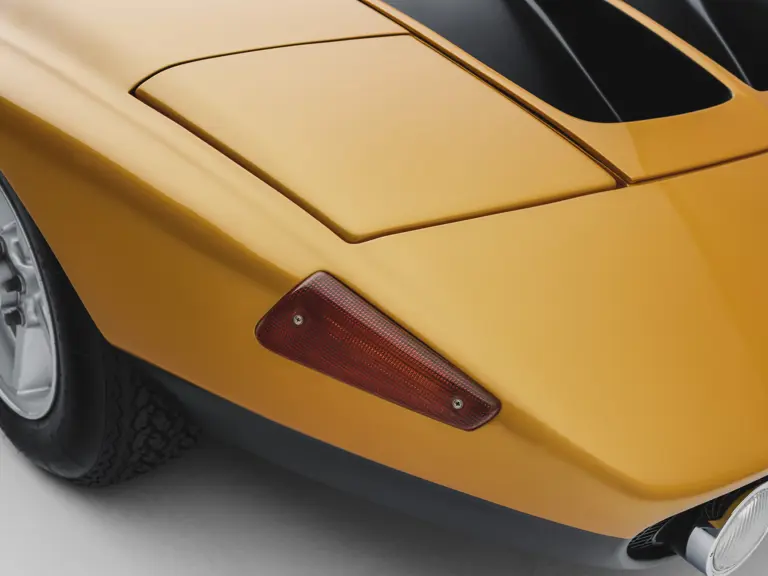
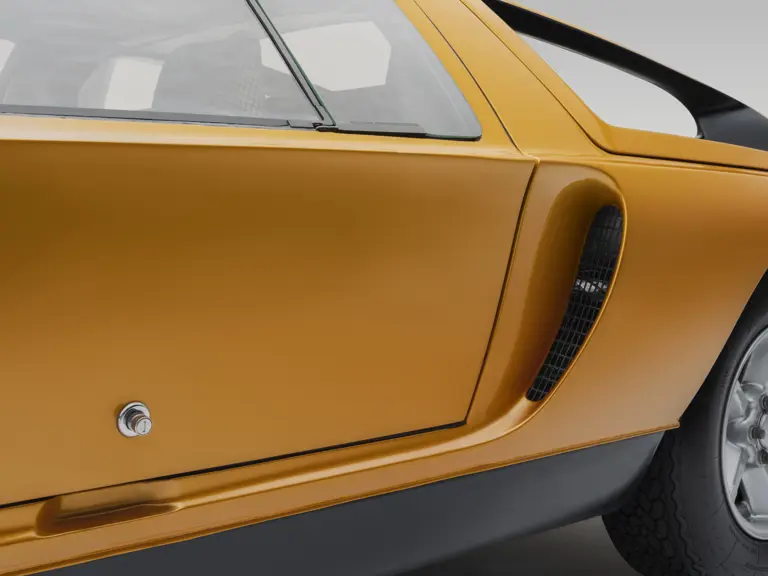
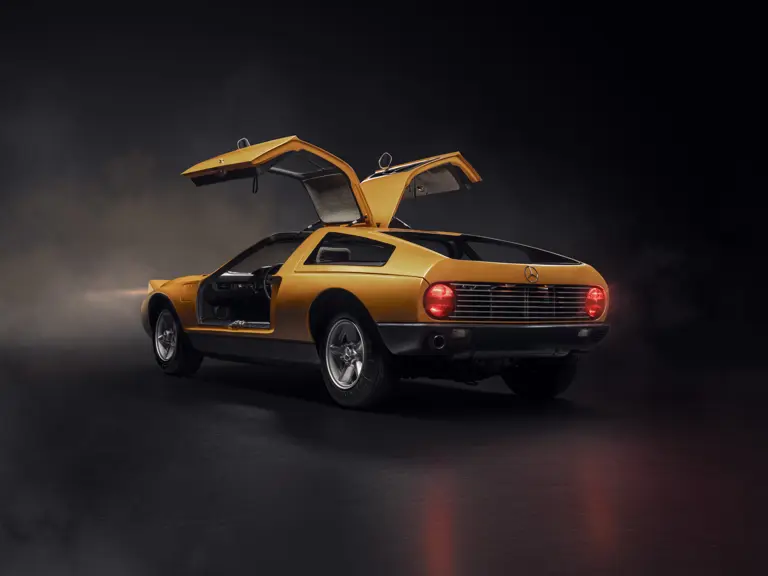
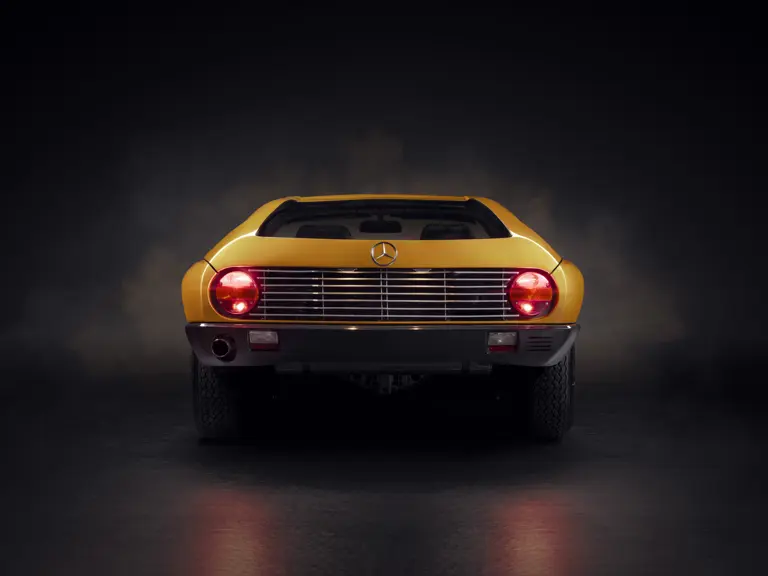
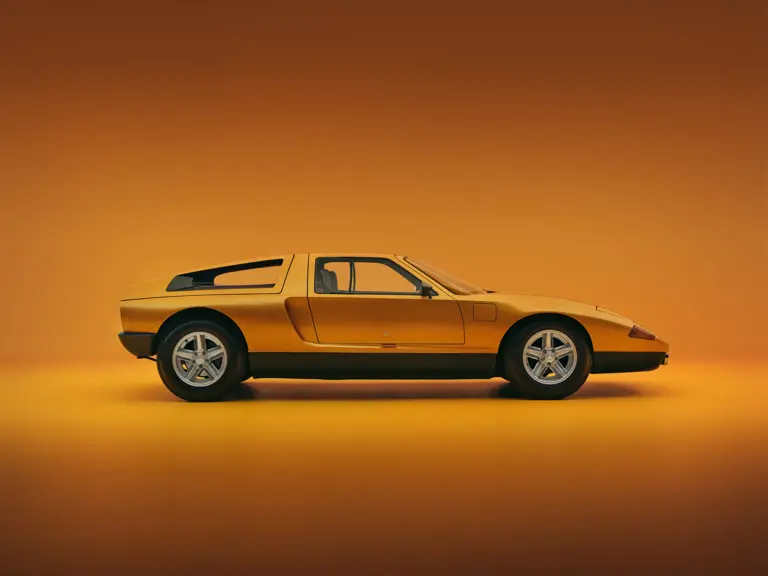
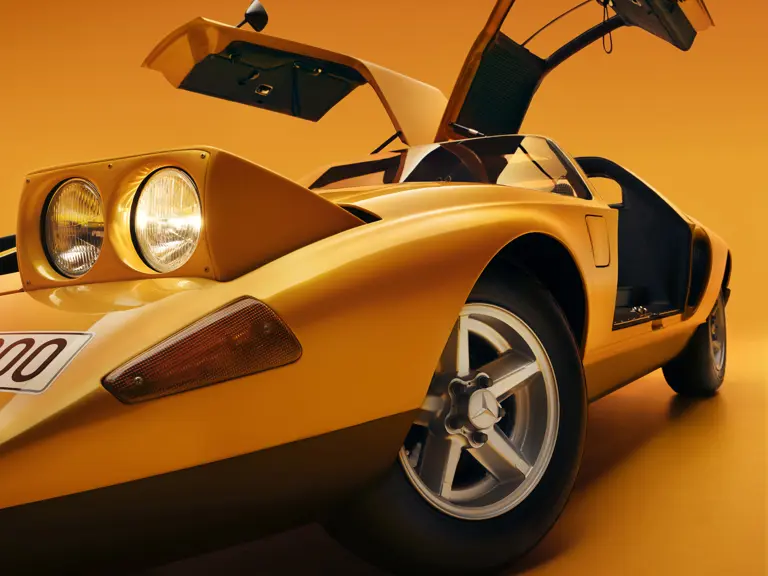
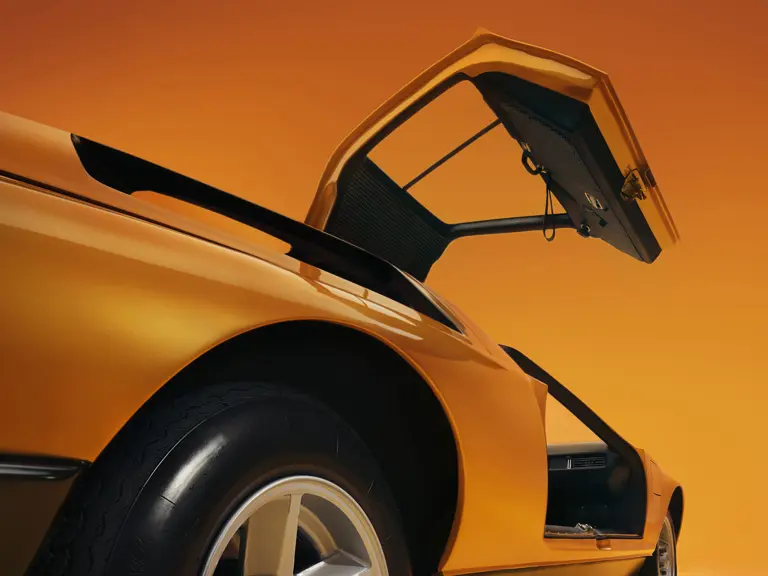
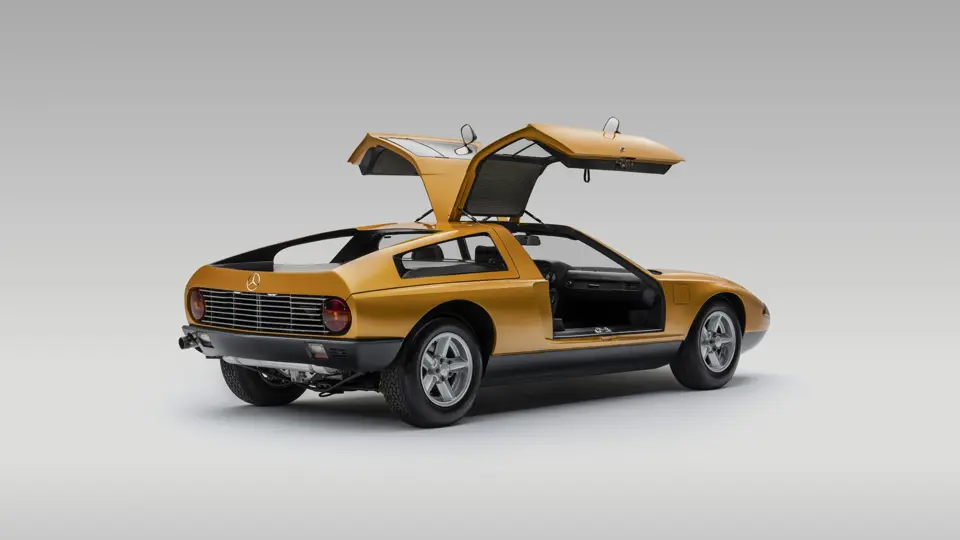
The design was a complete departure from Mercedes-Benz's conservative styling of the period. The C 101 featured futuristic wedge styling that struck a perfect balance between sharp angles and softened edges. The aerodynamic focus was evident in the car's low-profile, pop-up headlights, and dramatic, plunging nose. The iconic gullwing doors paid direct homage to the legendary 300 SL, while an aggressive rear profile proudly emphasised its mid-engine layout—defined by deep cooling intakes just ahead of the rear wheels and an engine cover with sweeping flying buttresses with quarter slats and an integrated space for a registration plate. The rear fascia featured a wide grille with stacked rectangular indicator, brake, and reverse lights on either side. Despite the departure in design, there was no mistaking who built this experimental car, with a large Mercedes-Benz three-pointed star prominently affixed at the front and rear.
The two-seater C 101 sports car was fittingly rolled out on 15 July 1969, the birthday of Rudolf Uhlenhaut, the father of the 300 SL. Uhlenhaut, then head of Mercedes-Benz Passenger Car Development, spent his special day testing the C 101 at Hockenheim. An exceptional driver in his own right, his feedback that day proved invaluable, leading to numerous improvements to the car.
That September, a press launch took place at Hockenheim, with Uhlenhaut himself taking press members on high-speed rides in the C 101 around the Hockenheimring. An issue of The Evening Post called new prototype a “Shapely Sports Machine”, while Linzer Volksblatt labelled it “An exclusive Wankel torpedo”. Autocar, meanwhile, put it simply, calling it the “Mercedes Enigma”.
Apart from Uhlenhaut, the only person allowed to get behind the wheel of a C 101 that day was former racing driver turned journalist Paul Frére. His racing successes included an overall victory in the 1960 24 Hours of Le Mans alongside Olivier Gendebien, in addition to securing three class wins at the historic circuit. Frére said that, if produced, the model “…would not only be the most comfortable and smooth, but also the fastest car of this kind. I am firmly convinced that there would be thousands of customers for such a car around the world”. His glowing review served as a highly prestigious endorsement for Mercedes-Benz’s new sports car.
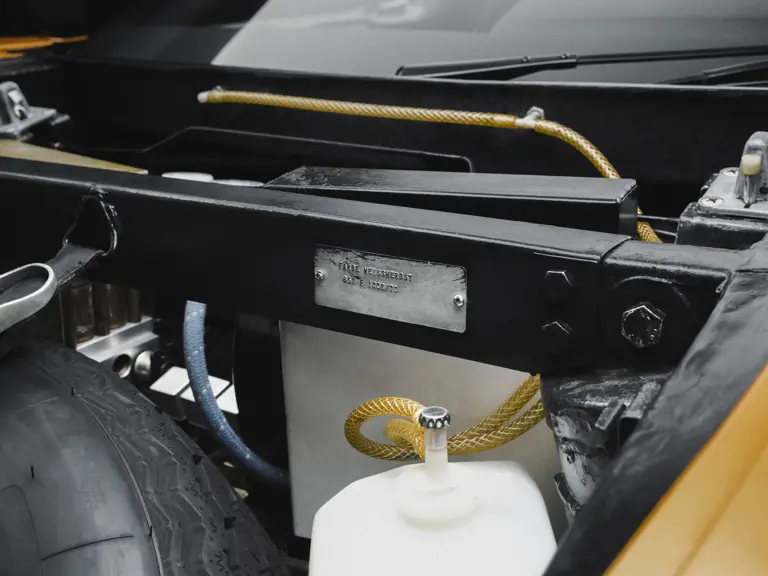
Ahead of the IAA Frankfurt Motor Show in September 1969, Mercedes-Benz officially decided to debut the new car as the C 111, to avoid issues with Peugeot’s global trademark of three-digit model names with a zero in the middle. Notably, the C 111 was set to be the first-ever show car from Mercedes-Benz. Finished in the eye-catching shade of Weißherbst (a metallic orange named after a distinctly coloured German regional rosé wine), the car was the talk of the show.
Despite overwhelming public interest and demand, not only from Frankfurt but at subsequent motor shows, Mercedes-Benz issued a press release in October 1969 stating that the C 111 was strictly not for sale—even a blank cheque could not secure one from the factory. This, however, did little to stop the offers from continuing to flood in as the C 111 was further displayed at motor shows in 1969 and early 1970.
THE C 111-II
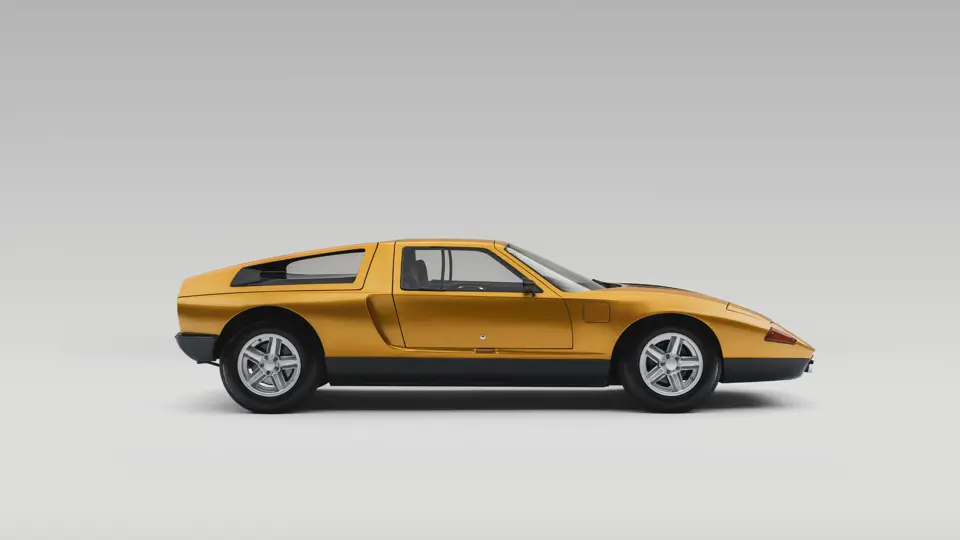
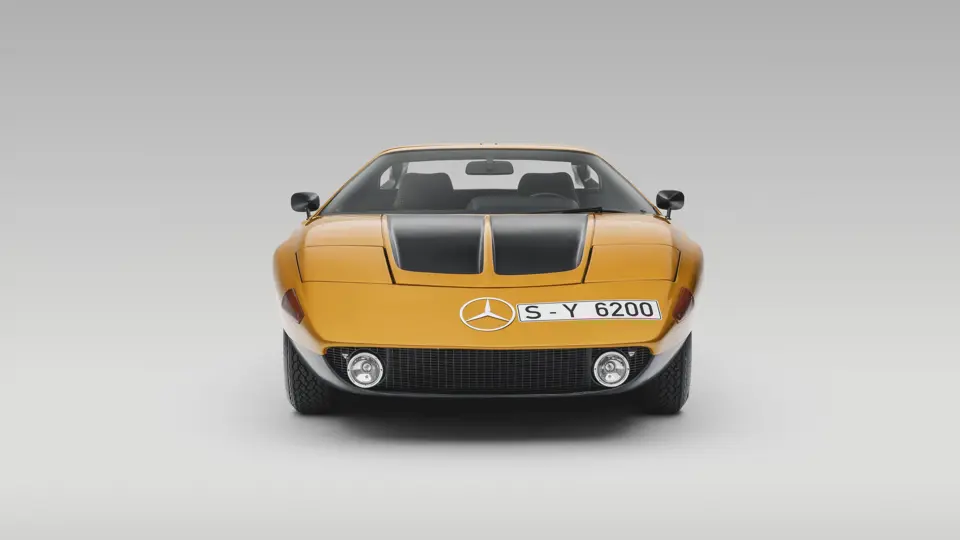
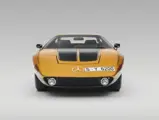
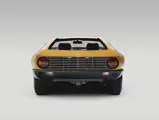
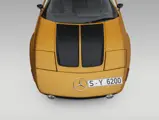
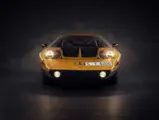
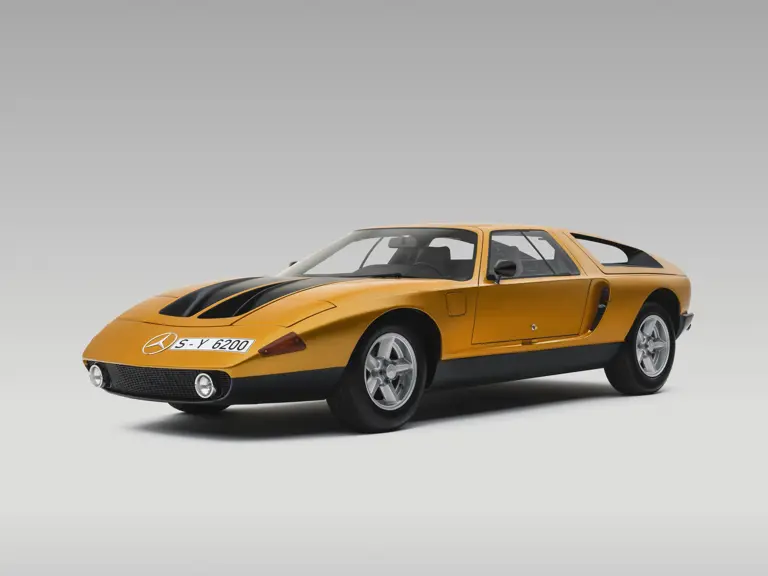
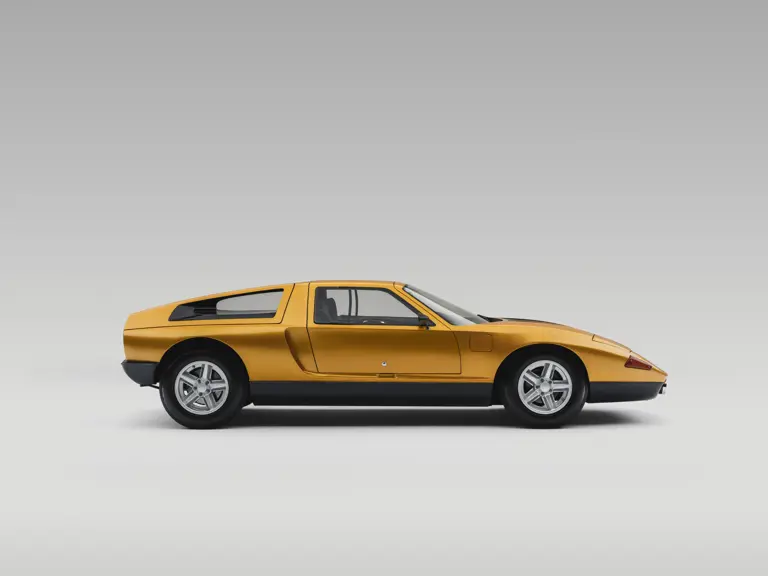
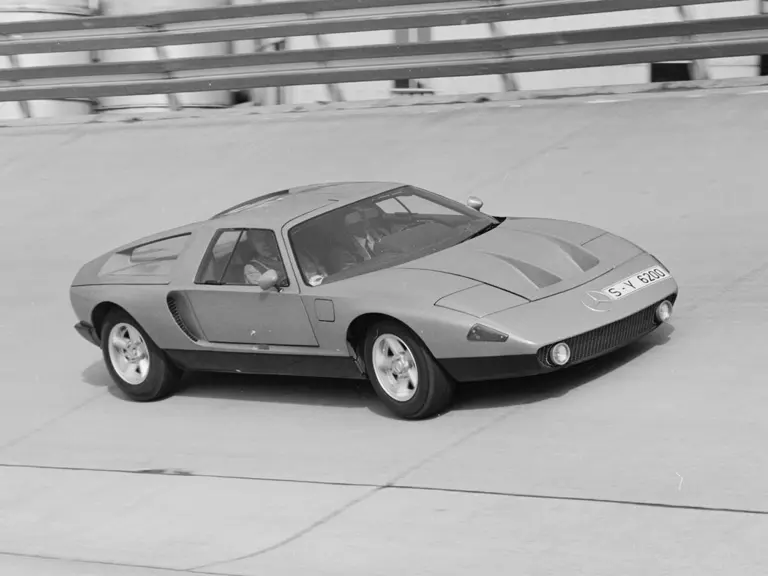
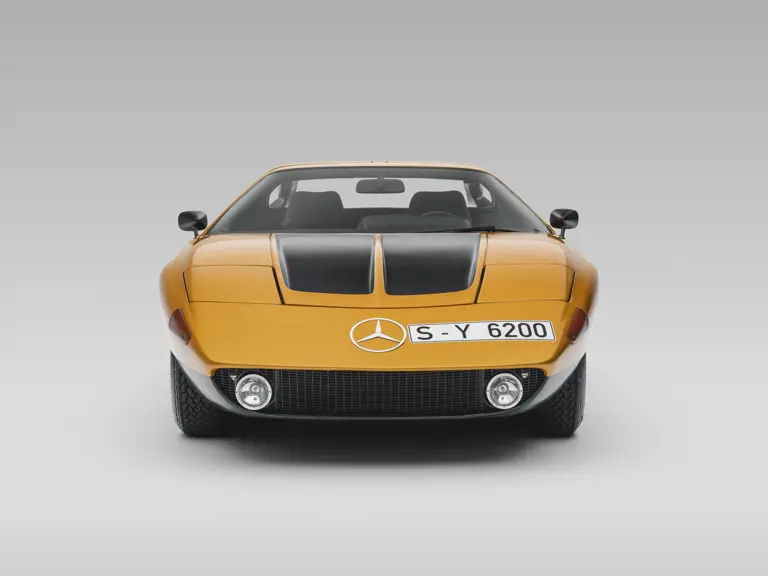
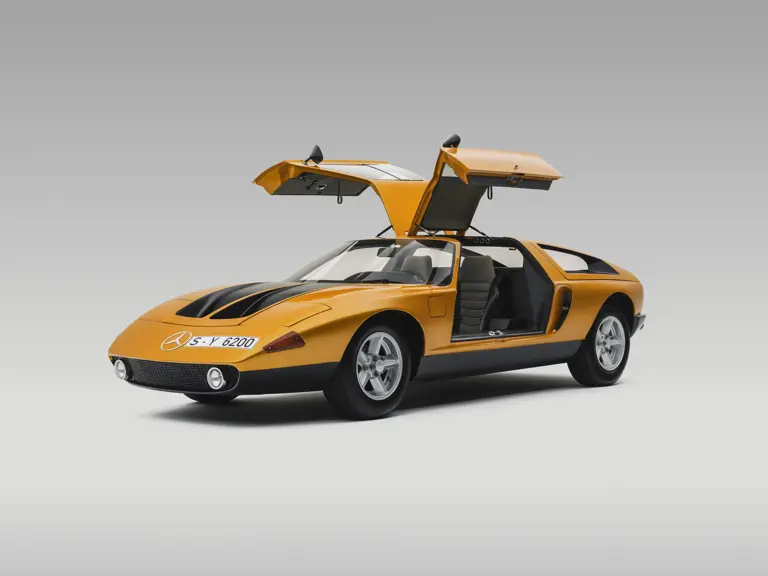
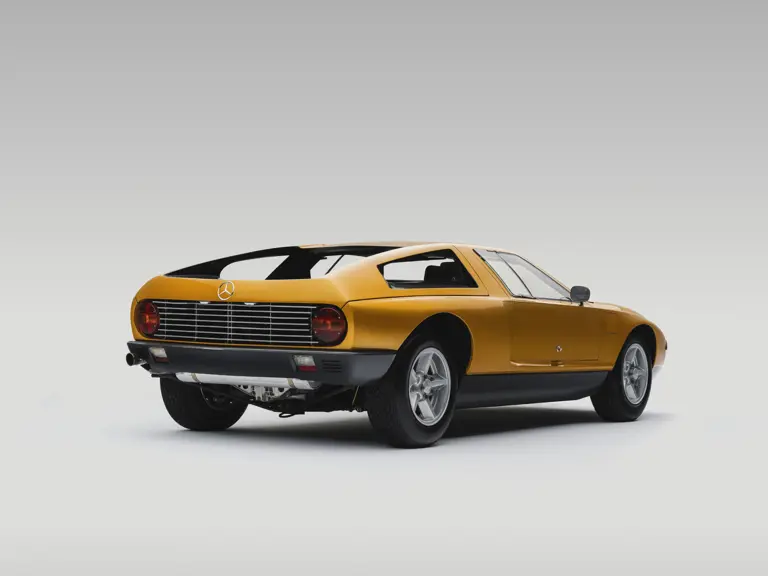
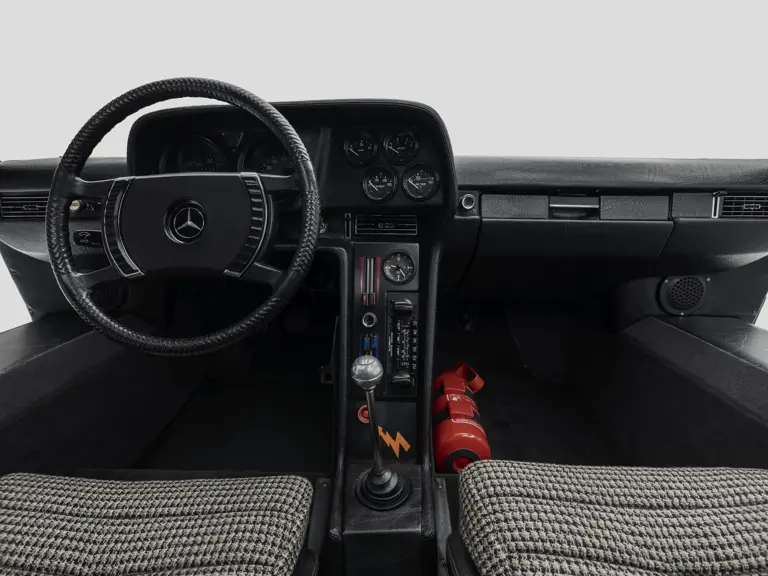
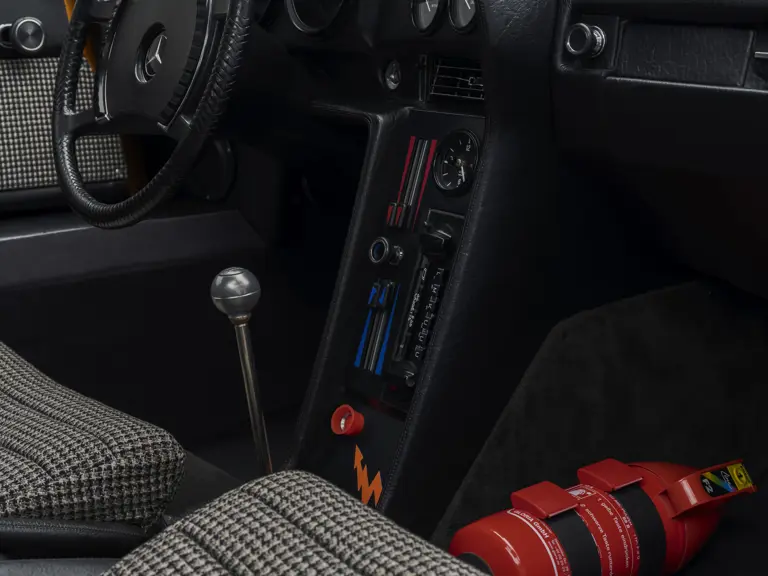
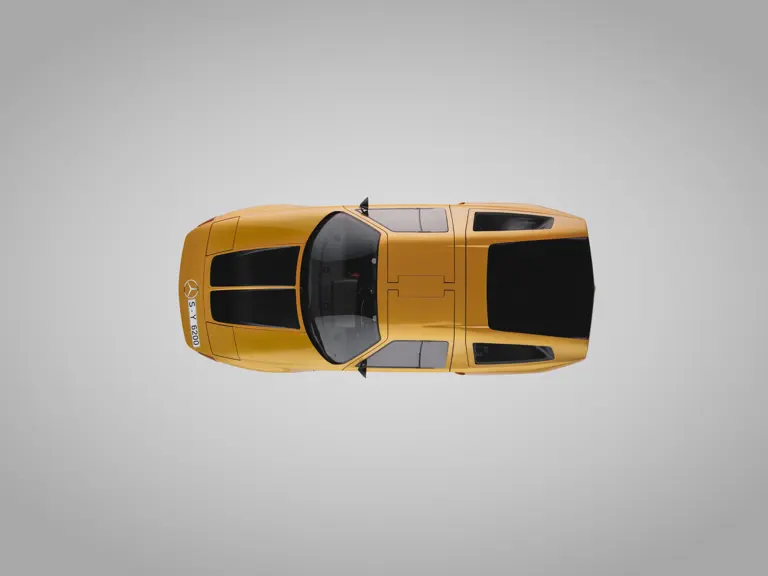
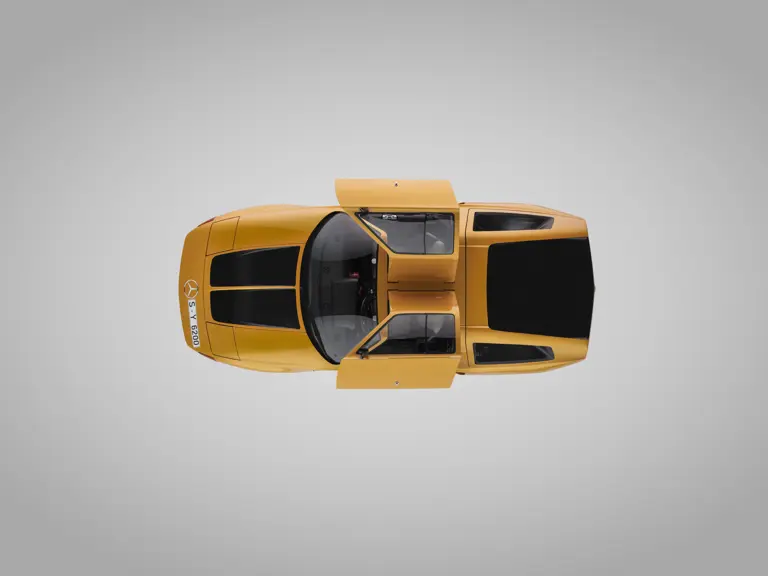
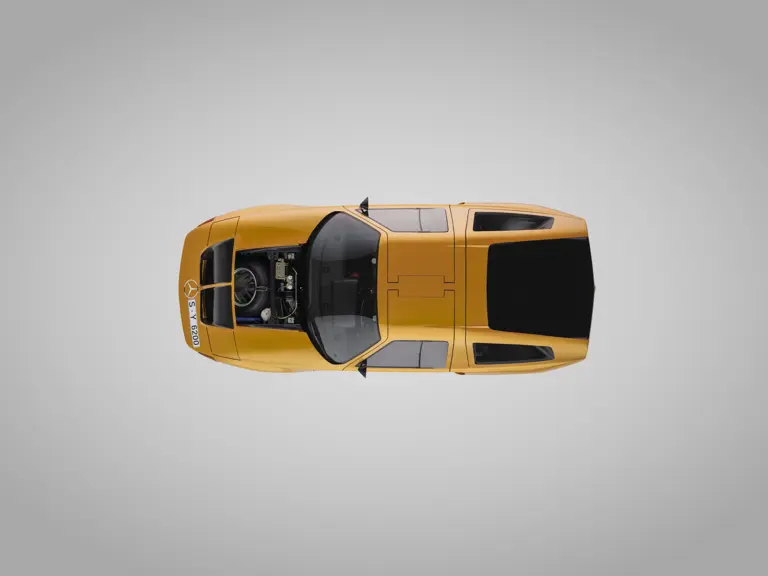
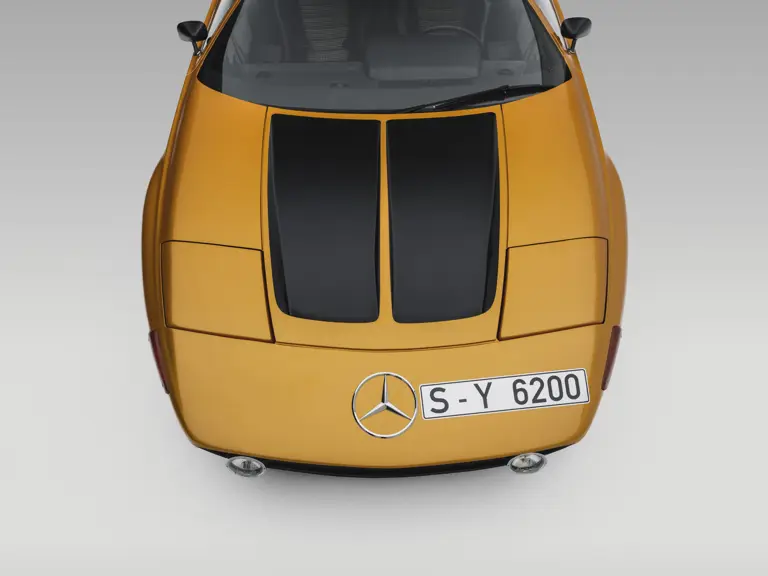
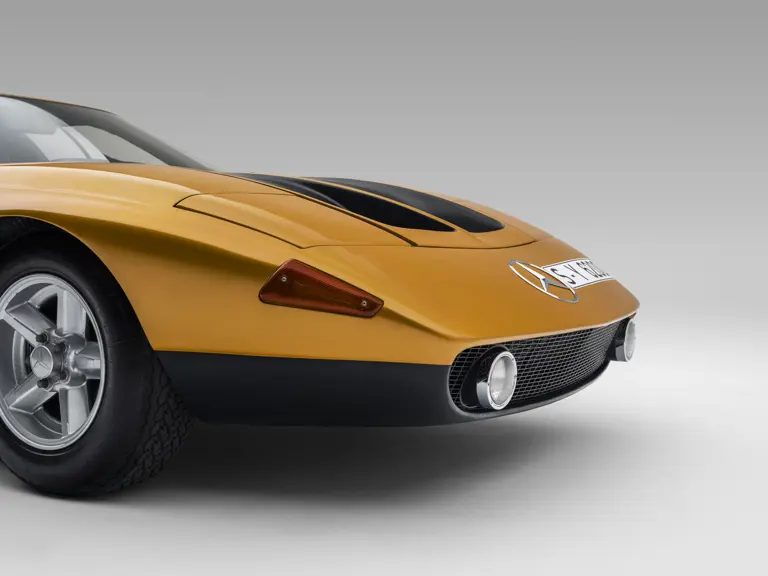
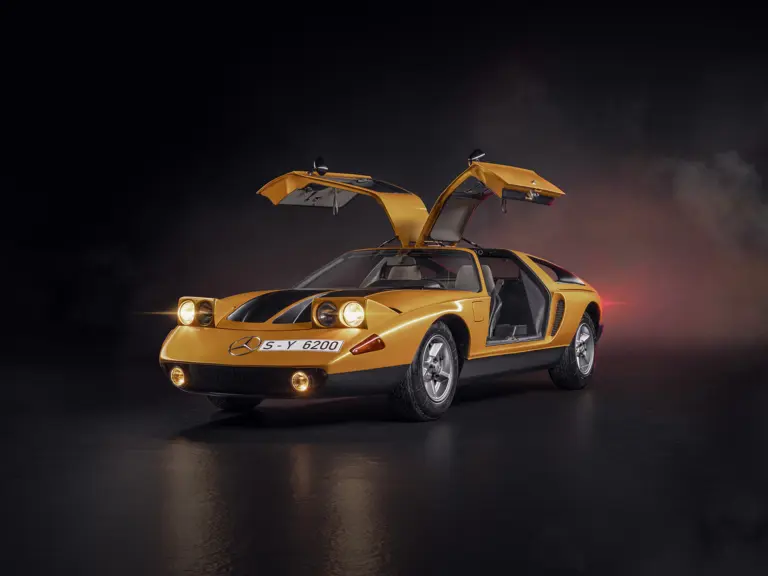
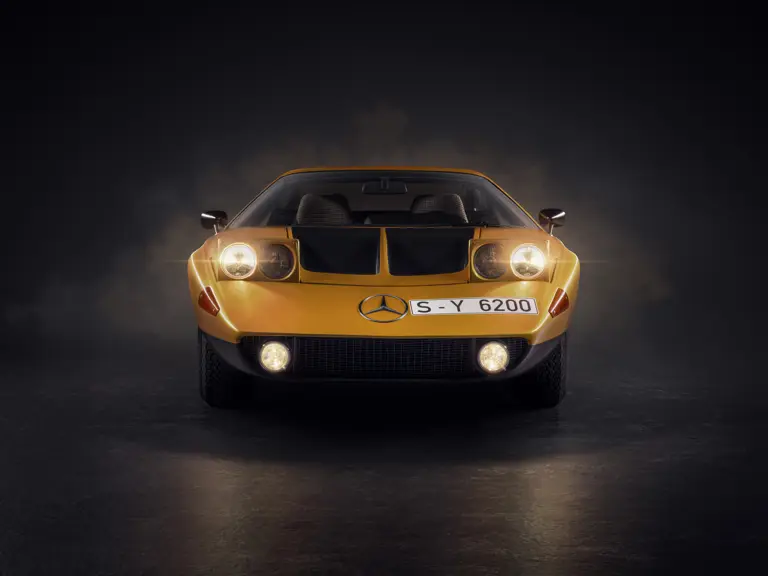
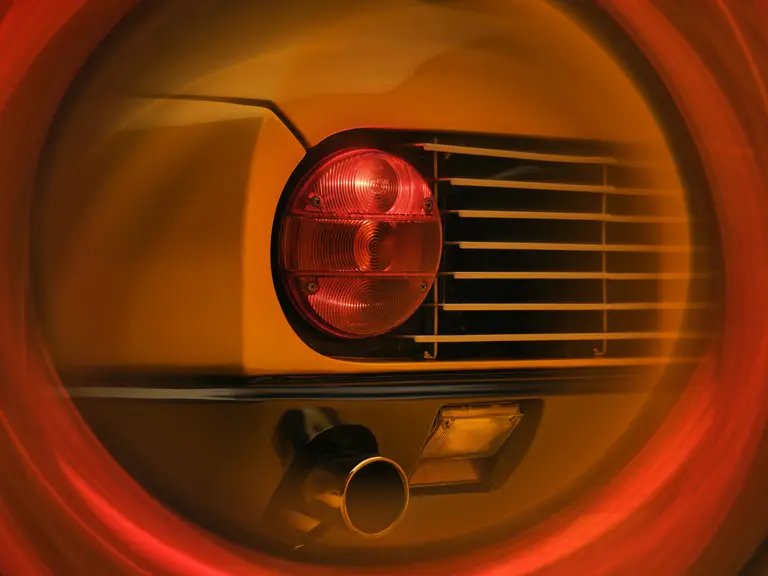
Building on the C 111's success, Mercedes-Benz advanced the model's development even as the initial car basked in the bright lights of motor shows. These widespread changes prompted a formal differentiation, leading to the internal designation of C 111-II. The redesign featured a revised front clip with fog lights integrated directly into a lower grille, a larger windscreen, and reshaped glass panels within the gullwing doors. To further improve driver visibility, the rear engine cover was redesigned with open buttresses, while the car’s overall beltline was lowered to create a sleeker silhouette. A more polished rear fascia rounded out the changes, highlighted by distinctive circular taillights. The eye-catching Weißherbst finish was carried over, while the top of the two front bonnet vents as well as the top of the engine cover were, from early 1971, finished in black. The C 111-II was also further refined inside, with welcome additions like a full console leading up to the dashboard including a radio, clock, and climate controls.
The new C 111-II was not only more attractive, but more powerful. Now equipped with Mercedes-Benz’ latest rotary engine, a four-rotor version of the M 950 producing as much as 350 horsepower, it was capable of a top speed of 300 km/h. The impressive horsepower rating put the engine in similar territory as Ferrari’s 365 GTB/4 Daytona and Lamborghini’s Miura, both V-12s, while besting their top speeds by nearly 20 km/h, a testament to the C 111-II’s aerodynamics, lightweight construction, and high-revving Wankel powerplant.
Impressively, just six months after the Frankfurt debut of the C 111, the series C 111-II debuted at the 1970 Geneva Motor Show, advertised as a laboratory on wheels—and, once again, not for sale. The new and improved C 111-II continued to dominate the press, overshadowing Citroën’s debut of the SM and the reveal of the first-generation Range Rover. Feedback was overwhelmingly positive for the refined C 111-II, with numerous wealthy clients around the world attempting to acquire the experimental cars, once again a offering blank cheque.
The board of Mercedes-Benz had begun working out what a limited production run might look like, and what it might cost to produce in road car form. The show cars would tour in 1970 and 1971, furthering the industry hype. In April 1971, famed advisory board member Friedrich Karl Flick, who himself owned billions in Mercedes-Benz stock, wrote to the then Mercedes-Benz Spokesman for the Board of Management, Joachim Zahn, stating: “The C 111 is absolutely sensational. It certainly puts everything that’s come before it in the shade.” Flick was one of very few people outside the engineering department to drive a C 111; in his case, he had one for a weekend. Frustratingly, this and other glowing reviews and public demand were not enough to sway the board’s decision.
THE CAR THAT WAS NOT FOR SALE
In November 1971, the board decided there would be no series production of the C 111. Mercedes-Benz’s development department had identified 38 present or future regulations the C 111 would not be able to meet in the United States market. US regulators in this era were particularly concerned with limiting vehicle emissions, a challenge for rotary engines in this period, in addition to forthcoming NHTSA bumper impact standards and the upcoming fuel economy standards. Among other challenges, the C 111 would require a completely new rotary engine to satisfy the new regulations. While other engine types were apparently discussed, the C 111’s design was so focused around the compact rotary engine that a larger, conventional powerplant would require a complete redesign of the car.
In total just 17 examples of the experimental or record-setting C 111s were built, of which eight were C 111-IIs (including one show car with dummy engine and two cars with plastic floor assemblies, which were finished as late as 1975 never became part of the test fleet). Today just 13 examples remain, each of which has been retained by Mercedes-Benz’s factory collection for nearly six decades, despite numerous customer offers.
Arguably among the most famous models to have never entered series production, the C 111 holds an influence far larger than the limited number of chassis built might suggest. Strikingly modern in its styling, its design would be echoed by the wave of wedge-shaped supercars that crested in the years that followed. Its lines still appear fresh compared to vehicles built decades later. It pioneered computer-aided engineering practices that are taken for granted in the vehicle development programmes of today. The model was even immortalised by famed American artist Andy Warhol, who featured it in four different 1986 silkscreen printings executed as part of his Cars series commissioned by Mercedes-Benz in celebration of the 100th anniversary of the automobile.
Underscoring the C 111’s ongoing significance more than five decades after its debut, it was the clear source of inspiration for the Mercedes-Benz Vision One-Eleven, the futuristic concept revealed in 2023. Though the Vision One-Eleven trades rotary power for electric motors, the influence of the past is clear in its proportions, its gullwing doors, and even its colour, a nod to the Weißherbst paintwork made famous on the C 111.
WAGEN 33
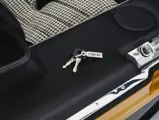
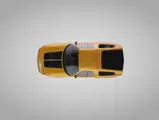
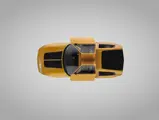
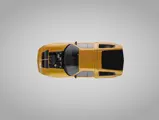
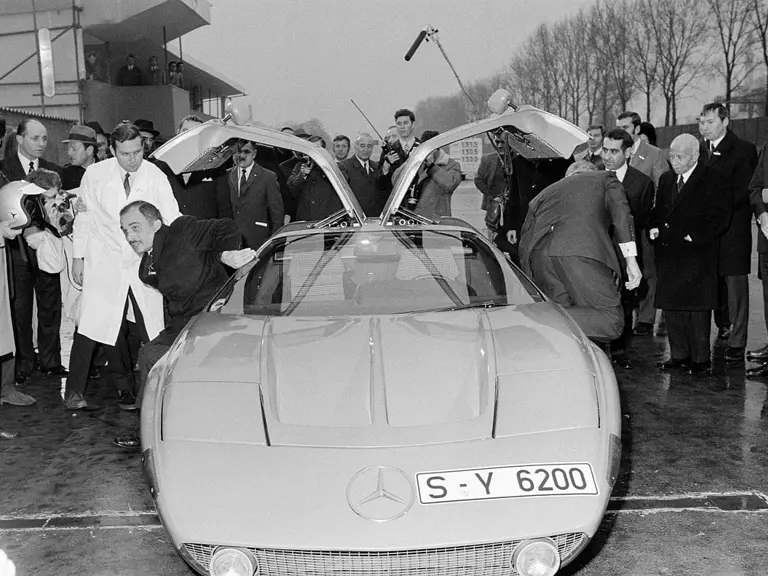
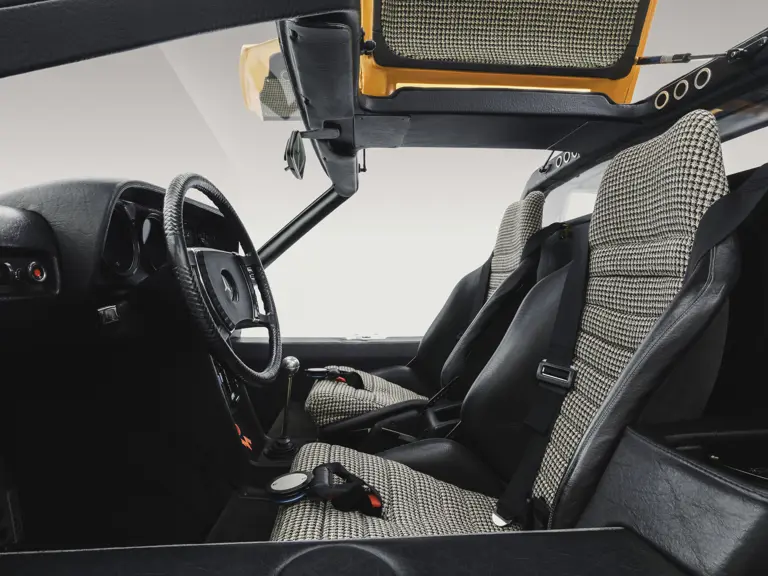
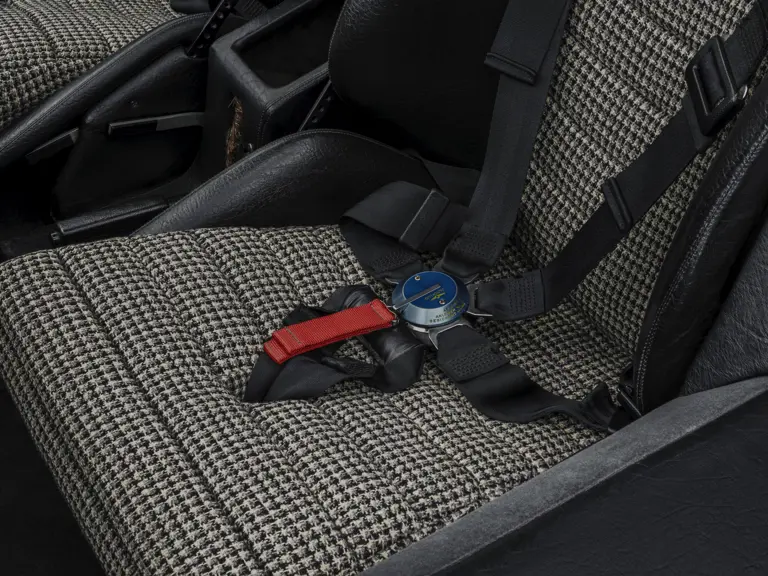
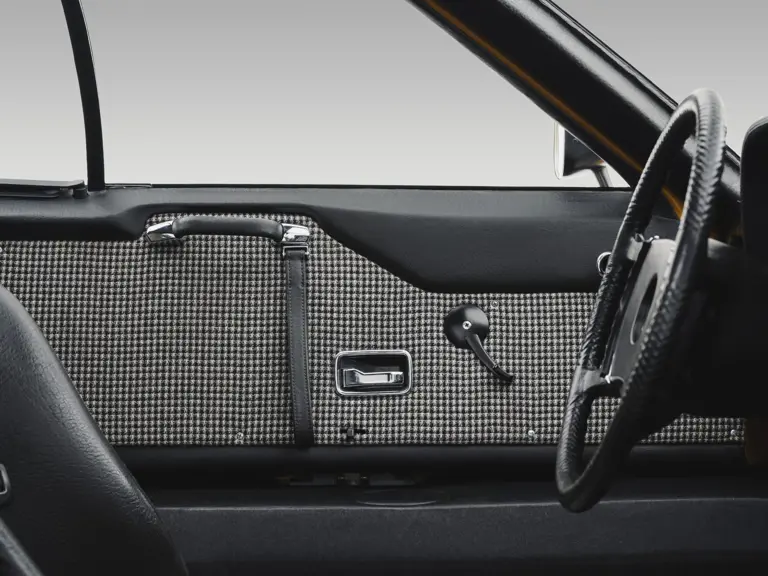
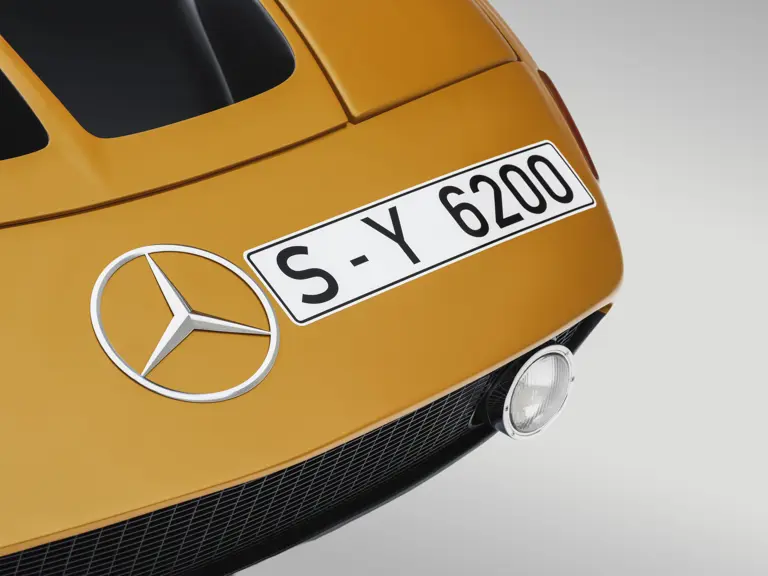
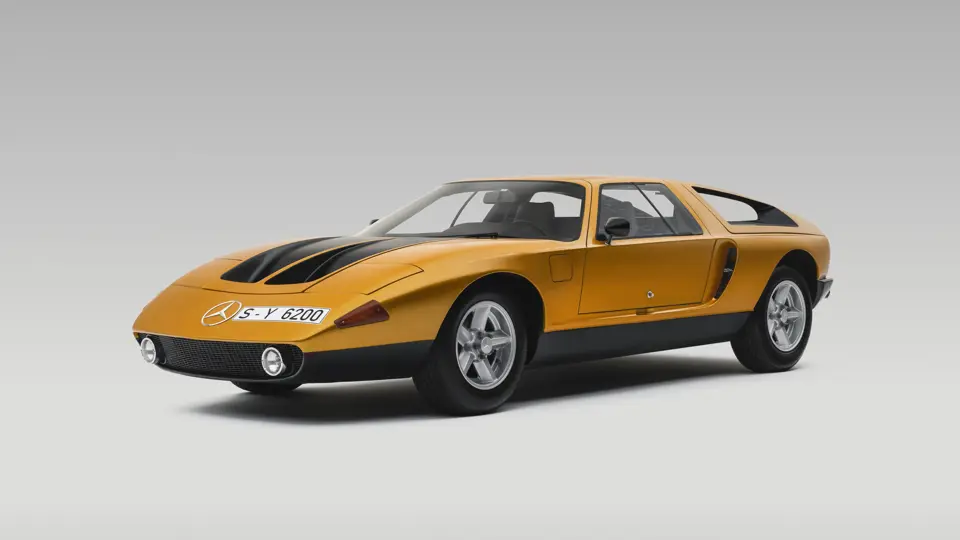
In early March 1970 production began on the third C 111-II, Wagen 33. By the end of the month, the chassis was assembled in Sindelfingen; by April, it was shipped to Untertürkheim to receive the powertrain. From 28 April to 22 May 1970, the body was completed and installed at Rastatt, then eventually shipped back to Untertürkheim on 25 May. On 2 June, Wagen 33 was sent to Sindelfingen to receive paint and trim. There, it was finished in Weißherbst over a grey and white “Hahnentritt” (houndstooth) interior. Wagen 33 then returned to the Experimental Department in Untertürkheim, though it was unable to be completed until August, when it received the four-rotor M 950 Wankel engine with Bosch mechanical direct injection. Upon completion in August, Wagen 33 was registered under licence plate “S-Y 6200” and officially joined Mercedes-Benz’s experimental fleet.
Its first measure of service in the experimental department was testing the fluidic element of the sill-mounted fuel tanks, ensuring that they drained at even levels, which this car helped quickly prove a functional design. In December 1970, Wagen 33 was used to test luggage compartment temperatures. Conducted by Rudolf Uhlenhaut himself, this was the infamous “butter test”—a piece of butter was placed in the compartment, the reasoning being that if it did not melt during driving, compartment temperatures were within acceptable parameters. The focus on something as practical as luggage compartment usability—on a car born of pure engineering ambition—speaks to the overall maturity and high state of development of the C 111 programme.
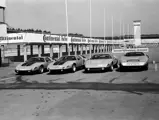
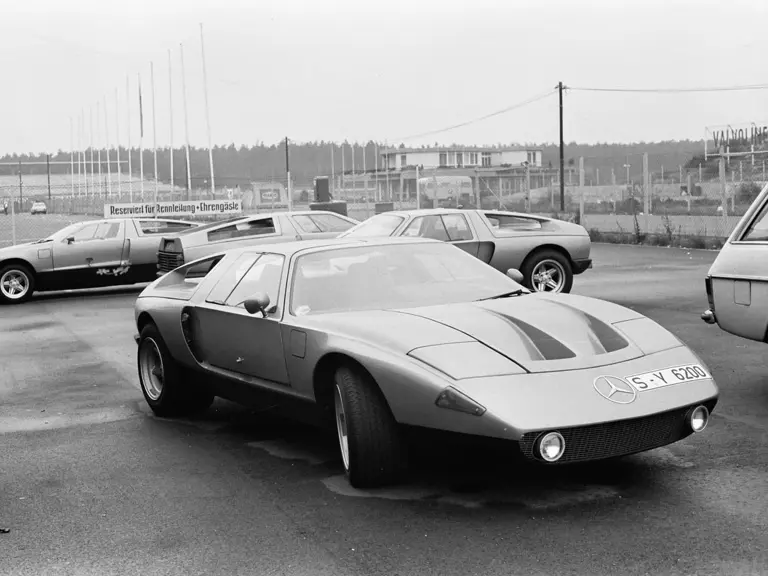
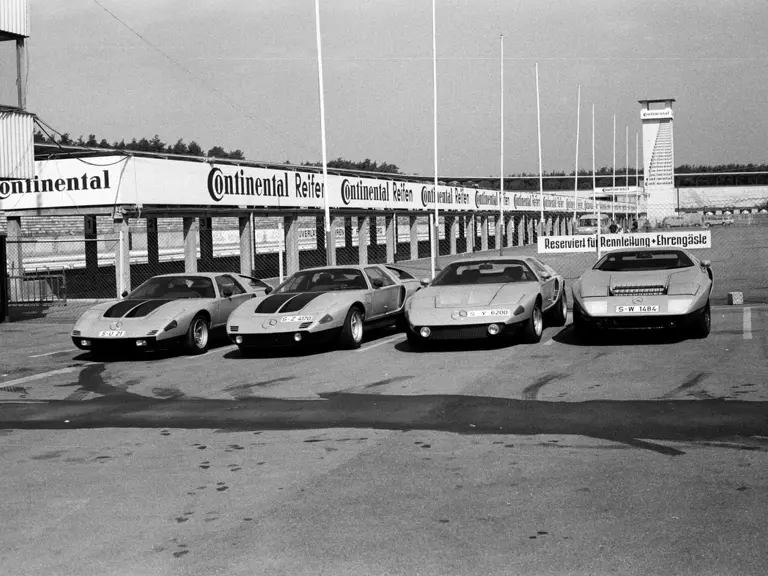
Wagen 33’s last official use in testing would come in August 1971, when it was put through its paces in Hockenheimring testing alongside Wagens 25, 31, and 34. That day, a great photo of the four road-registered cars was taken in the pits showing different iterations of the C111-II development.
Wagen 33 was also used for demonstration purposes. Notably, in April 1971, it was used as a demonstrator for world-renowned Austrian conductor and automobile enthusiast Herbert von Karajan, then serving as conductor of the Berlin Philharmonic. Von Karajan had purchased a Mercedes-Benz 300 SL Gullwing in Weißgrau with Rudge wheels brand new in 1955 and was one of very few people outside of Mercedes-Benz to have gotten behind the wheel of a C 111 in period. In August 1972, Wagen 33 appeared in a feature article written by noted automotive historian Halwart Schrader in the first German edition of Playboy magazine.
In September 1975, Wagen 33 was officially transferred from Mercedes-Benz’s experimental department over to the company’s private vehicle collection, where it was put on museum display. In March 1976, Wagen 33 was shown for just over a week at UL-Landau, followed by a display at the Heidenheim Museum from 30 July to 12 August. A year later, it was shown from 29 July to 8 August at Bundesgartenschau, a Federal Horticulture Show. From 4 April 1979 to 4 November 1986, Wagen 33 was displayed at Verwaltungsgebäude Mettingen.
In May 1986, Wagen 33 participated in the Grand Prix de Pau weekend and was shown at Ausst. Werk Berlin at the end of that month. In August 1986, Wagen 33 was displayed at the Oldtimer GP Nürburgring alongside several Silver Arrows in Mercedes-Benz’s celebration of 100 years of the automobile. Additional museum loans included display at Automuseum Stockerau in 1988, Auto & Technik Museum Sinsheim from April to September 1991, Landesmuseum für Technik und Arbeit (Technoseum) Mannheim from October to November 1992. Following its stay at Landesmuseum für Technik, Wagen 33 was shown at the Essen Motorshow from 27 November to 6 December 1992. The last two usage entries on the factory build record are for Car Graphic of Japan in early July 1993, and later a month-long exhibition at the Brüggemann Company from 1 September to 1 October 1993.
In early 1999, Wagen 33 was exhibited at the Science Museum in London. With the opening of the Mercedes-Benz Museum in Stuttgart in May 2006, Wagen 33 was proudly displayed as part of the Fascination of Design exhibition. It remained there until January 2024, when it was replaced in the display by Wagen 32, the second C 111-II built and the show car with dummy engine that was displayed at the Geneva Motor Show in March 1970. Wagen 33 was then transferred to the experts at the Mercedes-Benz Classic workshop for a thorough technical inspection, with preparations made to restart the Wankel-powered car for the first time in over 20 years.
After this recommissioning, it was shown at the 2024 Pebble Beach Concours d’Elegance. Preceding the show, Wagen 33 and a Mercedes-Benz two-litre Targa Florio race car led the field of show cars on the Pebble Beach Tour d’Elegance, a 70-mile round trip on scenic 17-Mile Drive and Highway 1 to Big Sur. On Sunday, Wagen 33 was driven onto the famed Pebble Beach 18th green to the amazement of the dawn patrol crowd. It was shown in the Wedge Shaped Concept Cars & Prototypes class though not judged, as is customary for cars from the Mercedes-Benz company collection. During Monterey Car Week, Wagen 33 was made available for the press at the Salinas Airport, reviving interest in the extraordinary C 111.
In February 2025, Mercedes-Benz proudly displayed Wagen 33 at Rétromobile in Paris, a central highlight of its show stand alongside Maria Callas’ Mercedes‑Benz 600. In March 2025, it was featured in the Mercedes-Benz C 111: The Definitive History of the Mysterious Supercar That Never Was by Gerhard Heidbrink and Joachim Hack, the most encompassing book published on the C 111, including covering the history of Wagen 33. In July, Wagen 33 was sent to Silverstone ahead of the Formula 1 British Grand Prix. There, Mercedes F1 team driver George Russell used Wagen 33 as his “morning commute car”, arriving in style ahead of the 4 July practice session in the C 111. Two weeks later Wagen 33 was displayed at Heizrclub Stuttgart on July 20, an impressive gathering of over 500 classic cars. A few months later, in September 2025, Wagen 33 was shown at the Concours of Elegance held at Hampton Court Palace in the United Kingdom.
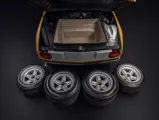
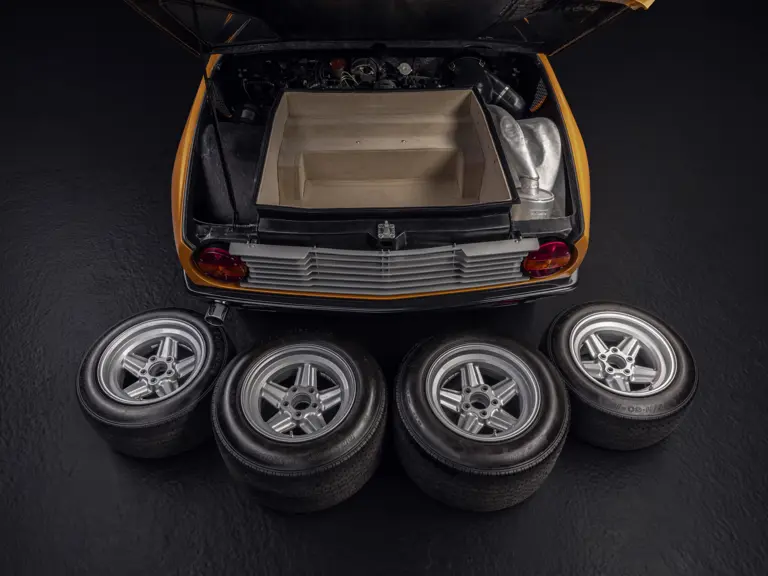
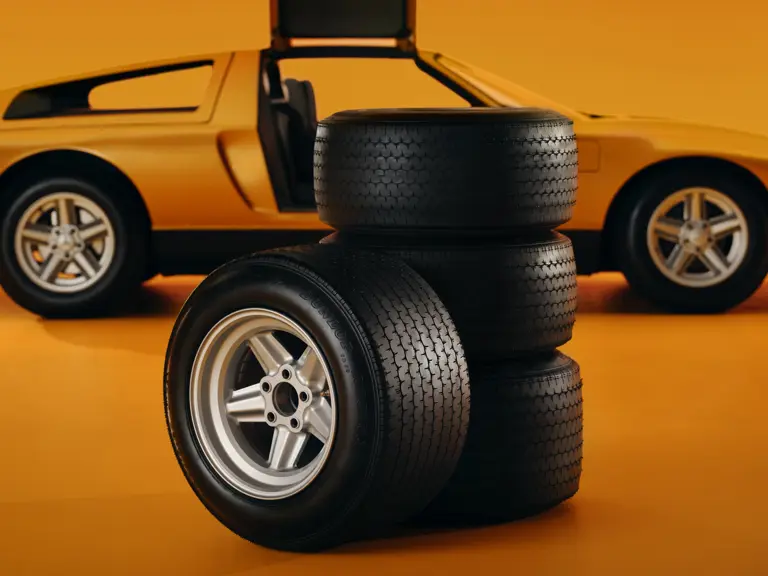
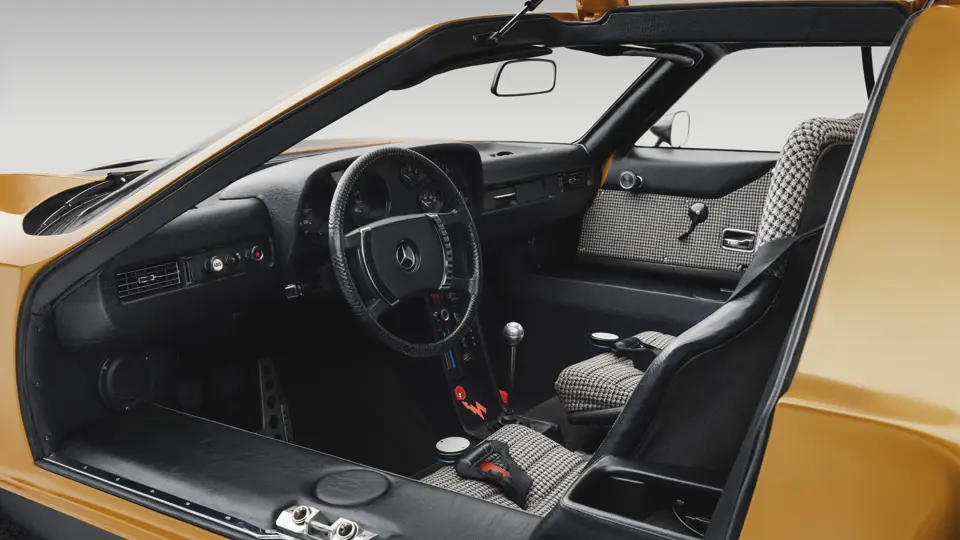
Wagen 33 is now offered in its original Weißherbst over a grey and white “Hahnentritt” (houndstooth) interior. It presently rides on a set of 8x15-inch light-alloy wheels with 215/70 R15 tyres, which were used on the street. It is also accompanied by a staggered set of wider “race” light-alloy wheels, as used in period for high-speed testing. They are 10x15 inches at the front with 4.50/11.60-15 tyres and 13x15 at the rear with 5.50/13.60-15 tyres. However, due to their age and condition, these wheels are strictly for static display and cannot be used for driving.
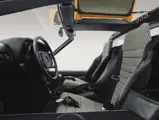
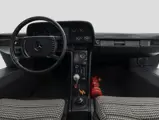
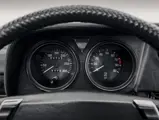
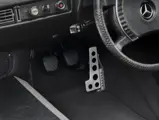
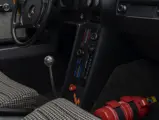
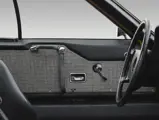
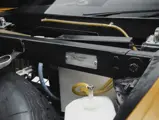
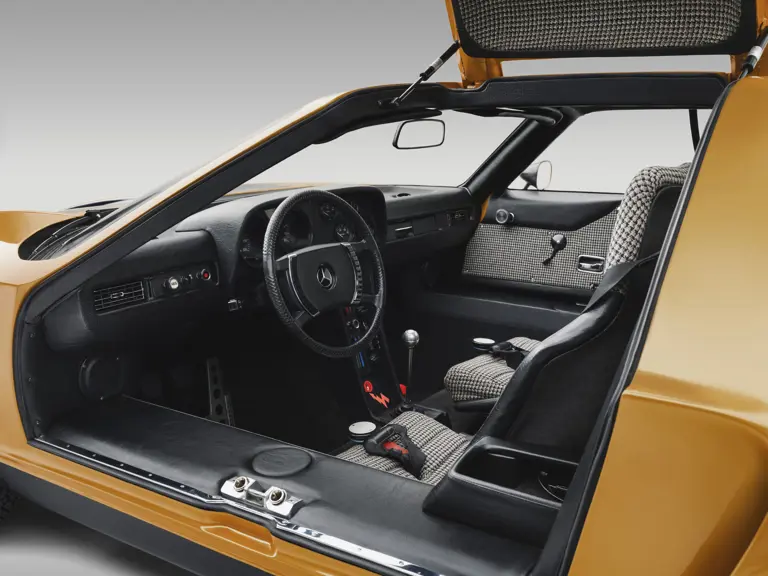
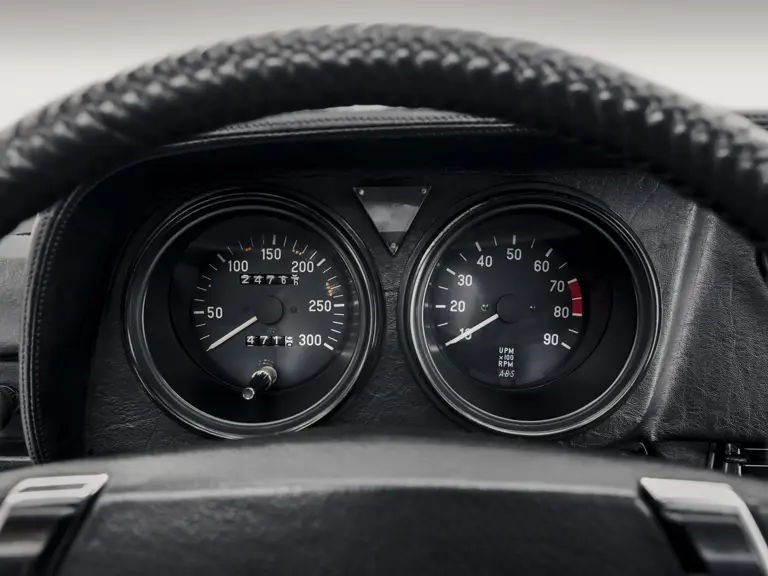
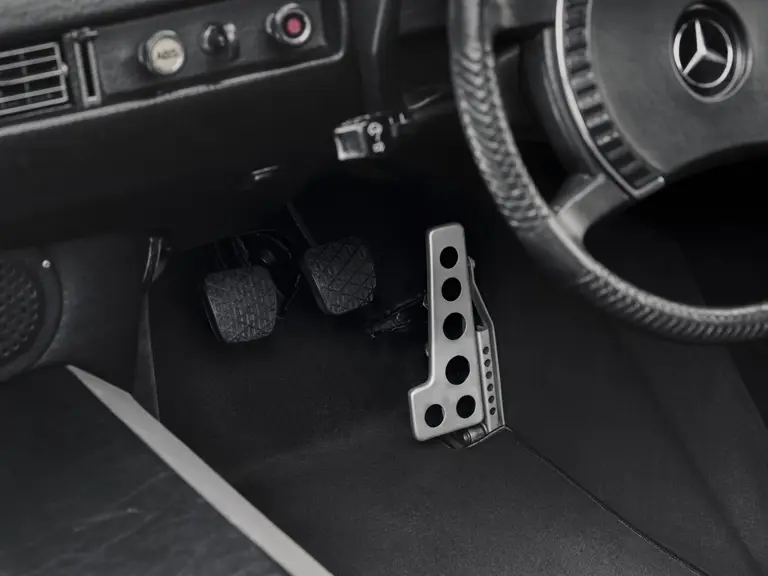
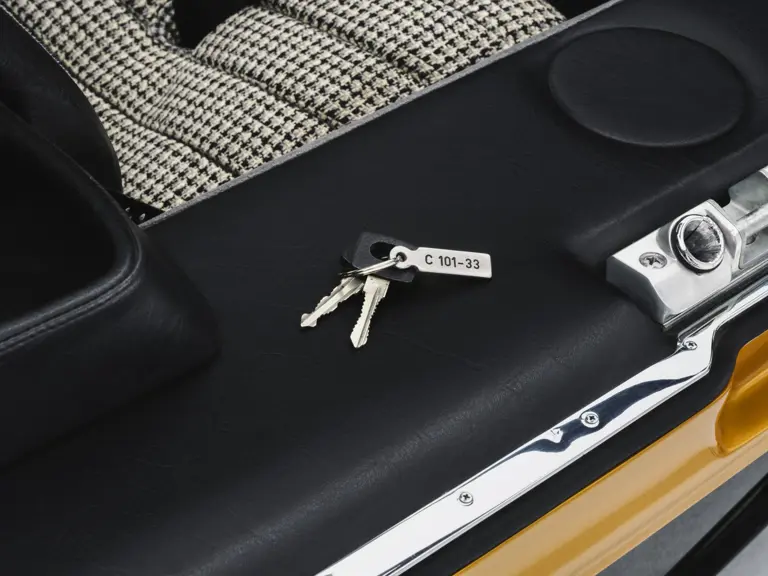
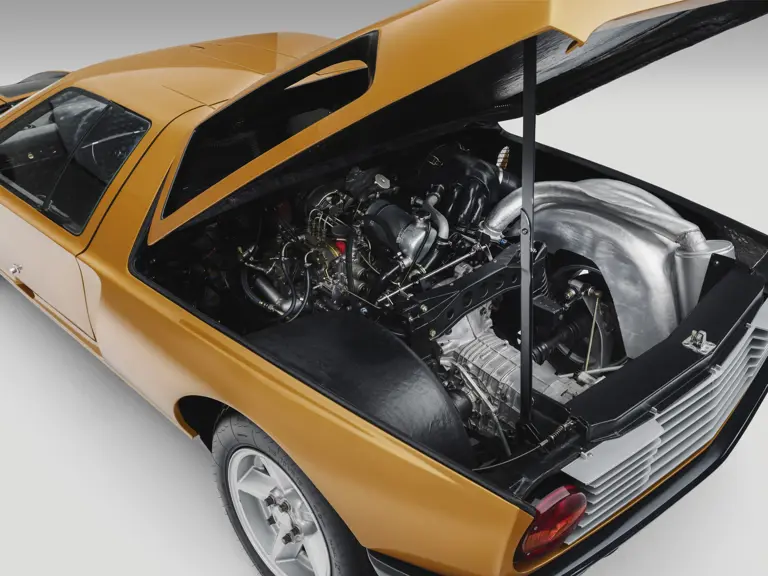
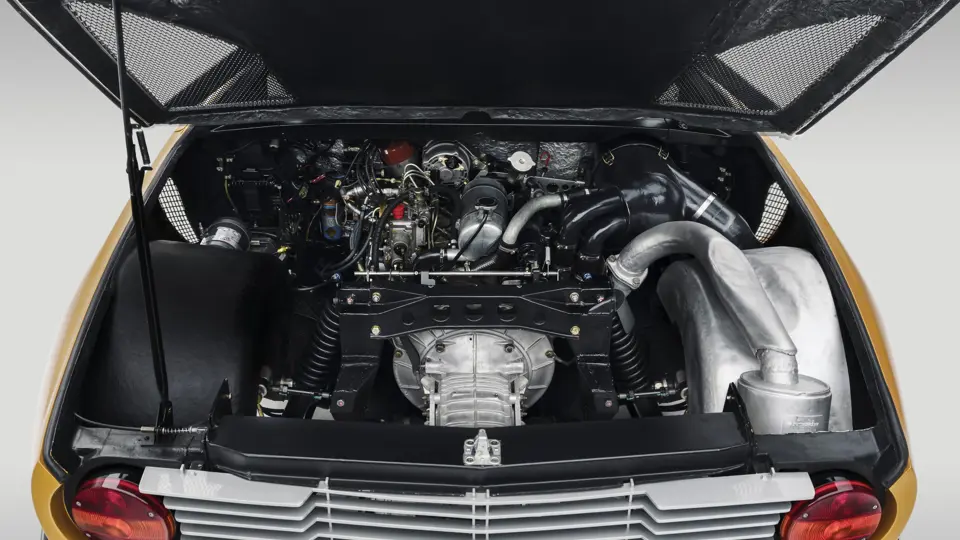
Wagen 33 is powered by the 350-horsepower, four-rotor M 950 W 48 Wankel engine featuring Bosch direct fuel injection. The engine is backed by a five-speed ZF transaxle with shifter lockouts for both reverse and the dogleg first gear, a motorsport-inspired addition to avoid bad changes. Its leather-bolstered racing seats feature multipoint racing harnesses. The gullwing door panels are, like the seat inserts, also trimmed in houndstooth. The driver is greeted by a basket-weave leather-wrapped four-spoke steering wheel, a similar design of which would find its way into the R 107 SLs and later W 123 and S-Class saloons. Behind the steering wheel is a 300 km/h speedometer and 9,000-rpm tachometer, and off to the right is a full suite of VDO instrumentation angled towards the driver.
Certain creature comforts were added to the C 111-II, and this example has a VDO clock and Becker Europa radio with cassette. Used in period testing for luggage compartment temperatures, the car does include the rear luggage bin and has been upgraded with a modern fire suppression system.
Having covered only 24,766 kilometres at time of cataloguing, Wagen 33 offers an unrepeatable opportunity to acquire an iconic Mercedes-Benz prototype that never went into series production—a model sought after for decades, but one that could not be purchased at any price. Now, for the first time ever, a C 111 is available for acquisition.
It is often said that imitation is the sincerest form of flattery, and the C 111 is definitive proof. Its radical wedge design was ahead of its time, establishing a silhouette that echoed across the automotive landscape for decades. The C 111 is a model immortalised by Andy Warhol and fiercely desired by collectors who offered blank cheques in period—the masterpiece Mercedes-Benz refused to sell. Nearly six decades later, its status as a 1970s icon is indisputable, a legacy freshly cemented by its modern reinterpretation, the Mercedes-Benz Vision One-Eleven.
Today, the unobtainable becomes attainable. The first C 111 ever offered to the public, this four-rotor Wankel-powered C 111-II, one of just seven produced, represents an ultimate prize for the world’s most discerning collectors. With Mercedes-Benz contractually committed not to offer another C 111 for sale for at least the next 25 years, this is an opportunity that truly comes once in a generation.
 | Paris, France