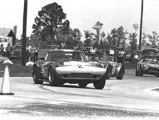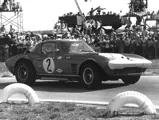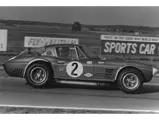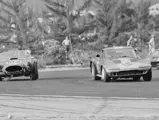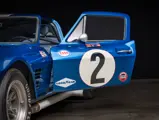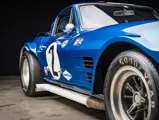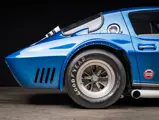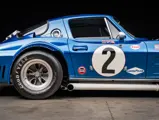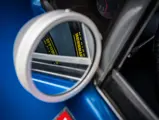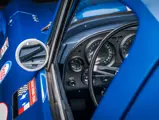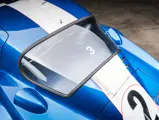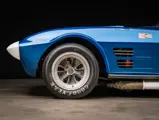


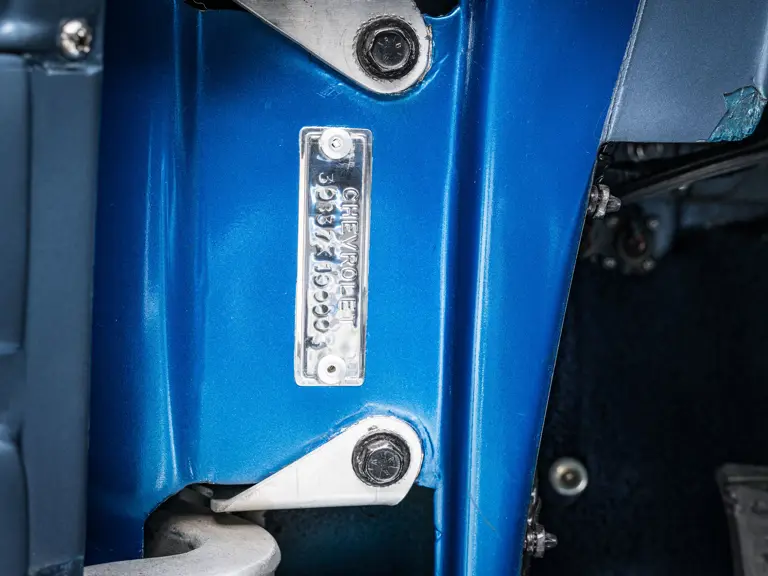

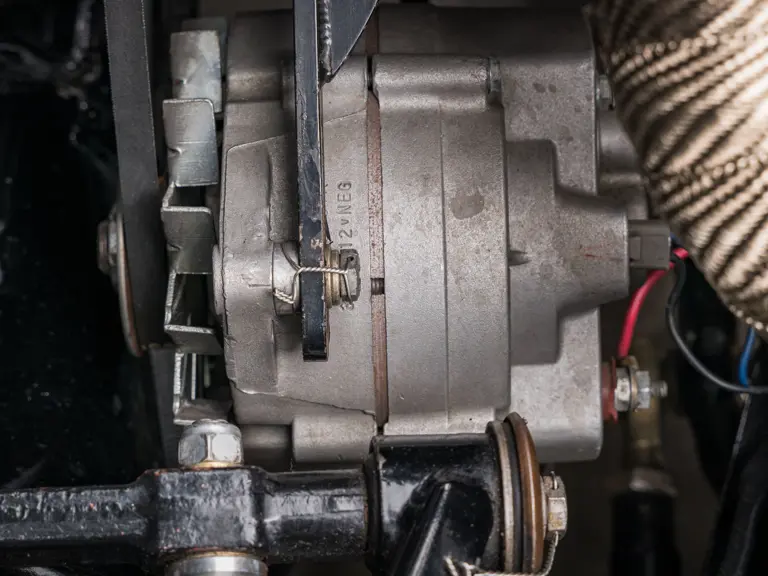
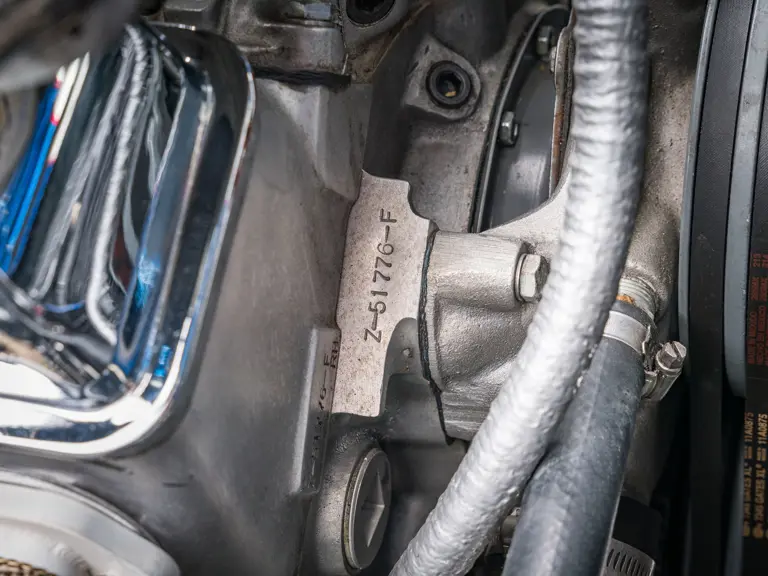
Chassis No.
30837X100003
$18,705,000 USD | Sold
{{bidding.lot.reserveStatusFormatted}}
DUELING WITH SERPENTS
Few individuals have shaped the history of the Corvette more profoundly than Zora Arkus-Duntov. Arriving at Chevrolet in 1953, the gifted engineer and accomplished racing driver immediately recognized the Corvette's untapped potential. Fresh from class victories at the 24 Hours of Le Mans in 1954 and 1955, Arkus-Duntov envisioned America's sports car not merely as a stylish road machine, but as a genuine international racing contender capable of challenging Europe's finest.
His influence was immediate. He successfully championed the introduction of Chevrolet's small-block V-8 into the Corvette for 1955, transforming the model's performance overnight. Yet Arkus-Duntov's ambitions reached far beyond production automobiles. Throughout the latter half of the 1950s he quietly developed increasingly sophisticated competition machines—including the SR1, SR2, and Corvette SS—each serving as another step toward the ultimate expression of Corvette performance.
Achieving those goals required perseverance. General Motors' official withdrawal from factory racing, coupled with resistance from influential executives including Bill Mitchell, forced Arkus-Duntov to pursue many of his projects with limited corporate support. Nevertheless, his conviction never wavered: Given the proper engineering and development, the Corvette possessed every ingredient necessary to defeat the world's best sports cars.
The arrival of the all-new Sting Ray for 1963 provided the ideal foundation. Dramatically restyled and available for the first time as the now-iconic split-window coupe, the new Corvette represented a major leap forward in both engineering and design. At the pinnacle of the production lineup stood the Z06 performance package, created specifically to challenge Carroll Shelby's increasingly formidable Cobra.
The Z06 proved capable, but its success was short-lived. Shelby's lighter, more powerful Cobra quickly exposed the Corvette's greatest weakness: weight. Arkus-Duntov understood that incremental improvements would never be enough. If Chevrolet intended to beat Shelby on equal terms, an entirely different approach would be required. With the quiet encouragement of Chevrolet General Manager S.E. "Bunkie" Knudsen, Arkus-Duntov embarked upon one of the boldest engineering exercises in American motorsport history: the creation of an uncompromising lightweight Corvette built expressly for international competition.
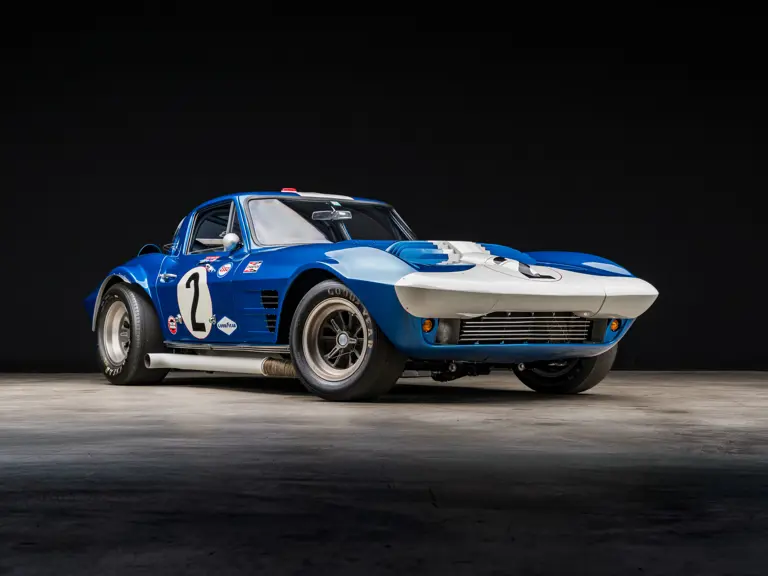
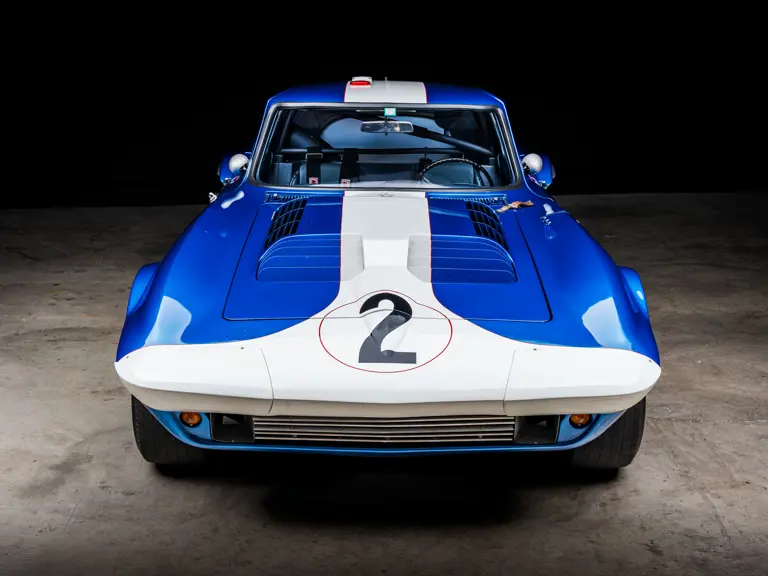
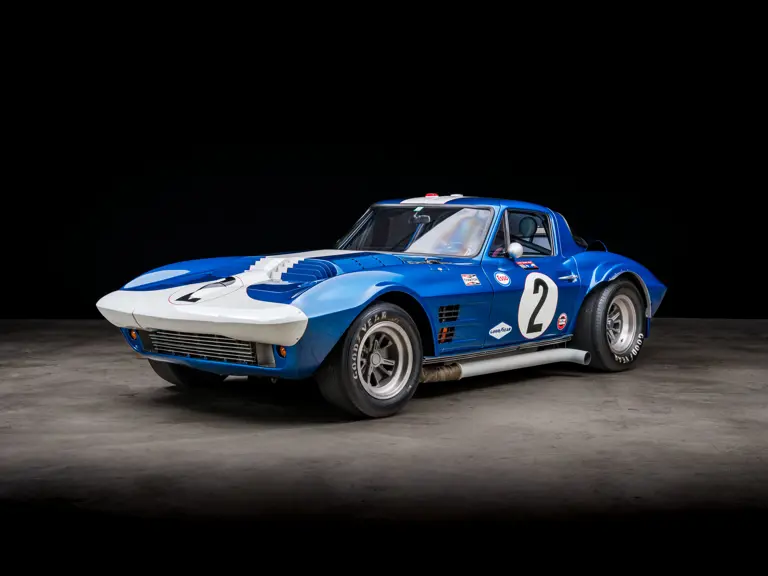
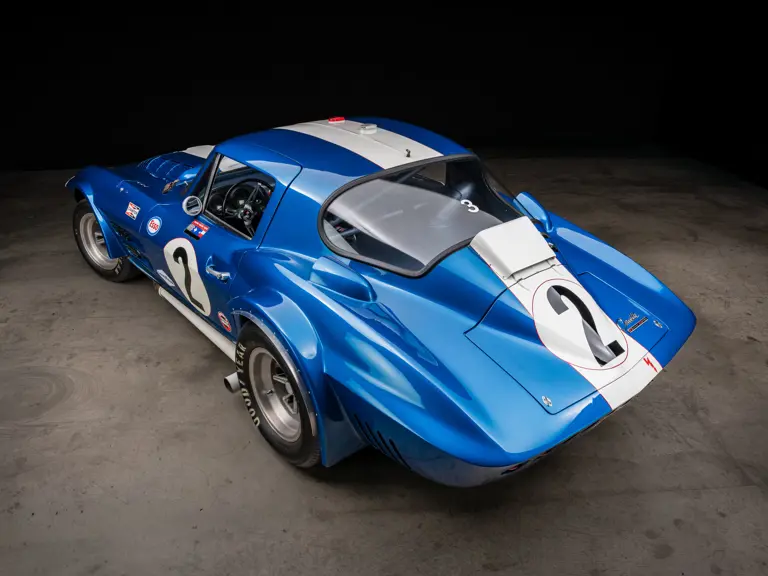
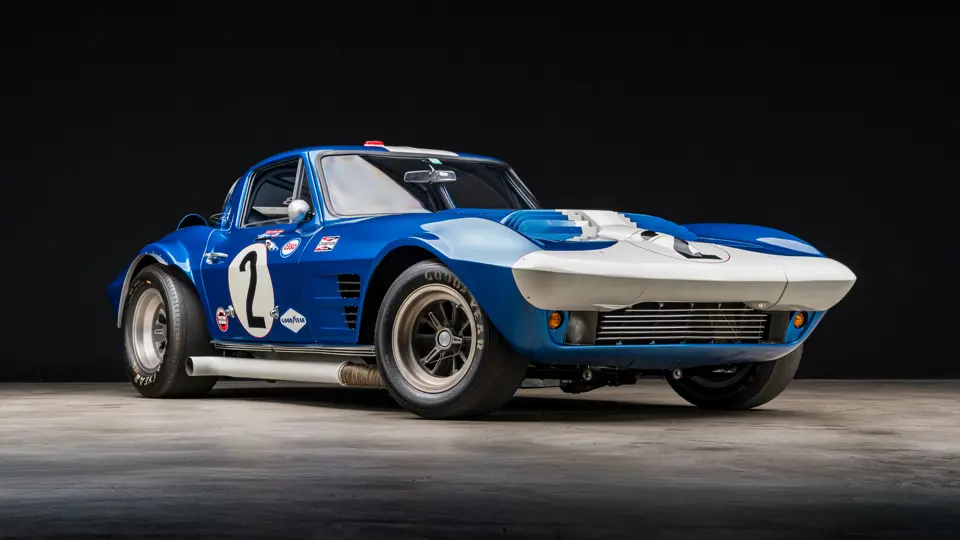
The resulting Grand Sport bore only a passing resemblance to the production Sting Ray. Although its silhouette remained unmistakably Corvette, virtually every component was redesigned with competition as its sole purpose. In reality, the Grand Sport was less a modified production car than a purpose-built sports-racing prototype disguised as one. Only five chassis were ultimately constructed.
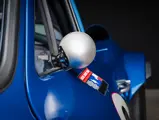
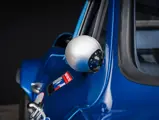
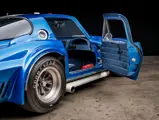
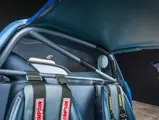
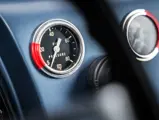
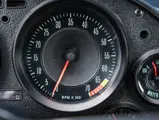
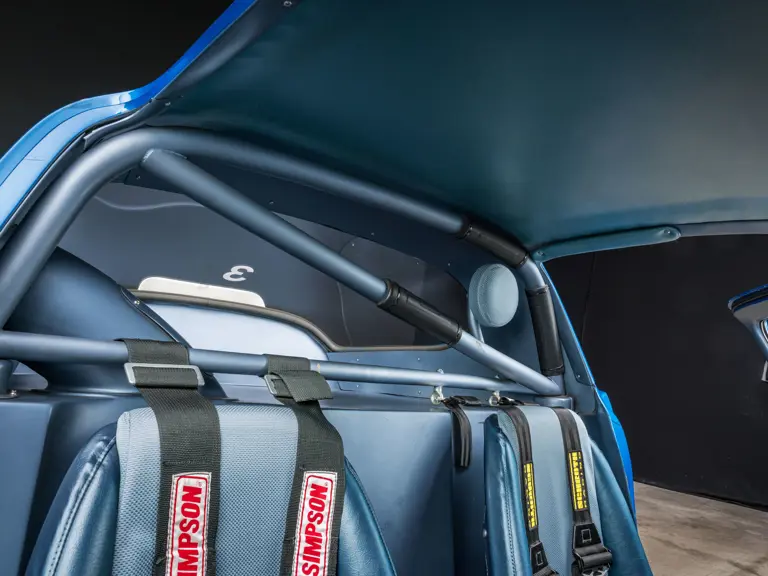
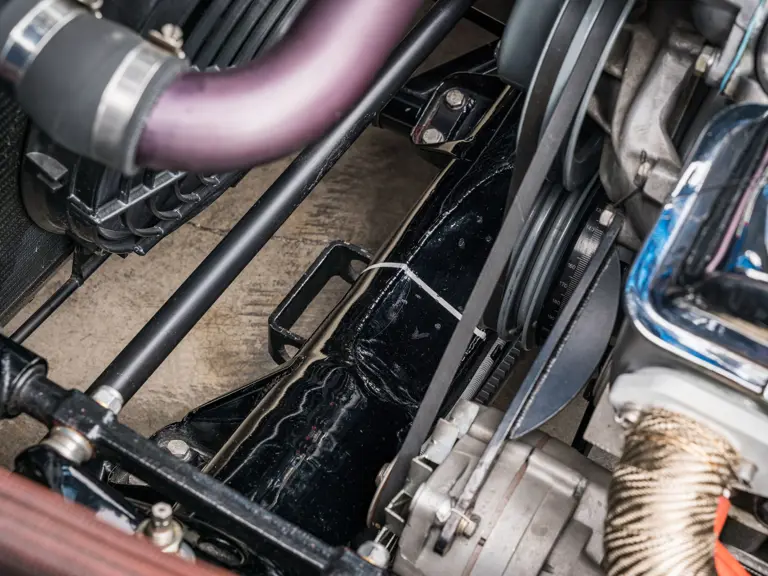
Their engineering was extraordinary. The conventional production frame gave way to a lightweight tubular structure fabricated from seamless thin-wall steel, complemented by hand-formed aluminum cockpit bracing. Weight reduction became an obsession. Aluminum replaced steel wherever possible, while even seemingly insignificant components—including door hardware, hood hinges, steering components, differential housing, instrument housings, and windshield wiper mechanisms—were painstakingly redesigned using lightweight alloys. Magnesium was employed for specialized carburetor adapters, while custom steel forgings substituted for heavier production pieces where aluminum proved impractical.
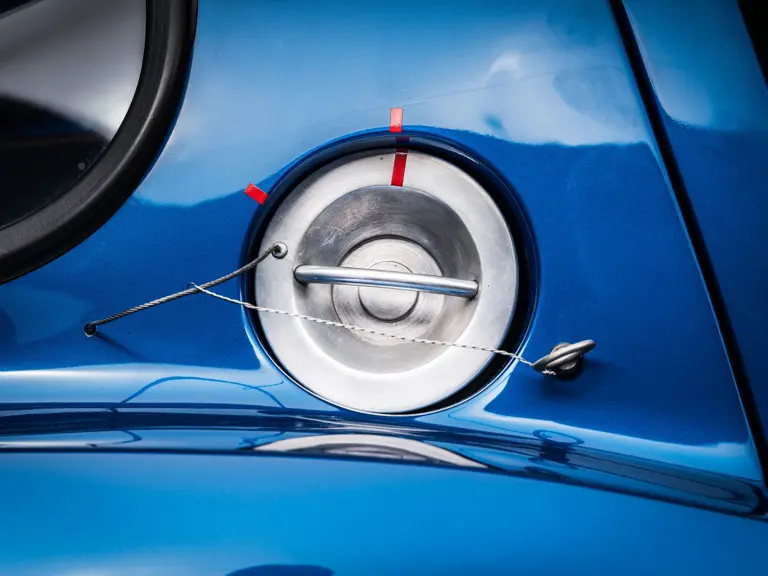
The suspension and braking systems were equally advanced. Girling disc brakes with aluminum calipers, reinforced suspension components, lightweight radius arms, aluminum differential housing, relocated fuel tank, and competition-tuned chassis geometry transformed the Corvette into an altogether different machine.
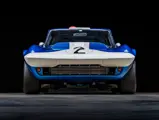
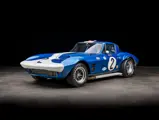
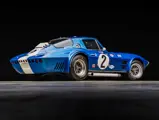
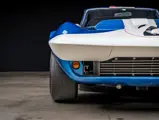
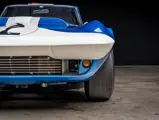
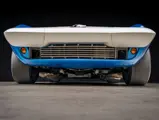
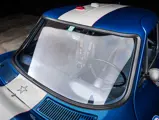
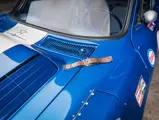
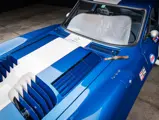
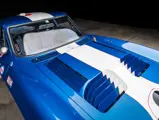
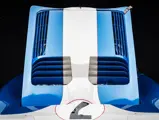
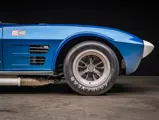
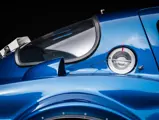
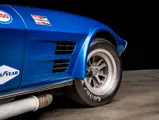
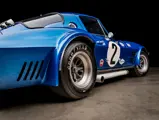
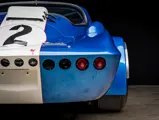
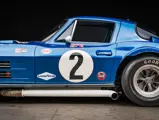
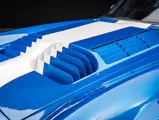
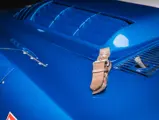
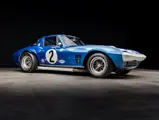
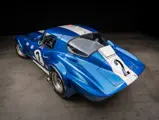
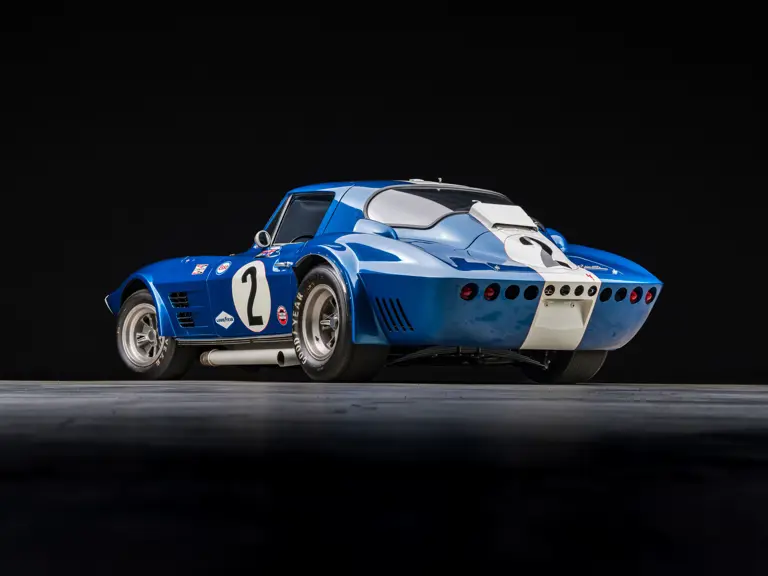
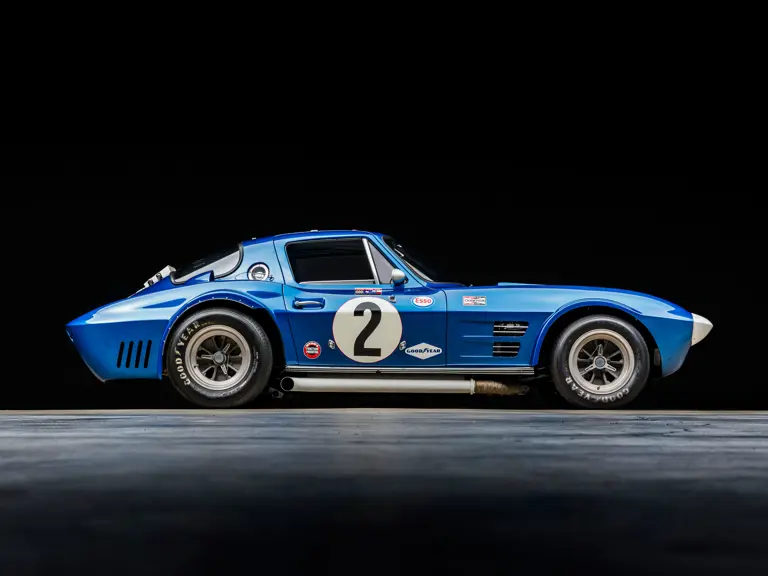
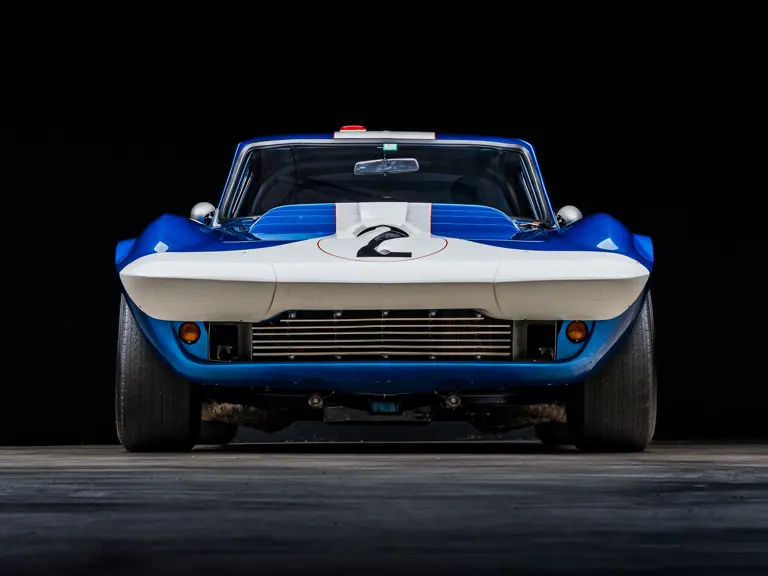
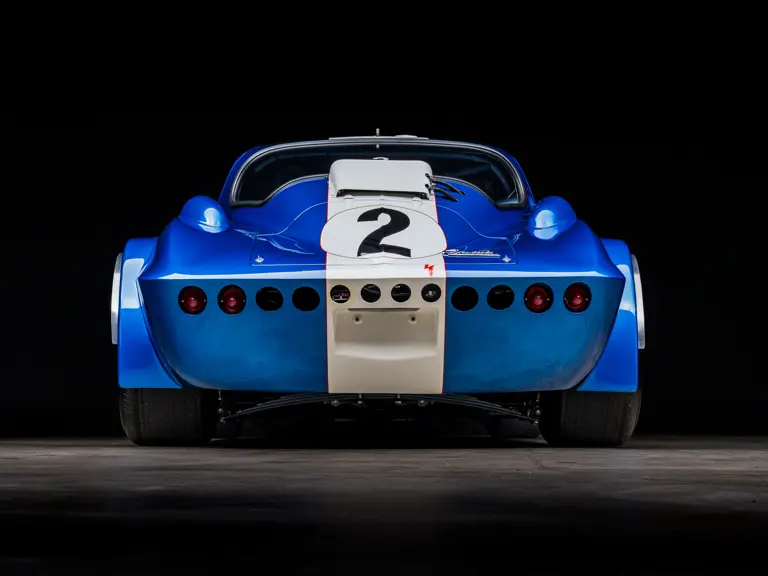
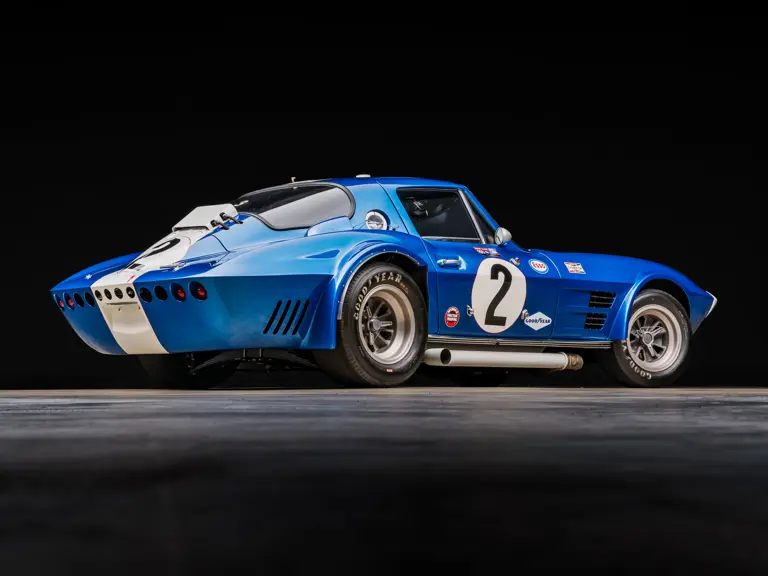
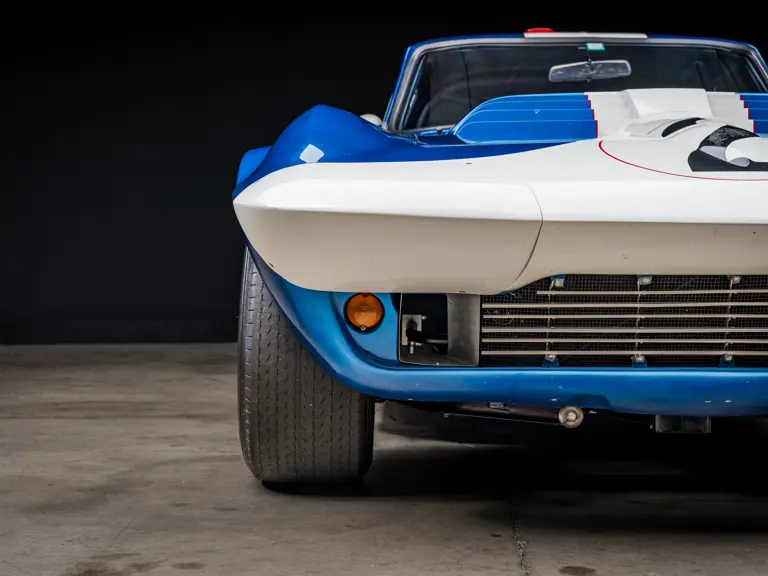
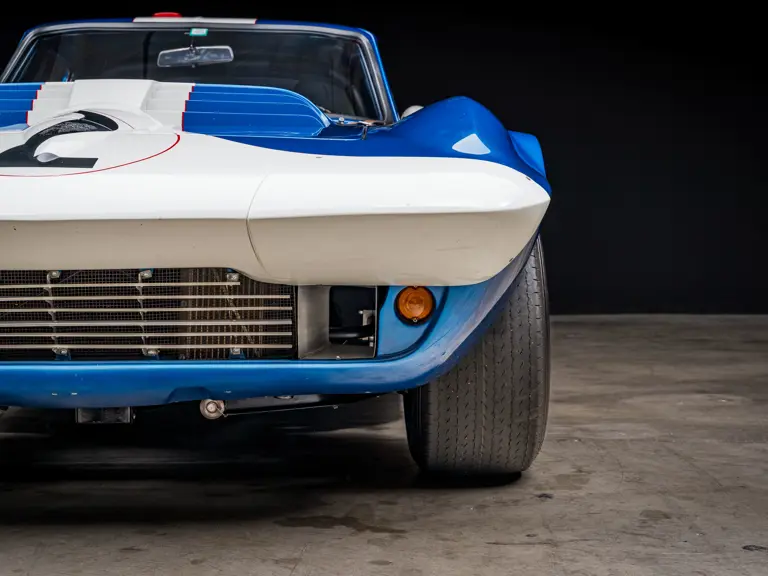
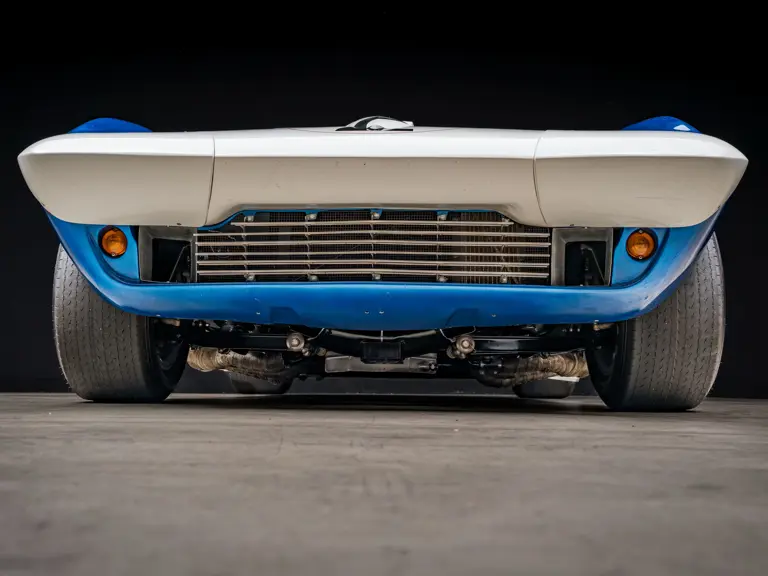
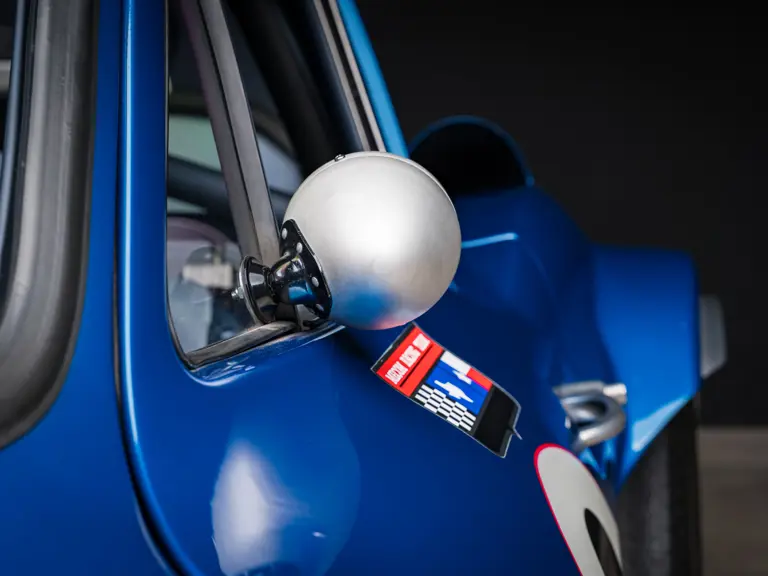
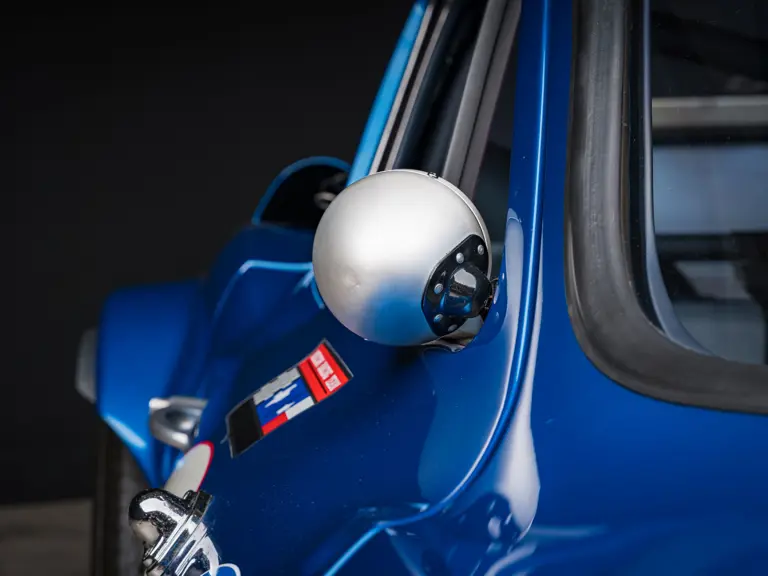
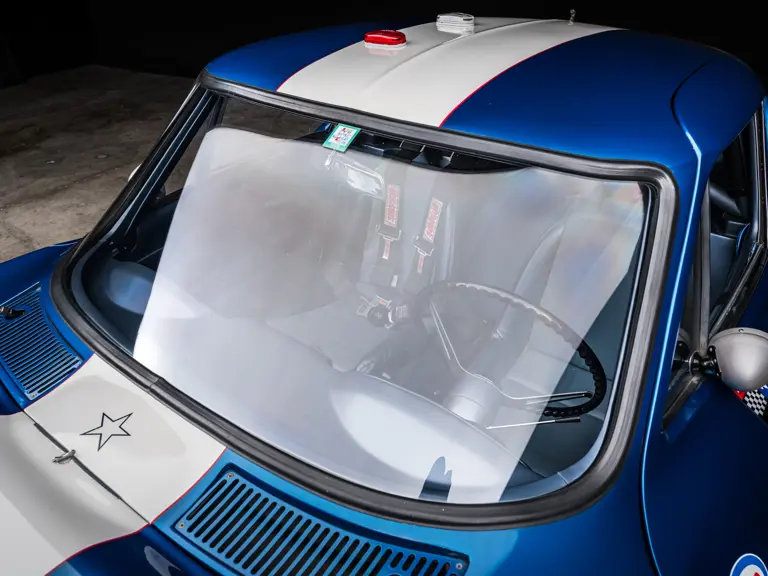
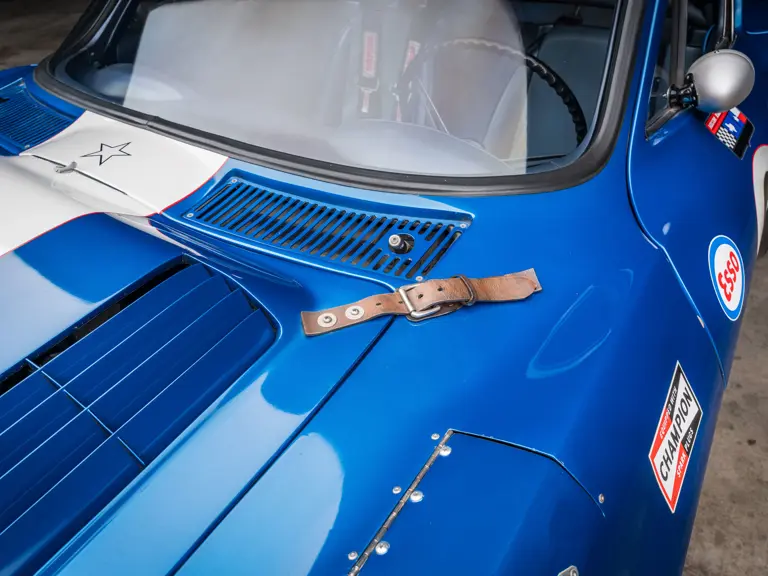
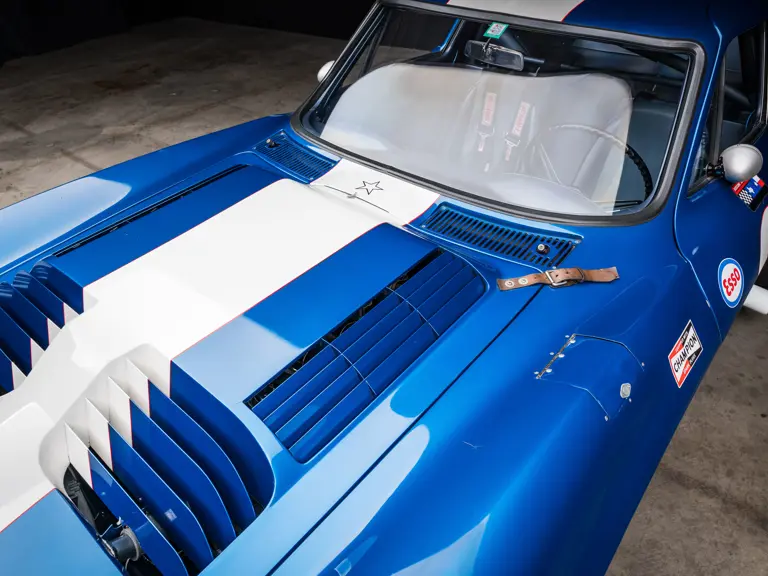
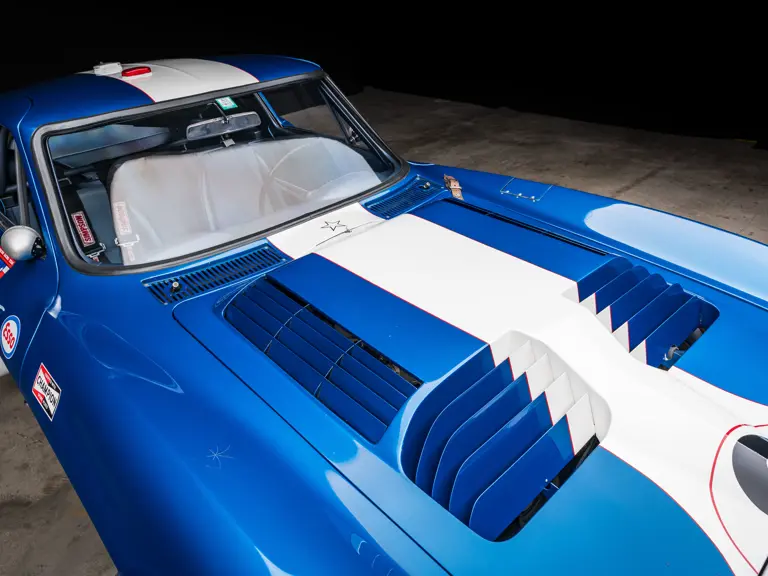
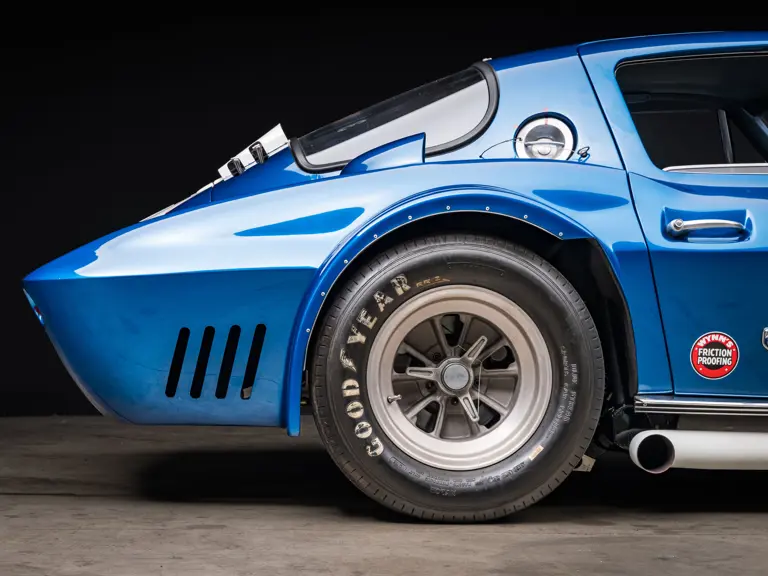
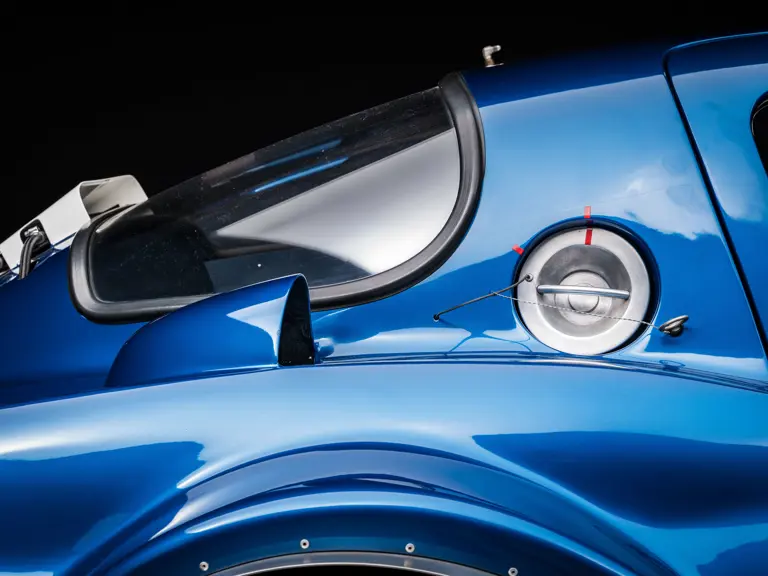
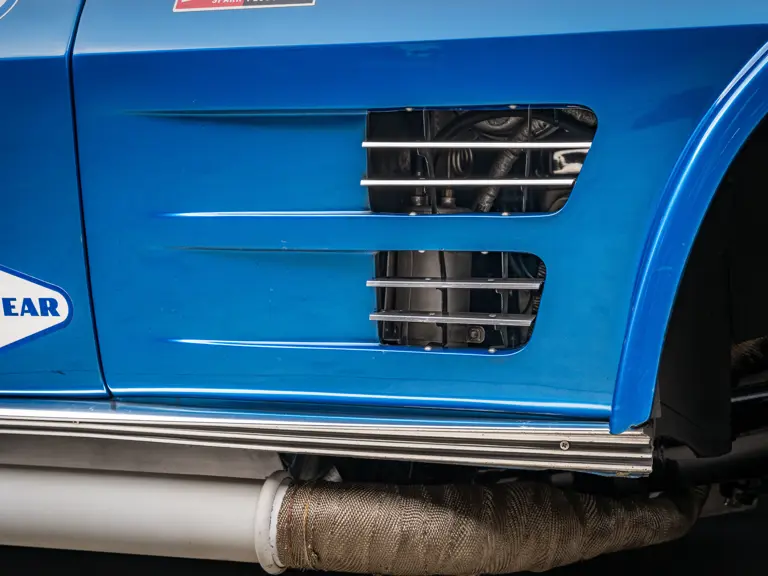
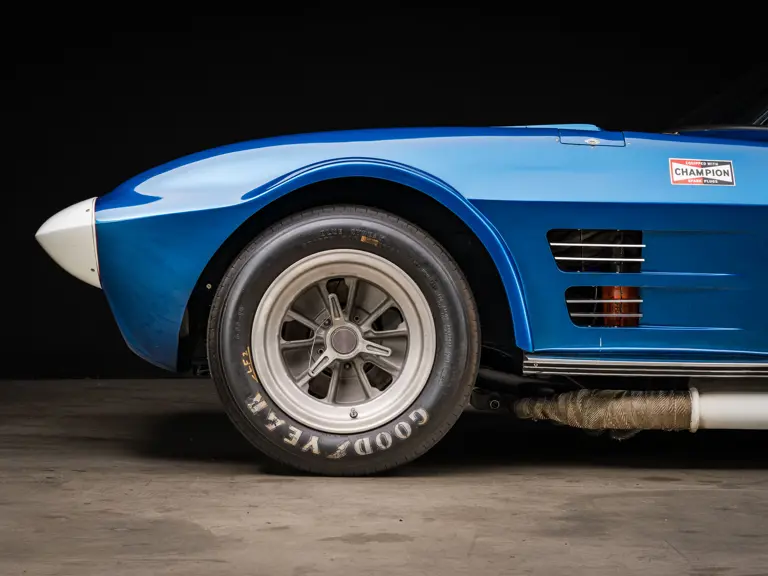
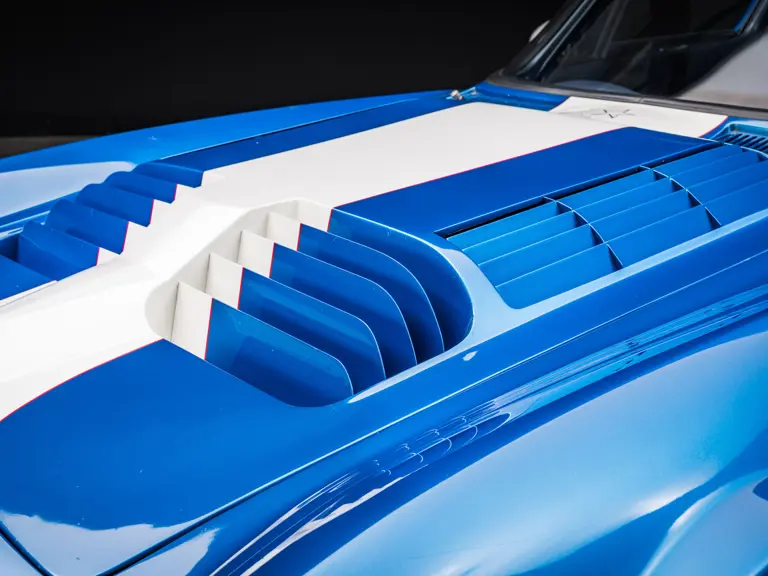
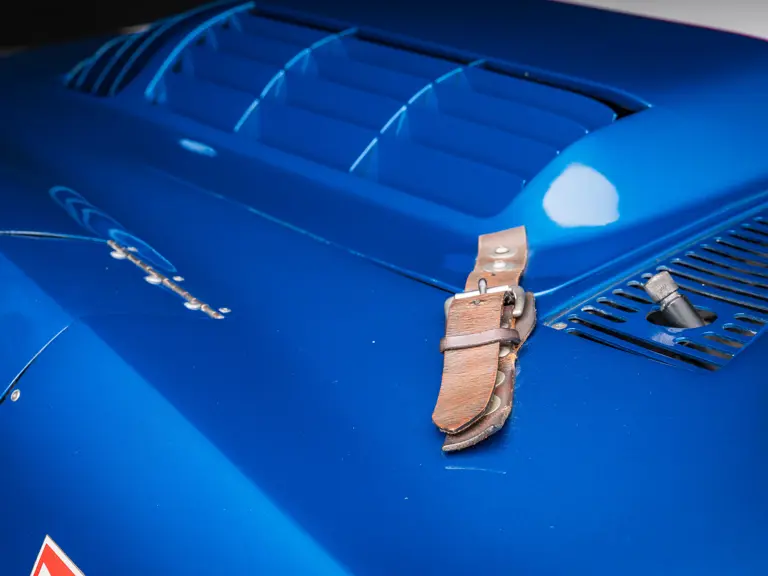
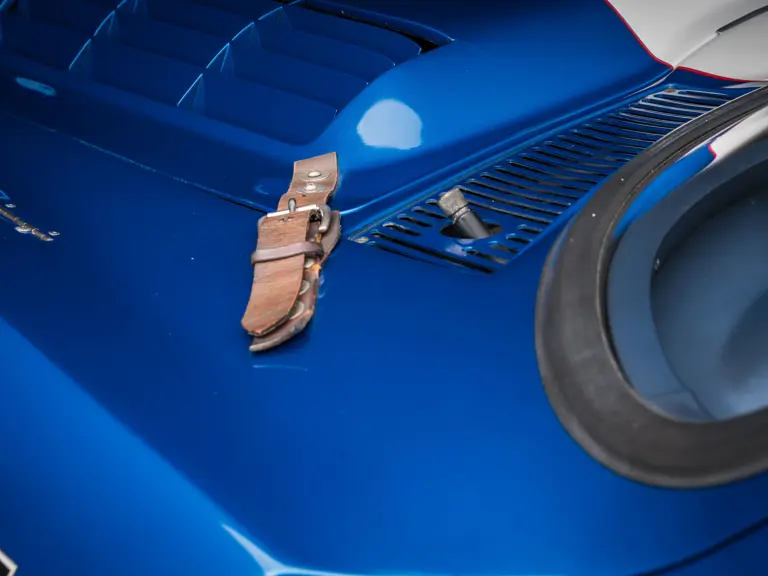
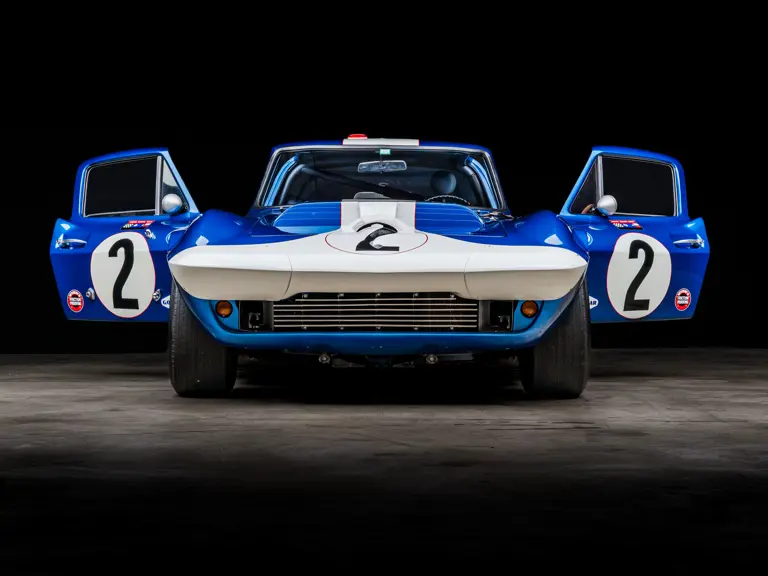
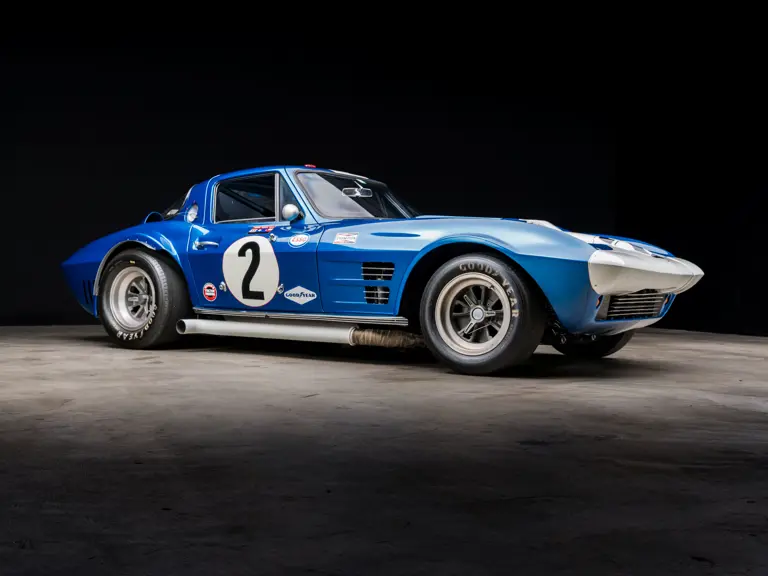
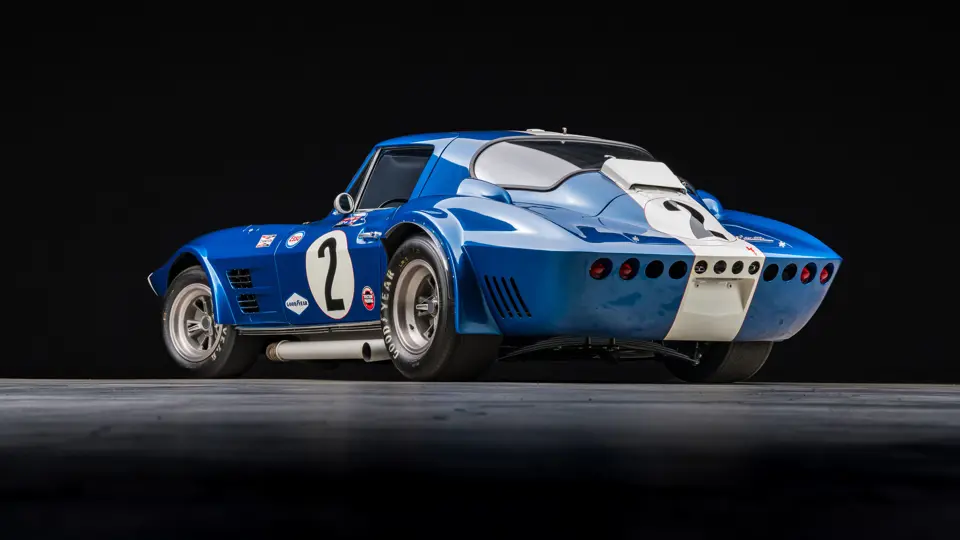
Above this remarkable chassis rested perhaps the Grand Sport's most distinctive feature: an ultra-lightweight fiberglass body unlike any production Corvette. Hand-laid as a single-piece shell, the body featured thinner panels, broader fenders, revised aerodynamics, fixed headlamps, Plexiglas side and rear windows, and numerous subtle refinements born directly from competition. Every curve, vent, and contour reflected a singular purpose—speed.
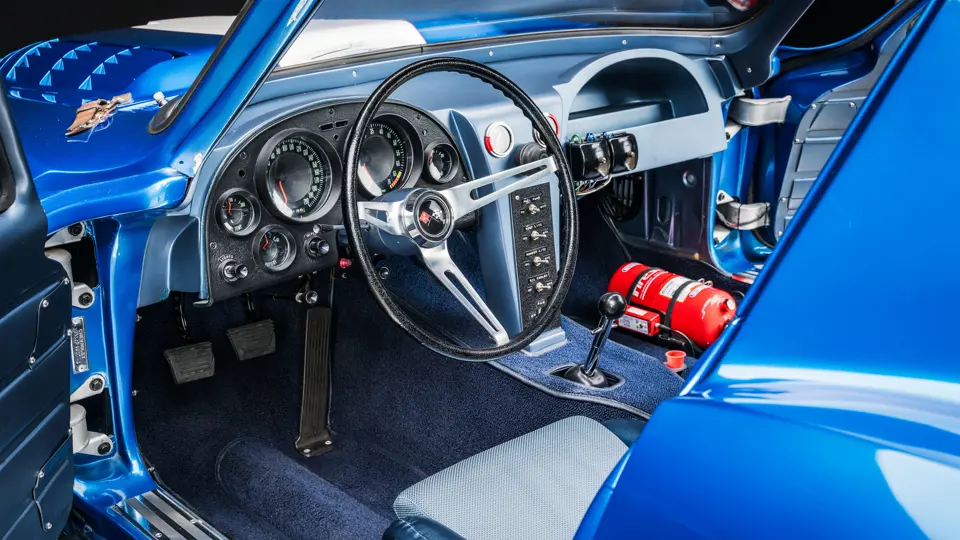
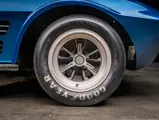
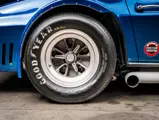
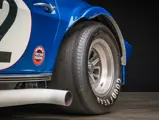
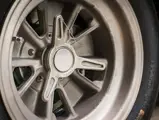
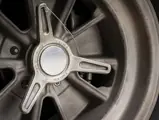
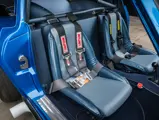
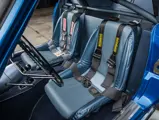
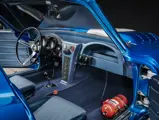
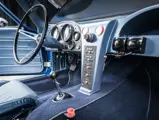
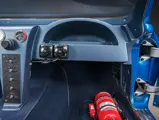
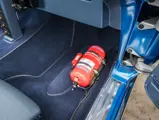
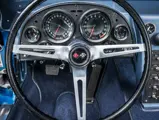
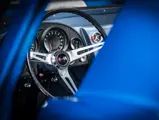
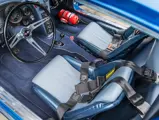
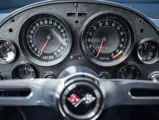
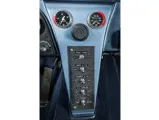
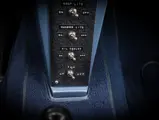
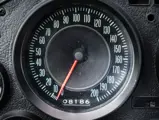
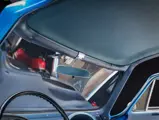
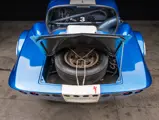
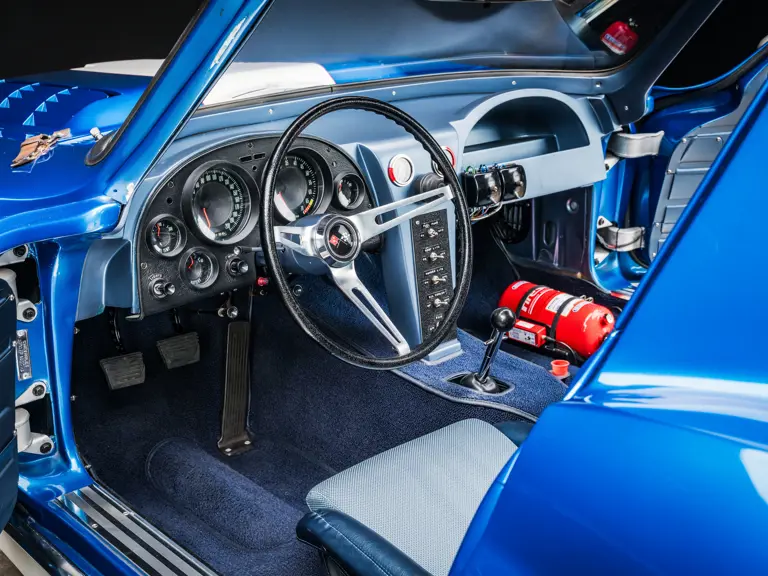
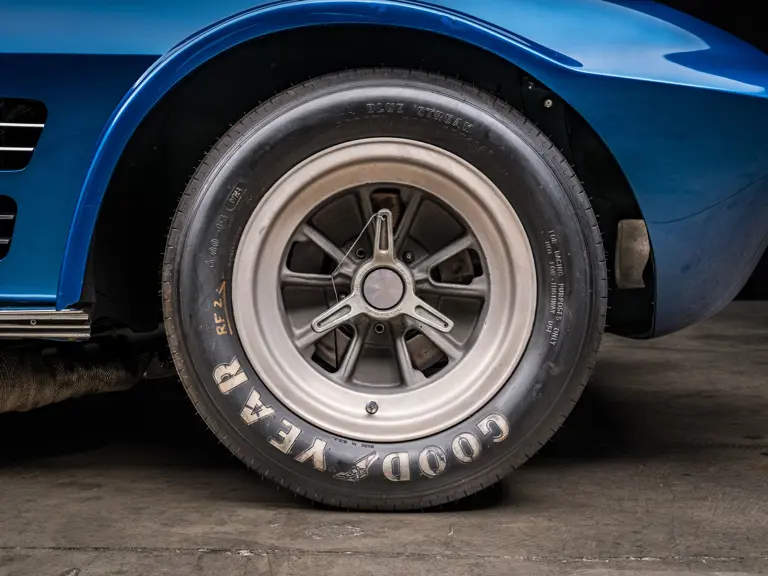
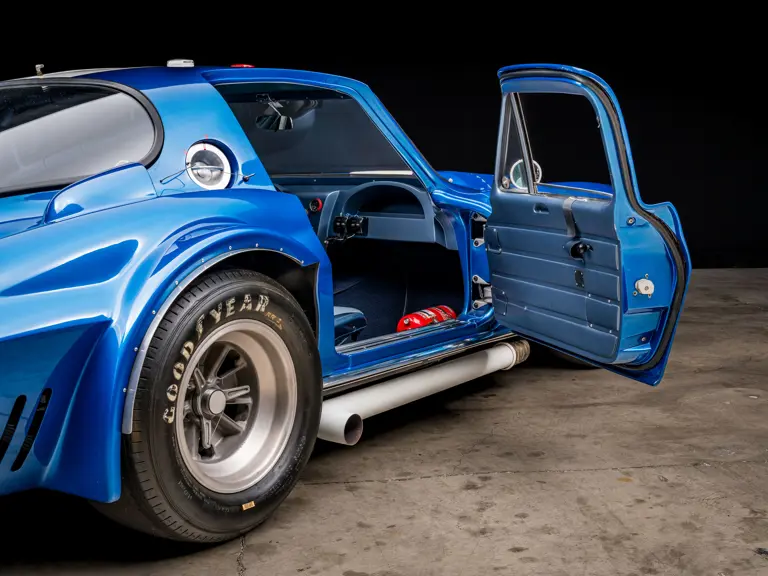
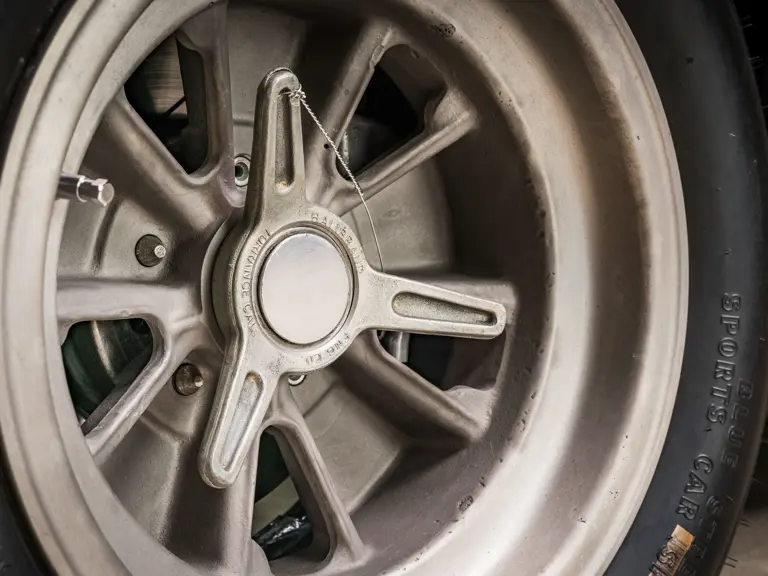
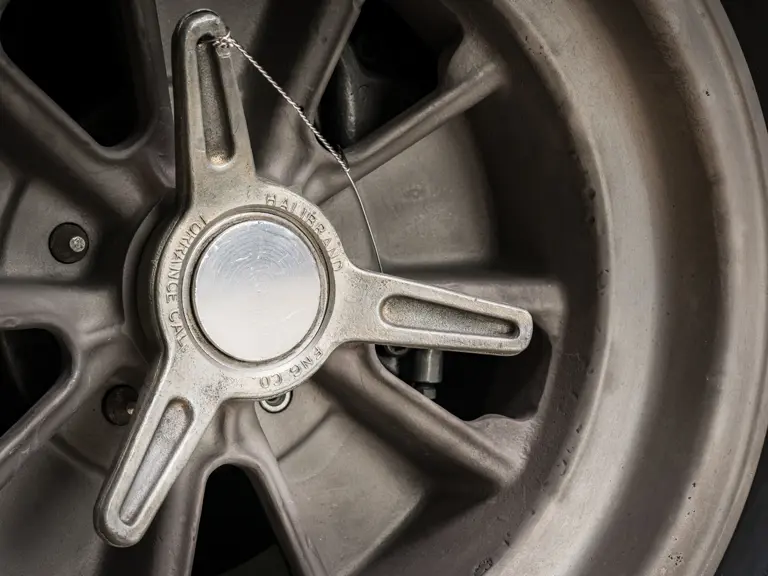
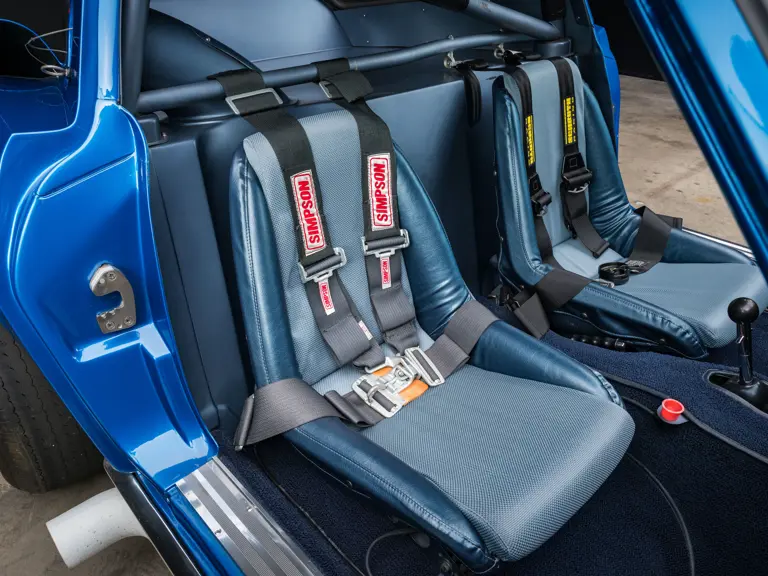
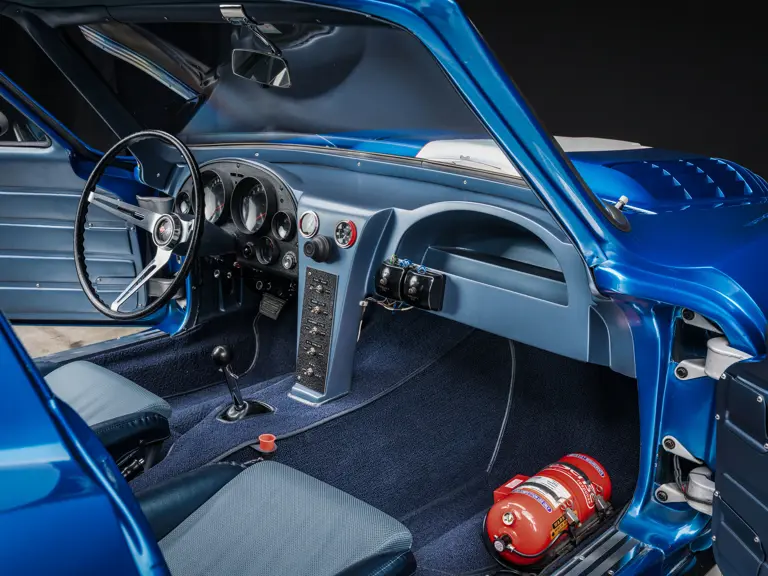
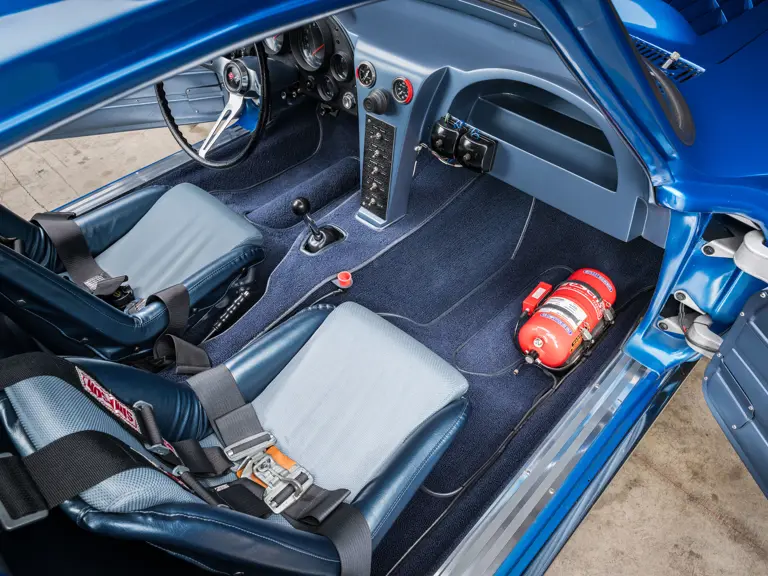
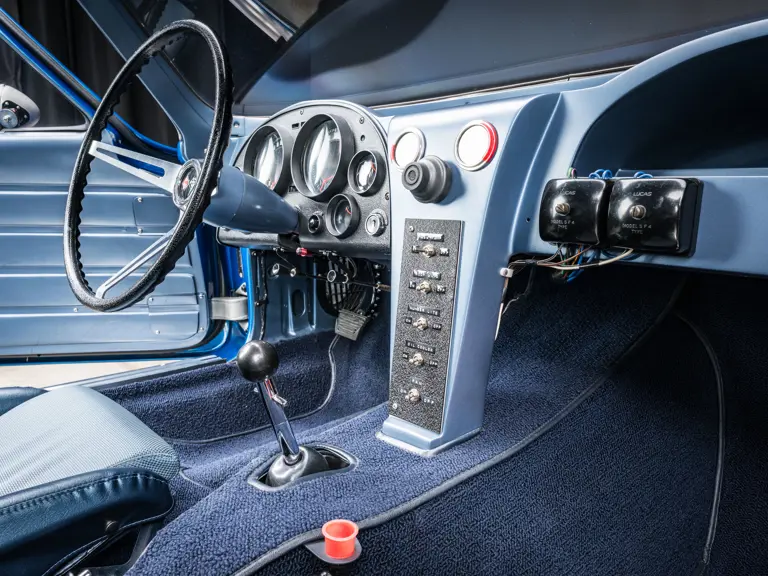
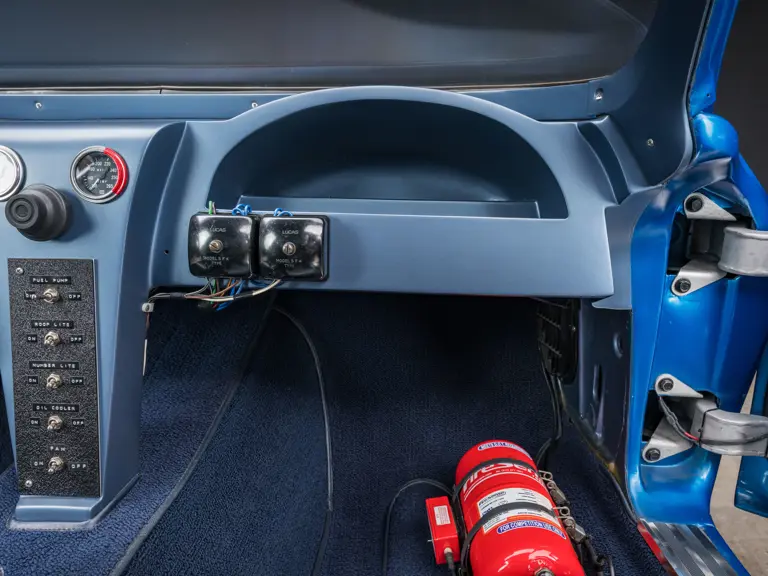
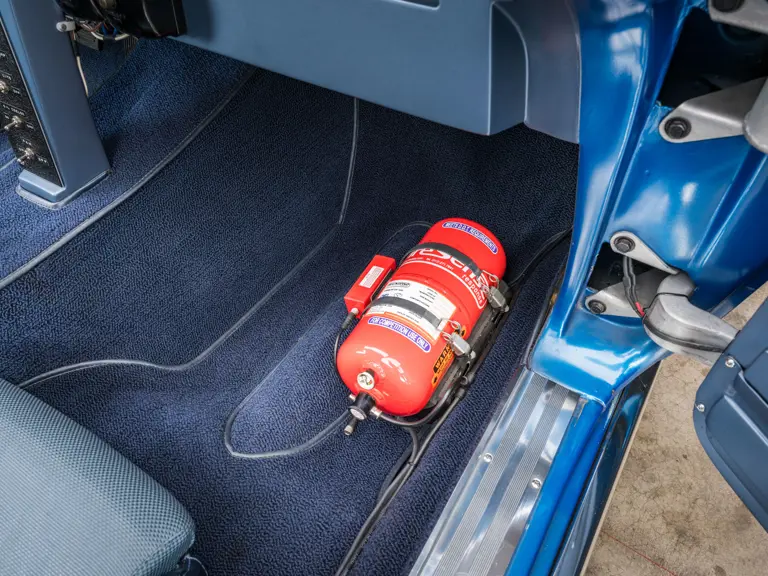
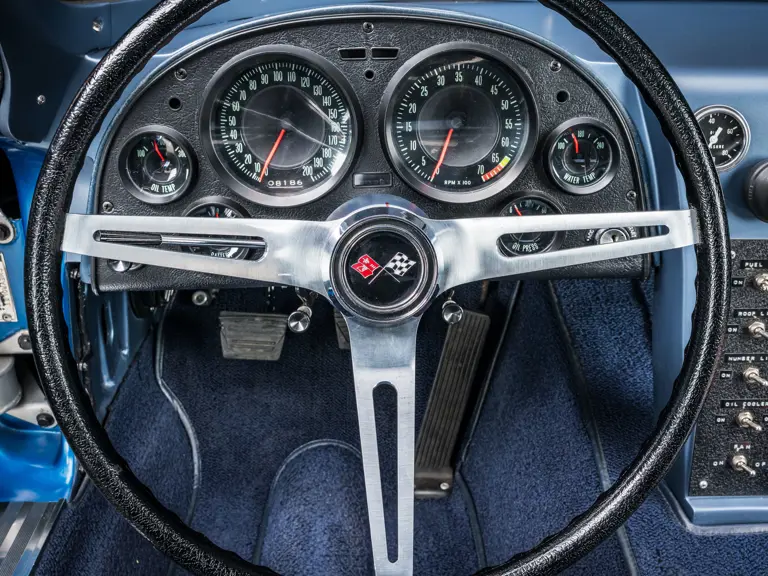
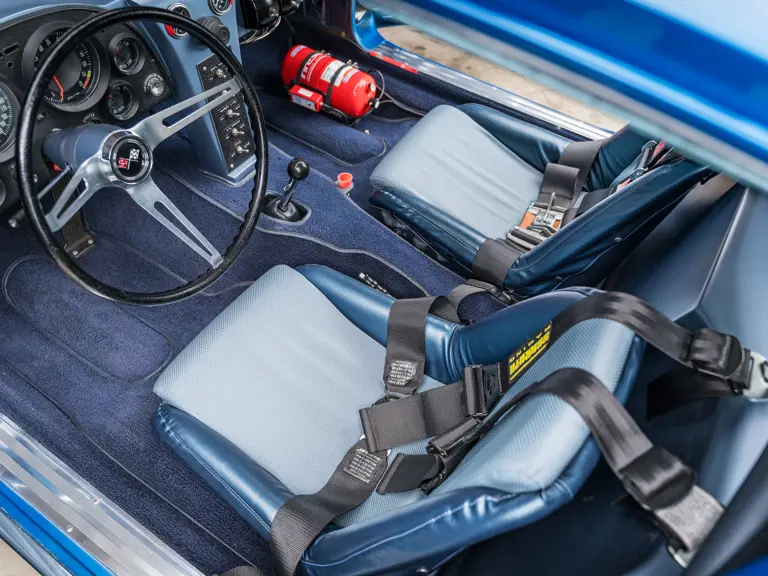
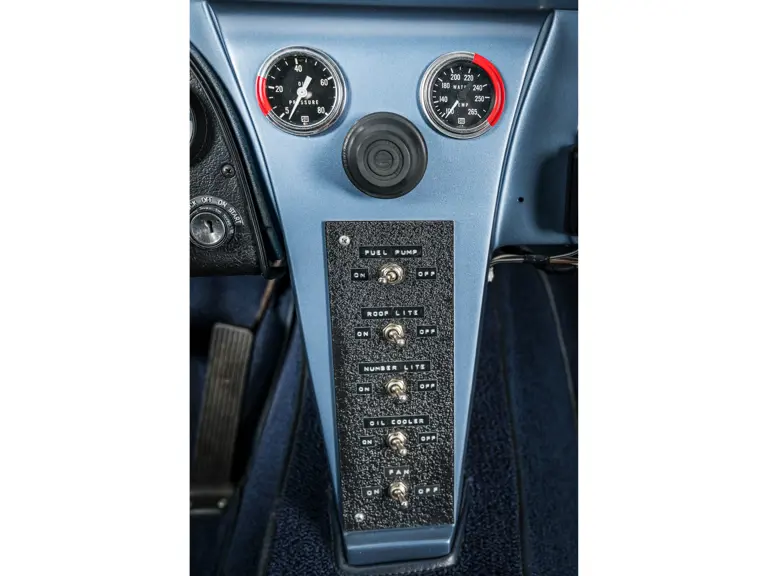
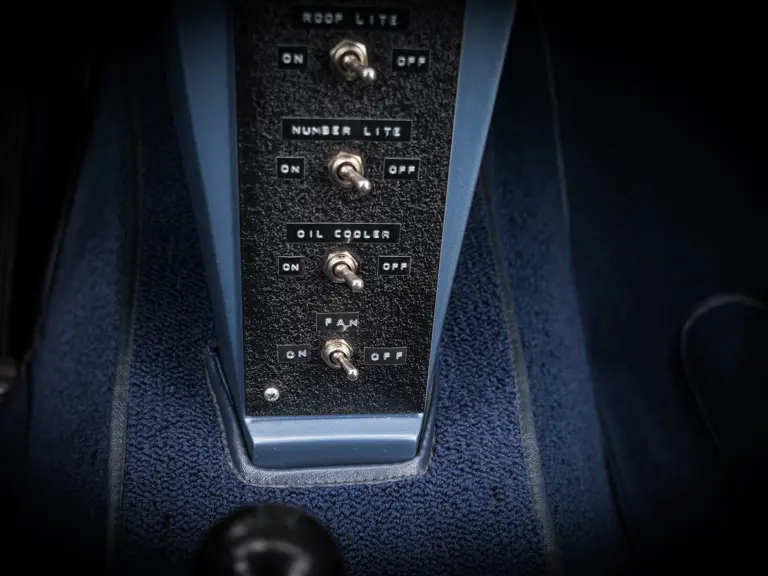
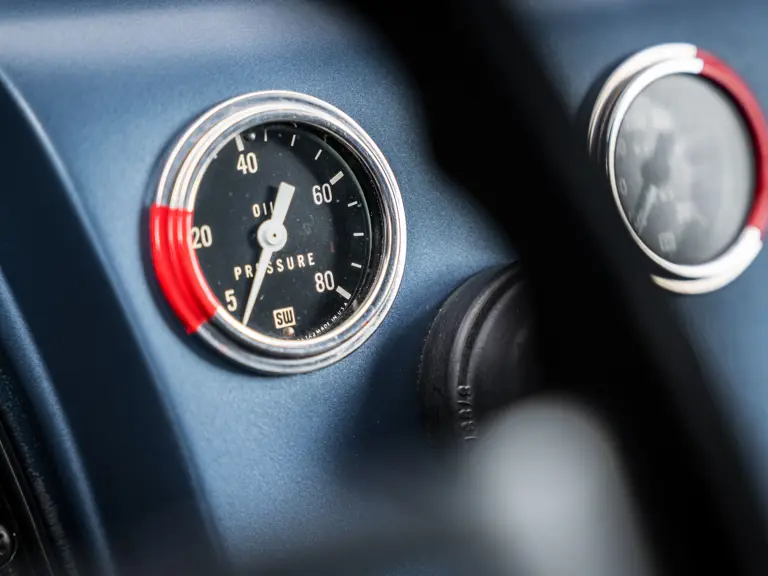
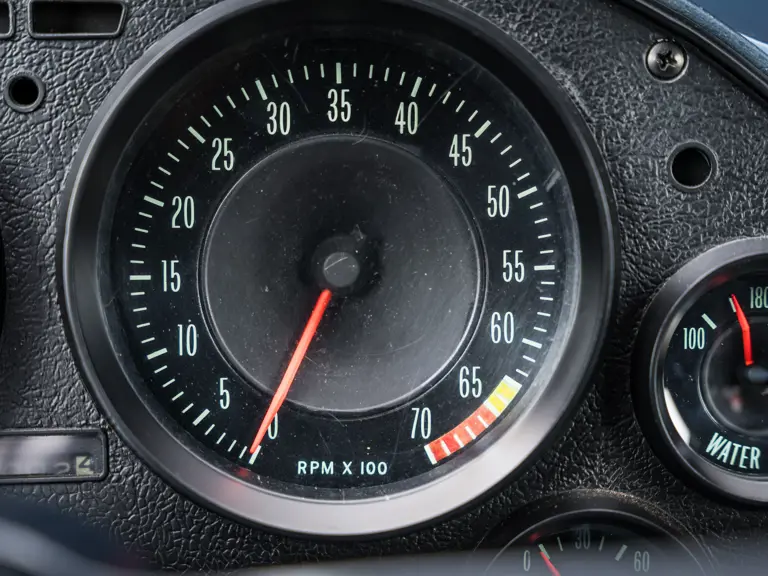
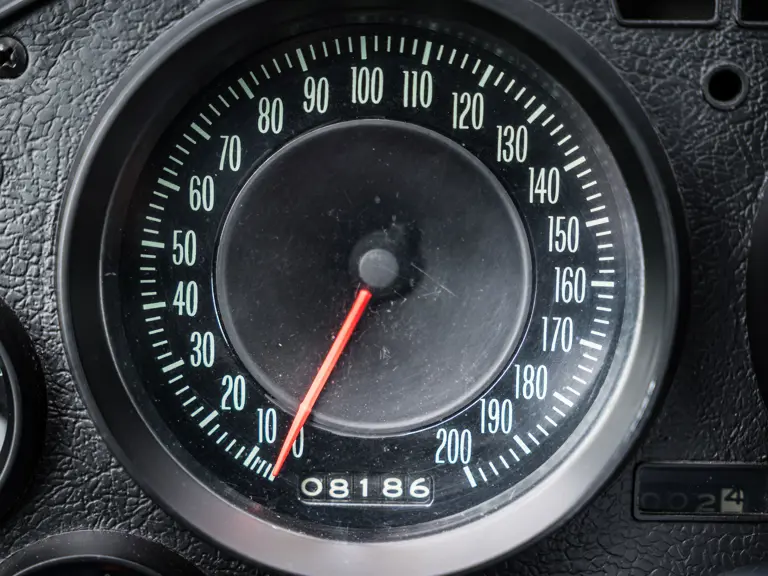
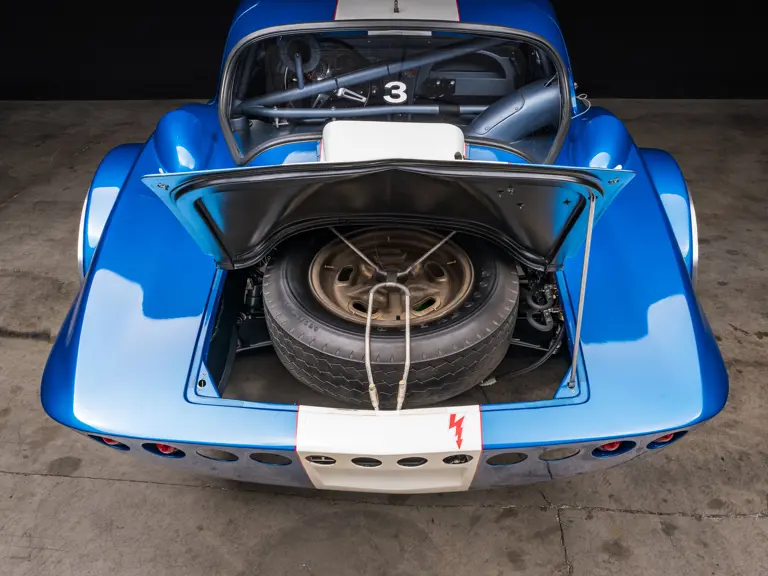
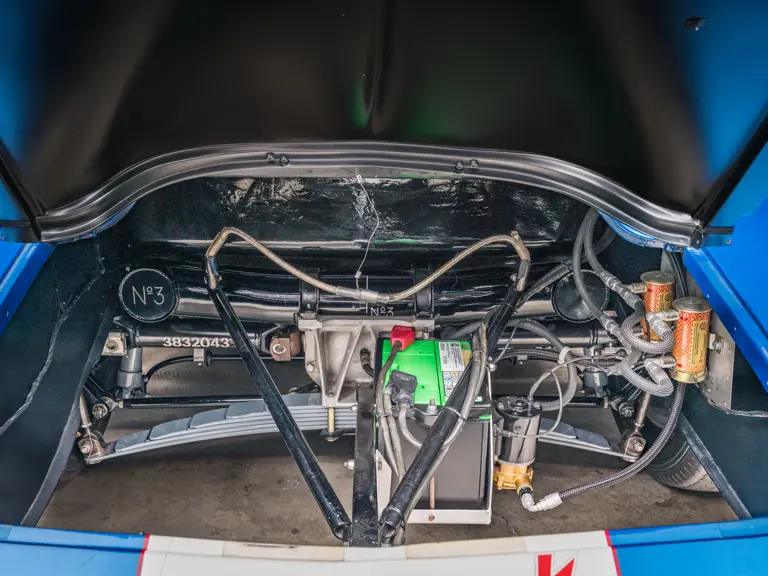
Halibrand magnesium knock-off wheels completed the package, while an FIA-compliant luggage compartment with spare tire underscored the car's international racing ambitions. Inside, the cockpit remained purposeful and functional, stripped of unnecessary luxury while retaining the familiar Corvette driving position.
The results were astonishing. Where a standard 1963 Corvette weighed approximately 3,200 pounds, the Grand Sport tipped the scales at roughly 1,900 pounds—an extraordinary reduction that fundamentally transformed the car's performance. Combined with enormous V-8 power, sophisticated chassis engineering, and relentless attention to detail, Arkus-Duntov had created precisely what he had envisioned: a Corvette capable of confronting—and defeating—the Shelby Cobra.
It was one of the most ambitious engineering projects ever undertaken by General Motors, and one that would become the stuff of American motorsport legend.
GRAND SPORT EMERGES
Although whispers of Arkus-Duntov's clandestine lightweight Corvette project occasionally surfaced within racing circles, Chevrolet maintained complete silence until late 1962. During private testing at Sebring in preparation for the upcoming 12 Hours, the extraordinary performance of the new Grand Sport prototypes attracted considerable attention from journalists and competitors alike. The resulting publicity forced General Motors into an uncomfortable spotlight.
GM Chairman Frederic Donner was furious. The corporation had officially withdrawn from organized racing years earlier, and news that Chevrolet engineers had quietly developed an uncompromising factory-built racing Corvette directly contradicted corporate policy. Donner swiftly ordered the Lightweight program terminated, effectively ending Chevrolet's official involvement before the Grand Sport ever turned a competitive wheel on the international stage.
For most projects, that would have been the end. For Zora Arkus-Duntov, it became merely another obstacle. Determined to see his creation fulfill its potential, he continued developing the five Grand Sports through unofficial channels, envisioning them as weapons for carefully selected private teams. Chassis 003—the car offered here—and its sister chassis 004 became the first completed coupes and were quietly loaned to trusted racers to begin development under actual competition conditions.
Chassis 003 was entrusted to Dick Doane, proprietor of Doane Chevrolet in Dundee, Illinois, a dealership proudly known in period advertising as the "World's Best Known Corvette Dealer." Because the Grand Sport fell outside normal production specifications, it competed in SCCA C-Modified rather than a production-based class.
Arkus-Duntov deliberately chose reliability over outright power during these early outings, fitting the first Grand Sports with proven iron-block 327-cubic-inch V-8 engines while engineers gathered invaluable data.
The strategy proved successful. Between July and November 1963, Doane campaigned chassis 003 in eight SCCA events, earning class victories at Wilmot and Greenwood while steadily refining the revolutionary new Corvette. At Road America, he famously led the prestigious Road America 500 outright for an astonishing 93 laps before engine failure ended an otherwise remarkable performance.
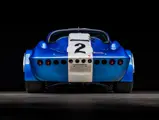
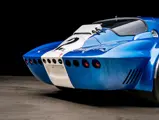
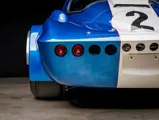
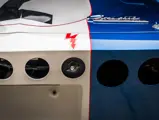
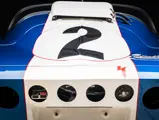
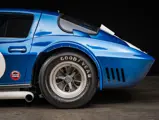
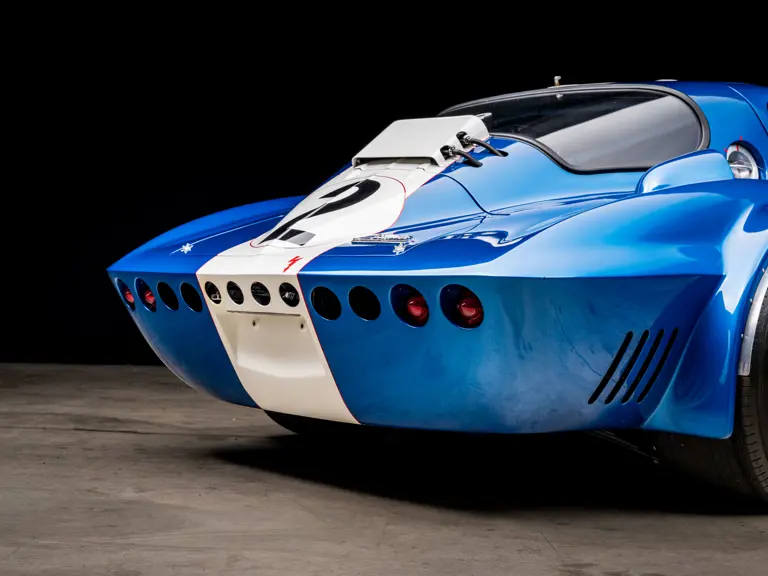
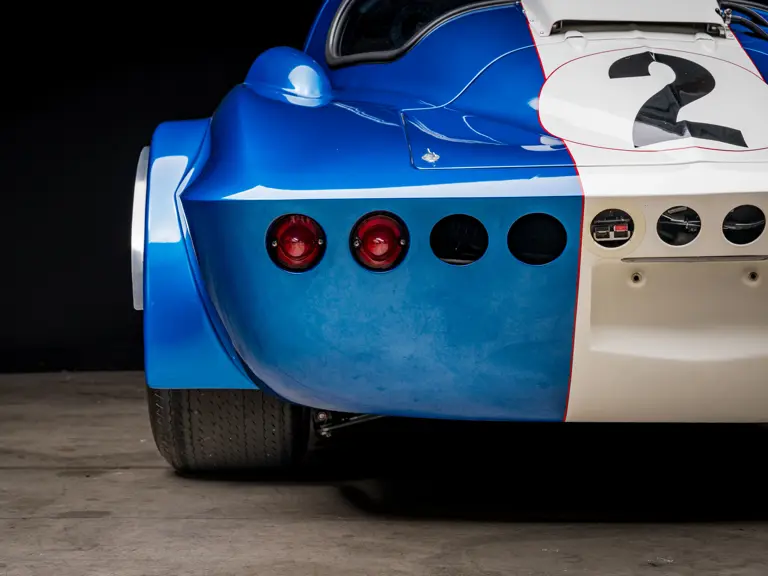
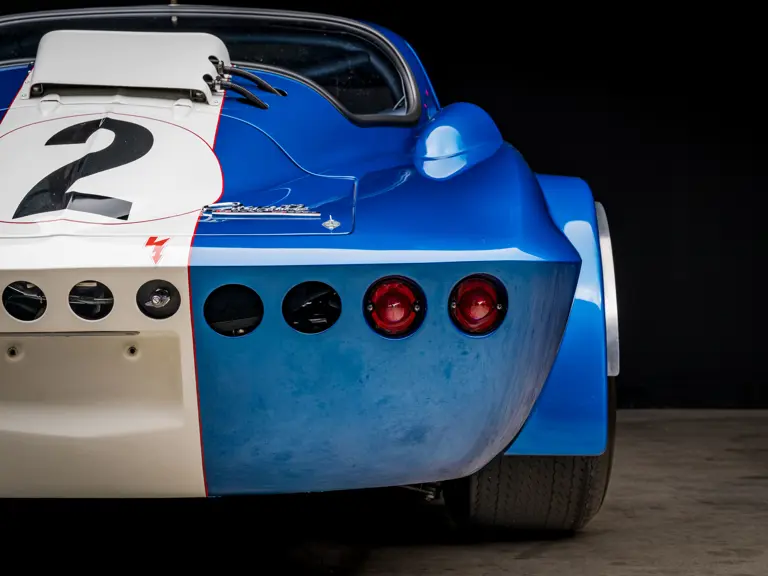
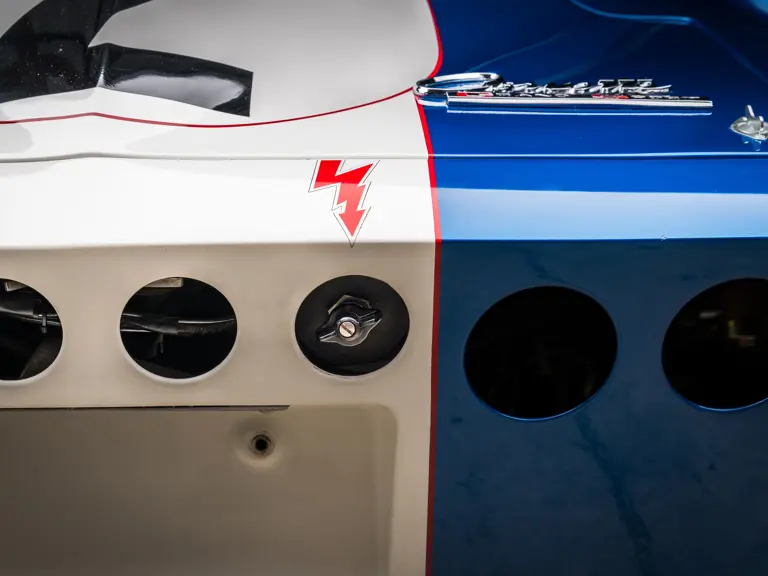
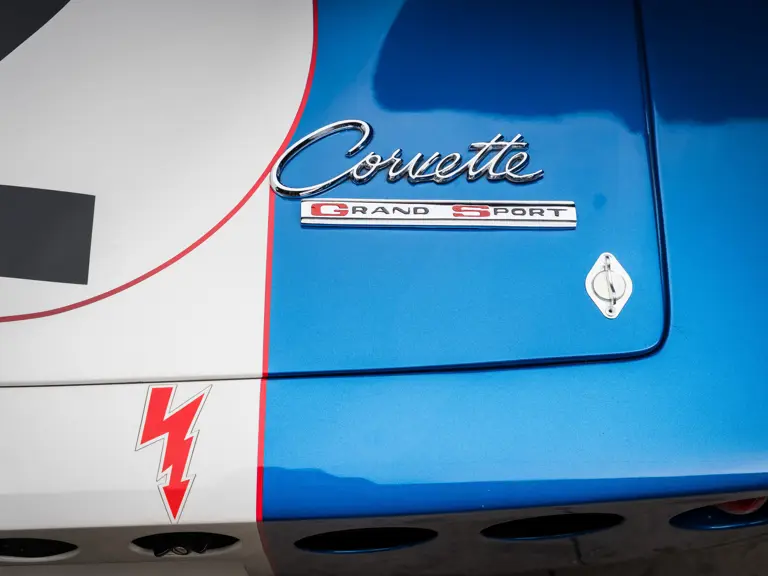
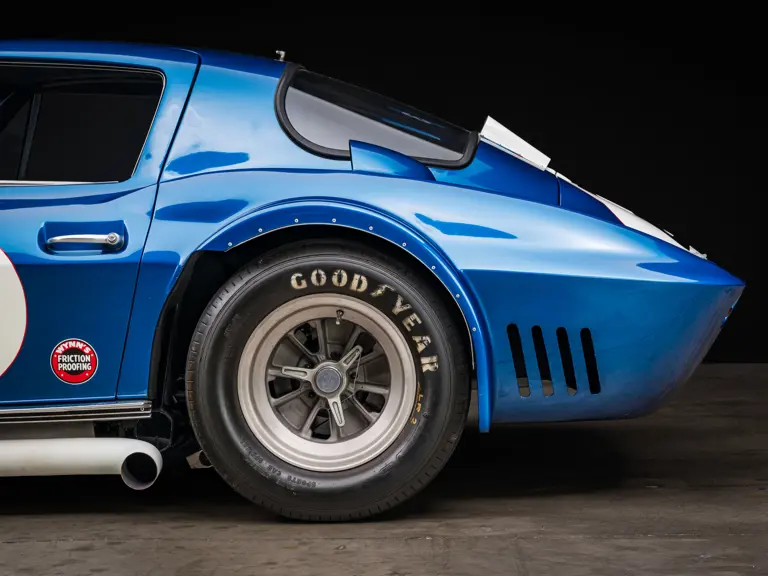
One impromptu modification during that race would become part of Grand Sport legend. Concerned by rising temperatures, Doane simply punched eight cooling holes into the rear valance beneath the taillights. The crude solution worked so effectively that every remaining Grand Sport subsequently adopted the modification—a perfect illustration of how these extraordinary machines continued evolving through real-world competition.
By autumn 1963, Arkus-Duntov believed the Grand Sports were finally ready for their greatest challenge. With discreet support from Chevrolet General Manager Bunkie Knudsen, chassis 003 and 004 returned to Chevrolet Engineering for an intensive transformation ahead of the prestigious Bahamas Speed Week. Joined by newly completed chassis 005, the cars received comprehensive upgrades designed with one objective in mind: Defeating Carroll Shelby.
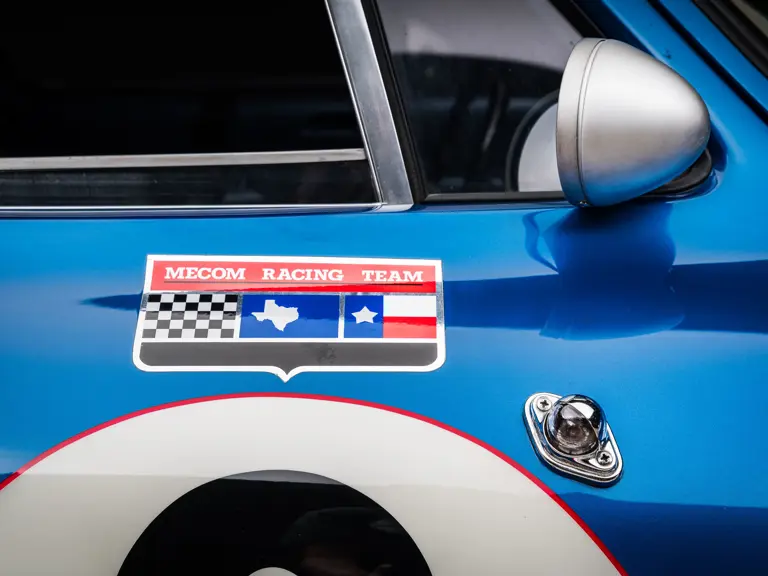
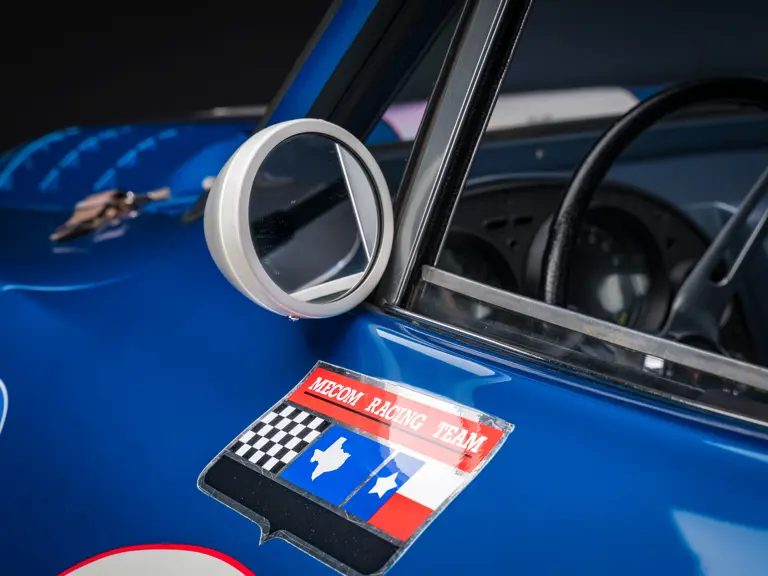
To field the effort, Arkus-Duntov partnered with John Mecom Jr., the ambitious Texas oil heir whose racing organization quickly became one of America's premier teams. Armed with world-class engineers and an equally formidable driver lineup, Mecom arrived in Nassau carrying the hopes of Chevrolet's underground racing program. The stage was finally set.
BAHAMA BREEZE
When the three Grand Sports arrived in Nassau in December 1963, they immediately became the sensation of the paddock. Competitors crowded around the mysterious Corvettes, attempting to decipher exactly what Chevrolet had created. Among the most curious observers was Carroll Shelby himself, photographed carefully inspecting the cars that threatened his Cobra dynasty. Ironically, the Grand Sports reached international competition months before Shelby's own Daytona Coupe made its racing debut.
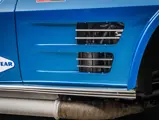
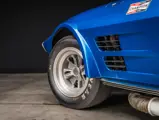
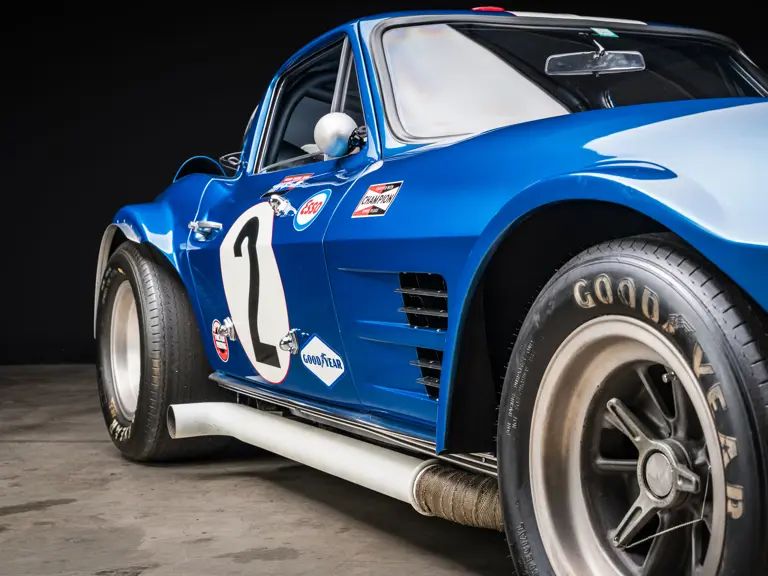
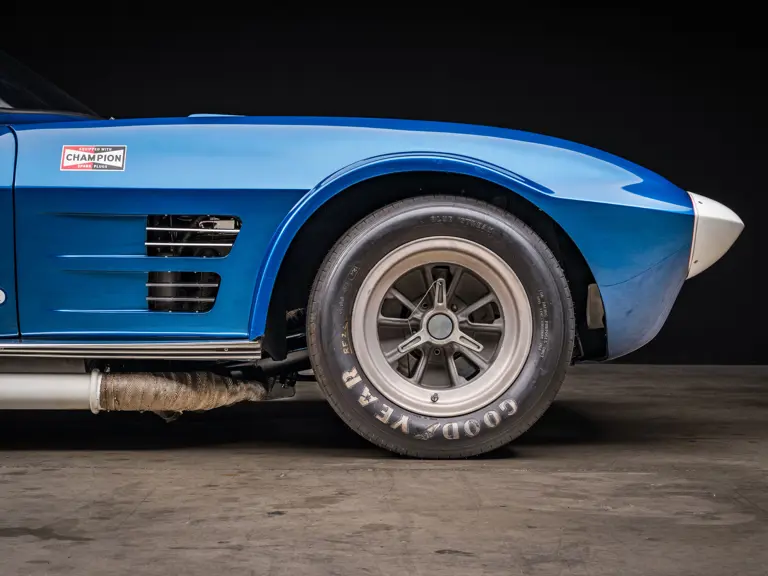
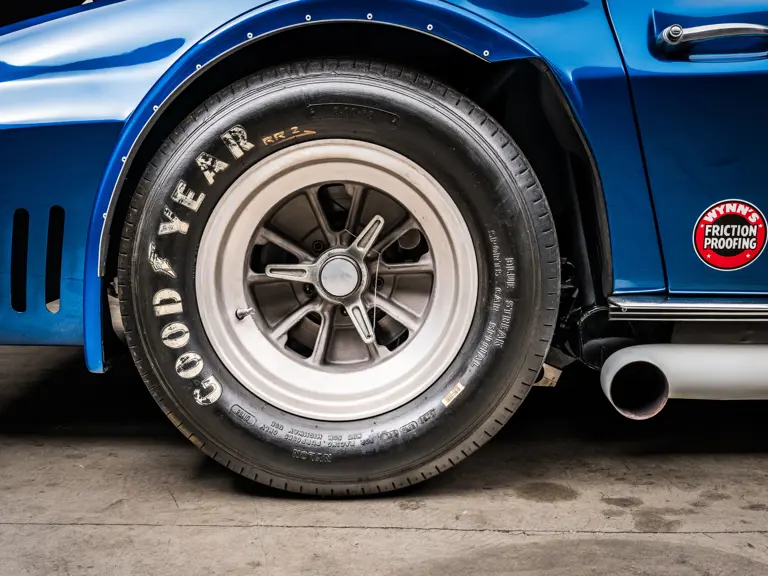
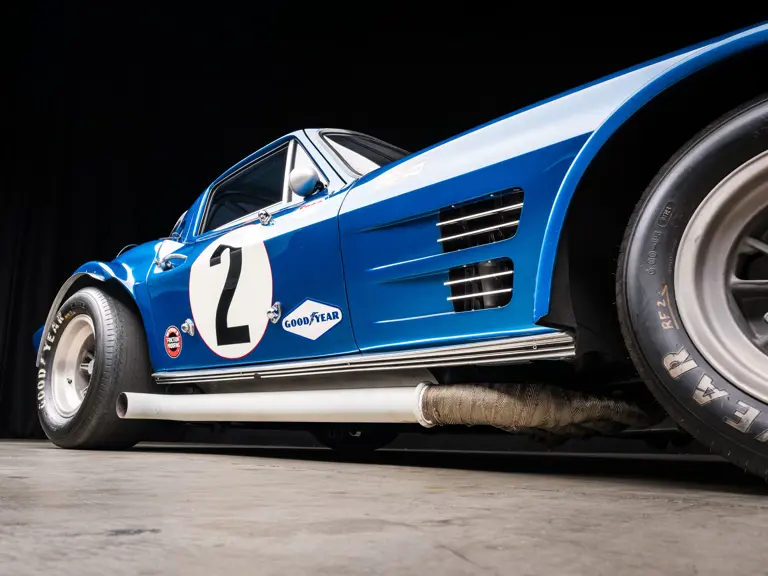
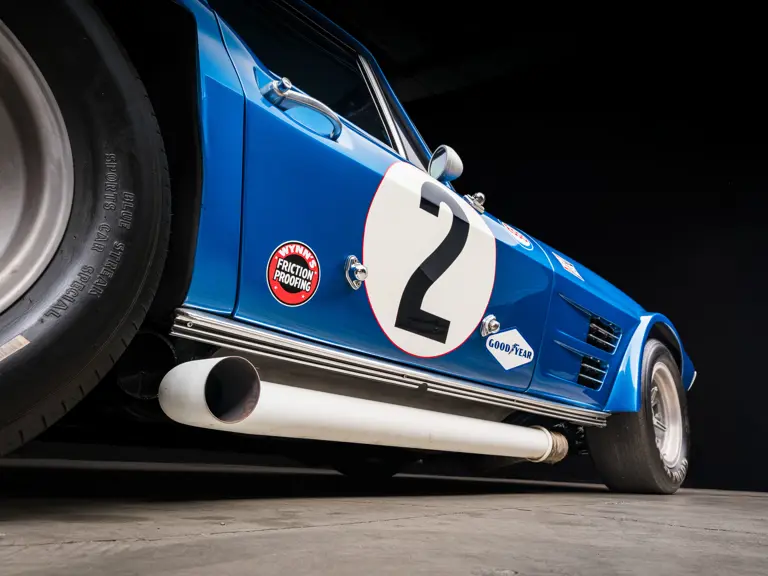
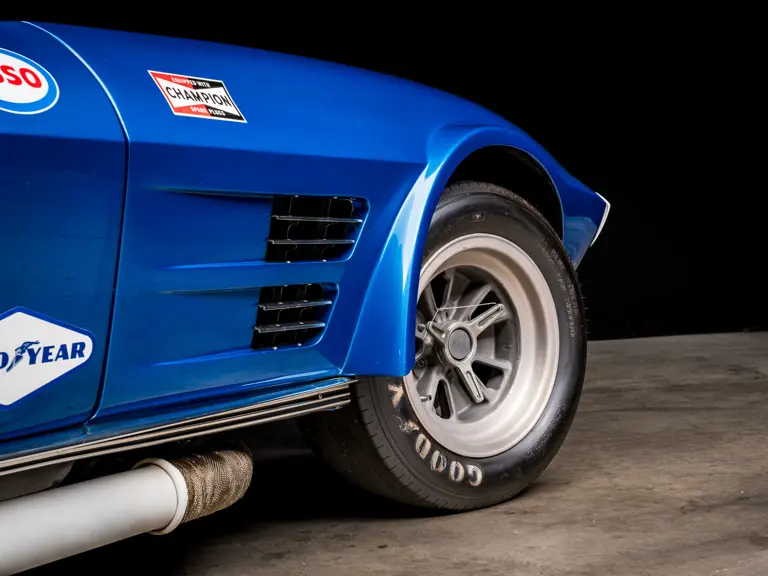
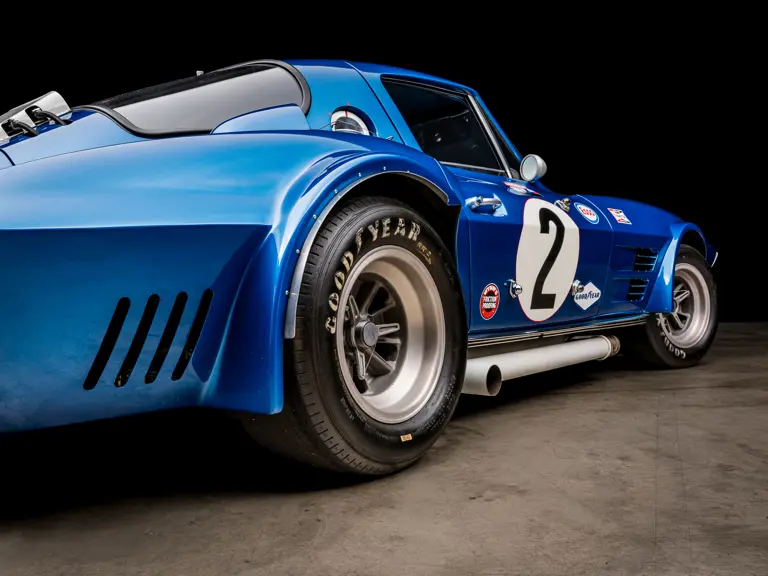
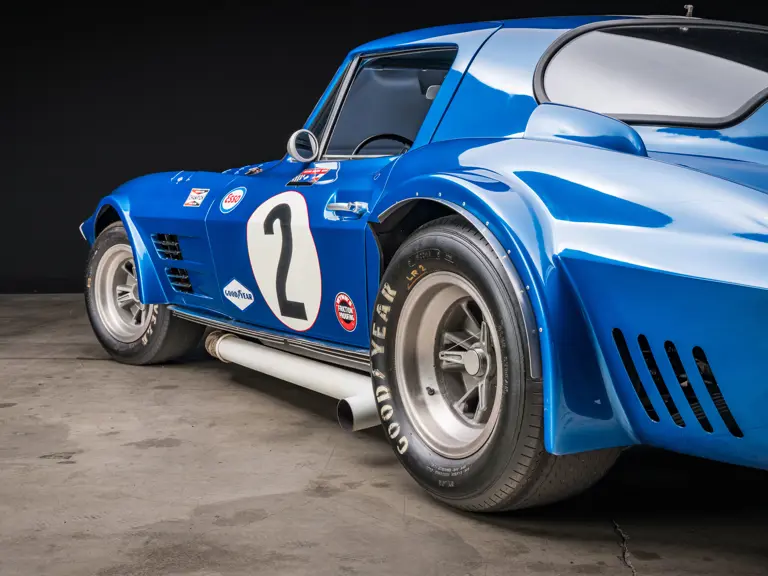
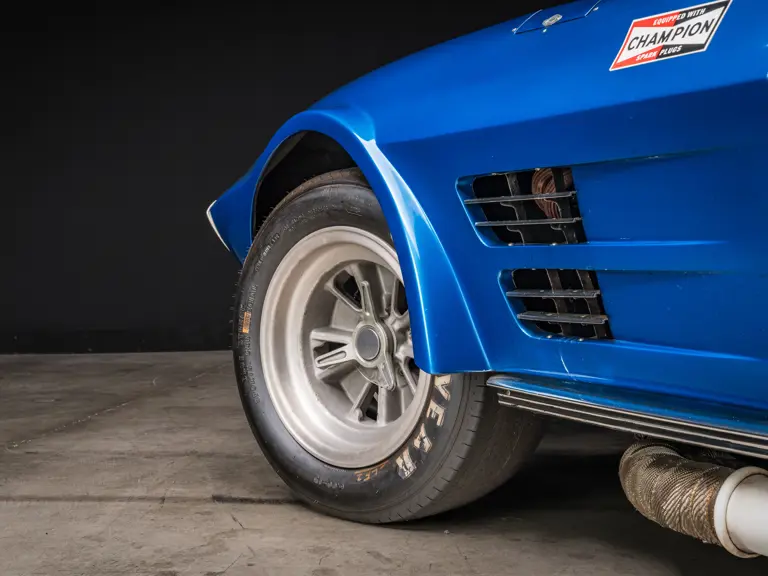
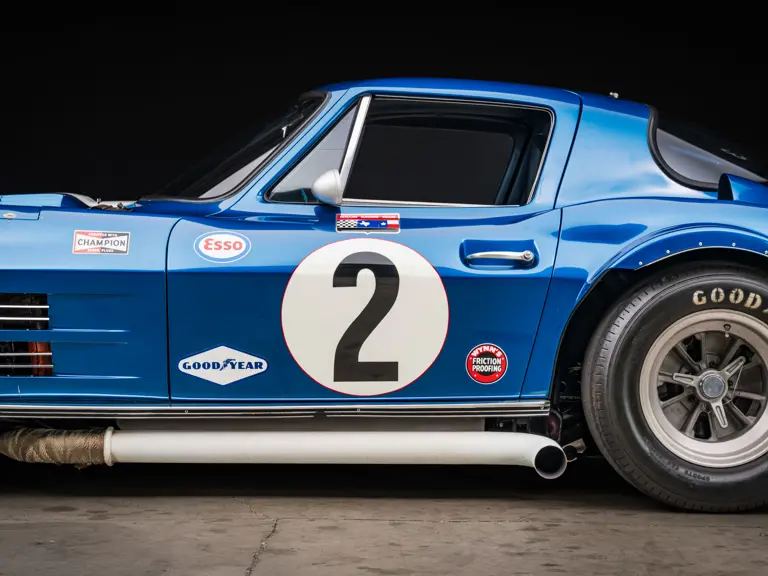
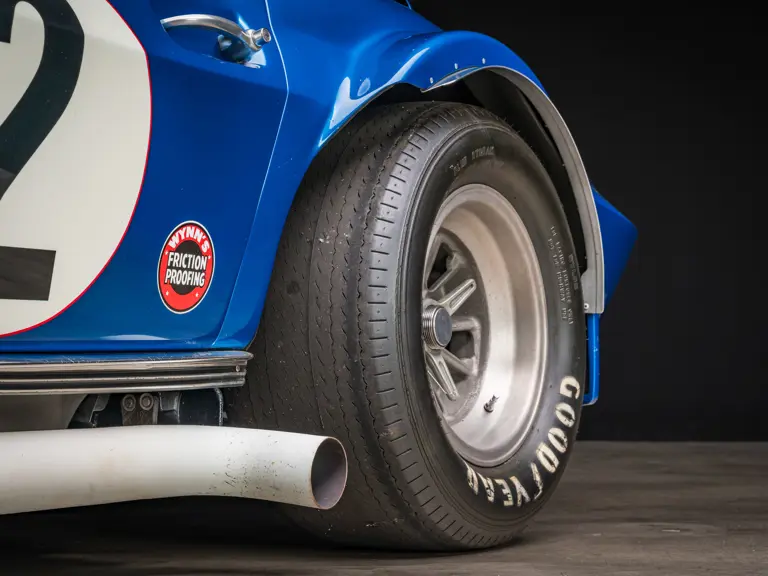
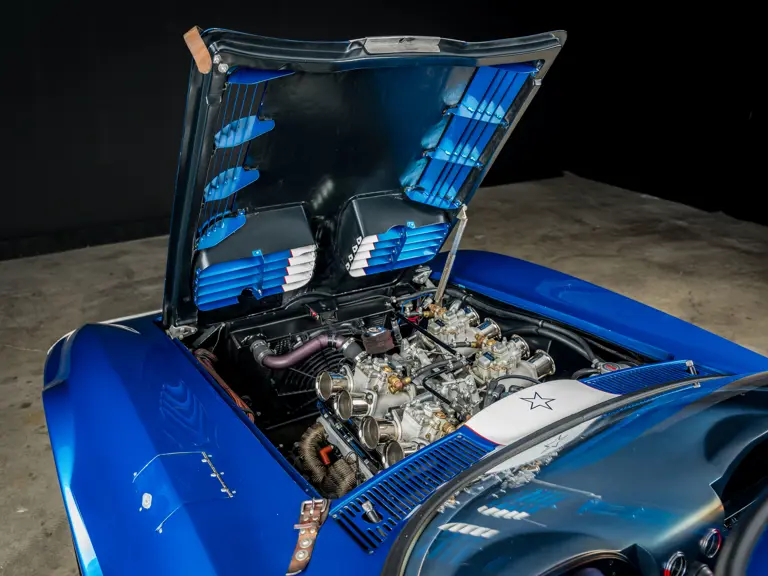
The Nassau cars represented a significant evolution beyond Doane's original configuration. Wider Halibrand magnesium wheels carried massive Goodyear Stock Car Special tires beneath dramatically flared fenders. Additional cooling vents appeared throughout the bodywork, while previously decorative Sting Ray styling features became fully functional aerodynamic aids.
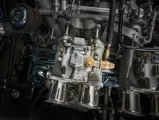
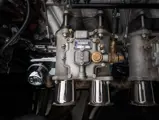
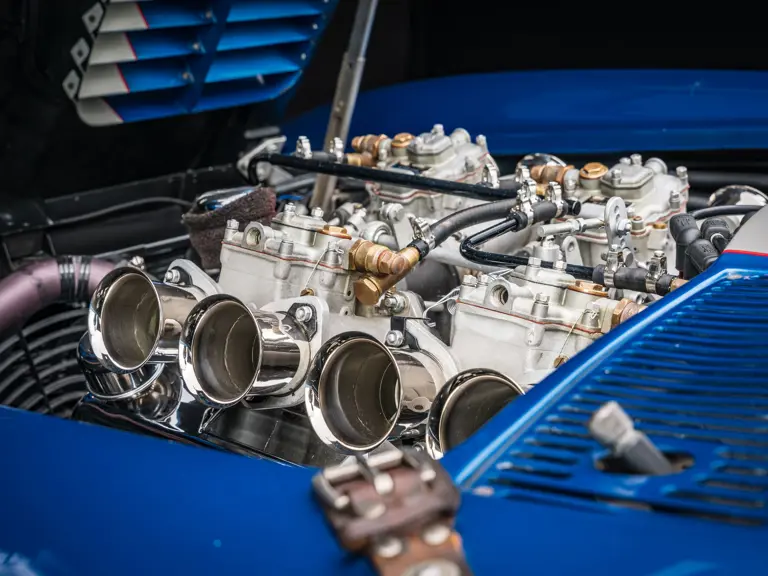
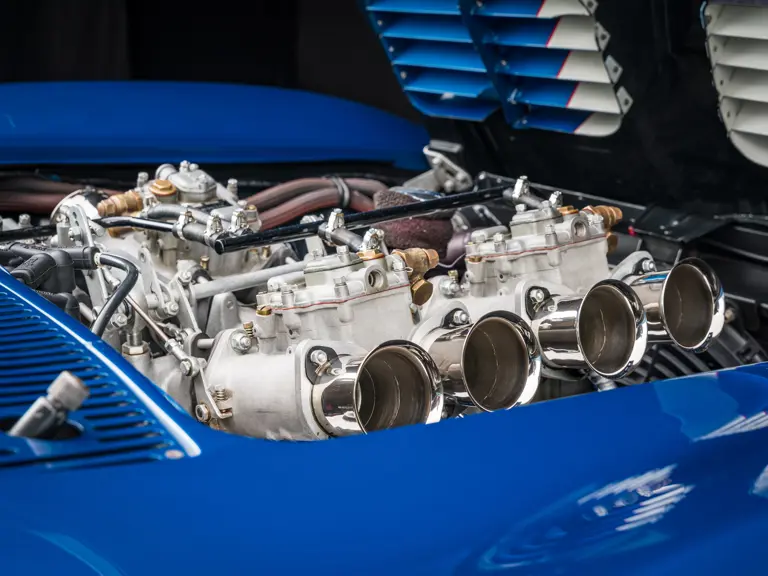
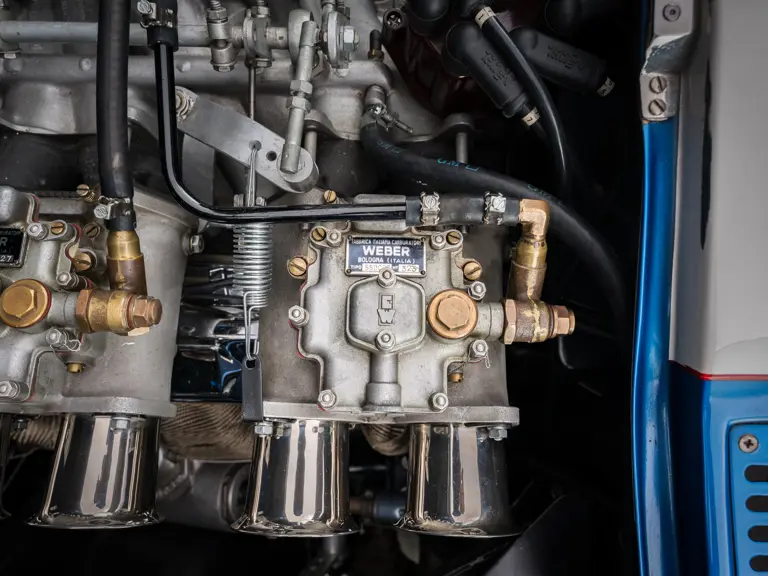
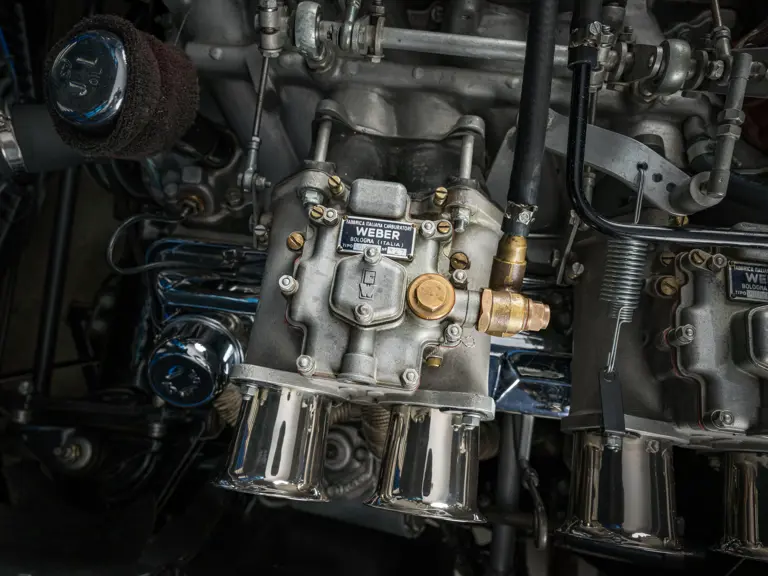
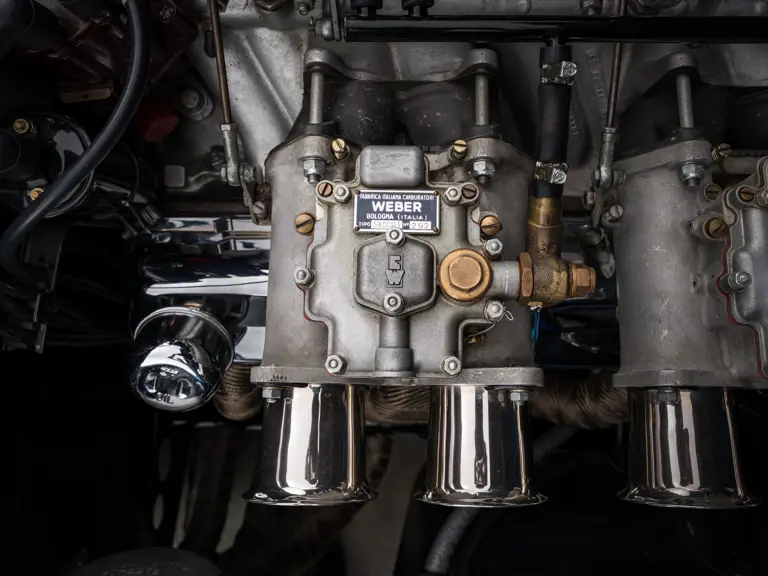
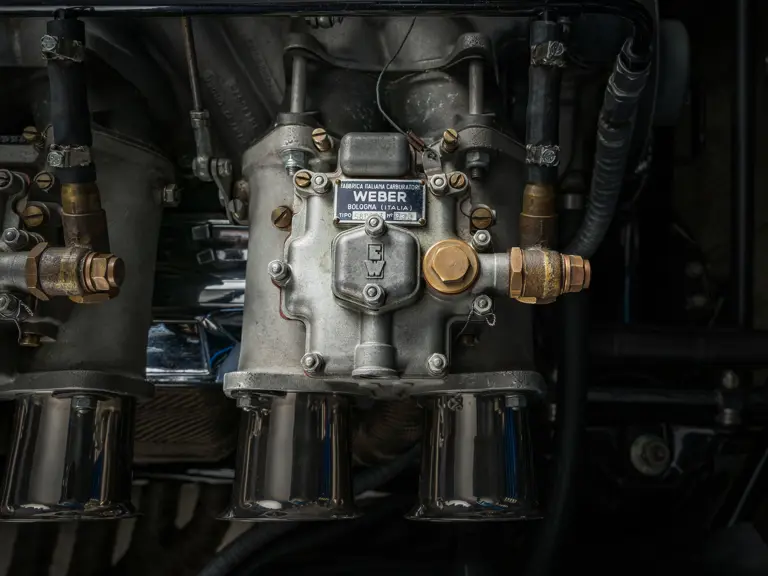
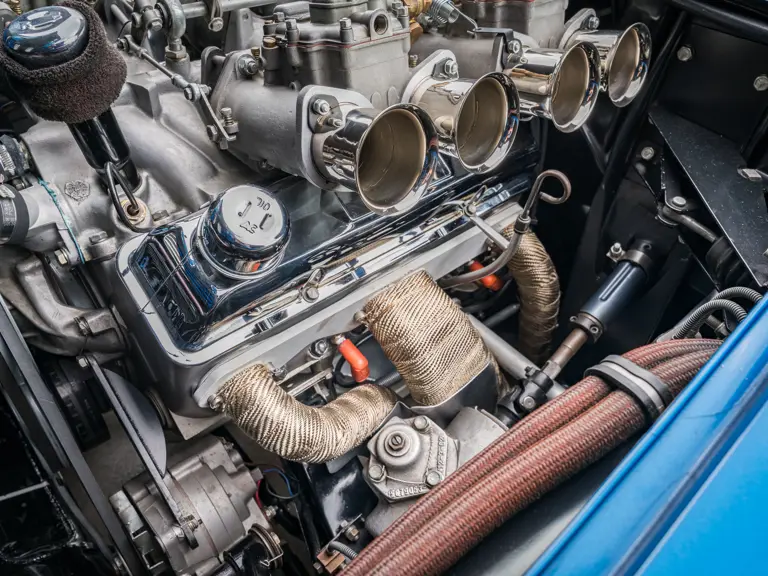
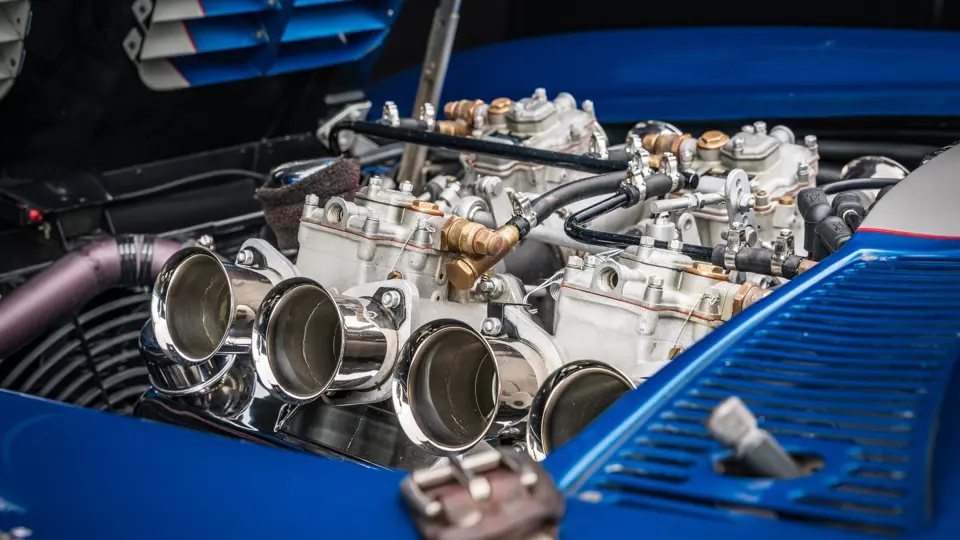
Most importantly, the engines had been transformed. Power now came from spectacular all-aluminum 377-cubic-inch V-8s breathing through four Weber 58 DCOE carburetors mounted atop exotic cross-ram intake manifolds. Chevrolet officially denied factory involvement, yet numerous Chevrolet engineers and Tra-Co Engineering's legendary engine specialist James Travers quietly accompanied the team, ensuring the cars remained perfectly prepared throughout the week.
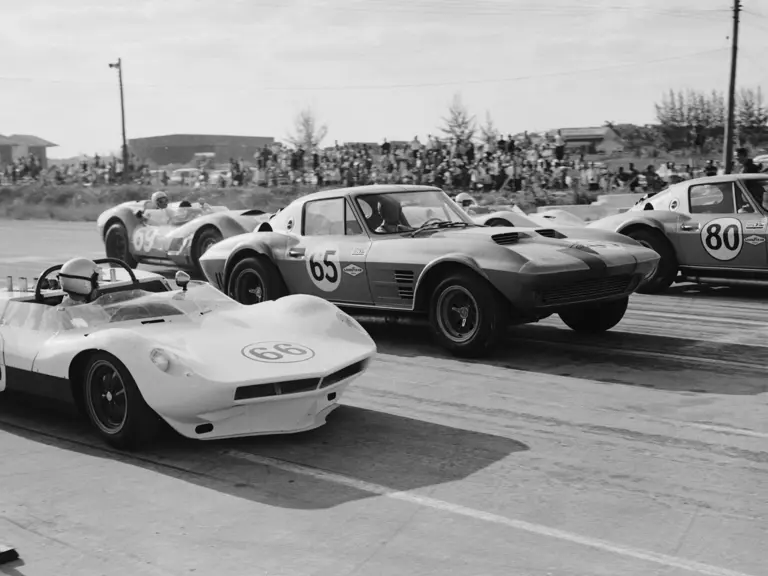
The opening Tourist Trophy provided both promise and frustration. Driven by future Chaparral founder Jim Hall, chassis 003 qualified an impressive 3rd overall. However, all three Grand Sports soon suffered rear differential overheating during the race, threatening to derail the program before it had truly begun.
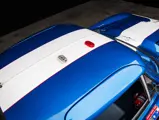
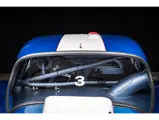
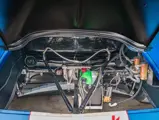
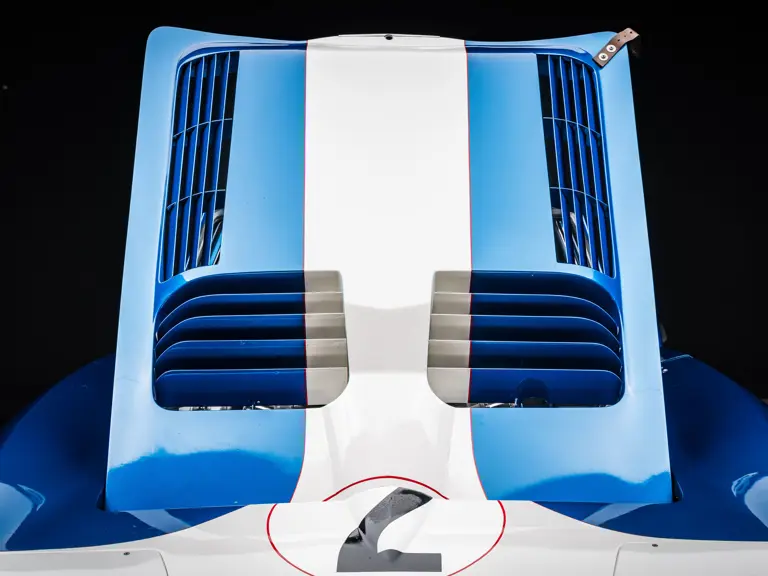
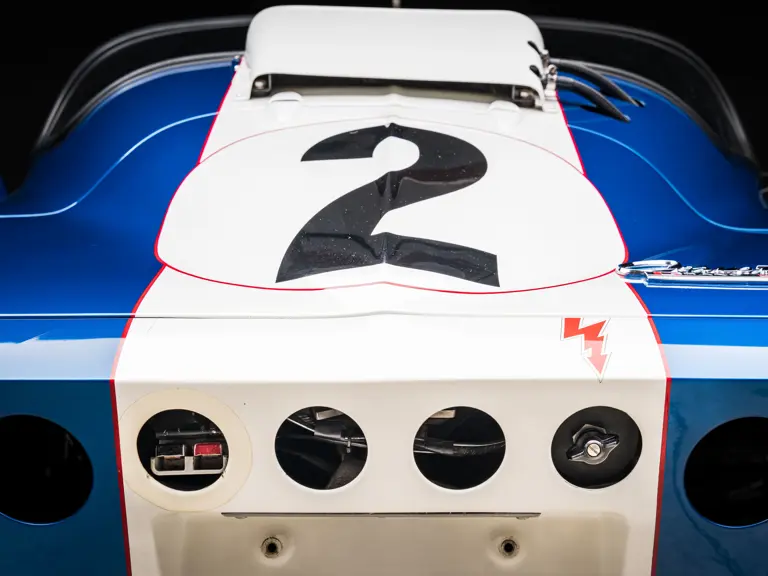
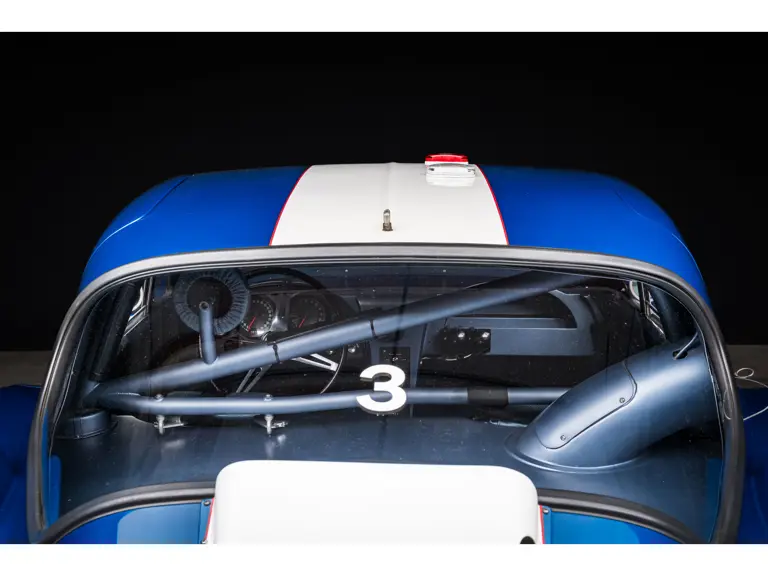
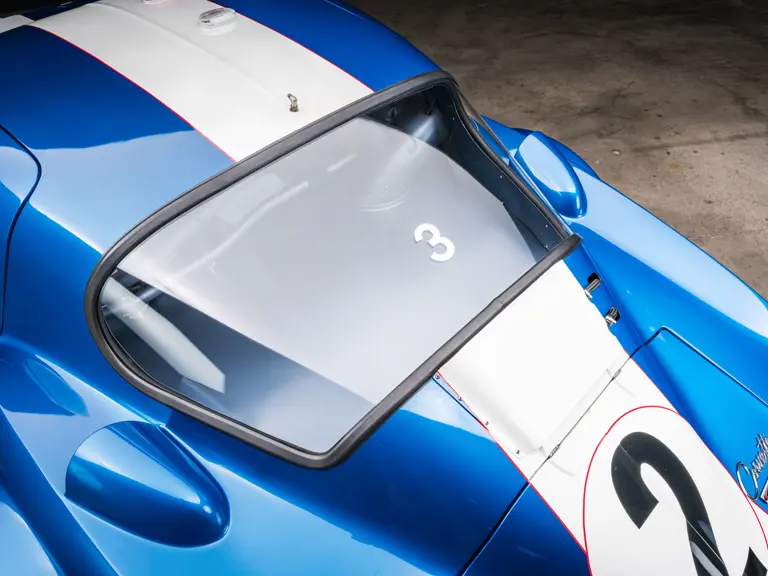
True to form, Arkus-Duntov's team improvised. Working virtually overnight, engineers fabricated an external differential oil-cooling system utilizing a decklid-mounted radiator positioned beneath the rear window. The solution permanently cured the problem and allowed the Grand Sports to demonstrate their true capabilities.
The payoff came during Friday's 112-mile Governor's Cup. With Augie Pabst at the wheel, chassis 003 finished 4th overall, immediately behind sister car 004, proving the Grand Sports possessed both speed and durability.
The defining moment arrived two days later in the prestigious 252-mile Nassau Trophy. John Cannon drove chassis 003 to 2nd in class and 8th overall, while Dick Thompson captured the class victory in chassis 005. Together, the three Grand Sports comprehensively outperformed Shelby's Cobras, overpowering them on Nassau's long straights and earning one of motorsport's most enduring nicknames: “Snake Eaters.”
For Arkus-Duntov, the week represented complete validation of everything he had believed for nearly a decade. His lightweight Corvette had accomplished exactly what it was designed to do—it had beaten the Cobra. Buoyed by Nassau's success, Arkus-Duntov immediately began preparing for Daytona and Sebring. The remaining two Grand Sports—roadsters 001 and 002—were finally completed, while the three coupes received additional refinements intended to keep Chevrolet's momentum alive.
Yet history intervened once again. Before the cars could depart for Daytona, General Motors leadership reaffirmed its prohibition against factory racing. Knudsen was ordered to withdraw all remaining support, leaving Arkus-Duntov to continue the program through private entrants with virtually no official assistance.
Daytona disappeared from the schedule. Sebring, however, remained within reach. The coupes received formidable iron-block 377-cubic-inch engines equipped with four-carburetor induction systems, and chassis 003 returned to John Mecom's team for preparation. Although limited resources prevented the level of development the car deserved, the Grand Sport nevertheless arrived at Sebring ready to challenge the world's finest endurance racers once again.
SEBRING AND THE PRIVATEER YEARS
With Daytona no longer an option, all attention turned to the 12 Hours of Sebring in March 1964. Although General Motors had officially withdrawn factory support, Arkus-Duntov remained determined to prove the Grand Sport's capabilities on one of the world's most demanding endurance racing stages.
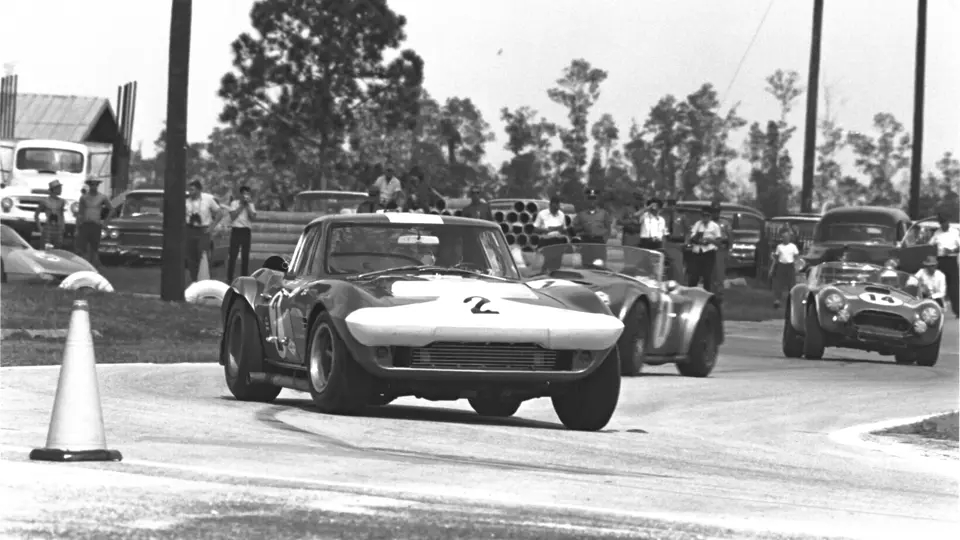
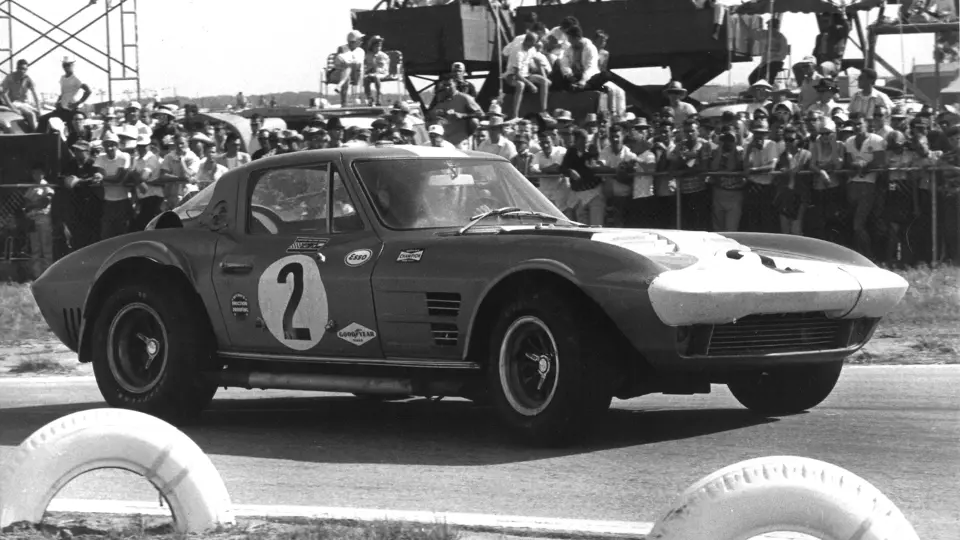
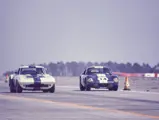
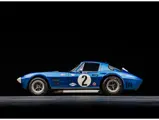
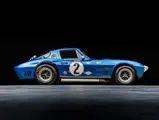
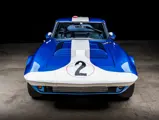
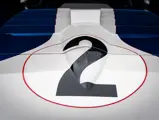
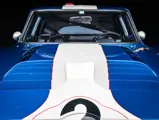
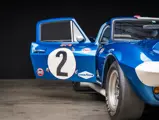
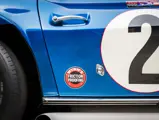
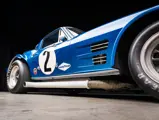
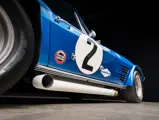
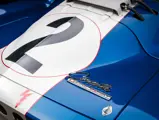
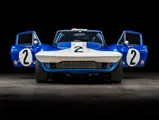
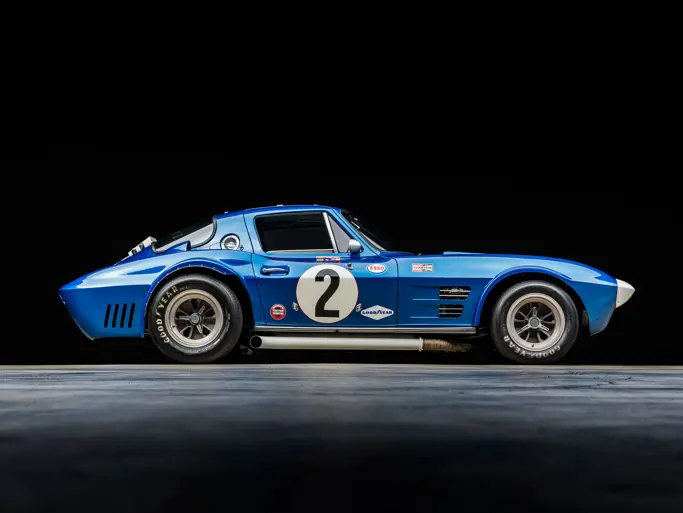
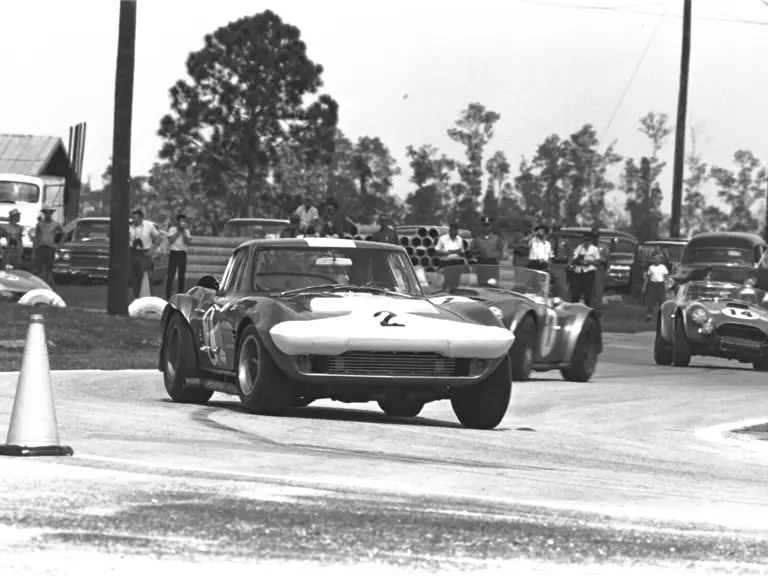
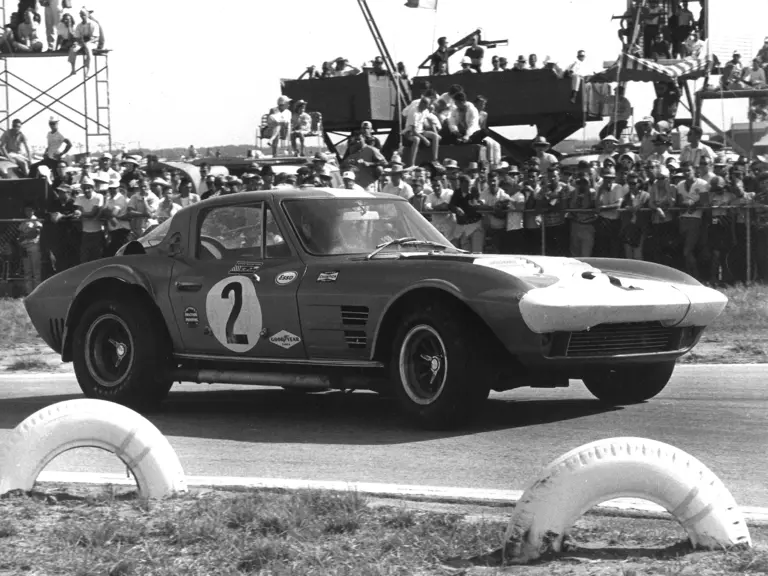
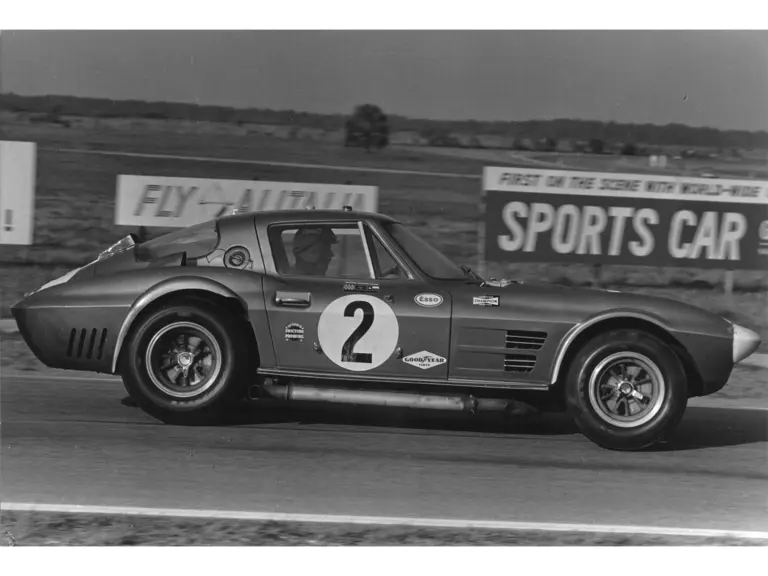
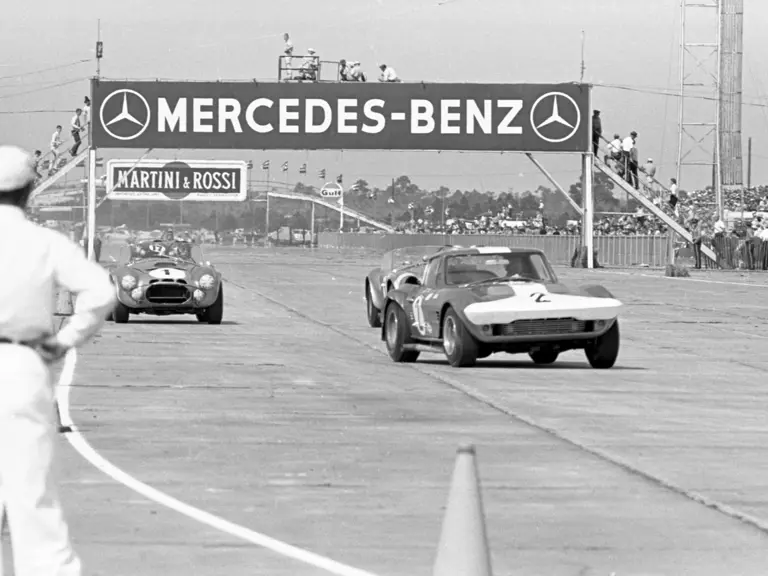
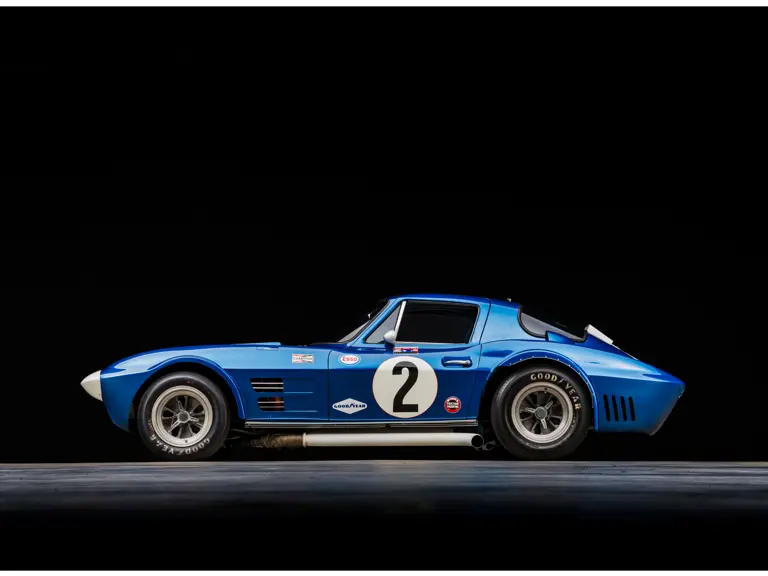
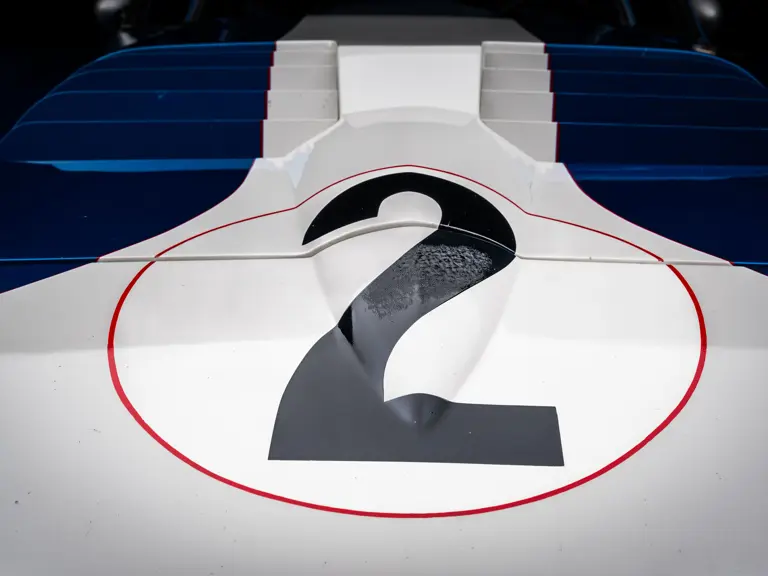
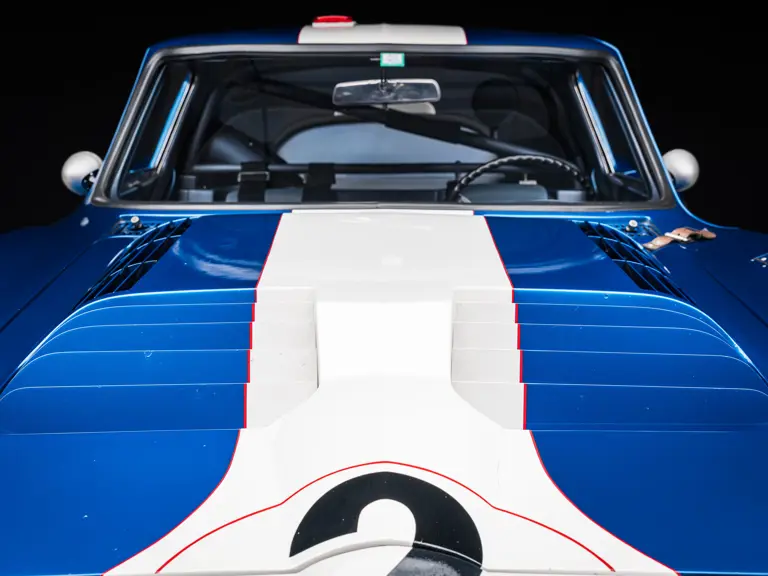
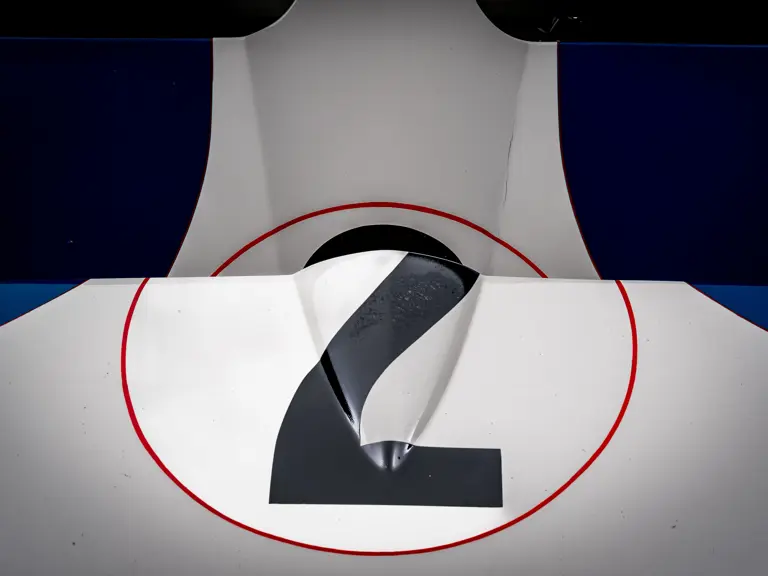
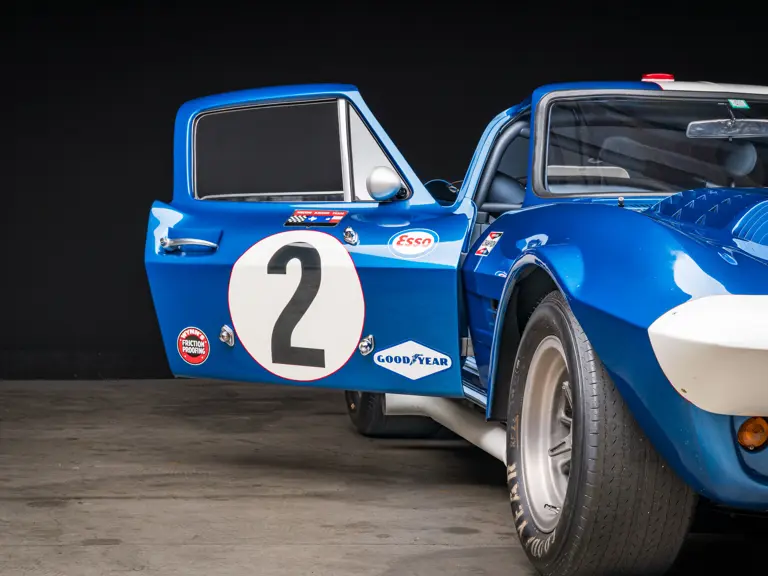
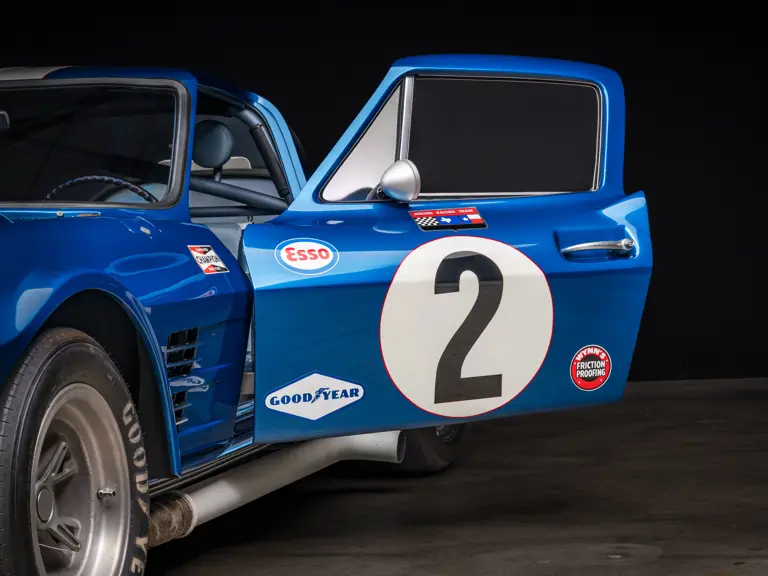
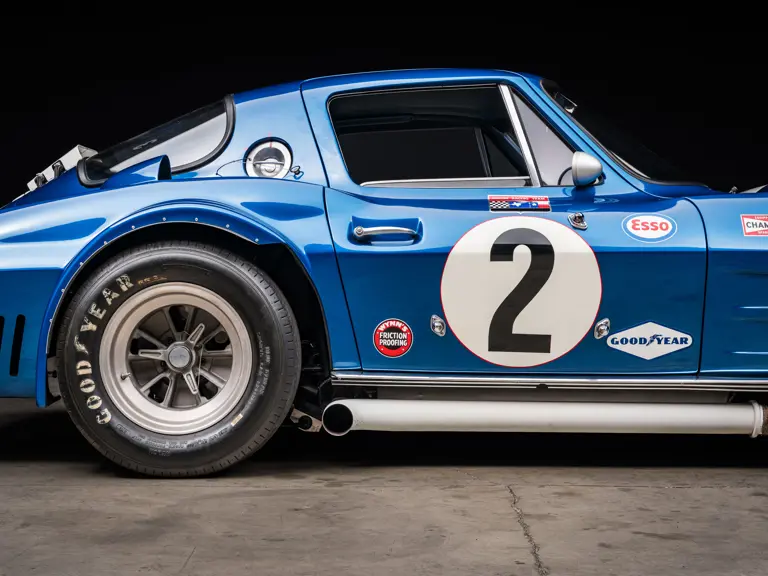
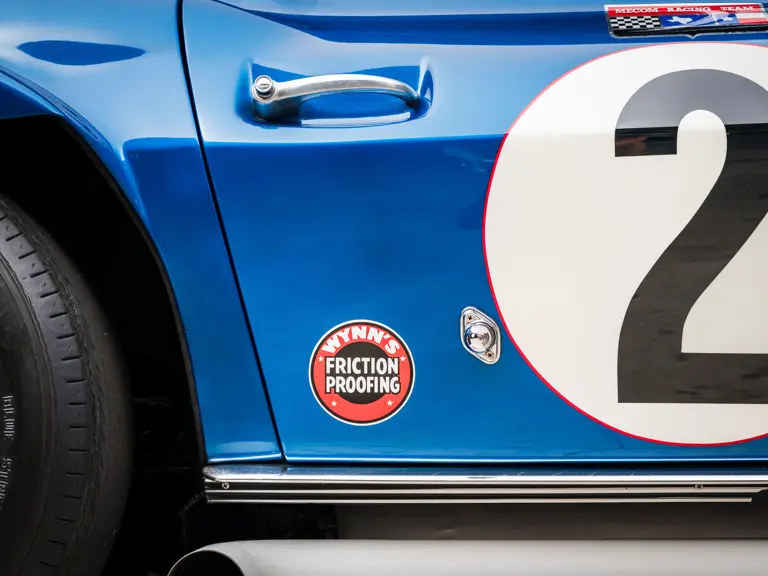
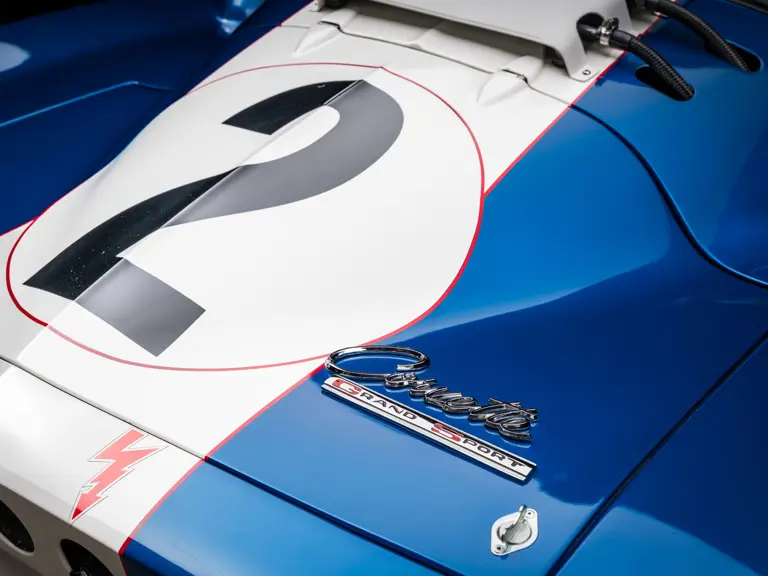
For Sebring, the three coupes received another significant evolution. Their lightweight aluminum engines gave way to robust 377-cubic-inch iron-block V-8s equipped with four-carburetor induction systems, providing exceptional durability and prodigious power for the grueling Florida classic. Chassis 003 was again entrusted to John Mecom's formidable racing organization. Driven by John Cannon and the rising young superstar A.J. Foyt, the Corvette carried race number 2 into one of the most competitive fields of the era.
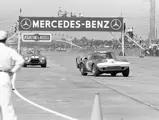
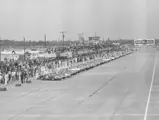
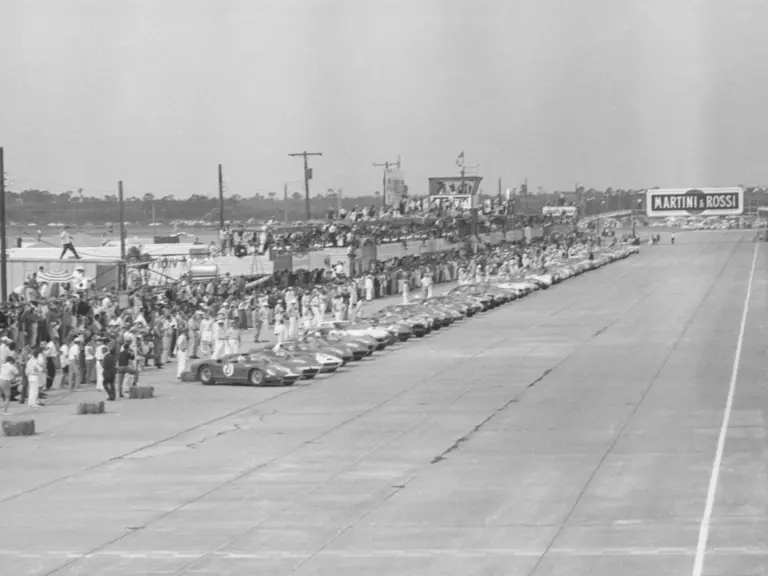
Mechanical gremlins during qualifying left the Grand Sport mired in 62nd position on the 66-car starting grid—hardly representative of its true potential. What followed became one of Sebring's legendary opening laps. When the green flag fell, A.J. Foyt launched the Grand Sport through the field with breathtaking determination, slicing past approximately 50 competitors before completing the opening circuit. Within hours the Corvette had climbed into the overall top 10, reaching as high as 8th place and demonstrating the devastating combination of its lightweight chassis and immense V-8 power.
Misfortune, however, remained an all-too-familiar companion. Just beyond the halfway point, a worn axle spline allowed a wheel to loosen, forcing an unscheduled pit stop. As the crew completed repairs, an unrelated accident blocked the pit exit, compounding the delay and dropping the Corvette deep into the order.
Despite the setback, Cannon and Foyt mounted an impressive recovery, ultimately finishing 23rd overall and 2nd in class—an admirable result considering the adversity they had overcome.
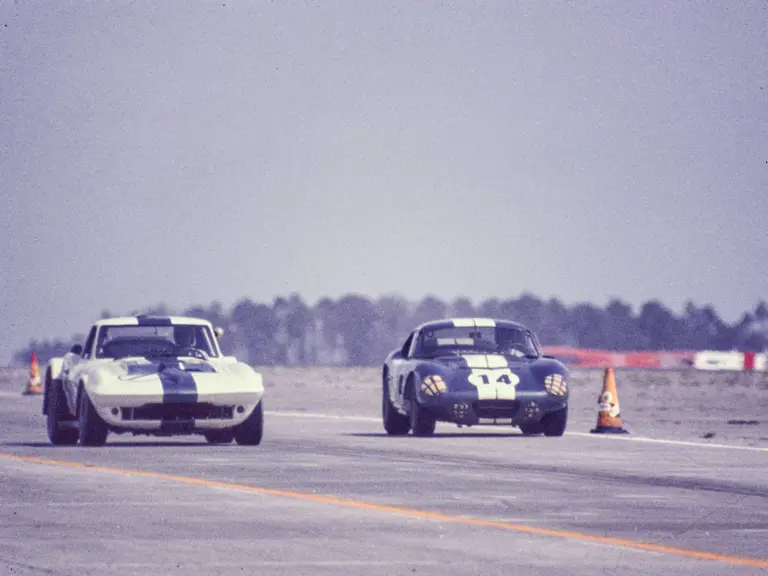
Equally significant, Sebring marked the first competitive appearance of Shelby's new Cobra Daytona Coupe. Although the two programs competed in different classes, the meeting represented the opening chapter in one of American sports car racing's most fascinating rivalries.
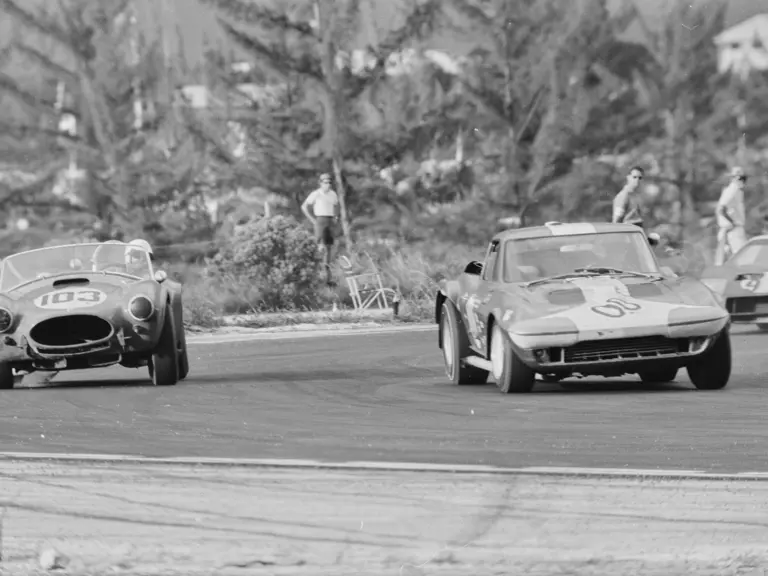
Following Sebring, chassis 003 continued its active competition schedule under Mecom Racing. Jack Saunders drove the Grand Sport to 2nd in class at the Houston SCCA Regionals in October 1964 before returning to Nassau later that year. Entered as race #00, Saunders recorded another podium finish with 3rd in class in the Tourist Trophy while sister chassis 005 captured overall class honors. Although mechanical issues interrupted the remainder of the Bahamas campaign, the Grand Sport had firmly established itself as one of America's fastest and most formidable racing Corvettes.
RUNNING WITH THE PRIVATEERS
By early 1965, the Grand Sport project had effectively reached its conclusion. Without factory backing, Arkus-Duntov quietly facilitated the sale of the five chassis to dedicated private owners, ensuring that the cars would continue competing long after Chevrolet's official involvement had ended.
Chassis 003 remained with John Mecom until January 1965, when it was acquired by 19-year-old Texas enthusiast Alan Sevadjian. While Alan assumed ownership, his father, Ed Sevadjian, handled driving duties, and race preparation was entrusted to Delmo Johnson—one of the country's most respected Corvette racers and owner of sister chassis 004. Even after Chevrolet's withdrawal, Arkus-Duntov continued offering whatever assistance he could. He supplied Johnson with a fresh big-block Chevrolet engine installed in a new production Corvette. The donor car's 427-cubic-inch V-8 was removed and fitted to chassis 003 in preparation for another assault on Sebring.
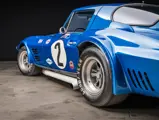
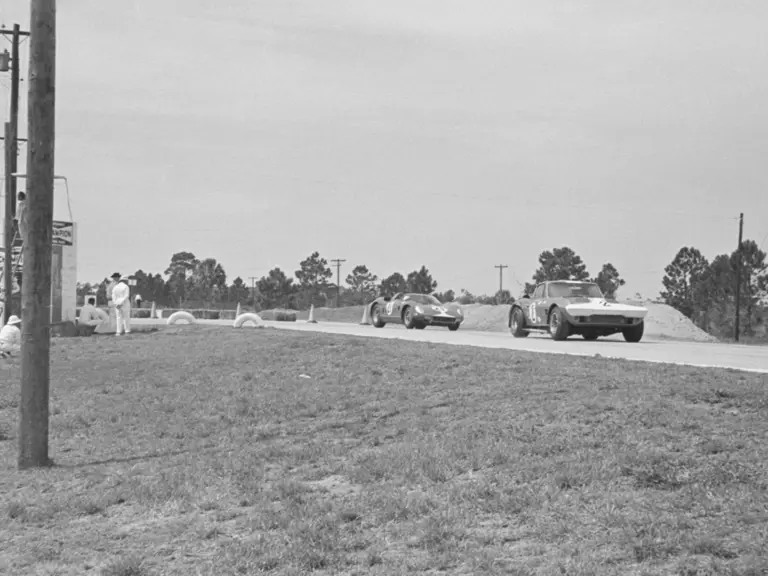
Entered by Ridgeway Racing as car #1 in the 1965 12 Hours of Sebring, the Grand Sport was shared by Delmo Johnson, Ed Sevadjian, and Dave Morgan. Against formidable international competition, the Corvette finished an impressive 3rd in class, adding yet another major endurance result to its remarkable racing résumé. Johnson later summarized the Grand Sport's astonishing performance with this blunt response: "Brute horsepower. It was like a dragster—the only car I ever drove that would lift the front wheels off the ground in all four gears."
The 1965 season concluded with additional SCCA appearances, highlighted by Ed Sevadjian's overall class victory at the Hammond National in May—a fitting competitive finale for one of the most extraordinary American racing cars ever conceived.
As the decade progressed, chassis 003 gradually transitioned from front-line competition into the hands of increasingly knowledgeable enthusiasts. Sold to Mike Golas in 1967, the Corvette saw only limited use before passing to Alan Foster of Palo Alto, California, the following year. Foster carried out mechanical improvements, particularly to the braking system, and displayed the Grand Sport at the 1969 Western States Corvette Convention before placing it into long-term storage.
Fortunately, this period of relative inactivity preserved one of the Grand Sport's greatest assets: its remarkable originality. Unlike many competition cars that endured repeated crashes, extensive rebuilding, or wholesale component replacement, chassis 003 escaped the violent attrition common to front-line racecars of the era. It retained its original structure, its unique lightweight body, and many irreplaceable factory-built components that would later prove invaluable during restoration.
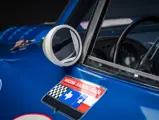
In 1975 the Corvette entered the collection of noted enthusiast Robert Paterson of nearby Woodside, California. Appreciating the car's immense historical importance, Paterson commissioned respected fiberglass specialist Bob Waldschmidt's Automotive Enterprises to carefully restore the body while returning the Grand Sport to its celebrated Mecom Racing blue livery from the 1963 Nassau campaign. Paterson retained the car for 14 years before selling it to Tom Armstrong in 1989.
Armstrong's stewardship further elevated chassis 003's standing within the Corvette community. During his ownership the Grand Sport earned a Bloomington Gold Special Collection Certificate in 1994, entered the prestigious Bloomington Gold Hall of Fame in 1997 as one of the first 33 Corvettes so honored, and received the National Corvette Restorers Society Special Interest Award at the 2002 National Convention.
Importantly, Armstrong resisted the temptation to transform the Corvette into a static museum piece. Instead, chassis 003 remained mechanically fit, regularly exercised at historic racing events, and preserved exactly as a legendary competition car should be—alive, functional, and unmistakably authentic, ready to challenge the world's finest endurance racers once again.
CALIFORNIA STEWARDSHIP
In 2003, chassis 003 entered perhaps the most meticulous chapter of its remarkable history when it was acquired by its current caretaker, a distinguished California collector who recognized both the Grand Sport's historical significance and its extraordinary state of preservation. Remarkably, he became only the third long-term owner in the preceding half-century—a testament to the reverence with which this legendary Corvette has always been regarded.
Rather than simply preserve the car, the consignor embarked upon an ambitious mission: to return chassis 003 to the exact specification in which it competed at the 1964 12 Hours of Sebring while ensuring it remained fully capable of vintage competition.
The task was entrusted to Terry Scarborough Racing (TSR) of Sonoma, California, one of the nation's foremost authorities on historic competition Corvettes. What followed was nothing short of extraordinary. Spanning more than four years, consuming well in excess of 4,000 labor hours, and representing an investment approaching $1 million, the restoration ranks among the most comprehensive ever performed on a Corvette Grand Sport. Every component was carefully disassembled, inspected, documented, restored, or remanufactured to exact original specifications. Wherever possible, original factory pieces were retained and refinished. Components unsuitable for continued use were preserved with the car, while irreplaceable Grand Sport-specific pieces were painstakingly recreated using original construction methods and materials.
Fortunately, the project began with an exceptional foundation. As former owner Robert Paterson observed, chassis 003 retained the honest patina of competition without bearing the devastating accident damage that claimed so many contemporary racecars. Throughout its documented competition history, the Grand Sport escaped the catastrophic impacts that often required replacement chassis, extensive structural repairs, or new bodywork.
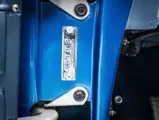
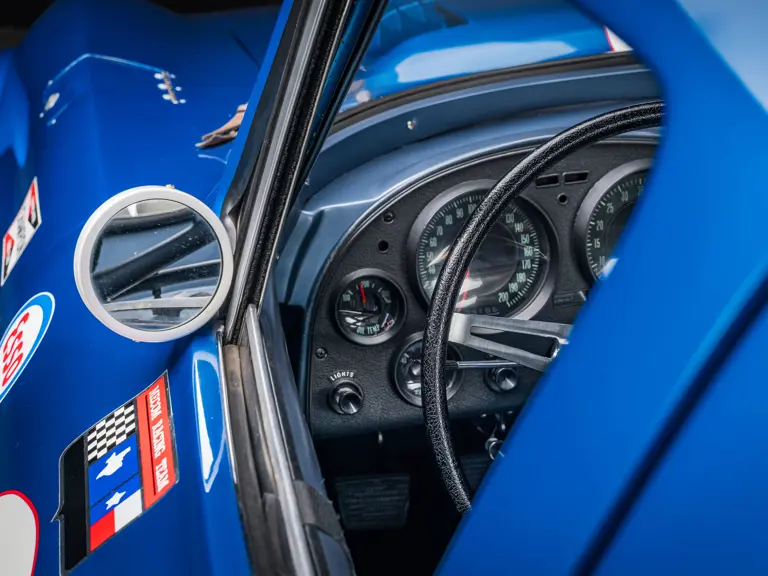
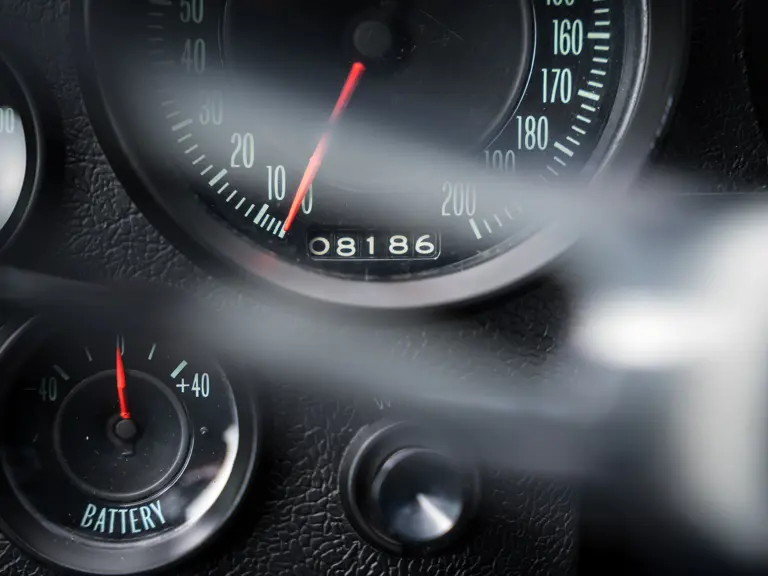
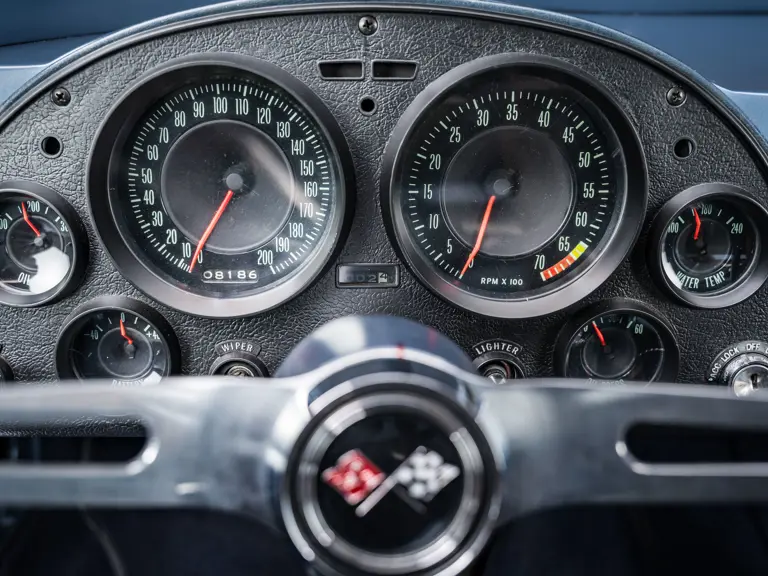
As a result, the restoration benefited from an unusually complete and remarkably original automobile. Its unique tubular chassis remained fundamentally intact, the ultra-lightweight fiberglass body retained its original integrity, and even the dashboard and seats were believed to be original to the car. Such authenticity is virtually impossible to recreate.
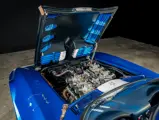
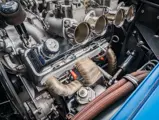
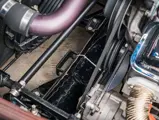
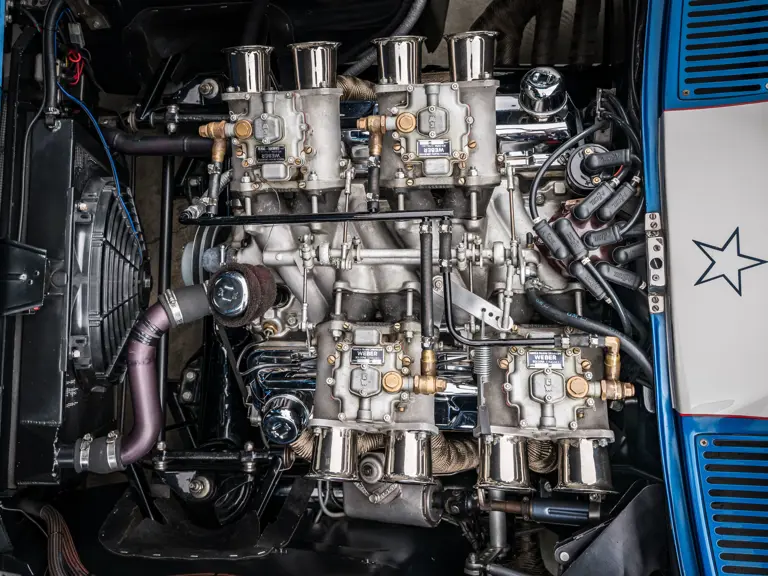
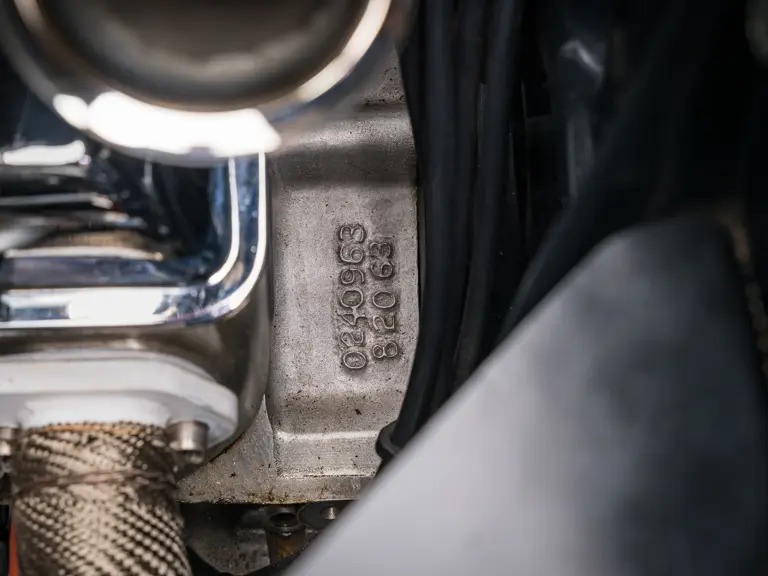
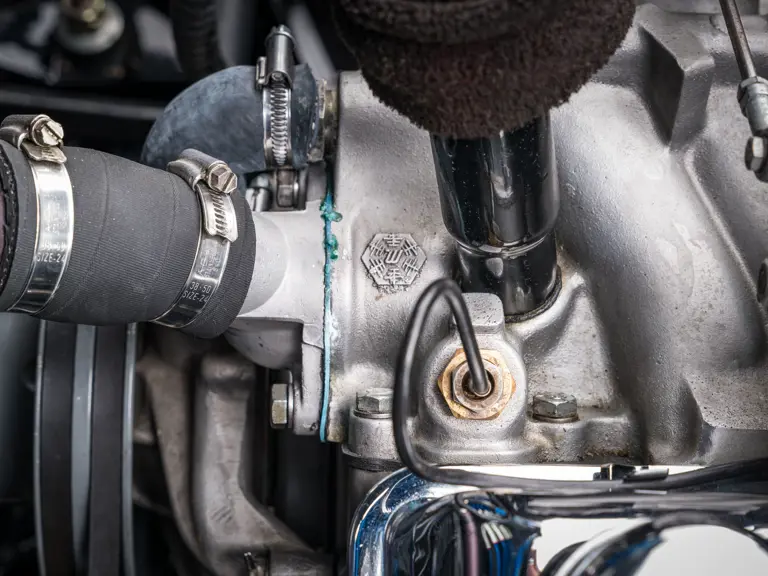
Mechanically, equal care was devoted to ensuring that the Corvette performed every bit as impressively as it appeared. The aluminum small-block engine installed during Tom Armstrong's ownership was replaced with a newly constructed all-aluminum 377-cubic-inch V-8 built by renowned engine builder Ted Yamashiro of Techcraft. The original Armstrong-built engine was itself professionally rebuilt and accompanies the sale, preserving another important chapter in the car's evolution.
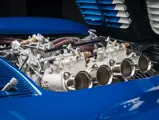
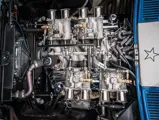
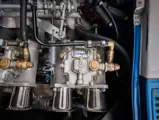
Configured precisely as a period Grand Sport competition engine, the current powerplant breathes through four original Weber 58 DCOE carburetors mounted atop an original aluminum cross-ram intake manifold. Output is estimated at more than 600 horsepower and over 600 pound-feet of torque, delivering performance entirely befitting one of America's greatest racing Corvettes.
Power is transmitted through an M21 transmission upgraded internally to M22 close-ratio specifications, reflecting the gearbox configuration Chevrolet engineers themselves would likely have selected had development continued uninterrupted.
Equally impressive is the attention paid to authenticity. Every visible detail faithfully recreates the appearance of the sophisticated competition engines developed by Arkus-Duntov's engineering team during the Grand Sport program's brief but brilliant existence.
A LEGEND PRESERVED
Following completion of its restoration, chassis 003 resumed the role for which it was built—not as a static museum exhibit, but as a living, breathing competition automobile. The Grand Sport appeared at many of the world's most prestigious automotive gatherings, including the Carmel-by-the-Sea Concours on the Avenue, Palo Alto Concours d'Elegance, The Quail, A Motorsports Gathering, and the Petersen Automotive Museum's celebrated Tribute to Corvette Racing exhibition. In 2010, it crossed the Atlantic to participate in the renowned Goodwood Festival of Speed, placing one of America's greatest competition cars before an international audience.
Additional refinement and careful development between 2010 and 2013 ensured that the Corvette remained as capable dynamically as it was visually, allowing it to continue participating in premier historic motorsport events including the Sonoma Motorsports Festival and multiple appearances at the Rolex Monterey Motorsports Reunion.
Its return to Laguna Seca in 2023 carried particular significance. As part of General Motors' official celebration of Corvette's 70th anniversary, chassis 003 occupied a place of honor among the marque's greatest achievements—a fitting recognition for the very machine that established Corvette's competition legacy decades earlier. One year later, the Grand Sport returned to Monterey once again and was recognized as the “Best Corvette to Ever Race at Laguna Seca,” an extraordinary accolade considering the generations of championship-winning Corvettes that have since competed there.
In 2024, the car became the subject of an acclaimed feature film presented by Sebring and Daytona winner Johannes van Overbeek. Filmed at Thunderhill Raceway, the production captures the Grand Sport exactly as Arkus-Duntov intended—accelerating at full song, its Weber-fed V-8 delivering one of the most unforgettable exhaust notes in American motorsport. Van Overbeek's participation is especially noteworthy. Having assisted Terry Scarborough in developing the car following its restoration, few modern drivers understand chassis 003's extraordinary capabilities more intimately.
THE ULTIMATE AMERICAN COMPETITION CORVETTE
Few automobiles occupy such an exalted position within American motorsport history as chassis 003. One of only five Corvette Grand Sports ever constructed and one of just three coupes, it remains one of the most original, extensively documented, and continuously known examples of this legendary series, supported by an unbroken chain of ownership, period photographs, racing documentation, restoration records, and an exceptional archive of spare components accumulated over decades of careful stewardship.
Its résumé is equally extraordinary. Driven by A.J. Foyt, Jim Hall, Augie Pabst, John Cannon, Dick Doane, Delmo Johnson, Jack Saunders, and other accomplished competitors, it earned victories in SCCA competition, starred during the famed 1963 Bahamas Speed Week, finished 2nd in class at Sebring in 1964, and returned for another podium-class finish in 1965.
Yet statistics alone cannot fully explain the Grand Sport's importance. This is the automobile that embodied Zora Arkus-Duntov's uncompromising vision of what the Corvette could become. Conceived in defiance of corporate policy, engineered with extraordinary ingenuity, and developed with singular determination, the Grand Sport transformed the Corvette from an accomplished American sports car into a genuine international racing contender. Every championship-winning Corvette that followed traces its lineage directly to these five remarkable machines.
When measured against its contemporaries, chassis 003 occupies extraordinarily rare company. It is rarer than the Shelby Cobra Daytona Coupe, substantially rarer than the Ferrari 250 GTO, and unquestionably among the most significant competition automobiles ever produced by General Motors. Examples of this stature rarely become available. For the collector seeking one of the defining icons of post-war American motorsport, opportunities simply do not come any better.
More than 60 years after Zora Arkus-Duntov quietly pursued his impossible dream, chassis 003 remains the purest expression of that ambition—a factory-built racing Corvette conceived to defeat the Cobra, preserved with exceptional care, and presented today as one of the most important American competition cars ever offered for public sale.
| Date | Event | Driver | Entrant | Race # | Result |
|---|---|---|---|---|---|
| 19 May 1963 | SCCA Regional Wilmot | Dick Doane | |||
| 8 June 1963 | Preliminary Greenwood | Dick Doane | Dick Doane | 29 | 1st in Class, 2nd OA |
| 9 June 1963 | SCCA Regional Greenwood | Dick Doane | Dick Doane | 29 | DNF |
| 21 July 1963 | SCCA Divisional Wilmot | Dick Doane | 1st in Class, 2nd OA | ||
| 28 July 1963 | SCCA Divisional Mid Ohio | Dick Doane | 29 | ||
| 4 August 1963 | SCCA National Meadowdale | Dick Doane | Doane of Dundee | 29 | 5th in Class, 6th OA |
| 8 September 1963 | Road America 500 | Dick Doane | RD Doane | 29 | DNF |
| 22 September 1963 | SCCA Divisional Greenwood | Dick Doane | Richard D Doane | 29 | 1st in Class, 4th OA |
| 1 December 1963 | Nassau Tourist Trophy Qualifier | Jim Hall | Mecom Racing Team | 65 | 3rd |
| 1 December 1963 | Nassau Tourist Trophy | Jim Hall | Mecom Racing Team | 65 | DNF |
| 6 December 1963 | Nassau Governor's Cup | Augie Pabst | Mecom Racing Team | 65 | 4th |
| 6 December 1963 | Nassau Trophy Race | John Cannon | Mecom Racing Team | 65 | 2nd in Class, 8th OA |
| 21 March 1964 | Sebring 12 Hours | AJ Foyt/John Cannon | Mecom Racing Team | 2 | 2nd in Class, 23rd OA |
| 11 October 1964 | SCCA Regional Houston | Jack Saunders | Mecom Racing Team | 3 | 2nd in Class, 2nd OA |
| 29 November 1964 | Nassau Tourist Trophy Qualifier | Jack Saunders | John Mecom Jr. | 00 | 6th |
| 29 November 1964 | Nassau Tourist Trophy | Jack Saunders | John Mecom Jr. | 00 | 3rd in Class, 23rd OA |
| 4 December 1964 | Nassau Governor's Cup | Jack Saunders | John Mecom Jr. | 00 | DNF |
| 4 December 1964 | Nassau Trophy Race | Jack Saunders | John Mecom Jr. | 00 | DNQ |
| 27 March 1965 | Sebring 12 Hours | Delmo Johnson/Dave Morgan/Ed Sevadjian | Ridgeway Racing, Inc. | 1 | 3rd in Class, 36th OA |
| 4 April 1965 | SCCA National Lake Charles | Ed Sevadjian | |||
| 25 April 1965 | GP Stuttgart (US) | Ed Sevadjian | 3rd in Class, 4th OA | ||
| 9 May 1965 | SCCA National Hammond | Ed Sevadjian | 1st | ||
| 1 August 1965 | SCCA National Opelousas | Ed Sevadjian | 00 |
 | Monterey, California