Before the Lancia 037 and Delta Integrale became icons, the Fiat 131 Abarth was winning world championships. So why has it been forgotten?
Three World Rally Championship Manufacturers’ titles and 20 WRC victories ought to guarantee a fairly comfortable place in the pantheon of homologation specials, particularly when the car in question also carried Walter Röhrl to the 1980 Drivers’ title.
Yet somehow, the Fiat 131 Abarth has never enjoyed that sort of status. The Stratos was more exotic, the 037 and Delta S4 belonged to the lunacy of Group B, and the Integrale built an entire cult around itself, while the Ford Escort Mk2, the Fiat’s great contemporary rival, simply refused to disappear. Escorts went rallying at every conceivable level for decades, particularly in Britain and Ireland, so the sight of one sideways on a forest stage became almost shorthand for the sport.
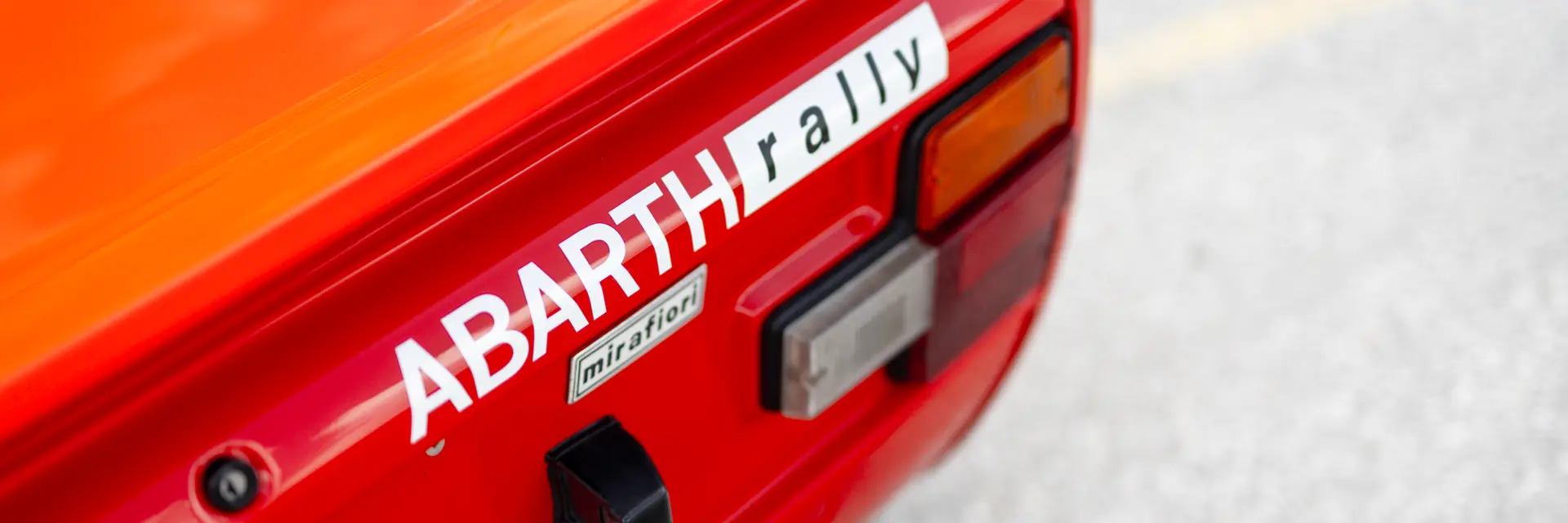
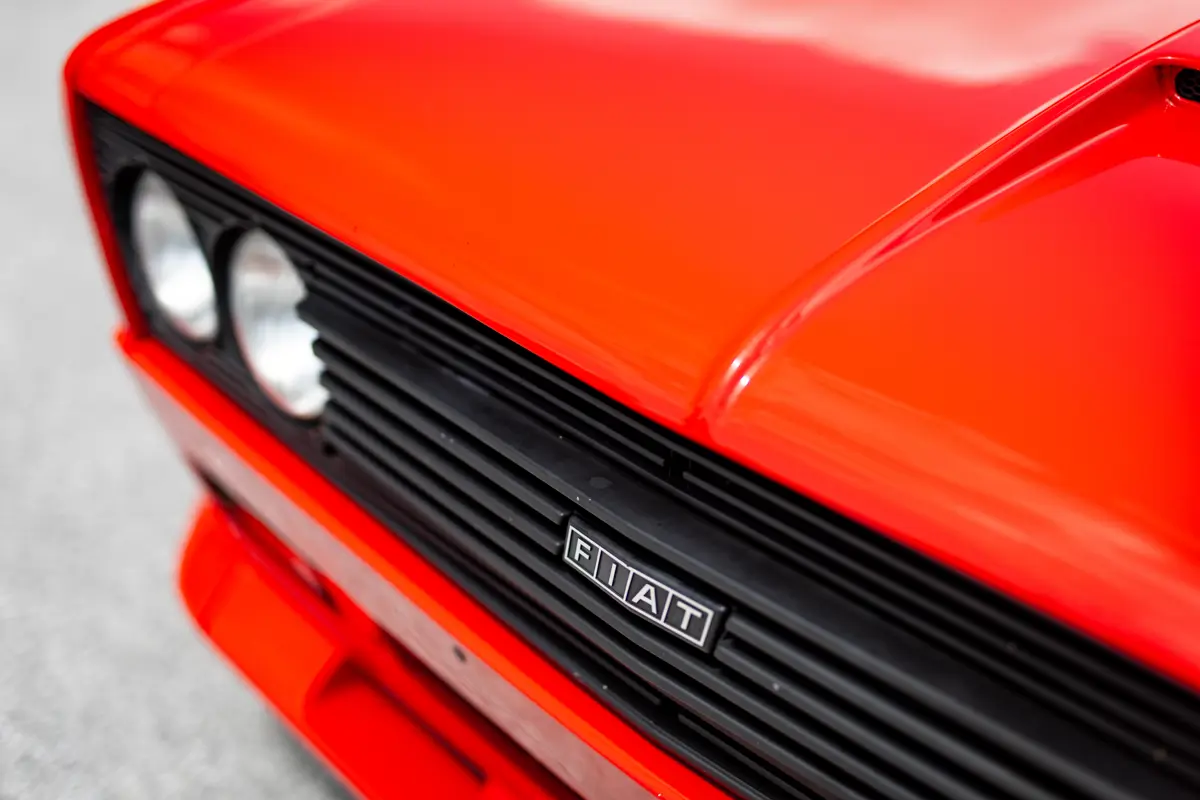
The 131 won more than enough to deserve similar treatment, but history has been considerably less generous. Its creation was rooted less in romance than in Fiat’s need to connect competition success with something it was actually selling. The 124 Abarth Rally had done the job well during the first half of the 1970s, but by the middle of the decade, it belonged to an ageing model line. The 131 Mirafiori, launched in 1974, was current, conventional, and intended for mass production, which made it a far more useful vehicle for a works rally program, even if the ordinary saloon hardly looked like the starting point for one. Rear-wheel drive helped, but a live rear axle, upright three-box body and sensible family car remit left Abarth with plenty to do.
The SE031 provided an early indication of how far it was prepared to go. Developed around the 131 shape and powered by a 3.5-liter V-6 derived from the Fiat 130 engine, it won the 1975 Giro d’Italia with Giorgio Pianta and Bruno Scabini, but the definitive rally car had to satisfy Group 4 homologation rules and therefore needed a rather closer relationship with a production model. A minimum series of 400 cars was required, so the Stradale was not an after-the-event celebration of a successful competition car. It was the means by which the competition car could exist in the first place.
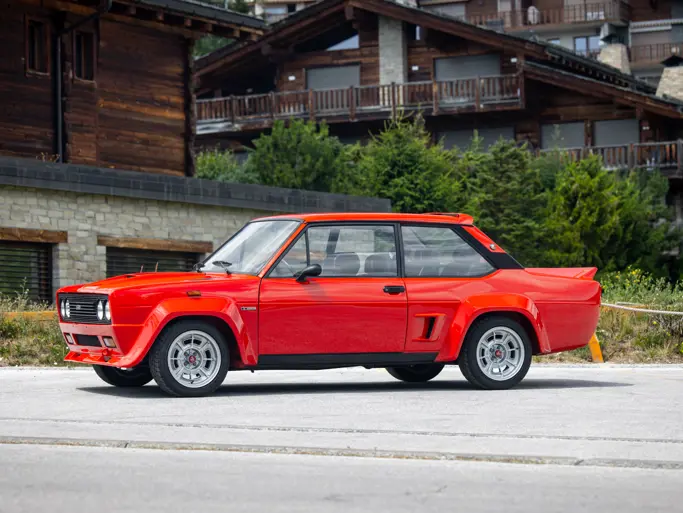
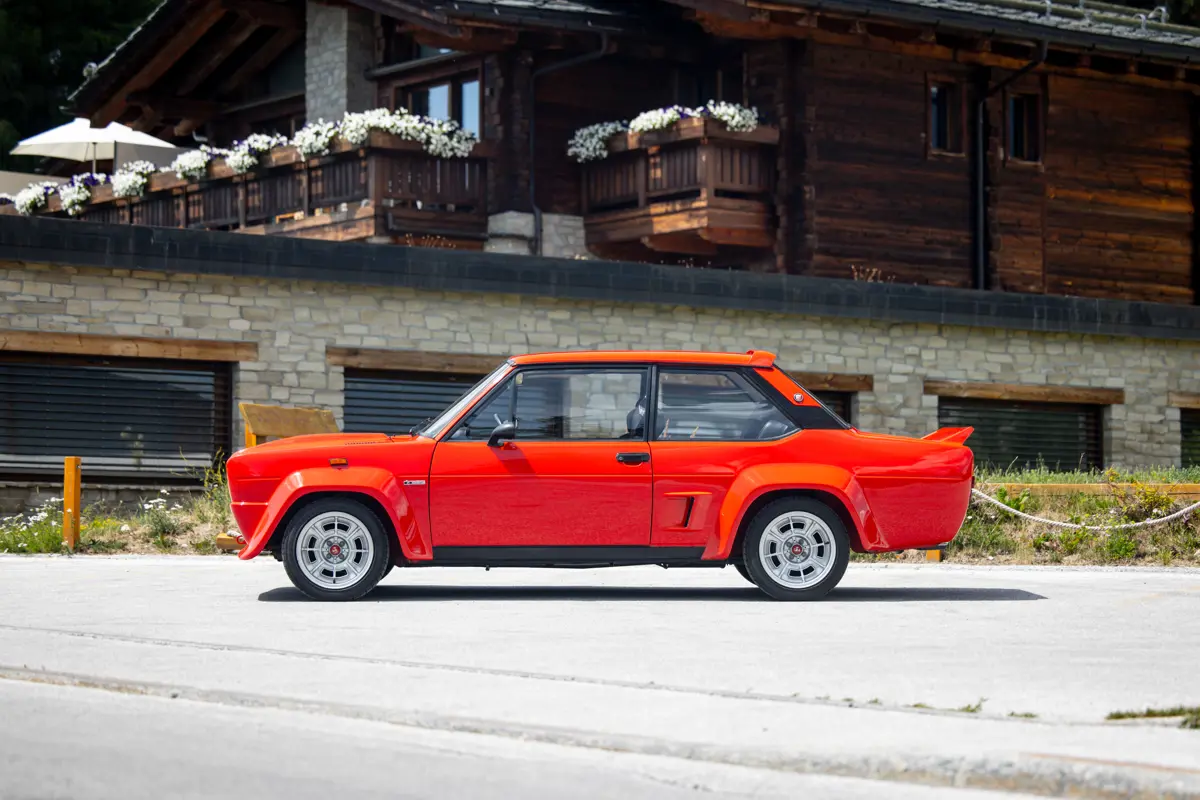
Part-finished two-door 131 shells left Fiat for Bertone, where much of what made a normal Mirafiori normal was quietly discarded. The live rear axle disappeared in favor of independent rear suspension, using coil-sprung struts with trailing and lateral location, giving Abarth far greater freedom over geometry and wheel control. The body was put on a diet at the same time, with fiberglass used for the hood, trunk lid, and widened wings, aluminum for the doors and Perspex for much of the side and rear glazing. The resulting box arches cleared 15-by-7-inch Cromodora wheels and a wider track, while the front, rear, and roof spoilers, together with the various cooling apertures, were dictated rather more by competition requirements than by Bertone having a sudden attack of 1970s exuberance.
The transformation worked because the basic 131 shape survived it. The Stratos looked as if somebody had designed a rally car first and worried about number plates afterward, whereas the Abarth remained obviously related to the saloon parked outside thousands of Italian apartment blocks. Only considerably wider, lighter, and less interested in shopping—instead, it was steroids up and ready for a street brawl.
Abarth’s work under the hood was no less extensive. The familiar Lampredi twin-cam architecture provided the basis, but the homologation engine displaced 1,995-cc and used an aluminum 16-valve cylinder head. In Stradale form, a twin-choke Weber 34 ADF kept things relatively civilized, and output was 138 horsepower, at 6,400 rpm. The works cars replaced the carburetor with Kugelfischer mechanical injection and initially produced around 225 horsepower, with development eventually pushing that toward 245 horsepower.
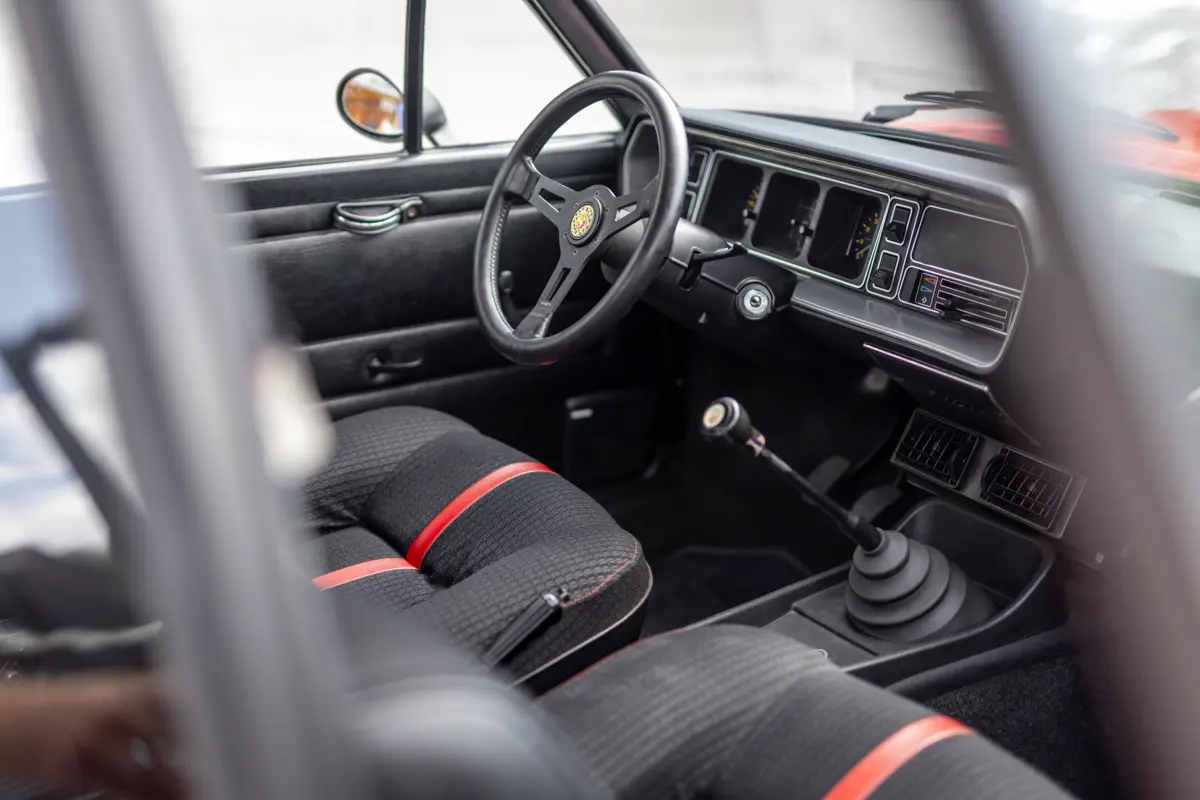
The road car’s modest output can make the Stradale look rather tame next to later homologation specials, but it misses what Fiat was trying to homologate. The expensive bits were already present: the 16-valve head, independent rear suspension, lightweight panels, four-wheel disc brakes and five-speed competition-type gearbox, which did without synchromesh. The rally cars added the full arsenal, including dry-sump lubrication and a limited-slip differential, but Abarth had already established the architecture it needed. This was Group 4 homologation in its most literal form, with the road car carrying a surprising amount of competition hardware simply because the regulations insisted that it should.
It did not take long for the arrangement to pay off. Markku Alén gave the 131 its first WRC victory on the 1000 Lakes in 1976, and Fiat mounted a full championship campaign the following year. Five victories brought the 1977 Manufacturers’ title after a season-long fight with Ford, and another championship followed in 1978. Alén also won the FIA Cup for Rally Drivers that season, effectively the precursor to the formal WRC Drivers’ Championship introduced for 1979.
Ford hit back in 1979 with the Escort RS1800, but Fiat’s reduced program that year made the reversal less terminal than it appeared. Röhrl joined for 1980 and won Monte Carlo, Portugal, Argentina and Sanremo, while Alén added another victory in Finland. Röhrl took the Drivers’ Championship and Fiat its third Manufacturers’ title in four seasons. By the end of the 131’s works career, it had accumulated 20 WRC wins.
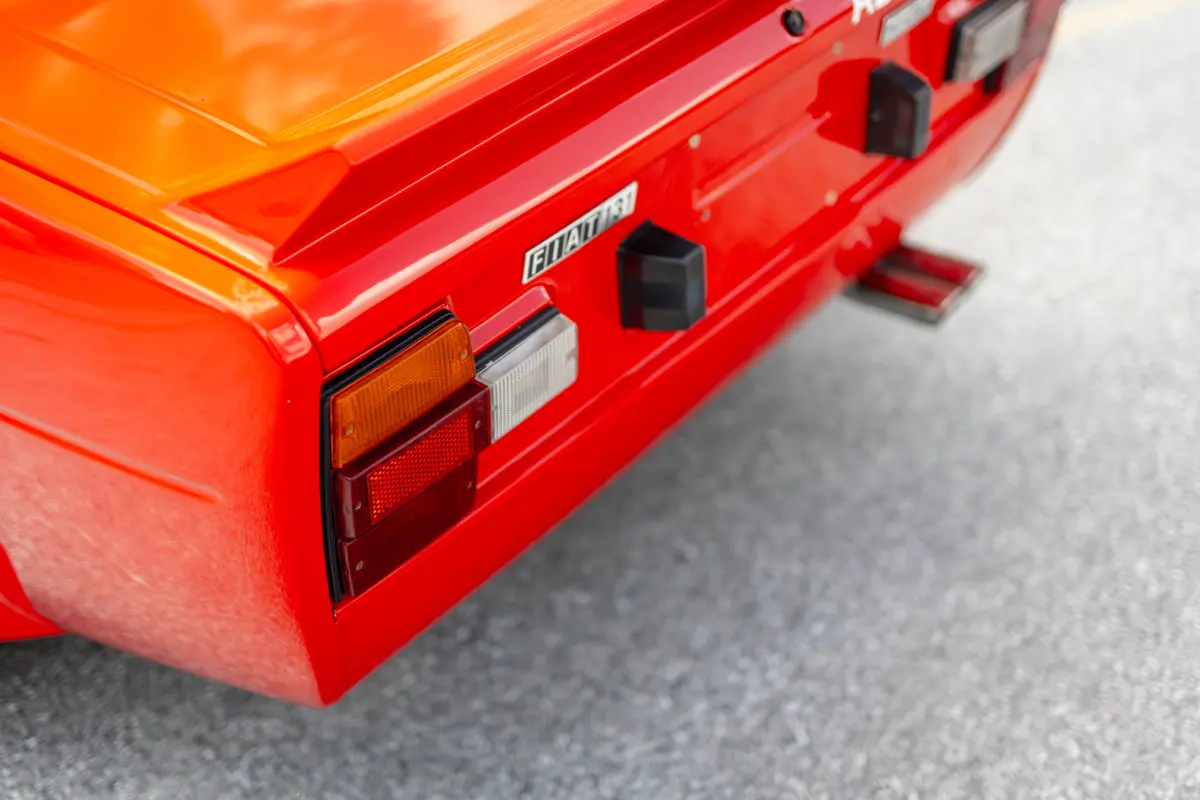
The Escort’s subsequent dominance of the period in popular memory owes as much to what happened afterward as to what happened during it. Escorts remained plentiful, tunable, and competitive, trickling down from works level into national and club rallying and then returning in force when historic competition took off. The 131 never developed the same infrastructure around it, and in Britain especially, there was little chance of it competing with a car that seemed to occupy every service area, forest car park and rallying VHS tape for the next 30 years.
Fiat’s own corporate family did the rest. The Stratos already offered an almost impossibly glamorous alternative interpretation of rallying, and once the 037 and Delta S4 arrived, the 131’s thoroughly conventional proportions made it look older than it really was. The Integrale subsequently supplied Lancia with six consecutive Manufacturers’ titles and, crucially, did so in a road car built in sufficient numbers to create a vast following. Compared with those cars, the 131 Abarth became trapped between eras: too ordinary-looking for the exotic Lancia mythology and too rare to acquire the Escort’s grassroots afterlife.
That rarity is a large part of the Stradale’s appeal now. The road car contains a much more direct relationship with the works program than its relatively restrained performance might suggest, and the interesting pieces are not graphics or commemorative trim but the fundamentals of the car itself. Bertone’s lightweight panels, the independent rear suspension, Perspex glazing, 16-valve engine and unsynchronized five-speed gearbox were there because Abarth needed them homologated for competition. Strip away the Alitalia paint and the photographs of Alén at improbable angles, and that is what remains: a production Fiat extensively re-engineered so its competition derivative could win the World Rally Championship.
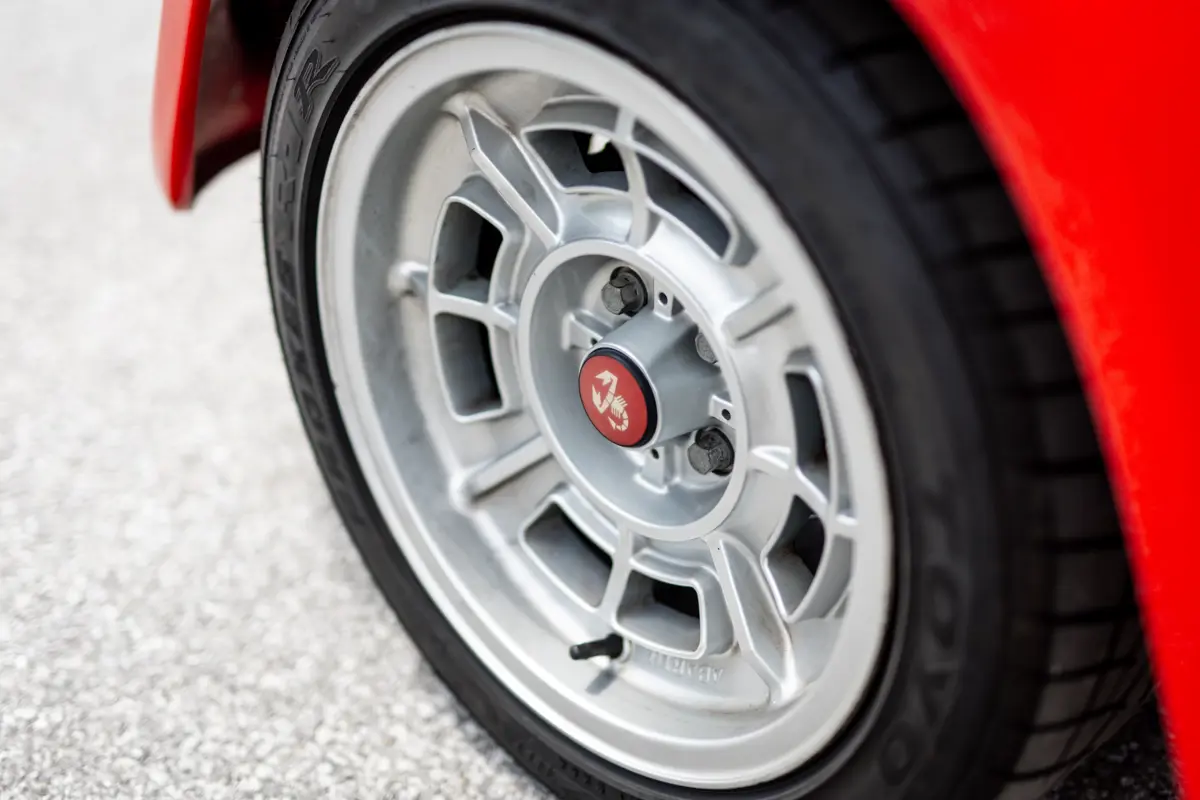
Its position in the market still seems oddly detached from that history. The Stradale lacks the visual drama and Group B association that have carried the great Lancias into another league, while the Escort has a depth of competition culture the Fiat could never hope to replicate. None of that alters the rarity of the 131, the sophistication hidden beneath its square body or the fact that the program it enabled delivered three Manufacturers’ Championships in four seasons.
For all the talk of forgotten homologation specials, very few have a record quite as difficult to overlook as this one. The strange thing about the 131 Abarth is that we managed it anyway.