From the howl of the M1 to the muscle of the M6, M has spent nearly half a century building cars enthusiasts can't get enough of.
There are few letters in motoring that carry quite the same weight as M. When BMW Motorsport launched the M1 in 1979, few could have imagined the legacy it would leave in its wake. What started as an ambitious program to beat Porsche on the racetrack developed into an entire sporting family that lives on to this day.
It's fitting that eight remarkable M cars are starring in The Munich Auction—their hometown—on 20 November. They represent very different interpretations of the M philosophy, ranging from an original M1 to a Spa-winning touring car and a remarkably low-mileage M6. Each has a history, specification, or provenance that sets it apart.
1. 1980 BMW M1: The Difficult Birth of a Legend
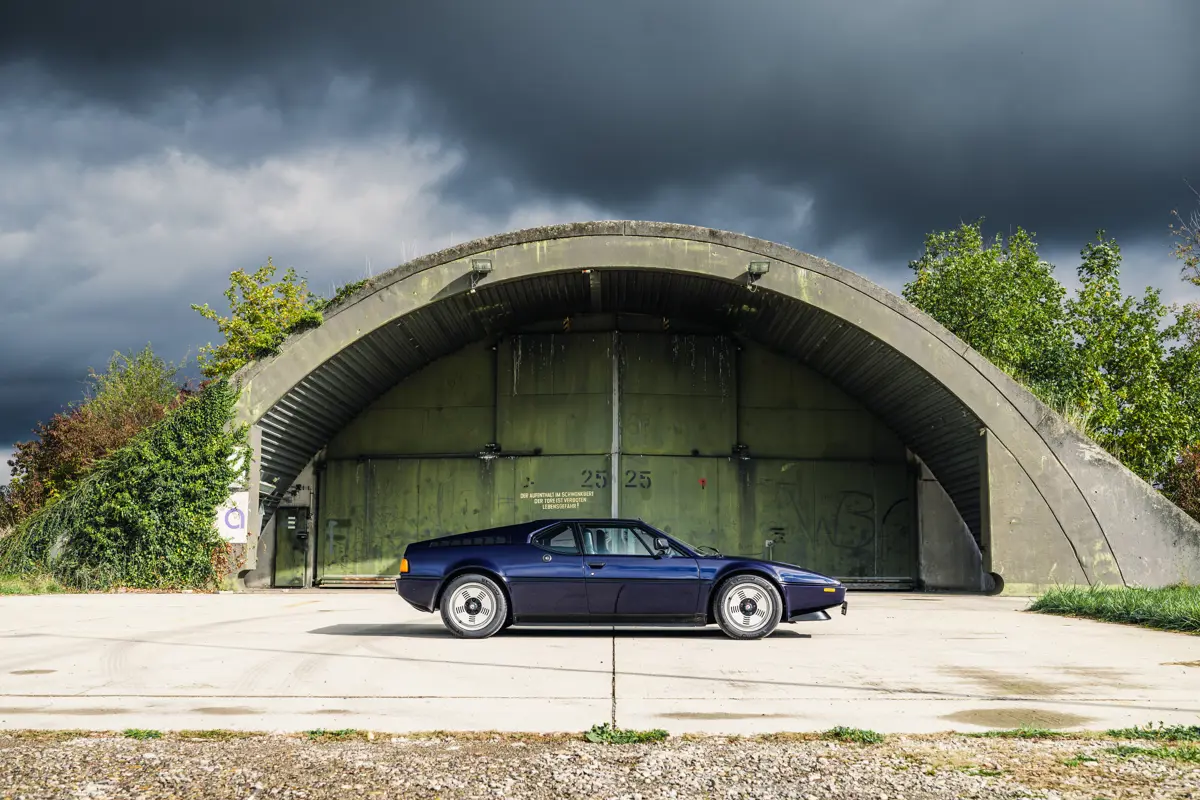
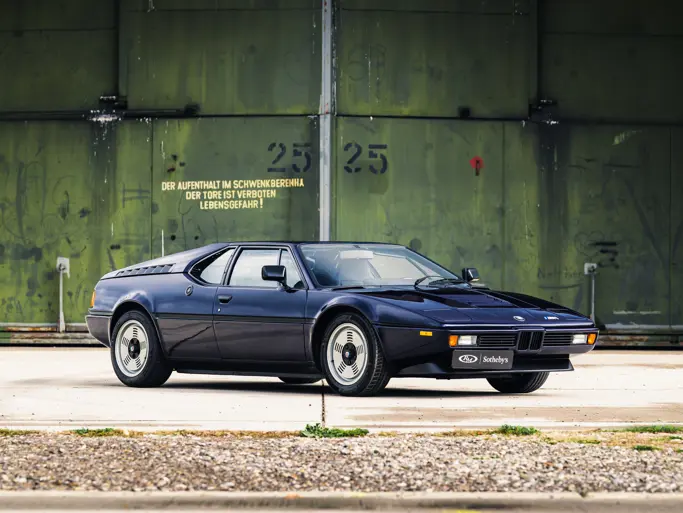
The BMW M1 really had no business turning out as well as it did. Conceived as a mid-engine racing car, styled by Giorgetto Giugiaro, and developed with Lamborghini's involvement, its development was fraught with difficulties. Yet it made it into production to become one of the most beautiful and significant supercars of the 1970s.
Just 399 roadgoing M1s were built. The car offered in Munich is particularly appealing in its factory-correct blue-over-black part-leather combination, a striking alternative to the more familiar red, orange, and white examples.
Delivered new to Verden in Lower Saxony in 1980, it has spent its entire life in Germany. Its odometer displayed 45,135 kilometres at cataloguing, while accompanying books, manuals, period sales material, and service documentation add to its appeal.
For a car with such a complex development history, that combination of original specification, German ownership history, and supporting paperwork makes this an enticing opportunity to acquire the machine that kick-started the M legend.
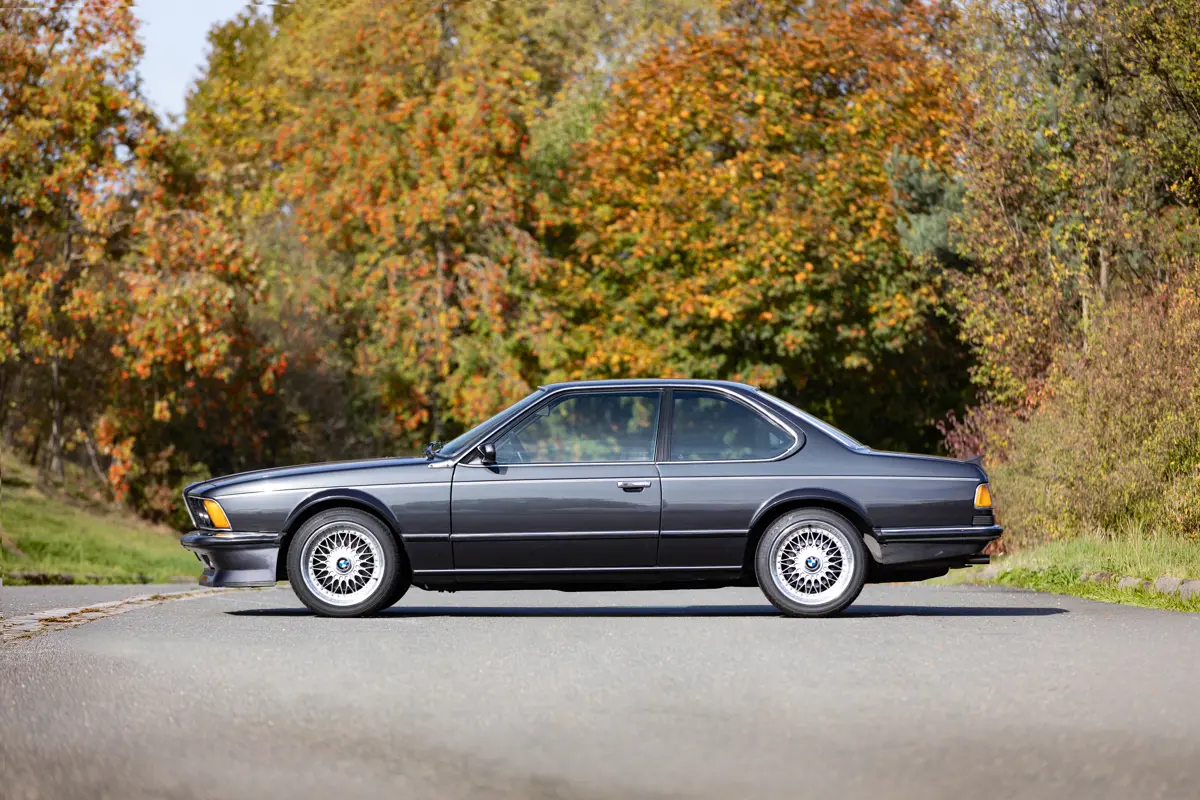
2. 1985 BMW M635CSi: The Art of Understatement
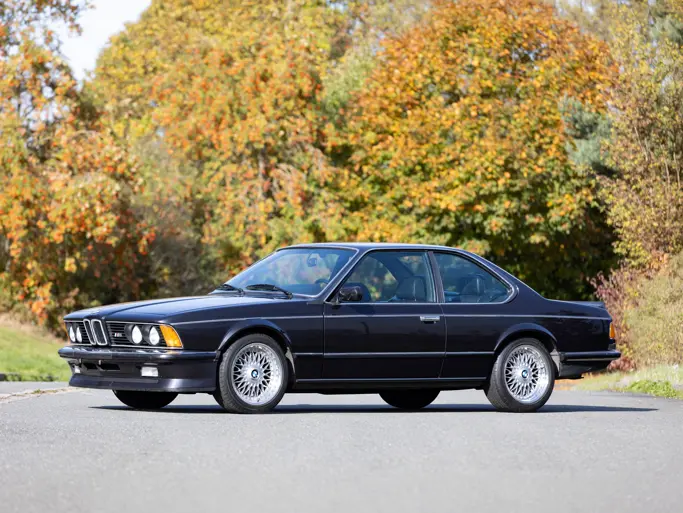
Just look at it—that long, shark-nosed hood, delicate detailing, and the merest suggestion of menace beneath the front bumper. Its greatest attraction was the magnificent 3.5-litre M88 straight-six, derived from the M1's engine and developing 286 horsepower. Combined with a five-speed manual gearbox, it gave the elegant 6 Series supercar-rivalling performance and grand touring character.
The Munich car is finished in Diamond Black with Anthracite Buffalo leather, a suitably restrained combination for a model that never needed to shout about its abilities. Delivered new to Italy, it subsequently entered the ownership of a German BMW dealer principal.
Perhaps most importantly, its engine has benefited from a rebuild undertaken by an authorized BMW workshop, with invoices accompanying the car. That documented mechanical attention, together with its appealing specification and ownership history, makes this particular M635CSi worthy of closer inspection.
3. 1986 BMW M5: The Supercar Nobody Noticed
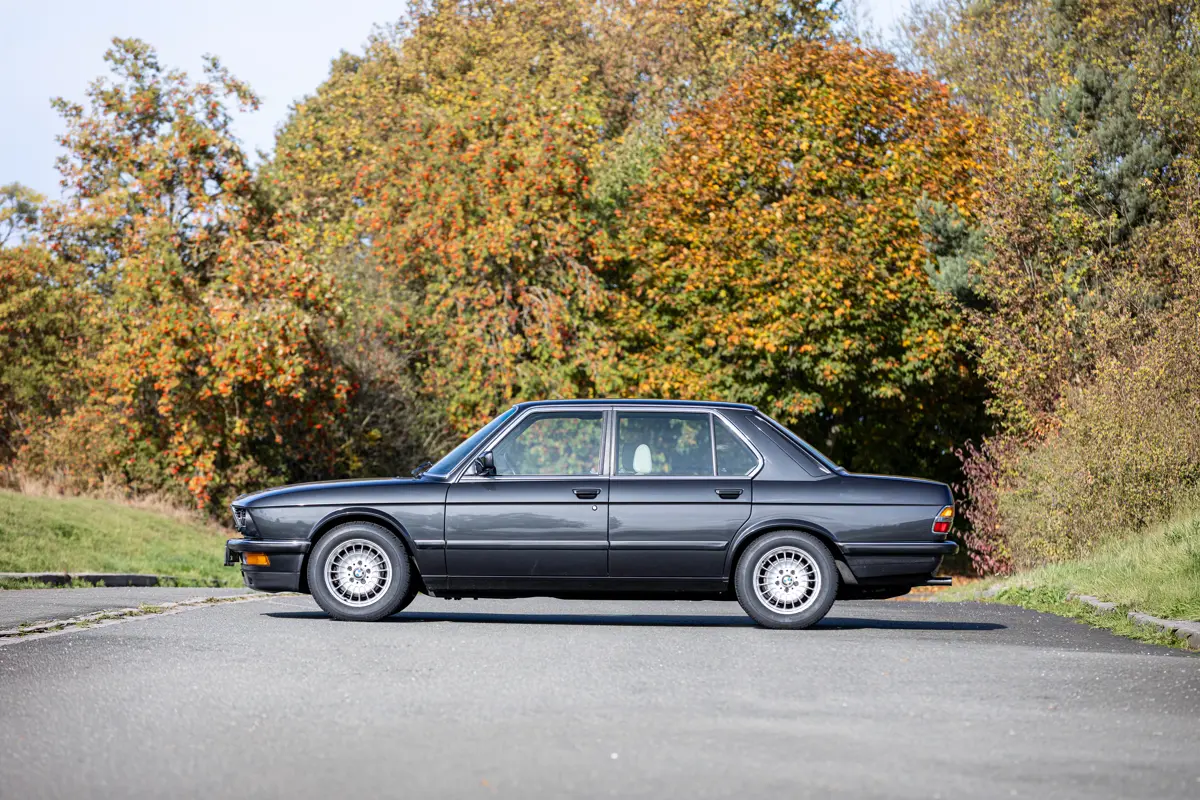
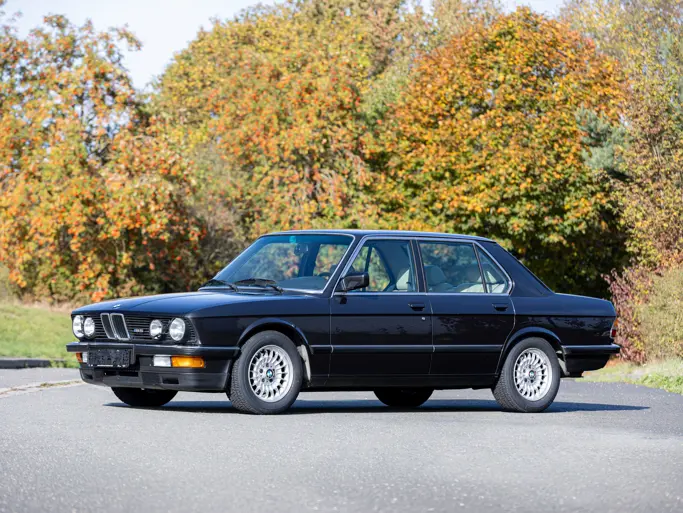
Imagine walking into a BMW showroom in 1985 and discovering that the 5 Series sedan you're looking at has essentially the same engine as a mid-engine supercar. The original M5 was one of those wonderfully capable Q-cars that made the automotive world considerably more interesting.
Hand-built by BMW Motorsport, the E28 M5 developed 286 horsepower from its M88/3 straight-six and could reach 150 mph. A few subtle styling changes and distinctive wheels were almost all that separated it visually from a well-specified executive sedan—and that's its killer appeal.
The example heading to Munich is particularly attractive in Diamond Black Metallic over Pearl Beige leather, combining the M5's sporting intent with a wonderfully period sense of luxury. Crucially, it retains the M88/3 engine and five-speed Getrag manual gearbox that define the original model, while air conditioning, electric windows, a sunroof, and a BMW Business stereo give it plenty of civility.
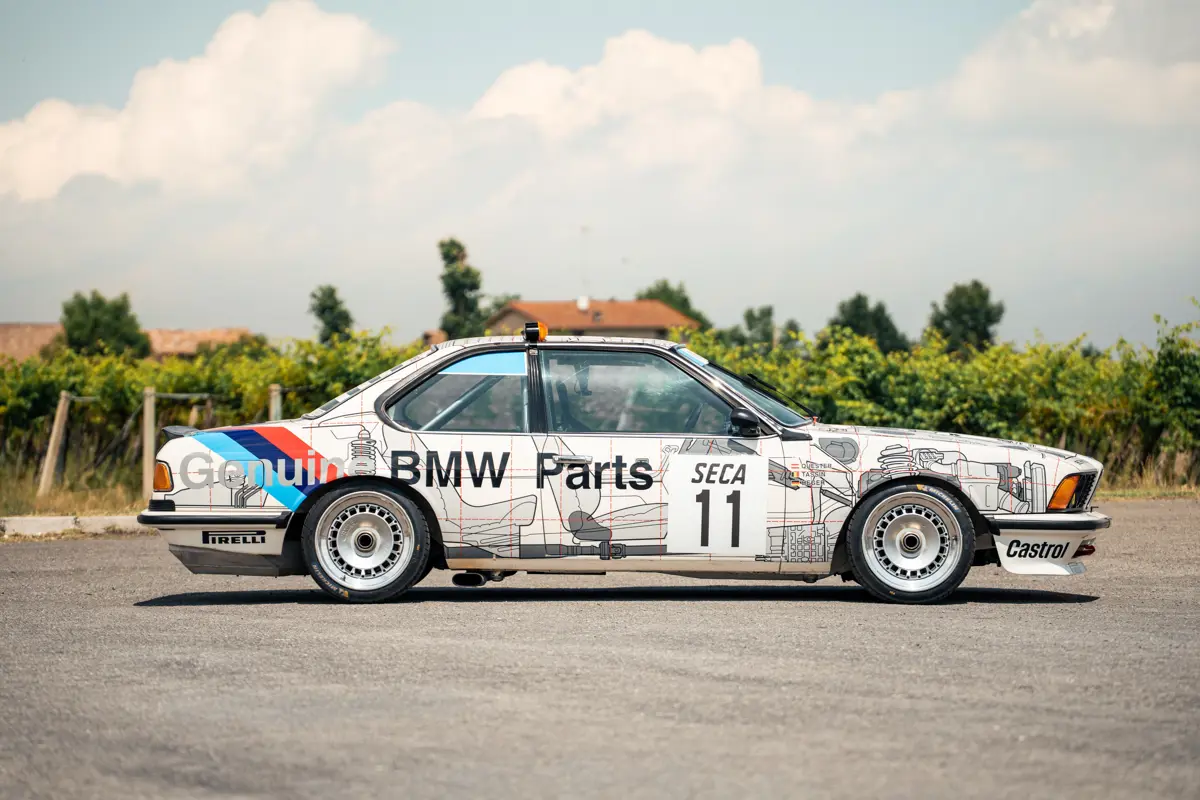
4. 1986 BMW 635CSi Group A: The Shark That Conquered Spa
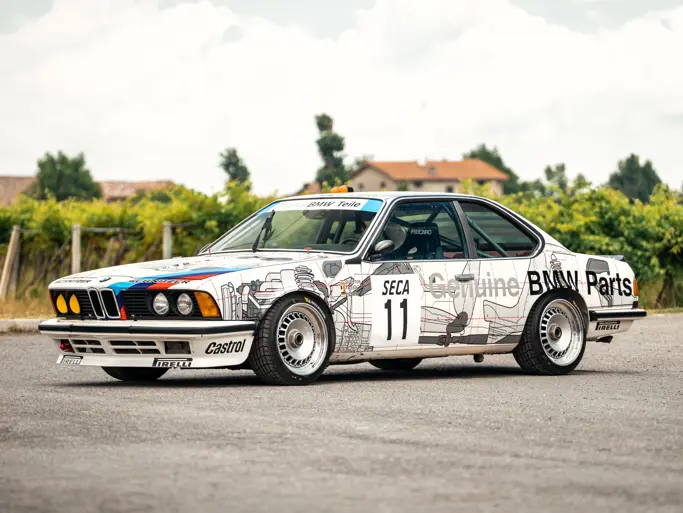
There's racecar provenance, and then there's outright victory at the Spa 24 Hours. This Schnitzer Motorsport BMW 635CSi is the real deal and one of the most significant competition cars appearing in our Munich sale.
Chassis E24-RA2-79 is one of approximately 10 Works cars built by Schnitzer. In 1986, Dieter Quester, Thierry Tassin, and Altfrid Heger drove it from ninth on the grid to victory at
Spa-Francorchamps, overcoming formidable opposition from Ford, Volvo, and Rover.
Its other drivers included Roberto Ravaglia, Emanuele Pirro, and Gerhard Berger, while three additional European Touring Car Championship podium finishes underline its exceptional competition record. After nine championship appearances, its Works career ended following the Bathurst 1,000-kilometre race. The car is presented in its period Genuine BMW Parts livery and comes with Schnitzer Motorsport archive material, including period timing sheets, engineering notes, and setup documentation. More than €250,000 has been spent on restoration, maintenance, and race preparation since 2017, including an engine rebuild and new clutch in
2025. Its original engine accompanies the car, while a correct-type replacement is currently installed.
Recently campaigned at Spa Classic and Monza Revival, this is no static museum piece. It's a genuine works racing winner with documented history and the potential to return to the circuits where its reputation was forged.
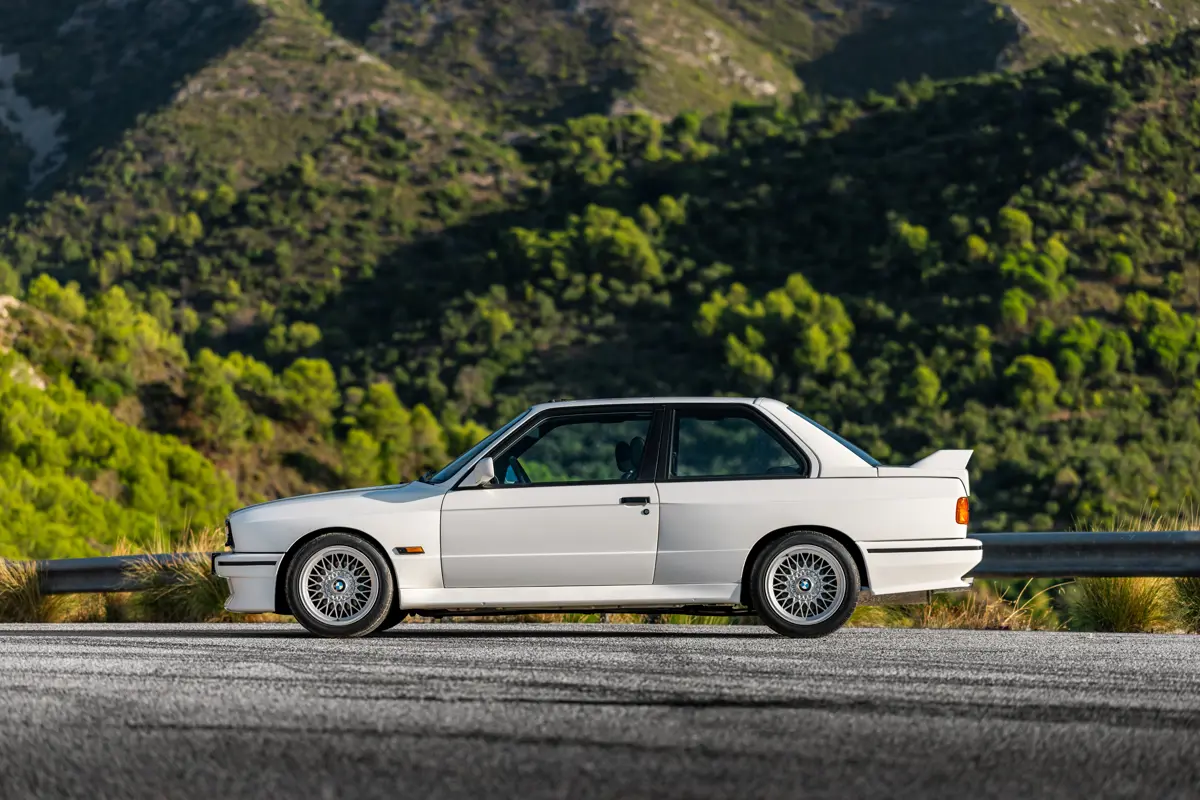
5. 1986 BMW M3: Forty Years of Brilliance
Two hundred horsepower—these days, that's barely enough to raise an eyebrow in a family SUV, let alone inspire a legend. Yet 40 years after its introduction, the original BMW M3 is celebrated as one of the finest driver's cars ever created.
Developed for Group A touring-car racing, the M3 (E30) succeeded through balance rather than brute force. As 1987 DTM champion Eric van de Poele recalled, the rival Ford Sierra Cosworth had considerably more power, yet "everything was easier to control in an M3 than in any other touring car."
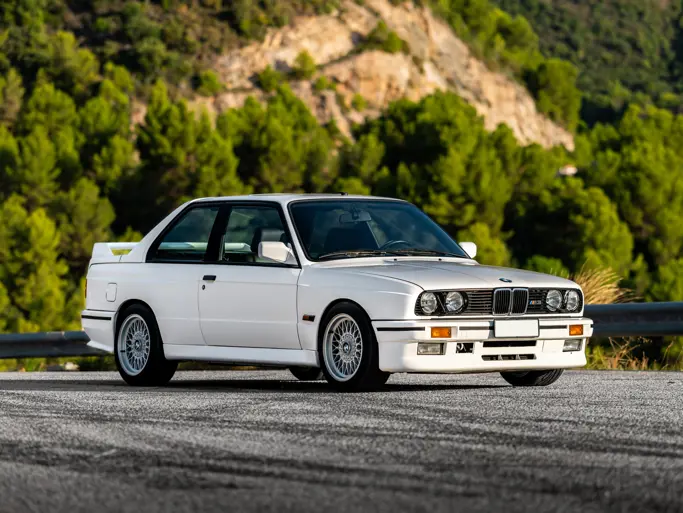
The example offered in Munich is an early, non-catalyst car completed on 22 December 1986. Finished in factory-correct Alpine White over black leather, it retains the desirable five-speed Getrag dogleg gearbox and an unusually extensive options list, including air conditioning, a sunroof, headlight-cleaning equipment, and an onboard computer.
Its international history is particularly interesting. Delivered new in Augsburg, it was registered in Japan in August 1987 and remained there until December 2018, subsequently passing through Italy and Spain.
Accompanied by a BMW Classic Birth Certificate issued in June 2026, the car showed 99,607 kilometres at cataloguing. With the M3 celebrating its 40th anniversary, this documented, early-production example provides a fitting opportunity to revisit BMW's touring-car legend.
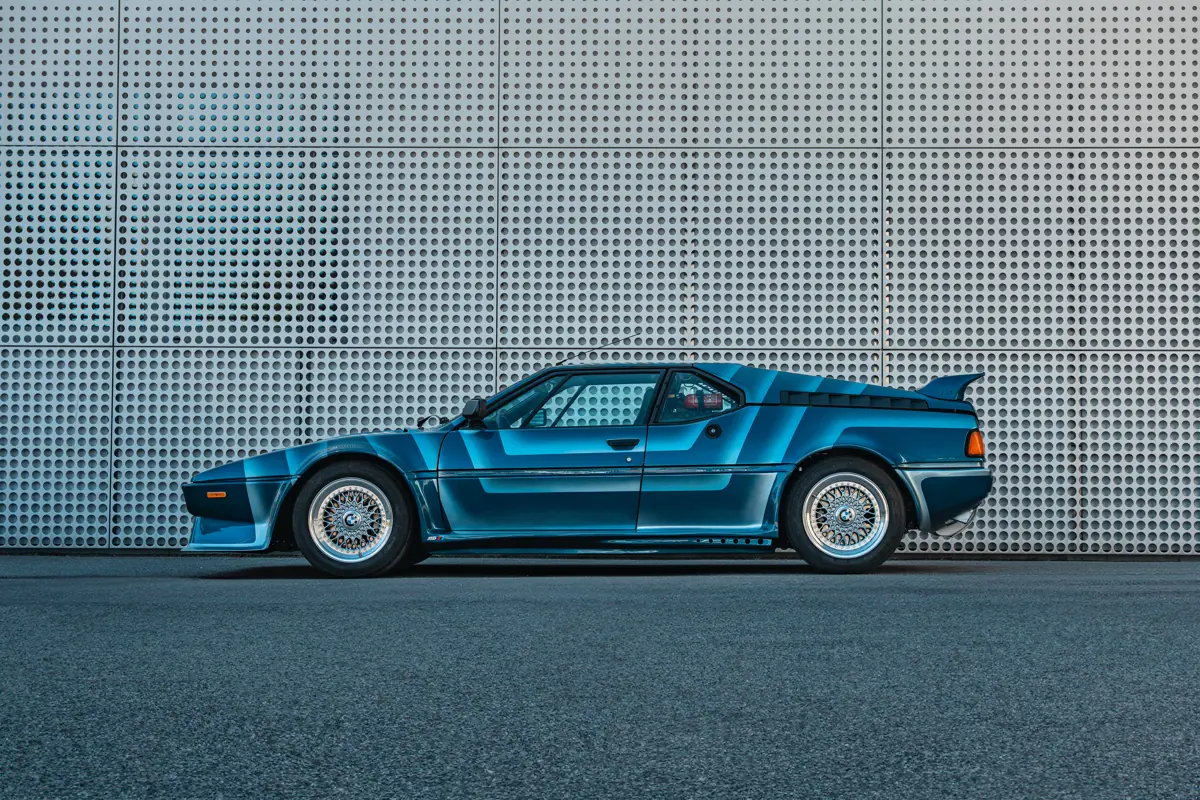
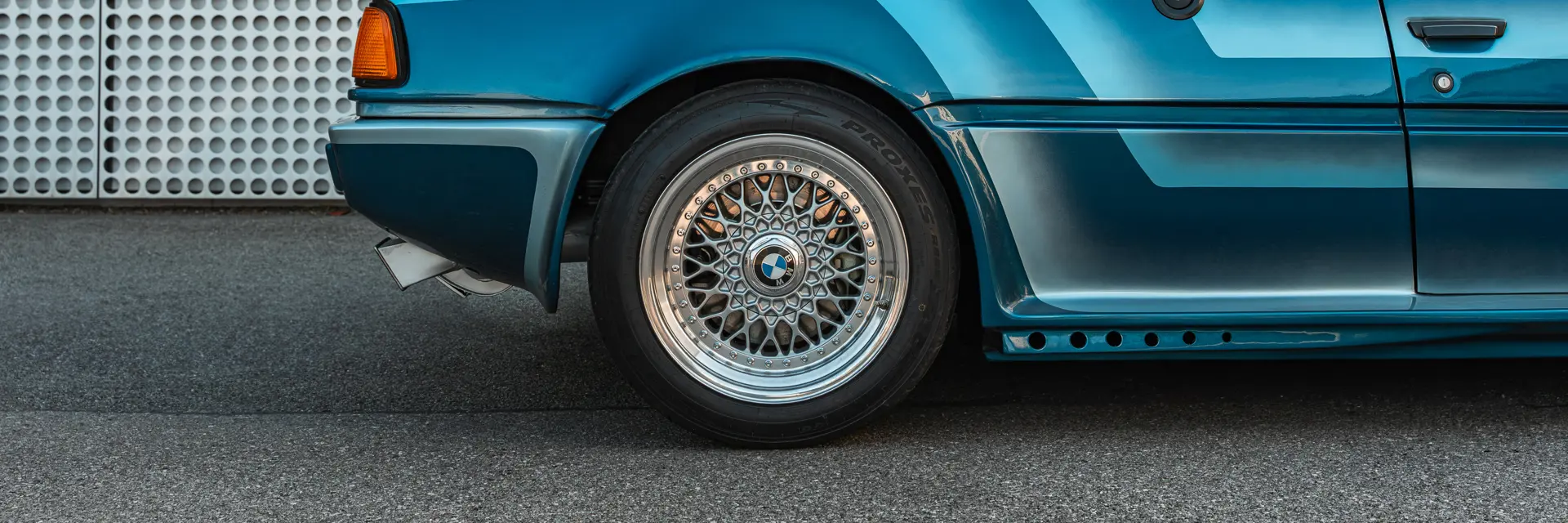
6. 1987 BMW M1 AHG Studie: When Too Much Was Just Enough
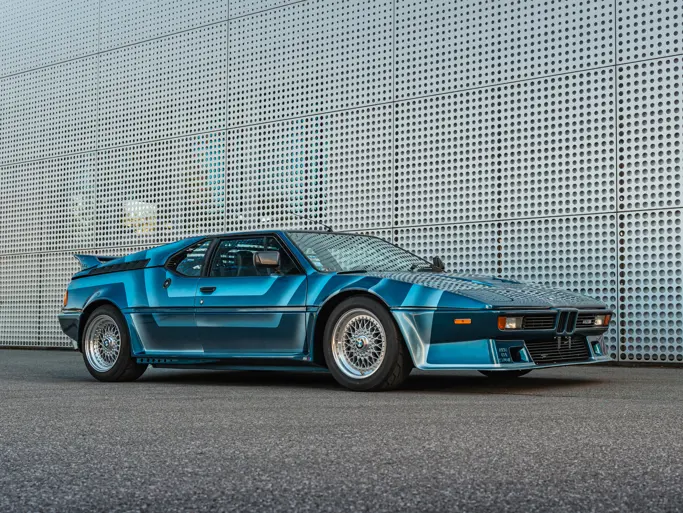
The standard M1 was hardly lacking visual drama, but German BMW dealer and motorsport specialist AHG evidently thought otherwise. The spectacular M1 AHG Studie is a roadgoing interpretation of the outrageous M1 Procar racing machine. Only around 10 are believed to have been created, with wider bodywork, adjustable racing suspension, three-piece BBS wheels, and an engine reportedly uprated to 350 horsepower.
The Munich car is especially intriguing because it is thought to have been built for AHG President Peter Gartemann himself. Finished in a distinctive blue livery, complete with AHG markings and Hermann Altmiks's signature beneath the left taillight, it became the promotional star of the company's own advertising campaign.
Its identity is equally fascinating. The 17-digit VIN ends in 01461, immediately following the final number in BMW's original M1 production sequence. Period documentation attributes its construction to AHG, while its first German registration dates from September 1987, long after normal M1 production had ended.
That makes this more than an exceptionally rare modified supercar. Its unusual history, period documentation, and direct association with the man behind the AHG project give it a distinctive place in BMW Motorsport's story.
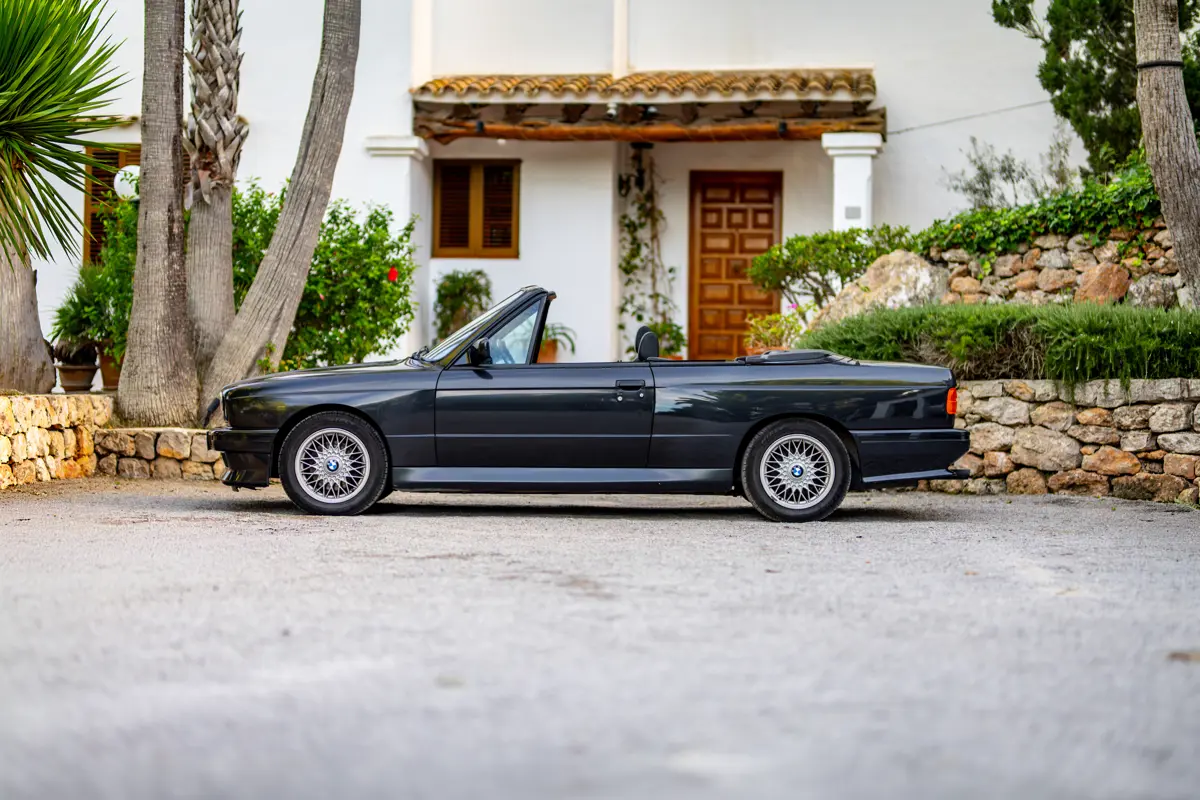
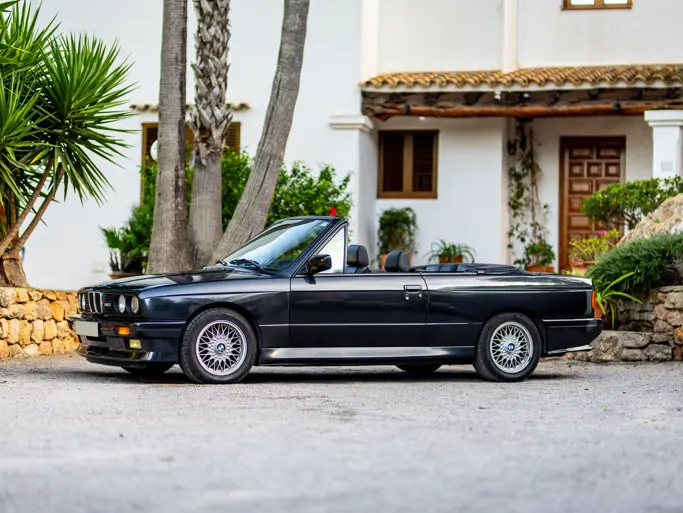
7. 1989 BMW M3 Cabriolet: The Racing Car That Discovered Sunshine
Taking the roof off a car designed to win touring-car races might seem a peculiar idea. Fortunately, BMW recognized that not every M3 owner intended to spend weekends chasing tenths of a second around the Nürburgring.
The resulting M3 Cabriolet combined the celebrated S14 engine with a more relaxed approach to performance motoring. Just 786 were produced, making it considerably rarer than the fixed-roof car. This 1989 example is more unusual still, being one of only 136 equipped with the 200-horsepower version of the engine. Completed at BMW's Regensburg factory on 27 June 1989, it was finished in Diamond Black over black leather and delivered new to Spain.
Its greatest attraction is a remarkable 36-year family ownership history. The car has belonged to the same Balearic Islands family since 1990, with registration dating from April of that year. Serviced in May 2026, it showed 140,387 kilometres at cataloguing and is accompanied by its BMW books and manuals.
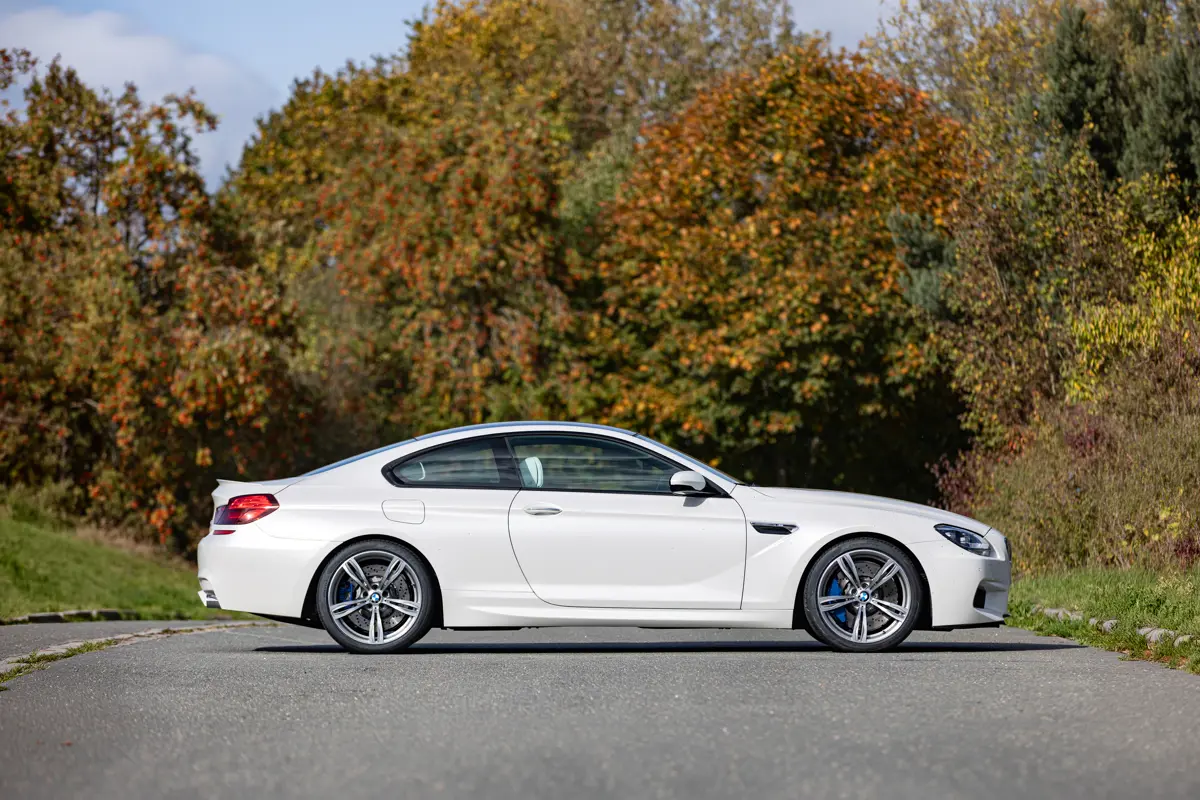
8. 2012 BMW M6 Coupé: The Changing Face of M
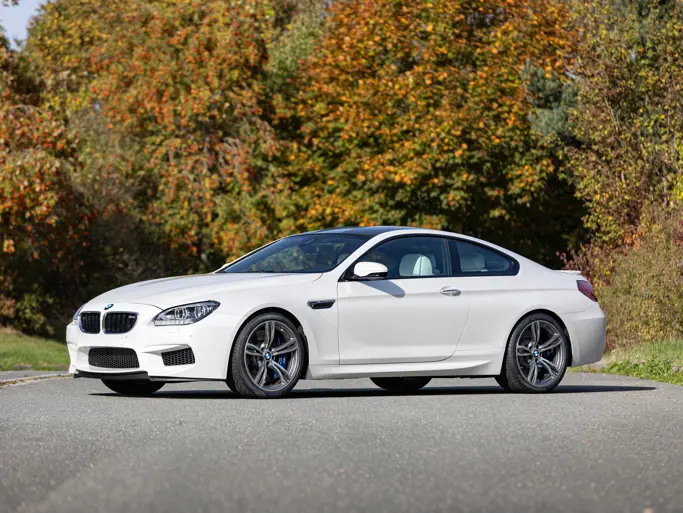
By 2012, BMW M had become a very different beast. Engines were turbocharged, gearboxes increasingly did the thinking for their drivers, and performance had become outrageous. The F13 M6 represented the pinnacle of this new order, combining a 560-horsepower twin-turbocharged V-8 with a seven-speed dual-clutch gearbox, carbon fiber roof, and zero-to-62-mph acceleration in just 4.2 seconds.
What makes the Munich example special is its remarkable preservation through extremely limited use. Finished in Alpine White over Opal White full Merino leather, it has covered just 7,430 kilometres from new.
Its specification includes an M head-up display, double-spoke alloy wheels, and an Anthracite Alcantara headliner. More significantly, it has remained in the personal ownership of the head of the Autohaus Kühnert BMW dealership group, which also carried out its most recent service in September 2026.
The combination of single ownership, documented dealer attention, and exceptionally low mileage gives this M6 considerable appeal. It also provides a fascinating contrast to the older cars in the sale: dramatically more powerful than an M1, yet estimated at a fraction of its value.